
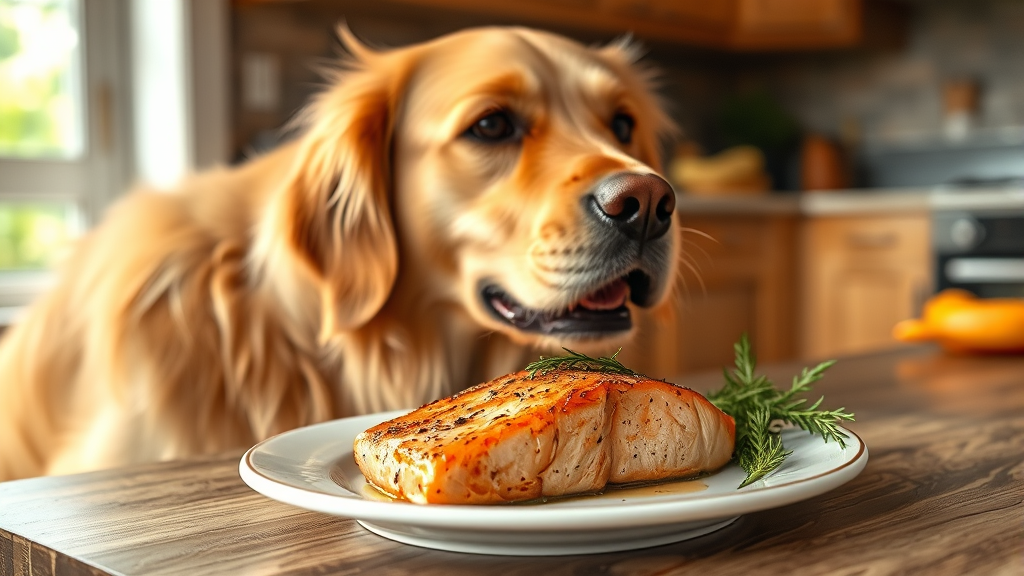
As a responsible dog owner, you’ve probably wondered about sharing your delicious salmon dinner with your furry companion. While salmon itself is often praised as a healthy protein source for dogs, the question of salmon skin safety requires more careful consideration. Many pet owners are curious about whether this crispy, flavorful part of the fish can be safely offered as a treat or added to their dog’s regular diet.
The answer isn’t as straightforward as you might expect. While salmon skin does contain beneficial nutrients like omega-3 fatty acids and protein, there are several important factors to consider before offering it to your dog. From preparation methods to potential health risks, understanding the complete picture will help you make informed decisions about your pet’s nutrition and safety.
Nutritional Benefits of Salmon Skin for Dogs
Salmon skin contains several nutrients that can benefit your dog’s health when prepared and served correctly. The skin is rich in omega-3 fatty acids, particularly EPA and DHA, which support brain function, joint health, and maintain a shiny coat. These essential fatty acids also help reduce inflammation and support the immune system, making them valuable additions to your dog’s diet.
The protein content in salmon skin is another significant benefit. High-quality protein supports muscle development and maintenance, especially important for active dogs or those in their senior years. Additionally, salmon skin contains vitamins B12 and D, along with selenium, which contribute to overall health and wellbeing.
However, it’s important to note that these benefits are only realized when the salmon skin is properly prepared and served in appropriate quantities. Raw or improperly cooked salmon skin can pose serious health risks that outweigh any potential nutritional advantages.

Safety Concerns and Potential Risks
Despite its nutritional benefits, salmon skin presents several safety concerns that every dog owner should understand. The primary risk comes from parasites, particularly salmon poisoning disease, which is caused by a bacteria-like organism called Neorickettsia helminthoeca. This condition is potentially fatal and occurs when dogs consume raw or undercooked salmon from Pacific Northwest waters.
Another significant concern is the high fat content in salmon skin. While healthy fats are beneficial in moderation, too much can lead to pancreatitis, a serious and potentially life-threatening condition. Dogs with sensitive stomachs or those prone to digestive issues may experience vomiting, diarrhea, or other gastrointestinal problems after consuming fatty foods like salmon skin.
Commercial salmon may also contain harmful substances such as antibiotics, artificial colors, or other chemicals used in fish farming. Wild-caught salmon might contain environmental pollutants like mercury or PCBs, though typically in lower concentrations than larger predatory fish. These contaminants can accumulate over time and potentially cause health problems.
The preparation method also affects safety. Salmon skin that’s been seasoned, salted, or cooked with oils, garlic, or onions becomes dangerous for dogs. Many seasonings commonly used in human food preparation are toxic to canines and should be strictly avoided.
Safe Preparation Methods
If you decide to offer salmon skin to your dog, proper preparation is absolutely crucial for safety. The most important rule is to ensure the salmon is thoroughly cooked to eliminate any parasites or harmful bacteria. The internal temperature should reach at least 145°F (63°C) throughout, including the skin.
Remove all scales before cooking, as these can be sharp and potentially cause choking or digestive tract injuries. Avoid using any seasonings, oils, butter, or other additives that could be harmful to dogs. Plain, baked, or grilled salmon skin is the safest preparation method.
Never give your dog raw salmon skin, regardless of the source. Even sushi-grade fish isn’t safe for dogs, as the parasites that cause salmon poisoning disease are specific to canines and aren’t eliminated by the same processes that make fish safe for human raw consumption.
When cooking, ensure the skin becomes crispy but not burned. Charred or blackened areas should be removed before serving, as these can contain harmful compounds. Allow the cooked salmon skin to cool completely before offering it to your dog to prevent burns to their mouth or digestive tract.

Serving Size and Frequency Guidelines
Moderation is key when offering salmon skin to your dog. Even properly prepared salmon skin should only be given as an occasional treat, not as a regular part of their diet. For small dogs under 25 pounds, a piece no larger than a quarter is appropriate. Medium dogs (25-60 pounds) can have a piece roughly the size of half a dollar coin, while large dogs over 60 pounds might handle a piece the size of a silver dollar.
Frequency is equally important as portion size. Salmon skin should not be offered more than once or twice per week, and preferably less frequently for dogs with sensitive digestive systems. Remember that treats should never make up more than 10% of your dog’s total daily caloric intake, and high-fat treats like salmon skin should comprise an even smaller percentage.
Monitor your dog’s reaction after the first time offering salmon skin. Some dogs may experience digestive upset even with properly prepared portions. If your dog shows any signs of discomfort, discontinue offering salmon skin and consult with your veterinarian.
Just as with can dogs eat rice or other human foods, individual dogs may react differently to salmon skin. What’s safe for one dog might cause problems for another, depending on their size, health status, and individual sensitivities.
Healthy Alternatives to Salmon Skin
If you’re concerned about the risks associated with salmon skin but want to provide similar nutritional benefits, several safer alternatives exist. Commercial dog treats made with salmon are formulated specifically for canine consumption and undergo safety testing. These treats often contain salmon meal or salmon oil, providing omega-3 fatty acids without the risks associated with skin preparation.
Fish oil supplements designed for dogs offer a concentrated source of omega-3 fatty acids without any of the preparation concerns. These supplements are typically more cost-effective and easier to dose appropriately than trying to calculate nutrients from salmon skin portions.
Other safe protein sources that many dogs enjoy include properly cooked chicken (without bones, unlike the dangerous scenario described in can dogs eat chicken bones), turkey, or even can dogs eat scrambled eggs prepared without oil or seasoning.
For dogs who enjoy the texture and crunch of salmon skin, dehydrated sweet potato strips, carrots, or commercial dental chews can provide similar satisfaction without the potential risks. Some pet stores also carry freeze-dried salmon treats that have been processed to eliminate parasites while maintaining nutritional value.
Warning Signs to Watch For
After offering salmon skin to your dog, it’s crucial to monitor them for any adverse reactions. Immediate signs of digestive upset include vomiting, diarrhea, excessive drooling, or loss of appetite. These symptoms typically appear within a few hours of consumption and may indicate that your dog’s system cannot handle the high fat content.
More serious symptoms that require immediate veterinary attention include lethargy, abdominal pain (indicated by a hunched posture or reluctance to move), difficulty breathing, or signs of dehydration. These could indicate pancreatitis or other serious complications.
Salmon poisoning disease symptoms typically appear 5-7 days after consumption and include fever, loss of appetite, vomiting, diarrhea, and swollen lymph nodes. This condition progresses rapidly and can be fatal if not treated promptly by a veterinarian.
Long-term consumption of high-fat foods like salmon skin, similar to concerns with can dogs eat bacon, can lead to obesity and related health problems. Monitor your dog’s weight and body condition, adjusting treat frequency if you notice weight gain.
Keep a record of when you offer salmon skin and any reactions your dog experiences. This information can be valuable for your veterinarian if health issues develop. Some dogs may develop food sensitivities over time, even to foods they previously tolerated well.
According to the American Veterinary Medical Association, raw or undercooked animal proteins pose significant health risks to pets. The FDA also provides comprehensive information about foods that can be dangerous for dogs. For additional guidance on pet nutrition, the ASPCA offers valuable resources, and research on dog nutrition continues to evolve our understanding of optimal canine diets.
When considering any new food for your dog, including options like can dogs have olive oil or can dogs eat coconut, always consult with your veterinarian first, especially if your pet has existing health conditions or dietary restrictions.
Frequently Asked Questions
Can dogs eat raw salmon skin?
No, dogs should never eat raw salmon skin. Raw salmon can contain parasites that cause salmon poisoning disease, a potentially fatal condition in dogs. Always cook salmon skin thoroughly to an internal temperature of 145°F before offering it to your dog, and even then, only give it occasionally and in small amounts.
How much salmon skin is safe for my dog?
The amount depends on your dog’s size. Small dogs under 25 pounds should have no more than a quarter-sized piece, medium dogs (25-60 pounds) can have a half-dollar sized piece, and large dogs over 60 pounds can have up to a silver dollar-sized piece. This should only be given once or twice per week at most.
What should I do if my dog ate seasoned salmon skin?
Contact your veterinarian immediately, especially if the salmon skin contained garlic, onions, or excessive salt, as these are toxic to dogs. Monitor your dog for symptoms like vomiting, diarrhea, lethargy, or difficulty breathing. Provide fresh water and withhold food until you can speak with your vet.
Is farmed or wild salmon skin better for dogs?
Both can be safe when properly prepared, but wild-caught salmon generally contains fewer artificial chemicals and antibiotics. However, wild salmon has a higher risk of parasites, making thorough cooking even more critical. Regardless of the source, proper preparation and moderation are key to safety.
Can salmon skin cause pancreatitis in dogs?
Yes, the high fat content in salmon skin can trigger pancreatitis, especially in dogs prone to this condition or those with sensitive digestive systems. Symptoms include vomiting, diarrhea, loss of appetite, and abdominal pain. Dogs with a history of pancreatitis should avoid high-fat treats like salmon skin entirely.
Are there any dogs that should never eat salmon skin?
Dogs with pancreatitis, obesity, digestive sensitivities, or liver disease should avoid salmon skin. Puppies under six months, senior dogs with health issues, and any dog on a restricted diet should also avoid it. Always consult your veterinarian before introducing new foods, especially high-fat treats.
How can I tell if salmon skin is properly cooked for my dog?
Properly cooked salmon skin should be crispy and reach an internal temperature of 145°F throughout. The skin should easily separate from the flesh, and there should be no translucent or raw-looking areas. Avoid any pieces that are charred or blackened, and ensure the skin has cooled completely before serving.





