
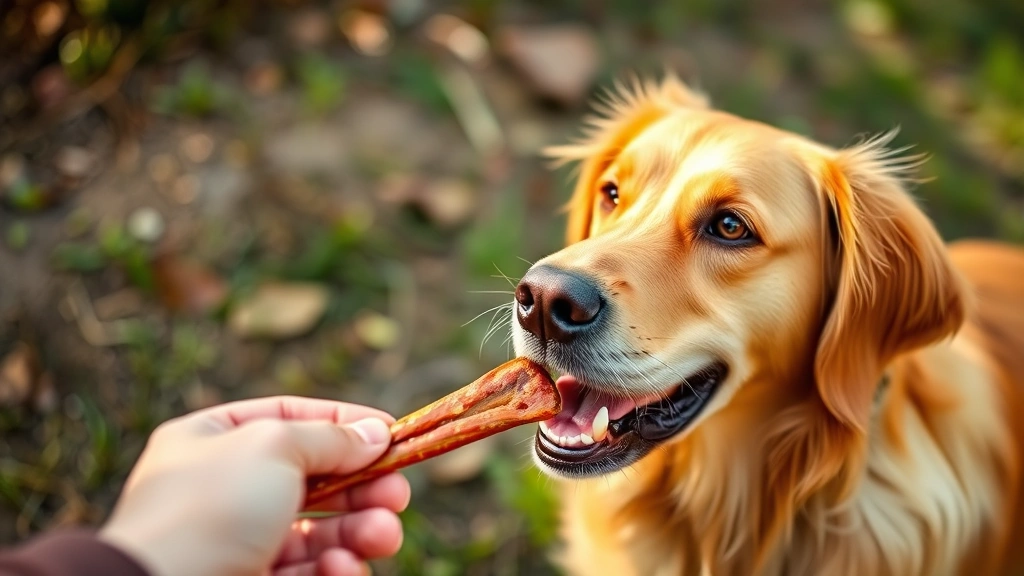
Can Dogs Eat Slim Jims? Vet-Approved Advice on This Tempting Snack
We’ve all been there: you’re snacking on a Slim Jim, and your furry best friend gives you those irresistible puppy dog eyes. It’s tempting to share, but before you tear off a piece of that savory stick, you need to know the facts. The short answer? No, dogs should not eat Slim Jims. But the explanation is more nuanced than a simple “no,” and understanding why is crucial for keeping your pup safe and healthy.
Slim Jims and similar processed meat snacks might seem harmless—after all, they’re made from beef, right? But these convenient little sticks are packed with ingredients that can wreak havoc on your dog’s digestive system and overall health. From excessive sodium to mysterious spice blends and preservatives, Slim Jims are essentially the canine equivalent of junk food on steroids. Let’s break down exactly why these snacks are off-limits for our four-legged companions.
Whether you’re a first-time dog owner or a seasoned pet parent, it’s always good to refresh your knowledge about which human foods are safe for dogs. This comprehensive guide will walk you through the dangers of Slim Jims, safer alternatives, and what to do if your dog accidentally gets into your snack stash.
Why Slim Jims Are Bad for Dogs
Slim Jims are processed meat snacks designed for human consumption, with flavor profiles and ingredient combinations that are completely inappropriate for dogs. Unlike whole, natural foods that align with a dog’s nutritional needs, these snacks are engineered for taste appeal to people—not pets. The problem isn’t just one ingredient; it’s the perfect storm of multiple concerning components working together to create a product that’s genuinely dangerous for our canine companions.
The primary culprits in Slim Jims include excessive sodium, artificial flavoring, spices that can upset sensitive stomachs, and various preservatives that serve no nutritional purpose for dogs. When you combine these factors with the fact that dogs have smaller bodies and different metabolic rates than humans, even a small Slim Jim can pose a significant health risk.
It’s worth noting that while a single Slim Jim probably won’t cause immediate catastrophic harm to a large, healthy dog, the risk-benefit analysis is completely one-sided. There is absolutely no benefit to feeding your dog a Slim Jim, while the potential for harm is very real.
The Sodium Problem: A Hidden Health Risk
If there’s one ingredient in Slim Jims that should concern every dog owner, it’s sodium. A single Slim Jim contains approximately 240-270 milligrams of sodium, which might not sound like much to us, but for dogs, it’s a significant portion of their daily recommended intake.
Most dogs should consume no more than 100 milligrams of sodium per day, according to AAFCO (Association of American Feed Control Officials) guidelines. That means one Slim Jim contains more than twice the recommended daily sodium for your average dog. Excessive sodium intake in dogs can lead to:
- Increased thirst and urination – Your dog may drink excessive amounts of water and need more frequent bathroom breaks
- High blood pressure – Hypertension in dogs can lead to serious cardiovascular complications over time
- Kidney problems – Chronic high sodium consumption can damage kidney function, particularly in senior dogs
- Electrolyte imbalances – Disrupted mineral balance affects everything from muscle function to heart rhythm
- Sodium ion poisoning – In severe cases, especially with multiple exposures or small breed dogs, toxicity can occur
Understanding dog nutrition and salt content is essential for pet owners who want to make informed dietary choices. The sodium in processed meats like Slim Jims is particularly problematic because it’s hidden—owners often don’t realize how much salt their dogs are consuming.
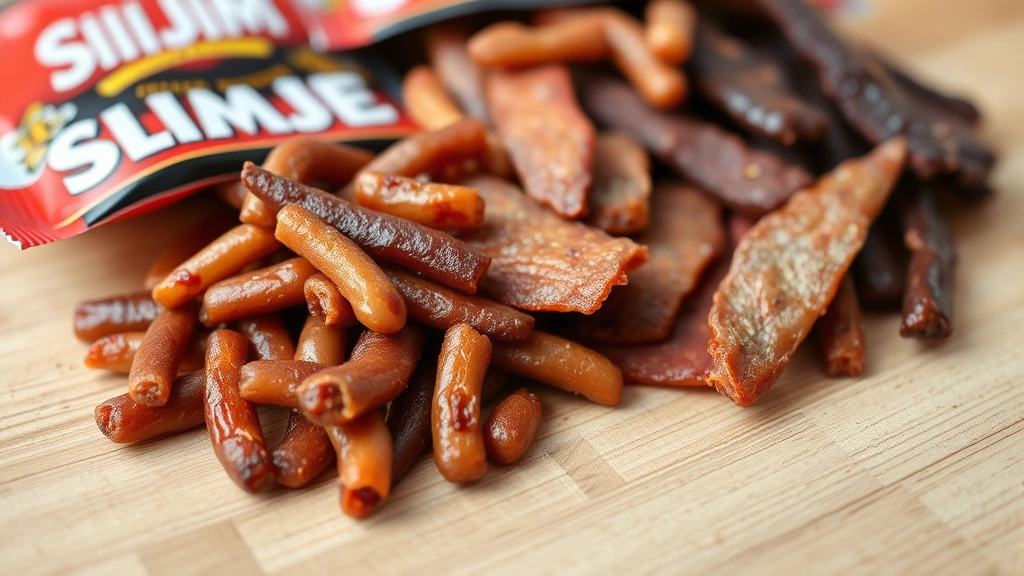
Other Problematic Ingredients in Slim Jims
Beyond sodium, Slim Jims contain several other ingredients that make them unsuitable for dogs:
Spices and Seasonings: Slim Jims are heavily seasoned with garlic powder, onion powder, paprika, and other spices. Both garlic and onion are toxic to dogs and can damage their red blood cells, leading to hemolytic anemia. While the amount in a single Slim Jim might not cause acute poisoning, regular consumption could accumulate to dangerous levels. If you’re curious about which seasonings are safe, our guide on what seasonings can dogs have provides detailed information.
Preservatives: Sodium nitrite and other preservatives used in Slim Jims are added to prevent bacterial growth and maintain color. While they’re approved for human consumption, dogs don’t need these chemicals, and some evidence suggests they may increase cancer risk with long-term exposure.
Fat Content: Slim Jims are extremely high in fat, which can trigger pancreatitis—a serious and potentially life-threatening inflammation of the pancreas. Dogs with a history of pancreatitis or those prone to digestive upset are particularly vulnerable.
Artificial Flavoring: MSG (monosodium glutamate) and other artificial flavors are often used in processed meats. While research on MSG in dogs is limited, there’s no nutritional benefit to these additives, and some dogs may experience sensitivity.
How Slim Jims Compare to Other Processed Meats
To better understand why Slim Jims are problematic, let’s compare them to other processed meats and see where they stand on the danger scale.
If you’ve wondered about can dogs eat beef jerky, you’ll find that plain, unseasoned beef jerky is marginally better than Slim Jims but still not ideal due to sodium content. However, beef jerky made specifically for dogs without added seasonings and with reduced sodium is a better option than commercial human jerky.
Can dogs eat salami is another common question, and the answer is similarly “not really.” Salami shares many of the same problems as Slim Jims: high sodium, high fat, and problematic seasonings. Both are processed meats that offer no nutritional advantage to dogs.
When comparing to is bacon bad for dogs, we find that while bacon is also high in fat and sodium, at least it’s a more natural product without the artificial seasonings found in Slim Jims. That said, neither should be regular treats.
The fundamental issue with all these processed meats is that they’re engineered for human taste preferences, not canine nutritional needs. Dogs don’t need the flavor complexity that makes these snacks appealing to us; they need whole, natural foods that support their health.
What Happens If Your Dog Eats a Slim Jim
If your dog has already gotten into your Slim Jim stash, don’t panic—but do monitor them carefully. The outcome depends on several factors: your dog’s size, age, overall health, and how many Slim Jims they consumed.
Immediate Effects (0-2 hours): Most dogs will experience some gastrointestinal upset. Watch for vomiting, diarrhea, or excessive drooling. Some dogs may experience stomach cramping or discomfort. Keep your dog calm and monitor their water intake.
Short-term Effects (2-24 hours): If your dog consumed only one or two Slim Jims, they’ll likely experience mild digestive distress that resolves within a day or two. However, if they consumed multiple sticks or if your dog is small (under 15 pounds), the risk of more serious complications increases.
When to Call the Vet: Contact your veterinarian immediately if your dog shows any of these signs:
- Persistent vomiting or diarrhea lasting more than a few hours
- Signs of abdominal pain (restlessness, whining, arched posture)
- Loss of appetite lasting more than 12 hours
- Lethargy or unusual behavior
- Difficulty breathing or collapse
- Signs of pancreatitis (severe abdominal pain, vomiting, lethargy)
Be prepared to tell your vet exactly what your dog ate, including the quantity and time of consumption. This information helps them determine the best course of action, whether that’s monitoring at home, supportive care, or more intensive treatment.
Safe Meat Snacks for Your Dog
Now that we’ve established Slim Jims are off-limits, let’s talk about what your dog can enjoy. There are plenty of delicious, nutritious meat-based treats that won’t compromise your pup’s health.
Plain Cooked Meats: The safest option is plain, cooked meat with no added seasonings, salt, or fat. Boiled chicken, lean beef, or turkey are all excellent choices. Simply cook the meat without any additions and cut it into appropriate-sized pieces for your dog.
Dog-Specific Jerky: Unlike human jerky, dog jerky is made without excessive salt and harmful seasonings. Look for products made from single ingredients with no added preservatives. These are specifically formulated for canine consumption and are much safer than human snacks.
Frozen Meat Treats: You can freeze plain cooked ground meat in ice cube trays and give your dog one or two cubes as a refreshing treat. This is especially nice on hot days and provides mental enrichment as your dog works to eat the frozen treat.
Organ Meats: Liver, kidney, and heart are nutrient-dense treats that dogs love. Serve them cooked and in small amounts as occasional treats, not daily staples.
Commercial Dog Treats: Look for treats from reputable manufacturers that list whole meat as the first ingredient and avoid artificial flavors, colors, and preservatives. Many companies now make meat-based treats that are both nutritious and delicious.
When offering any new treat, remember the 10% rule: treats should comprise no more than 10% of your dog’s daily caloric intake. The remaining 90% should come from a complete and balanced dog food. This ensures your dog gets all the nutrients they need while still enjoying occasional special snacks.
Frequently Asked Questions
What if my dog ate just a tiny piece of a Slim Jim?
If your dog consumed only a very small piece, they’ll likely be fine. Monitor them for signs of gastrointestinal upset like vomiting or diarrhea over the next 24 hours. A tiny piece is unlikely to cause serious harm, but it’s still not recommended. The key is to prevent regular access to these snacks.
Are all Slim Jim flavors equally dangerous?
Yes, essentially all Slim Jim varieties share the same core problems: excessive sodium, seasonings (including garlic and onion powder), high fat content, and preservatives. Whether it’s original, peppered, or teriyaki flavor, they’re all inappropriate for dogs. Some varieties might have slightly different sodium levels, but none are safe for regular consumption.
Can small breeds tolerate Slim Jims better than large breeds?
Actually, the opposite is true. Small breeds are MORE vulnerable to the effects of Slim Jims because their bodies are smaller and their organs are proportionally smaller. A single Slim Jim represents a much larger percentage of a Chihuahua’s daily sodium intake than it would for a Great Dane. Additionally, small breeds are more prone to pancreatitis, making high-fat treats particularly risky.
Is there a “safe” amount of Slim Jim for dogs?
No. There is no safe amount of Slim Jims for dogs. While a single stick won’t necessarily cause acute toxicity in a large, healthy dog, there’s no nutritional benefit and only potential for harm. Even occasional consumption of processed meats can contribute to long-term health problems.
What about Slim Jim Lite or lower-sodium versions?
Even “lite” or “lower-sodium” versions of Slim Jims still contain problematic levels of salt and other concerning ingredients for dogs. The sodium is still elevated compared to what dogs need, and the other issues (seasonings, preservatives, high fat) remain unchanged. These versions might be slightly better than regular Slim Jims, but they’re still not appropriate for canine consumption.
My dog ate a Slim Jim and seems fine—should I still be concerned?
If your dog consumed a Slim Jim and appears to be acting normally, that’s good news. However, continue monitoring them closely for the next 24-48 hours, as symptoms can sometimes appear after the immediate period. Even if your dog seems fine now, it’s important to prevent future access to these snacks. Just because one incident didn’t cause obvious problems doesn’t mean there’s no risk—especially with repeated exposure.
Can I give my dog Slim Jims as an occasional treat?
No. While a single incident is unlikely to cause permanent damage, regular or even occasional consumption of Slim Jims can contribute to obesity, pancreatitis, kidney disease, and high blood pressure over time. There are simply too many better alternatives available to justify feeding your dog something with no nutritional value and multiple potential health risks.
What’s the difference between Slim Jims and homemade beef jerky for dogs?
The differences are significant. Homemade beef jerky made for dogs can be prepared with no added salt, no harmful seasonings, and just whole beef. You control every ingredient and can ensure it’s appropriate for your dog’s health. Commercial Slim Jims, by contrast, are loaded with additives designed for human taste preferences. If you want to make beef jerky for your dog, simply slice lean beef thin and dry it in a low oven (160°F for 4-6 hours) without any seasoning.
Should I worry if my dog ate Slim Jims in the past?
If your dog has eaten Slim Jims occasionally in the past and hasn’t shown signs of health problems, there’s no need to panic. However, this is a good time to eliminate access going forward. If your dog regularly consumed Slim Jims, consider discussing this with your vet at your next checkup, particularly if your dog is overweight, has pancreatitis history, or is a senior dog.





