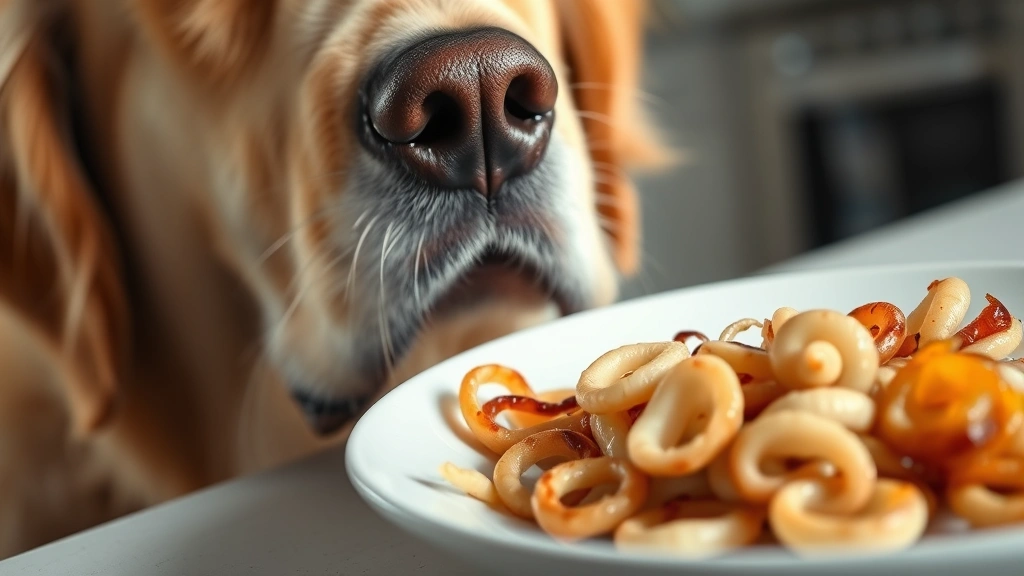
Can Dogs Eat Squid? Expert Opinions Inside
If you’re a dog owner who loves seafood, you’ve probably wondered whether your furry companion can safely enjoy squid alongside you. The short answer is yes—dogs can eat squid in moderation, but there are important considerations to keep in mind. Squid offers some nutritional benefits for dogs, including protein and omega-3 fatty acids, but preparation method and portion size matter significantly.
Understanding what human foods are safe for your dog requires careful research and veterinary guidance. While squid isn’t toxic to dogs, it’s not a common part of their diet, and feeding it incorrectly could cause digestive upset or other health issues. This comprehensive guide explores everything you need to know about feeding squid to your canine companion, including preparation methods, nutritional benefits, potential risks, and expert recommendations.
Is Squid Safe for Dogs?
Yes, plain, cooked squid is generally safe for dogs when prepared correctly. Unlike some seafood options, squid doesn’t contain compounds that are inherently toxic to canines. However, the key word here is plain—this means no seasoning, garlic, onions, or heavy oils. According to the ASPCA, many human foods can be safely shared with dogs when prepared appropriately and served in moderation.
The safety of squid depends entirely on how it’s prepared. Fried squid from restaurants, for example, is loaded with salt, oil, and often garlic or onion—all problematic for dogs. Raw squid presents different concerns, including potential bacterial contamination and choking hazards. When considering whether to introduce squid to your dog’s diet, think about their individual health status, age, and any existing digestive sensitivities.
Dogs with allergies or sensitive stomachs should be introduced to squid very gradually and in tiny amounts to monitor for adverse reactions. If you’re considering adding squid to your dog’s diet for nutritional reasons, consult with your veterinarian first, especially if your dog has any underlying health conditions.
Nutritional Benefits of Squid
Squid offers several nutritional components that can be beneficial for dogs when included as an occasional treat. The primary nutritional advantages include:
- High-Quality Protein: Squid is an excellent protein source, containing all essential amino acids dogs need for muscle maintenance and development.
- Omega-3 Fatty Acids: These healthy fats support heart health, reduce inflammation, and promote a healthy coat and skin.
- B Vitamins: Squid contains B12, B6, and other B vitamins essential for energy metabolism and nervous system function.
- Minerals: Selenium, copper, and zinc found in squid support immune function and antioxidant defense.
- Low Fat: Compared to many other proteins, squid is relatively lean, making it suitable for weight-conscious dogs.
These nutritional benefits are similar to what you’d find in other seafood options like whole foods that support canine health. However, it’s important to remember that squid should complement a complete and balanced diet, not replace it. Most commercial dog foods already provide these nutrients in appropriate quantities for your dog’s life stage and activity level.

How to Prepare Squid for Dogs
Proper preparation is absolutely critical when feeding squid to your dog. Here’s the correct method:
- Start with Fresh Squid: Purchase fresh squid from a reputable fishmonger or grocery store. Frozen squid that has been thawed is also acceptable.
- Clean Thoroughly: Remove the ink sac, head, and all internal organs. Rinse the squid body under cold running water to ensure no debris remains.
- Cook Plain: Boil or steam the squid without any seasoning. Plain water is your only ingredient. Avoid adding salt, garlic, onions, or any spices.
- Cool Completely: Let the squid cool to room temperature before offering it to your dog.
- Cut Appropriately: Cut the squid into small, manageable pieces appropriate for your dog’s size to prevent choking hazards.
- Store Safely: Refrigerate leftover cooked squid in an airtight container for up to three days.
Never give your dog raw squid, as it carries the risk of bacterial contamination from pathogens like Listeria and Salmonella. The digestive system of dogs, while more resilient than humans in some ways, is not equipped to handle all raw seafood safely. Similarly, never offer fried, breaded, or seasoned squid, as these preparations contain ingredients that can upset your dog’s stomach or cause more serious health issues.
If you’re unsure about preparation methods, contact your veterinarian before introducing squid to your dog’s diet. They can provide specific guidance based on your dog’s individual needs and health status.
Portion Guidelines and Frequency
When introducing squid to your dog’s diet, moderation is essential. As a general guideline, squid should constitute no more than 10% of your dog’s daily caloric intake, and it should be offered as an occasional treat rather than a regular meal component.
Portion sizes by dog weight:
- Small dogs (under 25 lbs): One to two small pieces once or twice per week
- Medium dogs (25-50 lbs): Two to three small pieces once or twice per week
- Large dogs (over 50 lbs): Three to five small pieces once or twice per week
Start with an even smaller portion when first introducing squid—perhaps a piece the size of a pea for small dogs or a marble for larger dogs. Monitor your dog for 24 hours after the initial introduction to ensure no digestive upset occurs. If your dog tolerates the small amount well, you can gradually increase to the recommended portion sizes over several weeks.
Remember that treats, including squid, should not exceed 10% of your dog’s total daily calories. If you’re regularly offering squid, you may need to reduce other treats or adjust meal portions accordingly to maintain a healthy weight. This is particularly important for dogs prone to obesity or those with weight management issues.

Potential Risks and Concerns
While plain, cooked squid is safe for most dogs, several potential risks warrant attention:
- Choking Hazard: Squid has a chewy texture that can pose a choking risk, especially for dogs who don’t chew thoroughly. Always cut squid into appropriate sizes for your dog.
- Digestive Upset: Some dogs may experience vomiting, diarrhea, or constipation when introduced to new proteins. This is why gradual introduction is important.
- Allergic Reactions: Though rare, some dogs may be allergic to squid or other seafood. Signs include itching, swelling, or difficulty breathing.
- Iodine Content: Squid contains iodine, which in excessive amounts could be problematic for dogs with thyroid conditions. Discuss with your vet if your dog has thyroid issues.
- Bacterial Contamination: Improper handling or storage of squid can lead to bacterial growth. Always follow food safety guidelines.
- Salt Content in Processed Squid: Commercially prepared squid products often contain high sodium levels, which are harmful to dogs.
Dogs with certain health conditions should avoid squid entirely. This includes dogs with pancreatitis, as squid can be high in fat for sensitive individuals. Similarly, dogs with kidney disease or specific dietary restrictions should only eat squid under veterinary supervision.
Alternative Seafood Options
If you’re interested in adding seafood to your dog’s diet but squid doesn’t appeal to you, several other options are safer and more commonly recommended by veterinarians. Salmon, for instance, is an excellent choice rich in omega-3 fatty acids. Cooked, boneless, skinless chicken is another protein that many dogs enjoy and tolerate well.
When exploring protein options, you might also consider other whole food options that provide nutritional benefits. Vegetables like carrots offer nutritional value as well. Additionally, be aware of foods to avoid entirely—onions are toxic to dogs, and certain mushrooms can also be dangerous.
Other dog-safe seafood options include:
- Cod: White fish that’s lower in fat and high in protein
- Tuna: Rich in protein and omega-3s, but should be given occasionally due to mercury concerns
- Sardines: Excellent source of omega-3s and calcium
- Shrimp: Low in calories but high in cholesterol; offer sparingly
The American Kennel Club provides comprehensive guidelines on which human foods are appropriate for dogs. Always research any new food before introducing it to your dog’s diet.
What Veterinarians Say
Veterinary professionals generally agree that plain, cooked squid is safe for dogs in small quantities. However, most veterinarians don’t recommend squid as a primary treat or regular dietary component because it offers no advantages over more commonly used dog-safe proteins.
According to the American Veterinary Medical Association, the safest approach to feeding dogs human foods is to keep such foods to less than 10% of daily caloric intake and to ensure they don’t displace essential nutrients from a complete and balanced commercial diet or veterinary-prescribed therapeutic diet.
Dr. Jennifer Coates, DVM, and veterinary advisor for PetMD, notes that while squid isn’t toxic, it’s simply not a necessary addition to a dog’s diet. Most dogs receive all necessary nutrients from high-quality commercial dog food formulated to meet AAFCO standards.
When discussing treats with your veterinarian, mention any new foods you’re considering. This is especially important if your dog has pre-existing health conditions, takes medications, or follows a therapeutic diet. Your vet can provide personalized recommendations based on your dog’s specific health profile and nutritional needs.
Puppies, senior dogs, and dogs with compromised immune systems should be particularly cautious about novel foods. These populations benefit from sticking to well-established, proven safe treat options rather than experimenting with less common proteins like squid.
FAQ
Can dogs eat raw squid?
Raw squid is not recommended for dogs. It carries risks of bacterial contamination, including harmful pathogens like Salmonella and Listeria. Always cook squid thoroughly before offering it to your dog.
What if my dog ate fried squid?
If your dog consumed a small amount of fried squid, monitor them closely for signs of digestive upset like vomiting or diarrhea. Contact your veterinarian if symptoms develop or if your dog consumed a large quantity.
Can puppies eat squid?
Puppies can technically eat plain, cooked squid, but it’s not recommended as a regular treat. Puppies need carefully balanced nutrition to support growth and development. Introduce any new foods only with veterinary approval.
Is squid safe for dogs with fish allergies?
Dogs with fish allergies should avoid squid, as it’s a cephalopod that may trigger cross-reactivity with fish allergies. Consult your veterinarian before offering any seafood to dogs with known allergies.
How much squid can I give my dog?
Small dogs can have one to two pieces once or twice weekly, medium dogs two to three pieces, and large dogs three to five pieces. Ensure squid doesn’t exceed 10% of daily caloric intake.
Can dogs eat squid ink?
Squid ink should be completely removed before cooking. While not necessarily toxic in tiny amounts, it provides no nutritional benefit and can upset your dog’s stomach.
What are signs my dog is having an allergic reaction to squid?
Signs include itching, facial swelling, difficulty breathing, vomiting, or diarrhea. Seek immediate veterinary care if you notice severe symptoms like swelling of the face or throat.
Is squid better than chicken for dogs?
Chicken is a more commonly used and well-established protein for dogs. Squid offers similar nutritional benefits but isn’t necessary if your dog already receives adequate nutrition from quality commercial food or chicken-based treats.