Can Dogs Eat Stuffing? Vet Advice Inside
Holiday meals bring families together, and it’s natural to want to share the festive feast with your furry best friend. But when it comes to stuffing—that beloved side dish gracing most holiday tables—dog owners should pause before tossing a bite to their pup. While plain bread might seem harmless, traditional stuffing contains several ingredients that can pose serious health risks to dogs, from toxic seasonings to dangerous additives.
Understanding what makes stuffing problematic for dogs is crucial for keeping your pet safe during celebrations. This comprehensive guide breaks down the ingredients in typical stuffing recipes, explains which components are dangerous, and provides safe alternatives so your dog can enjoy the holiday spirit without compromising their health.
Is Stuffing Safe for Dogs?
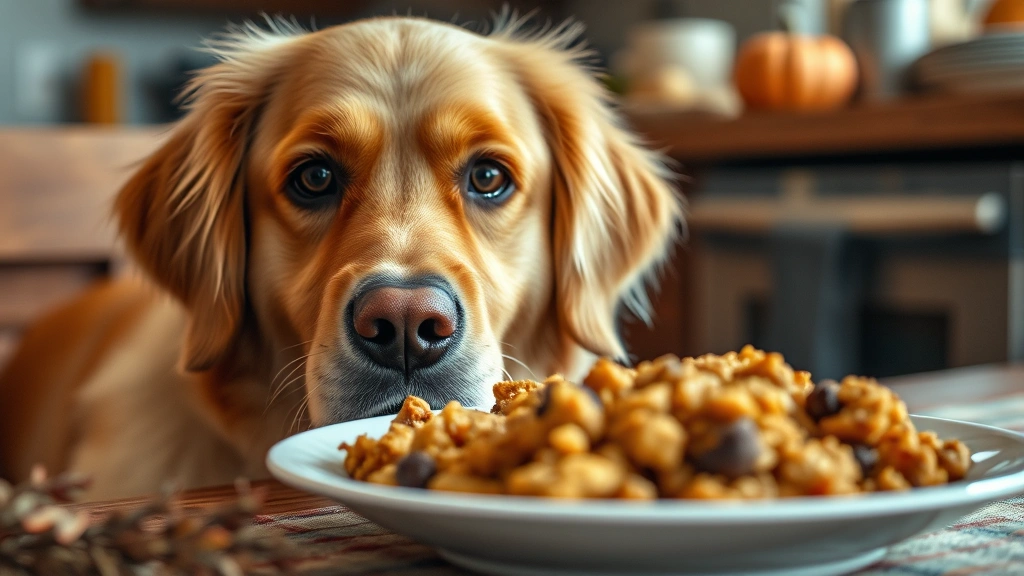
The short answer is no—most commercial and homemade stuffing is not safe for dogs. While the bread base might seem innocent, traditional stuffing recipes contain multiple ingredients that can harm your pet. Even small portions can trigger adverse reactions, and some ingredients can cause life-threatening conditions.
The primary concerns with stuffing include excessive sodium content, toxic seasonings, fatty ingredients that trigger pancreatitis, and potential onion or garlic contamination. Additionally, some stuffing mixes contain artificial additives and preservatives that dogs’ digestive systems cannot process safely. Unlike carrots, which provide nutritional benefits, stuffing offers no redeeming nutritional value for dogs while presenting multiple health hazards.
According to the ASPCA Animal Poison Control Center, they receive thousands of calls annually about dogs ingesting harmful holiday foods. Stuffing frequently appears on the list of problematic dishes, particularly when it contains alliums like onions and garlic.

Dangerous Ingredients in Stuffing
Understanding exactly what makes stuffing hazardous helps you protect your dog and make informed decisions about holiday meals. Most stuffing recipes contain a combination of risky ingredients.
Onions and Garlic
These are the most dangerous stuffing components for dogs. Both onions and garlic contain compounds called thiosulfates that damage dogs’ red blood cells, causing hemolytic anemia. This condition can develop even from small amounts consumed over time or in larger single doses. Symptoms include weakness, lethargy, vomiting, and pale gums. If your dog accidentally eats stuffing containing onions or garlic, contact your veterinarian immediately.
Excessive Sodium
Stuffing, especially commercial mixes, contains dangerously high salt levels. Dogs require far less sodium than humans—the AAFCO (Association of American Feed Control Officials) recommends only 0.3% sodium in adult dog food. A single serving of stuffing can exceed a small dog’s entire daily sodium requirement. High sodium intake leads to hypernatremia (sodium ion poisoning), causing excessive thirst, vomiting, lethargy, and in severe cases, neurological damage.
Seasonings and Spices
Traditional stuffing relies on herbs and spices that irritate canine digestive systems. Sage, thyme, rosemary, and black pepper can cause gastrointestinal upset. Some spices also contain volatile oils that are toxic to dogs at concentrated levels. While a tiny amount might not cause severe harm, the cumulative effect of multiple seasonings in one dish poses genuine risks.
High Fat Content
Butter, oils, and fatty broth used in stuffing recipes significantly increase fat content. High-fat meals trigger pancreatitis in dogs, a serious inflammatory condition of the pancreas. Pancreatitis causes severe abdominal pain, vomiting, diarrhea, and can become life-threatening. Certain breeds, including Miniature Schnauzers and Cocker Spaniels, show genetic predisposition to this condition.
Bread and Carbohydrates
While bread alone isn’t toxic, the refined carbohydrates in stuffing provide empty calories and can contribute to obesity. Additionally, if the dough wasn’t fully cooked or if raw dough is accidentally consumed, it can expand in the stomach and cause bloating or gastric dilatation-volvulus (GDV), a life-threatening emergency.
Artificial Additives
Commercial stuffing mixes often contain preservatives, artificial flavors, and other additives designed for human consumption. Dogs’ livers and kidneys must work harder to process these substances, potentially causing long-term health issues.

Symptoms of Stuffing Toxicity
If your dog accidentally consumes stuffing, watch carefully for these warning signs and contact your veterinarian if any develop:
- Gastrointestinal symptoms: Vomiting, diarrhea, loss of appetite, or abdominal pain appearing within 1-24 hours
- Lethargy: Unusual tiredness or lack of interest in normal activities
- Excessive thirst and urination: Indicating potential sodium toxicity
- Pale gums: Suggesting possible anemia from onion/garlic exposure
- Weakness: Difficulty standing or walking normally
- Rapid breathing: Labored respiration or panting at rest
- Drooling: Excessive salivation or difficulty swallowing
The severity depends on your dog’s size, the amount consumed, and specific ingredients present. A large dog eating a small bite of plain bread-based stuffing might experience mild symptoms, while a small dog consuming seasoned stuffing with onions could face serious complications.
Safe Stuffing Alternatives
Your dog doesn’t need to miss holiday celebrations. Several safe alternatives let them enjoy treats without health risks.
Plain Cooked Vegetables
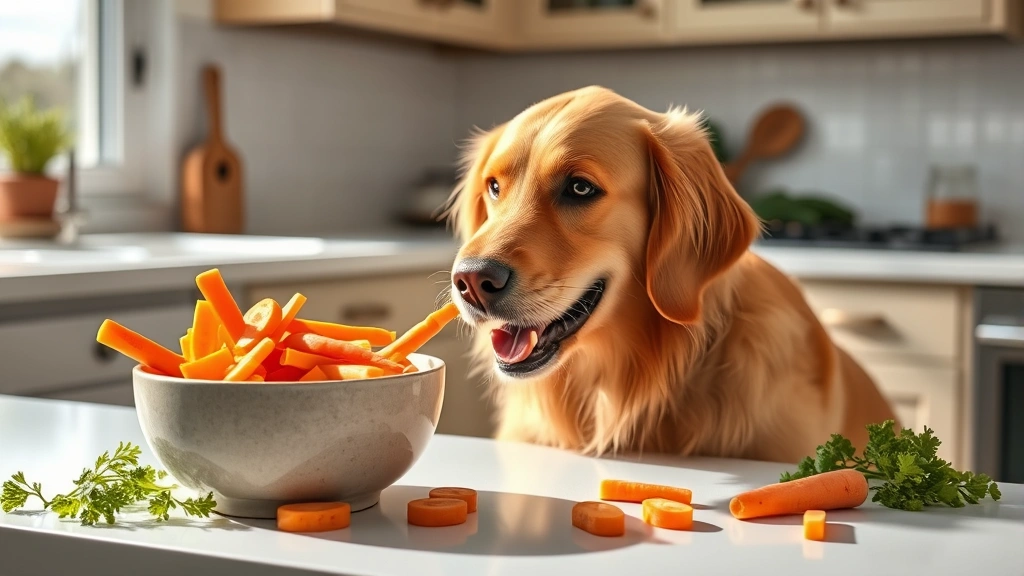
Dogs can safely enjoy many holiday vegetables when prepared correctly. Broccoli in small amounts, corn kernels, and carrots make excellent treats. Carrots offer additional dental benefits and are particularly dog-friendly. Prepare these plain without butter, salt, or seasoning.
Plain Turkey or Chicken
Unseasoned, skinless turkey or chicken breast provides lean protein dogs love. Remove all bones, which splinter and cause choking or intestinal blockages. Avoid any meat cooked with garlic, onions, or excessive salt.
Sweet Potato
Plain cooked sweet potato (no butter or cinnamon sugar) offers fiber, vitamins, and natural sweetness dogs enjoy. Serve in small cubes to prevent choking hazards.
Dog-Specific Treats
Prepare homemade dog-friendly “stuffing” using dog-safe ingredients: cooked brown rice, shredded chicken, finely diced plain vegetables, and low-sodium broth. This mimics stuffing’s texture and heartiness without dangerous ingredients.
Cheese (Occasional)
Plain cheese in small amounts is safe for most dogs, though it’s high in fat. Use as an occasional special treat rather than a regular holiday staple.
Holiday Meal Safety Tips
Protecting your dog during holiday gatherings requires proactive planning and communication with family members.
Inform Guests About Canine Dietary Restrictions
Guests often want to feed your dog as a gesture of affection. Before the meal, explicitly tell everyone which foods are off-limits. Provide a list of safe alternatives they can offer instead. Younger children especially need clear instructions about what dogs can and cannot eat.
Create a Dog-Free Zone During Meals
Keep your dog in a separate room while eating. This prevents accidental consumption of dropped food and reduces begging behaviors that become difficult to manage. Provide your dog with appropriate toys and their own special treat to keep them occupied and content.
Secure Garbage and Leftovers
Dogs will investigate trash cans and leftover containers. Store all food waste securely in sealed containers or outside where your dog cannot access them. This prevents unsupervised consumption of potentially toxic foods.
Maintain Normal Feeding Schedule
Continue feeding your dog at their regular times, even during holiday disruptions. Consistent meals help prevent begging and maintain digestive health. Don’t skip regular meals to “make room” for treats.
Know Your Veterinarian’s Emergency Contact
Before the holiday, locate your vet’s emergency number or nearest emergency clinic. If your dog ingests something toxic, rapid professional intervention can mean the difference between a minor incident and a serious medical crisis. Many veterinary clinics have reduced holiday hours, so plan ahead.
Avoid Alcohol and Xylitol
Beyond stuffing, ensure guests know that alcohol and foods containing xylitol (artificial sweetener) are deadly to dogs. These aren’t typically in stuffing but often appear in holiday desserts and beverages.
FAQ
Can dogs eat a small bite of stuffing?
Even small bites pose risks. A single bite might not cause serious harm to a large dog, but it could trigger problems in small breeds or dogs with sensitive stomachs. The safest approach is avoiding stuffing entirely, regardless of portion size.
What if my dog ate stuffing by accident?
Monitor your dog closely for 24-48 hours, watching for vomiting, diarrhea, lethargy, or other symptoms. Contact your veterinarian if any signs develop. If you know the stuffing contained onions or garlic, call your vet immediately even without symptoms, as damage can develop over time.
Is homemade stuffing safer than store-bought?
Homemade stuffing is only safer if you specifically prepare it without onions, garlic, excessive salt, and heavy seasonings—essentially making it quite different from traditional stuffing. Most homemade recipes still contain problematic ingredients, so it’s not significantly safer for dogs.
Can dogs eat plain bread stuffing?
Plain bread, while not toxic, isn’t ideal for dogs. It offers no nutritional benefit and can contribute to obesity. Additionally, most stuffing mixes contain seasonings and additives even if they appear plain. If your dog ate plain bread once, they’ll likely be fine, but it shouldn’t become a regular treat.
What’s the difference between stuffing and dressing?
Stuffing and dressing are essentially the same thing—bread-based side dishes with vegetables, broth, and seasonings. Traditionally, stuffing is cooked inside poultry while dressing is cooked separately, but the ingredients and risks for dogs are identical. Both should be avoided.
Are there dog breeds more sensitive to stuffing ingredients?
Small breeds suffer more severely from toxic ingredients because the same amount represents a larger dose relative to body weight. Additionally, breeds predisposed to pancreatitis (Miniature Schnauzers, Cocker Spaniels, Dachshunds) face elevated risks from high-fat foods. Senior dogs and those with existing digestive issues also show increased sensitivity.
What should I do if my dog shows symptoms after eating stuffing?
Contact your veterinarian or emergency clinic immediately. Bring information about what your dog ate, when they ate it, and how much if possible. Your vet may recommend monitoring, induced vomiting, activated charcoal, IV fluids, or hospitalization depending on the situation. Don’t wait to see if symptoms resolve on their own.