

Can Dogs Eat Thyme?
As a responsible dog owner, you naturally want to share the goodness of healthy foods with your beloved canine companion. Herbs like thyme are staples in many kitchens, and it’s reasonable to wonder if they’re safe for dogs to consume. Thyme is a Mediterranean herb known for its aromatic properties and culinary uses, but when it comes to our four-legged friends, we need to exercise caution and understand the facts before offering it to them.
According to the American Kennel Club’s guidance on herbs for dogs, certain herbs can be beneficial while others require careful consideration. Thyme falls into a category that requires understanding both the benefits and potential risks. The question isn’t simply yes or no—it’s more nuanced than that. In this comprehensive guide, we’ll explore everything you need to know about thyme and dogs, including safe preparation methods, potential health benefits, and when thyme might pose a risk to your furry friend.
Understanding your dog’s nutritional needs and what foods are safe is crucial for their long-term health and happiness. This article will provide you with the expert knowledge needed to make informed decisions about incorporating thyme into your dog’s diet.
Table of Contents

What is Thyme?
Thyme is a small-leafed herb that belongs to the mint family (Lamiaceae). It’s native to the Mediterranean region and has been used in cooking and traditional medicine for thousands of years. The plant produces delicate purple, pink, or white flowers and is valued for its strong, distinctive flavor that adds depth to countless dishes. Common varieties include common thyme, lemon thyme, and creeping thyme, each with slightly different flavor profiles and characteristics.
In culinary applications, thyme is often used fresh, dried, or as an essential oil. The leaves contain various compounds including thymol, carvacrol, and other volatile oils that give thyme its characteristic aroma and taste. These same compounds are responsible for many of thyme’s medicinal properties, which humans have exploited for centuries. When considering whether to give thyme to your dog, it’s important to understand which form you’re offering and in what quantity.
Is Thyme Safe for Dogs?
The short answer is: yes, plain thyme in small quantities is generally safe for dogs. However, there are important caveats to this statement. According to PetMD’s expert guidance on thyme for dogs, the safety of thyme depends heavily on the form in which it’s given and the amount consumed. Fresh thyme in small quantities poses minimal risk to most healthy dogs, while concentrated forms like essential oils can be problematic.
The ASPCA does not list thyme as a toxic substance for dogs, which is a positive indicator. However, this doesn’t mean unlimited consumption is appropriate. Dogs have different digestive systems than humans, and what’s safe in moderation can become problematic in larger quantities. Additionally, certain dogs with specific health conditions or sensitivities may need to avoid thyme altogether. It’s always best to consult with your veterinarian before introducing any new food or herb to your dog’s diet.
If you’re considering adding thyme to your dog’s meals, start with very small amounts and monitor your pet closely for any adverse reactions. This cautious approach allows you to determine whether your individual dog tolerates thyme well before increasing the quantity.
Nutritional Benefits of Thyme
Thyme contains several nutrients and compounds that can be beneficial for health. The herb is rich in vitamins A and C, which support immune function and overall wellness. It also contains minerals like iron, manganese, and calcium, though in relatively small quantities due to the tiny amount typically consumed. Beyond basic nutrition, thyme contains antioxidants and anti-inflammatory compounds that may provide additional health benefits.
One of thyme’s most notable components is thymol, a natural compound with antimicrobial properties. Research has shown that thymol can help inhibit the growth of certain bacteria and fungi. For dogs, this could theoretically support oral health or help address minor digestive issues, though more research is needed to confirm these benefits in canine nutrition specifically. When considering can dogs have rosemary, another Mediterranean herb, similar beneficial compounds are present.
The anti-inflammatory properties of thyme may also be valuable for dogs, particularly those dealing with joint issues or inflammatory conditions. Some holistic veterinarians recommend small amounts of thyme as part of a comprehensive approach to managing inflammation in aging dogs. However, it’s essential to note that thyme should never replace conventional veterinary treatment for serious health conditions.
How to Safely Prepare Thyme for Dogs
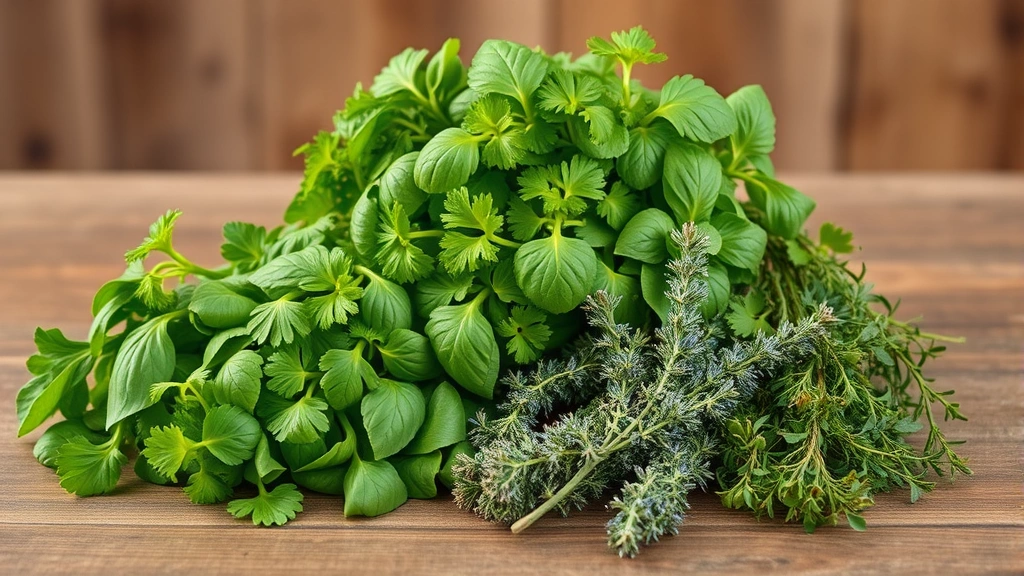
If you’ve decided to offer thyme to your dog, proper preparation is essential. Fresh thyme is the safest form to give your dog. Simply wash it thoroughly to remove any pesticides or contaminants, then chop it finely to prevent choking hazards. You can mix a small pinch of fresh thyme into your dog’s regular food or add it to homemade dog treats. Start with just a tiny amount—a quarter teaspoon for small dogs and up to a half teaspoon for larger breeds.
Dried thyme is also acceptable, though it’s more concentrated than fresh thyme. If using dried thyme, use even smaller quantities than you would with fresh, as the drying process concentrates the essential oils and active compounds. Always ensure the dried thyme is free from additives, salt, and other seasonings that might be harmful to dogs. Many commercial dried herb blends contain ingredients like garlic or onion that are toxic to dogs, so only use pure dried thyme.
Never give your dog thyme essential oil without veterinary guidance. Essential oils are highly concentrated and can cause serious health problems in dogs. The oils can irritate the digestive system, cause neurological issues, and potentially damage the liver. When exploring other safe herbs for your dog, consider is rosemary safe for dogs, which has similar safety considerations to thyme.
Potential Risks and Concerns
While thyme is generally safe in small quantities, there are several situations where you should avoid giving it to your dog. Dogs with gastrointestinal sensitivity or those prone to digestive upset should not consume thyme, as it can stimulate gastric secretions and potentially cause stomach irritation. If your dog has a history of vomiting or diarrhea, consult your veterinarian before offering thyme.
Pregnant or nursing dogs should also avoid thyme, as some research suggests it might affect hormone levels or uterine contractions. Young puppies and elderly dogs with compromised digestive systems should similarly avoid thyme until they’re older or unless specifically recommended by a vet. Dogs with thyroid conditions should also be cautious, as some compounds in thyme may interact with thyroid function.
Thymol toxicity is a theoretical concern with excessive consumption. While small amounts are safe, large quantities of thyme or concentrated thymol can cause central nervous system depression, tremors, or other neurological symptoms in dogs. This is why essential oil is particularly dangerous—just a few drops can contain dangerous concentrations of thymol. Additionally, consider your dog’s overall diet when introducing thyme; if you’re also considering can dogs eat ginger or other herbs, discuss the complete plan with your veterinarian.
Alternative Herbs for Dogs
If you want to add flavorful, nutritious herbs to your dog’s diet but are hesitant about thyme, several alternatives are safe and beneficial. Parsley is an excellent choice and actually helps freshen dog breath naturally. Turmeric, when given in appropriate amounts, offers anti-inflammatory benefits similar to thyme. Basil is another safe herb that most dogs tolerate well and contains beneficial antioxidants.
When exploring safe herbs, it’s important to understand which ones to avoid completely. For instance, can dogs have peppermint is often questioned by dog owners. Additionally, is lavender safe for dogs is another common concern, as is is eucalyptus safe for dogs—all require careful consideration and veterinary guidance.
Some herbs are absolutely toxic and must be avoided entirely. Can dogs eat garlic is a question with a definitive no—garlic belongs to the allium family and is toxic to dogs. Onions, chives, and other alliums can damage red blood cells and cause hemolytic anemia. Always verify that any herb you’re considering is safe before offering it to your dog.
Frequently Asked Questions
Can my dog eat thyme leaves?
Yes, fresh thyme leaves in small quantities are safe for most healthy dogs. A small pinch of finely chopped fresh thyme mixed into regular food is generally well-tolerated. Always introduce it gradually and watch for any signs of digestive upset. However, pregnant dogs, puppies, and dogs with digestive sensitivities should avoid thyme.
Is dried thyme safe for dogs?
Dried thyme is safe for dogs in very small amounts, but it’s more concentrated than fresh thyme so you should use even less. A quarter of what you’d use fresh is a good guideline. Make sure the dried thyme is pure with no added seasonings, salt, or other ingredients that could be harmful.
Can dogs have thyme essential oil?
No, dogs should not have thyme essential oil. Essential oils are highly concentrated and can cause serious health issues including digestive upset, neurological problems, and liver damage in dogs. Always avoid giving your dog any essential oils without explicit veterinary authorization.
What are the symptoms of thyme toxicity in dogs?
While unlikely with small amounts of thyme, signs of toxicity could include vomiting, diarrhea, tremors, lethargy, or neurological symptoms. If you suspect your dog has consumed excessive thyme or thyme essential oil, contact your veterinarian or animal poison control immediately. According to American Humane’s information on thyme for dogs, prompt veterinary attention is crucial in cases of concern.
How much thyme can I give my dog?
For small dogs, limit thyme to a quarter teaspoon of fresh thyme once or twice weekly. Large dogs can have up to a half teaspoon with similar frequency. This should be mixed into their regular food rather than given alone. Always start with smaller amounts to gauge your dog’s tolerance.
Can thyme help with my dog’s digestive health?
While thyme has antimicrobial properties that could theoretically support digestive health, you shouldn’t rely on it as a treatment for digestive issues. If your dog has digestive problems, consult your veterinarian for appropriate treatment rather than attempting home remedies with herbs.
Are there any dog breeds that shouldn’t have thyme?
Dogs with pre-existing health conditions, particularly those affecting the digestive system, thyroid, or those that are pregnant or nursing, should avoid thyme. Certain breeds prone to digestive sensitivity should also be cautious. Your veterinarian can advise based on your dog’s specific health status and breed characteristics.





