

As pet owners, we often find ourselves wondering whether our favorite breakfast foods are safe to share with our four-legged companions. Turkey bacon, marketed as a healthier alternative to traditional pork bacon, frequently catches the attention of dog owners looking for special treats for their pets. The question “can dogs eat turkey bacon” is more complex than it might initially appear, requiring careful consideration of ingredients, preparation methods, and your dog’s individual health needs.
While turkey itself is generally considered a safe and nutritious protein source for dogs, turkey bacon presents unique challenges due to its high sodium content, preservatives, and processing methods. Understanding the difference between plain turkey meat and processed turkey bacon products is crucial for making informed decisions about your dog’s diet and overall health.
What Is Turkey Bacon and How Is It Made?
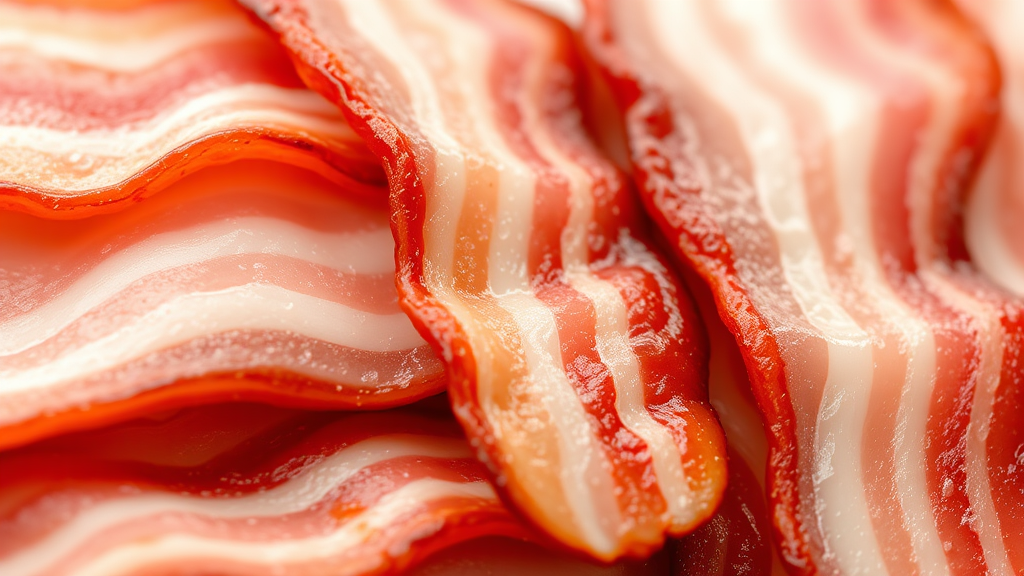
Turkey bacon is a processed meat product designed to mimic the taste and texture of traditional pork bacon while using turkey as the primary protein source. Unlike plain turkey meat, which is naturally lean and healthy for dogs, turkey bacon undergoes extensive processing that significantly alters its nutritional profile and safety for canine consumption.
The manufacturing process typically involves grinding turkey meat, often including both light and dark meat portions, and combining it with various seasonings, preservatives, and binding agents. Manufacturers add significant amounts of sodium, nitrates, and other chemicals to achieve the characteristic bacon flavor and extend shelf life. This processing transforms what would otherwise be a healthy protein into a highly processed food product.
Many pet owners assume that because turkey bacon contains turkey, it’s automatically safer than regular bacon for their dogs. However, the processing methods and additives used in turkey bacon production create potential health risks that don’t exist with plain, cooked turkey meat.
Nutritional Content and Health Implications
A typical serving of turkey bacon contains approximately 30-35 calories per slice, with about 2.5 grams of fat and 3 grams of protein. While these numbers might seem reasonable, the sodium content tells a different story. Most turkey bacon products contain between 180-220 milligrams of sodium per slice, which represents a significant portion of a dog’s recommended daily sodium intake.
The American Kennel Club recommends that dogs consume no more than 100 milligrams of sodium per 100 calories of food. This means that even a small piece of turkey bacon can quickly push your dog beyond safe sodium limits, especially for smaller breeds or dogs with existing health conditions.
Additionally, turkey bacon often contains phosphorus and other minerals that, while not immediately toxic, can contribute to long-term health issues when consumed regularly. The fat content, though lower than traditional bacon, is still concentrated and can contribute to digestive upset or pancreatitis in sensitive dogs.
Safety Concerns for Dogs
The primary safety concerns surrounding turkey bacon for dogs stem from its processed nature rather than the turkey itself. Unlike plain ground turkey, which is generally safe and nutritious for dogs, turkey bacon presents several potential hazards.
One major concern is the cooking method typically used for turkey bacon. Many people cook turkey bacon until it’s crispy, which can create sharp edges that pose a choking hazard or could potentially cause internal injuries if large pieces are swallowed. The high fat content can also trigger acute pancreatitis, a serious condition that requires immediate veterinary attention.
Furthermore, the preservatives and flavor enhancers used in turkey bacon can cause allergic reactions or sensitivities in some dogs. Symptoms might include digestive upset, skin irritation, or behavioral changes. Dogs with existing food allergies or sensitivities are particularly at risk for adverse reactions.
The Sodium Problem: Why High Salt Content Matters
Excessive sodium consumption poses serious health risks for dogs, making the high salt content in turkey bacon particularly concerning. Dogs require much less sodium than humans, and their bodies are not equipped to handle the dramatic sodium spikes that come with processed meats.
According to the American Veterinary Medical Association, excessive sodium intake can lead to increased blood pressure, kidney strain, and cardiovascular stress in dogs. Short-term effects of too much sodium include excessive thirst, increased urination, and potential dehydration. Long-term consumption of high-sodium foods can contribute to kidney disease and heart problems.
Small dogs are particularly vulnerable to sodium toxicity because their smaller body size means that even small amounts of high-sodium foods can have disproportionate effects. A single slice of turkey bacon might contain enough sodium to exceed the daily recommended intake for a small breed dog.
The situation becomes even more serious when considering that many commercial dog foods already contain adequate sodium levels. Adding turkey bacon to a dog’s diet can easily push sodium consumption into dangerous territory, especially if the dog receives other treats or table foods throughout the day.

Preservatives and Additives in Turkey Bacon
Turkey bacon contains numerous preservatives and additives that are safe for human consumption but potentially problematic for dogs. Sodium nitrate and sodium nitrite, commonly used to preserve color and prevent bacterial growth, can cause digestive upset in sensitive dogs and have been linked to various health concerns in long-term studies.
Many turkey bacon products also contain garlic powder or onion powder as flavoring agents. Both garlic and onion are toxic to dogs and can cause hemolytic anemia, a condition where red blood cells are destroyed faster than they can be produced. Even small amounts of these ingredients can be harmful, particularly to smaller dogs or those with pre-existing health conditions.
Sugar and corn syrup are other common additives that serve no nutritional purpose for dogs and can contribute to weight gain, dental problems, and blood sugar spikes. Some turkey bacon products also contain artificial colors and flavors that offer no benefit to dogs and may cause allergic reactions in sensitive individuals.
The FDA Center for Veterinary Medicine notes that while these additives are generally recognized as safe for human consumption, dogs metabolize many substances differently than humans, making some ingredients potentially problematic for canine health.
Safe Alternatives to Turkey Bacon for Dogs
Instead of turkey bacon, consider offering your dog plain, cooked turkey meat as an occasional treat. Fresh turkey breast, prepared without seasonings or additives, provides the protein benefits of turkey without the health risks associated with processed meats. When preparing turkey for your dog, avoid using salt, garlic, onion, or other seasonings that could be harmful.
Other safe protein alternatives include small pieces of cooked chicken breast, lean beef, or fish. These options provide similar satisfaction to dogs without the excessive sodium and preservatives found in processed meats. Always ensure that any meat offered to dogs is fully cooked and free from bones, seasonings, and other potentially harmful additives.
For dogs who enjoy crunchy treats, consider commercial dog treats specifically formulated for canine nutrition. Many high-quality dog treats are made with turkey or other proteins and are designed to meet dogs’ nutritional needs while providing the taste and texture they crave.
It’s worth noting that while beef jerky might seem like another alternative, most commercial jerky products have similar issues with high sodium content and preservatives, making them equally unsuitable for regular canine consumption.
When to Contact Your Veterinarian
If your dog has consumed turkey bacon, monitor them closely for signs of distress or adverse reactions. Immediate symptoms that warrant veterinary attention include vomiting, diarrhea, excessive drooling, lethargy, or signs of abdominal pain such as restlessness or reluctance to move.
Dogs experiencing sodium toxicity may show symptoms including excessive thirst, frequent urination, confusion, or weakness. In severe cases, sodium poisoning can lead to seizures or coma, requiring immediate emergency veterinary care. The Humane Society recommends contacting your veterinarian immediately if you notice any concerning symptoms after your dog consumes high-sodium foods.
Long-term consumption of inappropriate foods like turkey bacon can contribute to chronic health issues including pancreatitis, kidney disease, and cardiovascular problems. Regular veterinary checkups can help identify early signs of these conditions and allow for prompt intervention.
Keep in mind that the risks associated with turkey bacon consumption are similar to those posed by other processed meats. Just as salami and ham are generally not recommended for dogs due to their high sodium and preservative content, turkey bacon falls into the same category of foods that are best avoided.
Frequently Asked Questions
Can dogs eat turkey bacon in small amounts?
While a tiny piece of turkey bacon is unlikely to cause immediate harm to most healthy dogs, it’s not recommended even in small amounts due to the high sodium content and preservatives. The risks generally outweigh any potential benefits, and there are much safer treat alternatives available.
What should I do if my dog ate turkey bacon?
If your dog consumed a small amount of turkey bacon, monitor them for signs of digestive upset or excessive thirst. Provide fresh water and watch for symptoms like vomiting, diarrhea, or lethargy. Contact your veterinarian if you notice any concerning symptoms or if your dog consumed a large amount.
Is turkey bacon safer than regular bacon for dogs?
Turkey bacon is not significantly safer than regular pork bacon for dogs. Both products are high in sodium and contain preservatives that can be harmful to dogs. The processing methods used for both types of bacon create similar health risks for canine consumption.
Can puppies eat turkey bacon?
Puppies should never be given turkey bacon. Their developing digestive systems are more sensitive to high-sodium foods and preservatives. Puppies also have lower body weight, making them more susceptible to sodium toxicity from even small amounts of processed meats.
Are there any dogs that can safely eat turkey bacon?
No dogs should regularly consume turkey bacon due to its high sodium content and preservatives. Even healthy adult dogs without pre-existing conditions face risks from the excessive salt and additives found in turkey bacon products.
What are the signs of sodium poisoning in dogs?
Signs of sodium poisoning include excessive thirst, increased urination, vomiting, diarrhea, lethargy, confusion, and in severe cases, seizures or tremors. According to ASPCA guidelines, any of these symptoms following consumption of high-sodium foods requires immediate veterinary attention.
How is plain turkey different from turkey bacon for dogs?
Plain, cooked turkey is a healthy protein source for dogs when prepared without seasonings or additives. Turkey bacon, however, is heavily processed with high levels of sodium, nitrates, and other preservatives that make it unsuitable for dogs. The difference lies entirely in the processing and additives used in turkey bacon production.





