
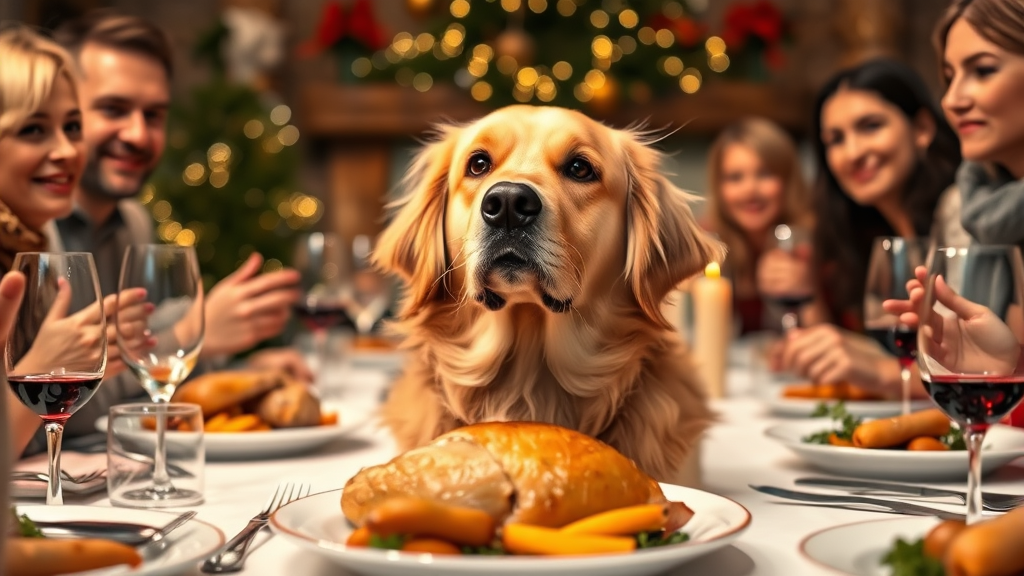
Turkey bones are a serious concern for dog owners, especially during holidays when leftover turkey is abundant. While your furry friend may give you those pleading eyes when you’re carving the holiday bird, turkey bones pose significant risks that every responsible pet owner should understand. The question of whether dogs can eat turkey bones isn’t just about spoiling your pup – it’s a matter of life and death safety.
Many pet parents assume that since dogs are descendants of wolves who ate bones in the wild, all bones must be safe for domestic dogs. However, this dangerous misconception has led to countless emergency veterinary visits and tragic outcomes. Turkey bones, particularly when cooked, become brittle and can splinter into sharp fragments that cause internal injuries, choking, and digestive blockages.
Why Turkey Bones Are Dangerous for Dogs
Turkey bones present multiple serious health risks that can result in emergency surgery or even death. Unlike the sturdy bones that wild canines consume, cooked turkey bones undergo structural changes that make them extremely hazardous. When exposed to heat, the bone matrix becomes brittle and prone to splintering into razor-sharp fragments.
The primary dangers include choking hazards, as turkey bones can become lodged in your dog’s throat, blocking their airway. Additionally, these bones can cause severe damage to the digestive tract, puncturing the esophagus, stomach, or intestinal walls. Such injuries often require immediate surgical intervention and can be fatal if not treated promptly.
Intestinal blockages represent another critical concern. Turkey bone fragments can accumulate in the digestive system, preventing normal bowel movements and causing toxic buildup. This condition, known as intestinal obstruction, requires emergency surgery to remove the blockage and repair any damaged tissue.
Raw vs. Cooked Turkey Bones: Understanding the Difference
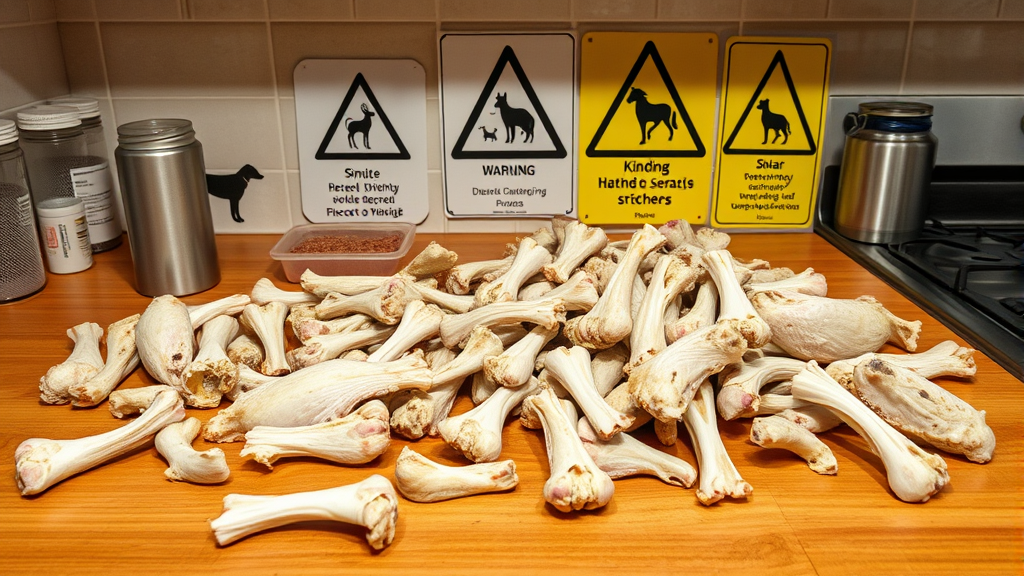
While cooked turkey bones are universally dangerous, raw turkey bones present a more complex situation. Raw bones maintain their natural flexibility and are less likely to splinter, making them somewhat safer than their cooked counterparts. However, this doesn’t mean raw turkey bones are completely safe for all dogs.
The American Veterinary Medical Association warns that raw bones still carry risks, including bacterial contamination, tooth damage, and potential choking hazards. Large turkey bones can break teeth, especially in aggressive chewers, while smaller bones may still pose choking risks for smaller dogs.
Raw turkey bones also harbor harmful bacteria such as Salmonella and E. coli, which can cause serious illness in both dogs and humans who handle the bones. These pathogens can survive on surfaces and contaminate your home environment, putting your entire family at risk of foodborne illness.
Similar to concerns about whether can dogs eat chicken bones, turkey bones require careful consideration regardless of their preparation method.
Signs Your Dog Has Eaten Turkey Bones
Recognizing the warning signs that your dog has consumed turkey bones is crucial for prompt treatment. Immediate symptoms may include excessive drooling, difficulty swallowing, or visible distress while eating or drinking. Your dog may also exhibit signs of choking, such as pawing at their mouth, gagging, or making retching sounds.
Gastrointestinal symptoms typically develop within hours to days after consumption. Watch for vomiting, especially if it contains blood or bone fragments, diarrhea with unusual color or consistency, and loss of appetite. Abdominal pain may manifest as restlessness, reluctance to move, or sensitivity when you touch their belly.
More severe complications can develop over time, including lethargy, dehydration, and inability to defecate normally. If your dog attempts to have bowel movements but produces nothing, or if you notice them straining repeatedly, this could indicate a dangerous intestinal blockage requiring immediate veterinary attention.
According to the ASPCA’s Animal Poison Control Center, any combination of these symptoms following potential bone consumption should be treated as a medical emergency.
What to Do If Your Dog Eats Turkey Bones
If you discover that your dog has eaten turkey bones, resist the urge to induce vomiting unless specifically instructed by a veterinary professional. Vomiting can cause bone fragments to tear the esophagus on their way back up, potentially making the situation worse.
Immediately contact your veterinarian or an emergency animal hospital for professional guidance. Provide specific information about the type and amount of bones consumed, when the incident occurred, and your dog’s current symptoms. This information helps veterinary professionals assess the severity of the situation and determine the most appropriate treatment plan.
While waiting for professional care, monitor your dog closely but avoid giving them food or water unless instructed otherwise. Keep them calm and restrict their activity to prevent further movement of bone fragments through their digestive system. Document any symptoms you observe, as this information will be valuable for the veterinary team.
The treatment approach will depend on various factors, including the size and number of bones consumed, how recently they were eaten, and your dog’s size and overall health. Treatment options may range from monitoring and supportive care to emergency surgery, depending on the circumstances.

Safe Alternatives to Turkey Bones
Fortunately, numerous safe alternatives can satisfy your dog’s natural urge to chew without the risks associated with turkey bones. Commercial dog bones made from compressed rawhide, synthetic materials, or specially processed natural ingredients provide safer options for recreational chewing.
Antler chews, when appropriately sized for your dog, offer a long-lasting and nutritious alternative. These naturally shed antlers are rich in minerals and don’t splinter like cooked bones. However, supervise your dog during chewing sessions and remove any small pieces that could become choking hazards.
Frozen Kong toys filled with healthy treats provide mental stimulation and satisfy the urge to chew while being completely safe. You can fill these durable toys with plain yogurt, peanut butter (xylitol-free), or specially formulated dog treats for hours of safe entertainment.
The general question of whether can dogs eat bones depends heavily on the type and preparation of the bone, but safer manufactured alternatives eliminate these concerns entirely.
Prevention Strategies for Keeping Your Dog Safe
Prevention remains the most effective strategy for protecting your dog from turkey bone injuries. During meal preparation and cleanup, ensure all turkey bones are immediately disposed of in secure, dog-proof containers. Never leave bones unattended on counters, tables, or in trash cans that your dog can access.
Educate all family members and guests about the dangers of feeding turkey bones to dogs. During holidays and gatherings, designate someone to monitor your dog’s interactions with food and ensure no well-meaning visitors offer dangerous treats. Consider using baby gates to restrict your dog’s access to dining areas during meal times.
Establish clear rules about table scraps and stick to them consistently. If you want to share turkey with your dog, remove all bones and offer only small amounts of plain, cooked turkey meat. This approach allows your pet to participate in family meals without the associated risks.
Just as with concerns about whether can dogs have chicken bones or can dogs have ham bones, consistent prevention measures protect your pet from unnecessary danger.
Can Dogs Safely Eat Turkey Meat?
While turkey bones are dangerous, plain turkey meat can be a healthy protein source for dogs when prepared properly. Remove all bones, skin, and seasonings before offering turkey meat to your pet. The skin is high in fat and can cause digestive upset or pancreatitis, while seasonings like garlic, onions, and excessive salt are toxic to dogs.
When preparing turkey for your dog, cook it thoroughly without added oils, butter, or seasonings. Plain, boiled, or baked turkey breast provides excellent protein and essential amino acids that support your dog’s health. Start with small portions to ensure your dog tolerates the new protein source without digestive issues.
The FDA’s Center for Veterinary Medicine recommends treating turkey meat as you would any new food introduction, gradually incorporating it into your dog’s diet while monitoring for adverse reactions.
For those wondering about processed turkey products, can dogs eat ground turkey depends on the ingredients and preparation method, with plain, cooked ground turkey being generally safe in moderation.
Frequently Asked Questions
Are raw turkey bones safer than cooked turkey bones for dogs?
While raw turkey bones are less likely to splinter than cooked ones, they still pose significant risks including bacterial contamination, tooth damage, and potential choking hazards. The Centers for Disease Control and Prevention warns that raw bones can carry harmful bacteria that affect both pets and humans. Most veterinarians recommend avoiding all turkey bones regardless of preparation.
What should I do if my dog swallowed a small turkey bone fragment?
Contact your veterinarian immediately, even for small bone fragments. Do not attempt to induce vomiting unless specifically instructed by a professional, as this can cause additional damage. Monitor your dog closely for signs of distress, difficulty swallowing, vomiting, or changes in bowel movements. Small fragments can still cause serious internal injuries or blockages.
How long after eating turkey bones will symptoms appear in dogs?
Symptoms can appear immediately if the bone causes choking or esophageal obstruction, or they may develop over several days if fragments cause intestinal blockage. Immediate symptoms include difficulty swallowing, excessive drooling, and visible distress. Delayed symptoms such as vomiting, loss of appetite, and abdominal pain may appear 12-72 hours after consumption.
Can turkey bones cause death in dogs?
Yes, turkey bones can be fatal to dogs. They can cause choking, internal bleeding from punctured organs, severe infections from intestinal perforations, and life-threatening blockages. According to veterinary emergency data, bone-related injuries are among the most serious dietary hazards for dogs and often require emergency surgery with varying success rates.
Are there any dog breeds more susceptible to turkey bone injuries?
Smaller dogs face higher risks due to their smaller throats and digestive tracts, making them more prone to choking and blockages. However, large dogs are not immune and may actually consume more bone material, potentially causing more severe damage. Aggressive chewers of any size are particularly at risk, as they may break bones into more dangerous fragments.
What are the veterinary treatment costs for turkey bone ingestion?
Treatment costs vary widely depending on the severity of the case and required interventions. Simple monitoring and supportive care may cost a few hundred dollars, while emergency surgery for intestinal obstruction or perforation can range from $2,000 to $7,000 or more. The Humane Society emphasizes that prevention is always more cost-effective than treatment.
Is it safe to give my dog turkey necks or wings?
Turkey necks and wings contain multiple small bones that can break into sharp fragments, making them particularly dangerous for dogs. These parts are especially problematic because they contain numerous joints and small bones that can separate and cause choking or internal injuries. Even when raw, these turkey parts pose significant risks and should be avoided. Similar to the question of whether can dogs eat bones chicken, the answer is consistently that poultry bones of any type are best avoided.





