

Can Dogs Eat Turnips? A Simple Guide
If you’re wondering whether your furry best friend can munch on turnips, you’ve landed in the right spot! As a dog owner, it’s natural to want to share your healthy snacks with your pup, but not all human foods are created equal when it comes to canine nutrition. Turnips are one of those vegetables that might seem mysterious—they’re not as commonly discussed as carrots or broccoli, but they’re definitely worth understanding.
The good news? Yes, dogs can eat turnips! In fact, turnips can be a nutritious addition to your dog’s diet when prepared properly. These humble root vegetables are low in calories, packed with fiber, and contain several vitamins and minerals that support canine health. But like any food introduction, there are important guidelines to follow to keep your pup safe and healthy.
Whether you’re looking to add variety to your dog’s meals, searching for low-calorie treat options, or simply curious about what’s safe to share from your kitchen, this comprehensive guide will answer all your questions about turnips and dogs.
Nutritional Benefits of Turnips for Dogs
Turnips are nutritional powerhouses that offer several health benefits for your canine companion. These root vegetables are composed of approximately 92% water, making them an excellent hydrating snack, especially during warmer months. Beyond hydration, turnips deliver a solid nutritional profile that supports various aspects of your dog’s health.
One of the standout features of turnips is their high fiber content. Fiber plays a crucial role in digestive health, helping to regulate your dog’s bowel movements and maintain a healthy gut. This makes turnips particularly useful if your dog experiences occasional digestive irregularities. The natural fiber content also promotes feelings of fullness, making turnips an ideal choice for dogs watching their waistline.
Turnips are also rich in vitamin C, an antioxidant that supports immune function and helps protect your dog’s cells from damage. Additionally, these vegetables contain potassium, which is essential for heart health and proper muscle function. The presence of manganese in turnips supports bone development and metabolism, making them particularly beneficial for growing puppies and senior dogs alike.
Another advantage of turnips is their extremely low calorie content—just 36 calories per cup of raw turnips. This makes them perfect for dogs on weight management programs or those who need healthy, low-calorie treats. If you’re concerned about your dog’s weight, turnips are far superior to many commercial treats loaded with artificial ingredients and excessive calories.
It’s worth noting that turnips contain compounds called glucosinolates, which are sulfur-containing compounds found in cruciferous vegetables. While these compounds have potential health benefits, they should only be consumed in moderation, which we’ll discuss further in the serving guidelines section.
How to Prepare Turnips for Your Dog
Preparation is key when introducing any new food to your dog’s diet, and turnips are no exception. The way you prepare this vegetable can significantly impact its digestibility and safety for your furry friend.
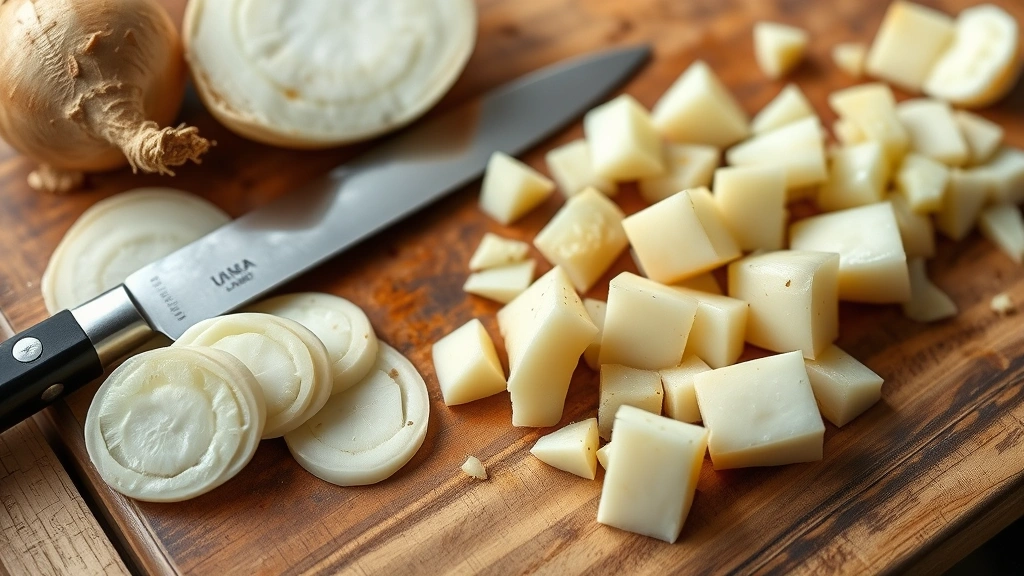
Raw Turnips: Raw turnips are completely safe for dogs and actually retain more nutrients than cooked versions. If serving raw, wash the turnip thoroughly under running water to remove any dirt and pesticides. Cut the turnip into appropriate-sized pieces based on your dog’s size—think bite-sized chunks for small breeds and larger pieces for bigger dogs. Always remove any leaves or greens attached to the turnip, as these can be harder to digest.
Cooked Turnips: Cooking turnips makes them softer and easier for some dogs to digest, particularly seniors or those with sensitive stomachs. Simply boil turnips in plain water without adding salt, butter, garlic, or onions—these additions can be harmful to dogs. Steam is another excellent cooking method that preserves more nutrients than boiling. Cook until the turnip is soft enough to easily pierce with a fork, then cut into appropriate portions.
Mashed Turnips: For dogs with dental issues or difficulty chewing, mashed turnips are a great option. Boil and mash the turnips with no added ingredients. This preparation method is particularly useful for senior dogs or those recovering from dental procedures. You can serve mashed turnips on their own or mix them into their regular kibble for added nutrition and palatability.
What NOT to Do: Never serve turnips with seasoning, including salt, garlic, or onions. Garlic and onions are toxic to dogs and can damage their red blood cells. Avoid adding butter, oils, or cream, as these can cause digestive upset and contribute unnecessary calories. Skip turnips prepared in any way that involves processed ingredients or additives.
Serving Guidelines and Portion Sizes
Understanding proper portion sizes is essential to keeping your dog healthy and preventing potential digestive issues. While turnips are safe for dogs, moderation is important due to their fiber content and the glucosinolates mentioned earlier.
The general rule of thumb is that treats and supplemental foods should make up no more than 10% of your dog’s daily caloric intake, with their regular balanced diet comprising the remaining 90%. This means turnips should be offered as an occasional treat or dietary supplement, not as a meal replacement.
For Small Dogs (under 25 lbs): Offer no more than a quarter cup of turnip pieces, 2-3 times per week. Start with even smaller amounts when first introducing turnips to gauge your dog’s tolerance.
For Medium Dogs (25-50 lbs): A half cup of turnip pieces, 2-3 times per week is appropriate. Again, introduce gradually to monitor for any digestive changes.
For Large Dogs (over 50 lbs): Up to one cup of turnip pieces, 2-3 times per week is generally safe. Larger dogs have more robust digestive systems, but they still benefit from the moderation principle.
When first introducing turnips to your dog’s diet, start with very small amounts—just a tablespoon or two. Monitor your dog for the next 24-48 hours for any signs of digestive upset, such as vomiting, diarrhea, or excessive gas. If your dog tolerates the initial serving well, you can gradually increase to the recommended amounts.
If your dog has a sensitive stomach or existing digestive conditions, consult with your veterinarian before adding turnips to their diet. You might also want to explore how what to feed a dog with diarrhea compares when considering vegetable options for sensitive pups.
Potential Risks and Precautions
While turnips are generally safe for dogs, there are several important considerations and potential risks to be aware of before making them a regular part of your dog’s diet.
Digestive Upset: The high fiber content in turnips, while beneficial, can cause digestive upset if introduced too quickly or fed in excessive quantities. Some dogs may experience gas, bloating, or loose stools. This is particularly true for dogs with sensitive digestive systems. Always introduce turnips gradually and monitor your dog’s response.
Choking Hazard: Large pieces of raw turnip can pose a choking risk, especially for enthusiastic eaters or smaller breeds. Always cut turnips into appropriately sized pieces. For very small dogs or those prone to gulping food without chewing, consider serving cooked and mashed turnips instead.
Glucosinolates: While present in small amounts, glucosinolates can interfere with iodine absorption if consumed in large quantities over extended periods. This is why moderation is crucial. Dogs receiving adequate iodine through their regular diet should have no issues with occasional turnip consumption.
Individual Allergies: Though rare, some dogs may have sensitivities or allergies to turnips. Signs of an allergic reaction include itching, hives, swelling, difficulty breathing, or gastrointestinal distress. If you notice any of these symptoms after serving turnips, discontinue immediately and contact your veterinarian.
Pesticide Residue: Always wash turnips thoroughly before serving, whether raw or cooked. If possible, purchase organic turnips to minimize pesticide exposure. Peel the skin if you’re concerned about residues, though this removes some nutrients.
For dogs with specific health conditions, such as thyroid issues or those taking certain medications, it’s wise to consult your veterinarian before introducing turnips. Similarly, if your dog is on a prescription diet for medical reasons, check with your vet before adding any new foods.
Similar Vegetables Your Dog Can Enjoy
If your dog enjoys turnips or you’re looking to diversify their vegetable intake, several other safe options provide similar nutritional benefits. Understanding which vegetables are safe helps you create variety in your dog’s diet while maintaining nutritional balance.
Carrots are excellent alternatives to turnips, offering similar crunch and nutritional value with the added benefit of supporting dental health through their natural abrasive action. Carrots are also safe for puppies and can be frozen for a refreshing treat.
Another great option is broccoli, which dogs can safely enjoy in small quantities. Like turnips, broccoli should be served in moderation due to its glucosinolate content, but it offers excellent vitamin C and fiber.
If you’re interested in root vegetables specifically, potatoes are good for dogs when cooked properly and served without seasoning. They’re more calorie-dense than turnips but provide excellent carbohydrates and potassium.
For a sweeter vegetable option, sweet potatoes are safe for dogs and provide additional beta-carotene and antioxidants. Many dogs find sweet potatoes more palatable than regular turnips.
Other safe vegetable options include green beans, peas, pumpkin, and zucchini. Each vegetable offers unique nutritional benefits, so rotating between different options keeps your dog’s diet interesting and ensures they receive a broader spectrum of nutrients.
Remember that determining how much food to feed your dog involves considering all treats and supplements, not just their main meals. When adding vegetables to your dog’s diet, ensure they don’t exceed that 10% treat threshold.
Frequently Asked Questions
Can puppies eat turnips?
Yes, puppies can eat turnips, and the nutrients they provide are beneficial for growing dogs. However, start with very small amounts and ensure pieces are appropriately sized to prevent choking. Young puppies have developing digestive systems, so introduce turnips gradually and monitor for any adverse reactions. Consult your veterinarian before making significant dietary changes for puppies, especially those on prescription growth formulas.
Are turnip greens safe for dogs?
Turnip greens are technically safe for dogs in small quantities, but they’re tougher to digest than the root itself and can cause gastrointestinal upset. The greens also contain higher concentrations of compounds that may interfere with iodine absorption. It’s best to remove greens before serving turnips to your dog and focus on the root vegetable instead.
Can dogs eat raw or cooked turnips?
Both raw and cooked turnips are safe for dogs. Raw turnips retain more nutrients but may be harder for some dogs to digest, while cooked turnips are softer and easier on the digestive system. Choose based on your individual dog’s preferences and digestive tolerance. Raw turnips can also provide dental benefits through the natural chewing action.
How often can I give my dog turnips?
Turnips can be offered 2-3 times per week as part of a balanced diet, with portion sizes based on your dog’s weight and caloric needs. They should never replace your dog’s regular balanced meals but rather serve as an occasional supplement or treat. Monitor your dog’s overall health and adjust frequency based on their individual tolerance and digestive response.
What should I do if my dog eats a large amount of turnips?
If your dog accidentally consumes an excessive amount of turnips, monitor them closely for signs of digestive upset such as vomiting, diarrhea, abdominal pain, or excessive gas. In most cases, mild digestive upset will resolve within 24-48 hours. If symptoms persist, worsen, or your dog shows signs of distress, contact your veterinarian. Provide plenty of fresh water and consider temporarily offering bland, easily digestible foods.
Can dogs with diabetes eat turnips?
Turnips are an excellent choice for diabetic dogs due to their low sugar content and low glycemic index. The fiber content helps regulate blood sugar levels, making them a safer vegetable option than higher-sugar alternatives. However, always consult your veterinarian before making dietary changes for dogs with diabetes, as individual needs vary based on medication and overall health status.
Are there any dog breeds that shouldn’t eat turnips?
There are no specific dog breeds that should avoid turnips entirely. However, dogs with sensitive digestive systems, those prone to bloating (like deep-chested breeds), or those with specific health conditions should have turnips introduced carefully and in consultation with a veterinarian. Individual dogs may have unique sensitivities regardless of breed.





