
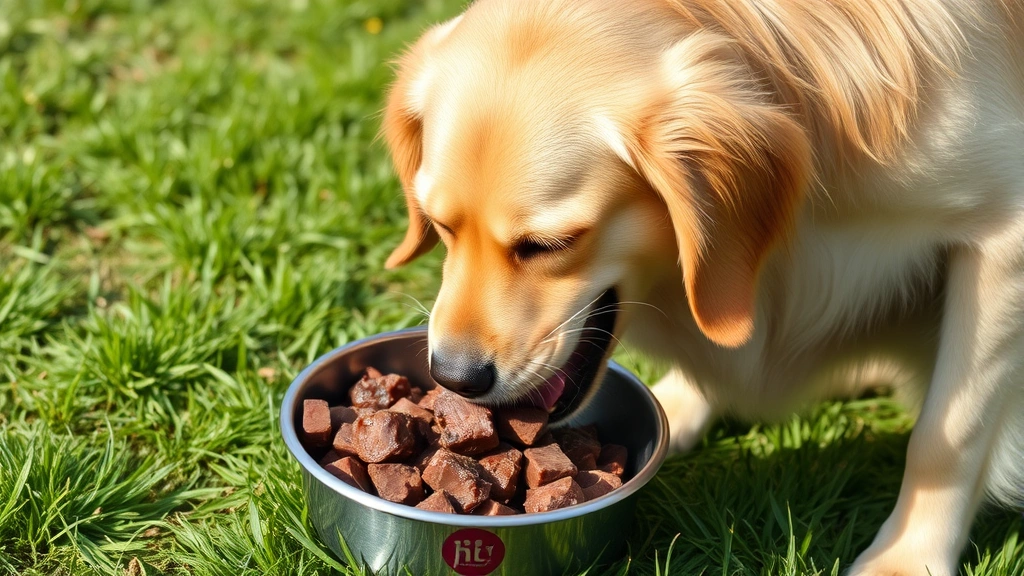
Can Dogs Eat Venison? A Nutritious Choice Explained
If you’re a dog owner who loves the outdoors, hunts, or simply wants to explore unique protein sources for your furry friend, you’ve probably wondered: can dogs eat venison? The short answer is yes! Venison can be an excellent and nutritious addition to your dog’s diet. But like any new food, there are important guidelines to follow to ensure your pup enjoys this lean meat safely and healthily.
Venison, the meat from deer, has been gaining popularity among pet owners seeking premium protein sources for their canine companions. It’s leaner than many conventional meats, packed with essential nutrients, and often easier on sensitive digestive systems. Whether you’re considering venison as an occasional treat or as part of a regular rotation in your dog’s meal plan, this comprehensive guide will walk you through everything you need to know.
In this article, we’ll explore the nutritional benefits of venison for dogs, discuss preparation methods, address potential risks, and answer your most pressing questions about feeding this game meat to your beloved pet. Let’s dive into what makes venison such a compelling choice for canine nutrition.
Nutritional Benefits of Venison for Dogs
Venison stands out as a nutritional powerhouse for dogs. This game meat is exceptionally lean, containing significantly less fat than beef or pork, making it an ideal choice for dogs with weight management concerns or those prone to pancreatitis. The protein content in venison is substantial and highly bioavailable, meaning your dog’s body can efficiently absorb and utilize it for muscle maintenance and repair.
One of the most compelling reasons to consider venison is its rich mineral and vitamin profile. Venison contains essential B vitamins, particularly B12 and niacin, which support energy metabolism and neurological function. It’s also an excellent source of iron, selenium, and zinc—nutrients that play crucial roles in immune function, thyroid health, and cellular repair. When compared to chicken and other common proteins, venison offers a more complete nutrient density.
The amino acid profile in venison is particularly impressive. Dogs require all ten essential amino acids, and venison provides them in optimal proportions. This makes it especially beneficial for active dogs, senior dogs requiring muscle maintenance, and puppies in their growth phases. Additionally, venison is often considered a novel protein, meaning many dogs haven’t been exposed to it before, making it an excellent option for dogs with food sensitivities or allergies to more common proteins like chicken or beef.
Many veterinarians recommend venison as part of a rotation diet, where you periodically switch between different protein sources. This approach can help prevent the development of food sensitivities and keeps your dog’s meals interesting and varied. Unlike ground beef, which some dogs consume regularly, venison’s relative novelty in commercial dog food means it’s less likely to trigger allergic reactions in sensitive pups.
How to Safely Prepare Venison for Dogs
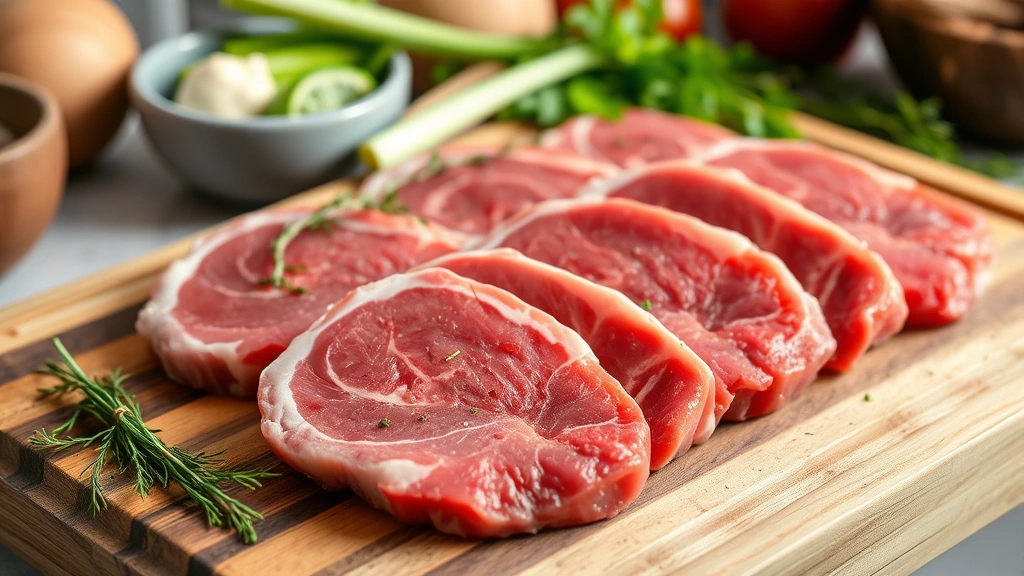
Proper preparation is absolutely critical when feeding venison to your dog. The method you choose depends on whether you’re offering raw, cooked, or commercially processed venison. Each approach has distinct advantages and considerations that every responsible dog owner should understand.
Cooked Venison: Cooking venison is the safest option for most pet owners. You can prepare it by boiling, baking, or grilling without any added seasonings, salt, or oils. Boiling is particularly gentle and helps remove excess fat. Simply simmer venison until it reaches an internal temperature of 160°F (71°C) to eliminate any potential pathogens. Cut it into appropriate bite-sized pieces based on your dog’s size and chewing ability. This method is ideal if you’re uncertain about your dog’s digestive system or if you prefer a foolproof approach to food safety.
Raw Venison: Some owners follow a raw feeding diet and incorporate raw venison as part of their dog’s nutrition plan. If you choose this route, source venison from reputable hunters or suppliers who follow proper handling protocols. Raw venison should be handled with the same food safety standards as human meat—keep it frozen until ready to serve, thaw properly in the refrigerator, and use it within two days of thawing. However, raw feeding carries inherent risks including bacterial contamination and nutritional imbalances if not carefully planned. Consult with a veterinary nutritionist before switching to a raw diet.
For those interested in raw feeding but concerned about safety, you might explore raw steak alternatives that have been specifically handled for pet consumption. Many pet supply stores now offer frozen raw venison that has been processed under strict safety protocols.
Important Preparation Notes: Never feed your dog venison with bones, especially cooked bones, as they can splinter and cause intestinal blockages or perforations. Remove all fat trimmings before serving, as excessive fat can trigger pancreatitis in susceptible dogs. Avoid any seasoning—no garlic, onions, salt, pepper, or spices. Plain, unseasoned venison is best.
If you’re sourcing venison from a hunter, ensure it was processed in a clean environment and handled properly. Ask about the hunting conditions, storage methods, and any treatments applied to the meat. This information helps you assess potential contamination risks.
Portion Control and Feeding Guidelines
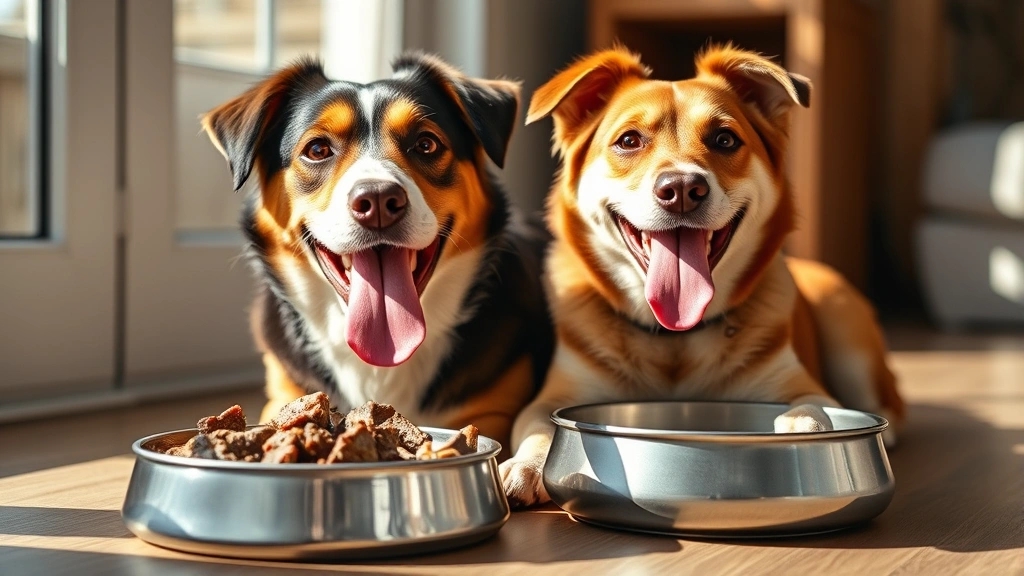
Understanding appropriate portion sizes is essential for maintaining your dog’s overall health and weight. Venison, while lean, still contains calories that contribute to your dog’s daily intake. The amount of venison you should feed depends on several factors including your dog’s age, size, activity level, and overall diet composition.
As a general guideline, protein should comprise about 18-25% of adult dogs’ daily caloric intake, with higher percentages for puppies (22-32%) and senior dogs (18-25%). Venison can serve as the primary protein source or as a supplement to your dog’s regular food. If you’re completely replacing your dog’s normal protein with venison, ensure you’re not creating nutritional imbalances in other areas.
For a 50-pound dog, a reasonable serving of venison would be approximately 2-3 ounces as a meal component or 1-2 ounces as an occasional treat. Smaller dogs (under 25 pounds) should receive 1 ounce or less, while larger dogs (over 75 pounds) can handle 3-4 ounces. These portions should be factored into your dog’s total daily caloric intake. Understanding how much food to feed your dog requires considering all food sources, including treats and table food.
When introducing venison for the first time, start with small amounts—about a teaspoon for small dogs or a tablespoon for larger dogs—mixed into their regular food. Monitor your dog for 24-48 hours for any signs of digestive upset, including vomiting, diarrhea, or constipation. If your dog tolerates it well, you can gradually increase portions over a week or two. This slow introduction helps their digestive system adjust to the new protein source.
Venison should ideally comprise no more than 10-15% of your dog’s daily caloric intake unless it’s part of a complete and balanced commercial diet formulated with venison. Variety is important—rotating between venison, lamb, and other quality proteins ensures your dog receives a broader spectrum of nutrients and reduces the risk of developing sensitivities.
Potential Risks and Concerns
While venison is generally safe for dogs, several potential risks warrant careful consideration. Understanding these concerns helps you make informed decisions about incorporating venison into your dog’s diet.
Parasites and Pathogens: Wild venison can potentially carry parasites like Toxoplasma gondii or bacterial pathogens such as E. coli and Salmonella, especially if not handled properly. This risk is significantly minimized through proper cooking. Always cook venison to an internal temperature of 160°F to eliminate most pathogens. This is why cooked venison is generally recommended for dogs with compromised immune systems, very young puppies, or elderly dogs.
Choking Hazard: Venison bones, whether raw or cooked, pose a serious choking and intestinal blockage risk. Cooked bones become brittle and splinter easily, causing potential internal injuries. Always remove all bones before serving venison to your dog. Even small bone fragments can cause problems.
Fat Content and Pancreatitis: While venison is lean compared to other meats, some dogs—particularly those predisposed to pancreatitis—may react negatively to any additional fat. Trim all visible fat from venison before serving. If your dog has a history of pancreatitis, consult your veterinarian before introducing venison.
Nutritional Imbalances: Feeding exclusively venison without proper supplementation can create nutritional deficiencies. Venison alone doesn’t provide adequate calcium, phosphorus in proper ratios, or certain essential fatty acids. If using venison as a primary protein, ensure it’s part of a balanced diet that includes vegetables, grains, and appropriate supplements.
Allergic Reactions: Though rare, some dogs may develop allergies to venison. Signs include itching, skin rashes, ear infections, or gastrointestinal upset. If you notice these symptoms after introducing venison, discontinue it and consult your veterinarian.
Venison vs. Other Proteins
How does venison stack up against other protein options commonly fed to dogs? Understanding these comparisons helps you make the best choice for your individual pet.
Venison vs. Beef: Venison is significantly leaner than beef, containing about 26% fat compared to beef’s 21-25% depending on the cut. Venison has higher iron content and is often easier for sensitive dogs to digest. However, beef is more readily available and often less expensive. If your dog tolerates beef well and doesn’t have weight concerns, both are excellent protein sources. For weight management or dogs prone to pancreatitis, venison has a clear advantage. Learn more by comparing ground beef options with venison.
Venison vs. Chicken: Chicken is leaner than venison in some cuts but generally contains less micronutrient density. Chicken is good for dogs and offers excellent digestibility, but venison provides superior mineral content. Chicken is also far more common, so dogs are more likely to have prior exposure, making venison better for dogs with chicken sensitivities.
Venison vs. Lamb: Both are excellent proteins, and lamb is a nutritious choice for dogs. Lamb contains slightly more fat than venison and offers different micronutrient profiles. Lamb is warmer in nature according to traditional nutrition theories, while venison is considered more neutral. Both work well in rotation diets.
Venison vs. Fish: Fish provides omega-3 fatty acids that venison lacks, making them complementary rather than competitive proteins. Fish is excellent for coat health and inflammation reduction, while venison excels in bioavailable iron and B vitamins. Ideally, incorporating both into a rotation provides maximum nutritional benefit.
The key to optimal canine nutrition is variety. Rotating between venison and other quality proteins—including deer meat variations—ensures your dog receives a comprehensive nutrient profile and reduces the likelihood of developing food sensitivities.
Frequently Asked Questions
Is venison safe for puppies?
Yes, venison can be safe for puppies when properly prepared and introduced gradually. However, puppies require carefully balanced diets with appropriate calcium-to-phosphorus ratios for proper bone development. If feeding venison to puppies, ensure it’s part of a complete and balanced diet formulated for growth. Cooked venison is preferable to raw for young dogs with developing immune systems. Consult your veterinarian before making significant dietary changes for puppies.
Can dogs with allergies eat venison?
Venison is often recommended for dogs with food allergies because it’s a novel protein that most dogs haven’t been exposed to previously. However, any dog can theoretically develop an allergy to any protein, including venison. If your dog has multiple food allergies, venison may be worth trying under veterinary supervision. Start with small amounts and monitor for allergic reactions.
How often can I feed my dog venison?
Venison can be fed regularly as part of a rotation diet, ideally 2-3 times per week or as a complete meal replacement a few times weekly. The frequency depends on your overall feeding strategy and your dog’s individual needs. If using venison as your dog’s primary protein, ensure it’s part of a nutritionally complete diet. Some owners feed venison once weekly as a special meal.
Is wild venison different from farm-raised venison?
Yes, they differ in several ways. Wild venison tends to be leaner and may carry higher parasite risks if not handled properly. Farm-raised venison is typically more consistent in quality and has lower contamination risk. For safety, farm-raised venison from reputable suppliers is often preferable unless you personally hunt and properly handle the meat.
Can senior dogs eat venison?
Absolutely! Venison is particularly beneficial for senior dogs because it’s lean, protein-rich, and supports muscle maintenance during aging. The bioavailable nutrients in venison support joint health and cognitive function. Cooked venison is preferable for senior dogs to minimize any digestive concerns. Always consult your veterinarian before making dietary changes for senior dogs with existing health conditions.
Should I feed raw or cooked venison?
Cooked venison is generally safer for most dogs and pet owners. It eliminates parasites and bacteria while remaining highly digestible. Raw venison carries inherent risks and should only be considered if you’re following a carefully planned raw diet under veterinary nutritionist guidance. For most dog owners, cooking venison is the best approach.
What if my dog has digestive issues?
Start with very small amounts of cooked venison and introduce it slowly. If your dog has a sensitive digestive system, ensure the venison is lean (all fat trimmed) and plain. Boiled venison is often easier to digest than grilled or baked versions. If digestive problems persist, discontinue venison and consult your veterinarian.





