

As summer temperatures soar and juicy watermelons become a refreshing staple in many households, pet owners often wonder about sharing this delicious fruit with their furry companions. While watermelon flesh is generally safe for dogs in moderation, the question of watermelon peels presents a more complex scenario that requires careful consideration.
Understanding what parts of watermelon are safe for your dog is crucial for responsible pet ownership. The watermelon peel, also known as the rind, poses specific risks that every dog owner should be aware of before offering any part of this popular summer fruit to their canine friend.
Understanding Watermelon Anatomy and Safety
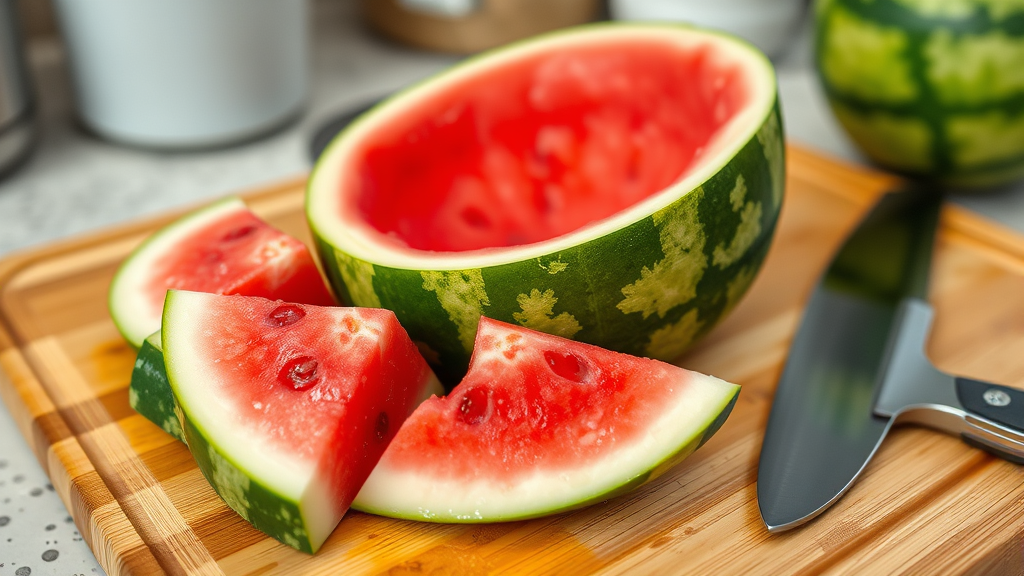
Watermelons consist of three main parts: the sweet red flesh, the white rind (peel), and the hard outer green skin. While the flesh contains beneficial nutrients like vitamins A and C, along with high water content that can help with hydration, the peel presents entirely different challenges for canine digestive systems.
The watermelon peel is significantly tougher and more fibrous than the flesh, making it difficult for dogs to break down properly. Unlike humans, who might occasionally consume small amounts of watermelon rind in pickled form, dogs lack the digestive capabilities to process this tough material effectively. The peel’s composition includes cellulose and other plant fibers that can cause serious complications when consumed by dogs.
According to the American Kennel Club, while watermelon flesh is safe for dogs, pet owners should always remove seeds and rind before offering this fruit to their pets. This guidance stems from documented cases of digestive obstruction and other health complications related to watermelon peel consumption.
The Hidden Dangers of Watermelon Peels
Watermelon peels pose several serious health risks to dogs that extend beyond simple indigestion. The primary concern involves intestinal blockage, which can occur when large pieces of the tough rind become lodged in the digestive tract. This condition, known as gastrointestinal obstruction, can be life-threatening and often requires immediate surgical intervention.
The hard texture of watermelon peels can also damage your dog’s teeth and gums, particularly in smaller breeds or dogs with existing dental issues. Additionally, the peel’s fibrous nature can cause severe stomach upset, including vomiting, diarrhea, and abdominal pain. These symptoms can persist for several days and may require veterinary treatment to resolve.
Another significant concern involves the potential for choking, especially in dogs that tend to gulp their food without proper chewing. The irregular shape and tough consistency of watermelon peels make them particularly hazardous in this regard. Even if successfully swallowed, the peel pieces can cause irritation throughout the digestive system as they slowly move through the intestines.
Digestive System Concerns
Dogs have evolved to digest primarily meat-based diets, and their digestive systems are not optimized for processing tough plant materials like watermelon rinds. The canine digestive tract is shorter than that of herbivores, providing less time for the breakdown of complex plant fibers. This biological limitation makes watermelon peels particularly problematic for dogs.
When dogs consume watermelon peels, their stomachs must work overtime to break down the fibrous material. This increased digestive effort can lead to gastric distress, including excessive gas production, stomach cramps, and irregular bowel movements. The American Veterinary Medical Association emphasizes the importance of providing dogs with appropriate foods that align with their digestive capabilities.
Furthermore, watermelon peels can disrupt the delicate balance of beneficial bacteria in your dog’s gut microbiome. This disruption can lead to longer-term digestive issues and may compromise your pet’s overall immune system function. Similar concerns arise with other fruits and vegetables, which is why it’s important to research whether can dogs eat cucumbers or other produce items before sharing them with your pet.

Safe Watermelon Alternatives for Dogs
Instead of risking your dog’s health with watermelon peels, focus on offering the safe, seedless flesh in appropriate portions. Remove all seeds and rind completely, cutting the flesh into small, manageable pieces that reduce choking risk. The sweet flesh provides hydration and essential nutrients without the dangers associated with the peel.
When introducing watermelon to your dog’s diet, start with very small amounts to monitor for any adverse reactions. Some dogs may have sensitive stomachs or allergies that make even the safe flesh problematic. Always consult with your veterinarian before adding new foods to your pet’s regular diet, especially if your dog has existing health conditions.
Consider other dog-safe fruits as alternatives to watermelon. Just as you might wonder can dogs have cantaloupe or can dogs eat papaya, there are many fruits that can provide similar nutritional benefits when prepared properly. Vegetables like those discussed in articles about whether can dogs eat pumpkin, can dogs eat squash, or can dogs eat zucchini can also offer safe, nutritious options.
Warning Signs and When to Call the Vet
If your dog has consumed watermelon peel, monitor them closely for signs of distress or illness. Immediate symptoms may include excessive drooling, difficulty swallowing, or attempts to vomit without producing anything. These signs could indicate that pieces of peel are lodged in the throat or esophagus, requiring emergency veterinary attention.
Gastrointestinal symptoms typically develop within 6-24 hours of consumption and may include vomiting, diarrhea, loss of appetite, lethargy, and abdominal pain. Dogs experiencing intestinal blockage may show signs of straining to defecate, producing only small amounts of stool, or showing obvious discomfort when their abdomen is touched.
More severe symptoms that warrant immediate veterinary care include persistent vomiting, inability to keep water down, severe abdominal distension, and signs of dehydration such as excessive panting or dry gums. The FDA’s Center for Veterinary Medicine recommends seeking professional help whenever pet owners observe concerning symptoms after their dog has consumed inappropriate foods.
Prevention and Safe Fruit Practices
The best approach to watermelon peel poisoning is prevention through proper food handling and storage practices. Always dispose of watermelon rinds in secure garbage containers that your dog cannot access. Many dogs are opportunistic scavengers and will investigate interesting smells, even in the trash.
When preparing watermelon for human consumption, create a designated area where pets are not allowed, reducing the likelihood of accidental peel consumption. Educate all family members, especially children, about the importance of not sharing watermelon rinds with pets, even if the dog seems interested or begs for a taste.
Consider the same precautions you would take with other questionable foods, similar to how you might research whether can dogs have peaches before offering them to your pet. Establishing consistent rules about human food sharing helps prevent accidental poisoning incidents and promotes better overall pet health.
Regular training can also help prevent food-related accidents. Teaching your dog commands like “leave it” or “drop it” can be invaluable in situations where they encounter potentially harmful foods. The Humane Society offers excellent resources for basic obedience training that can enhance your dog’s safety.
Frequently Asked Questions
Can dogs eat any part of watermelon peel safely?
No, dogs should not eat any part of watermelon peel or rind. The entire peel, including both the white rind and green outer skin, poses risks for intestinal blockage, digestive upset, and choking. Only the seedless red flesh should be offered to dogs, and only in small, appropriate portions.
What should I do if my dog ate watermelon peel?
Monitor your dog closely for the next 24-48 hours for signs of distress including vomiting, diarrhea, loss of appetite, or difficulty defecating. Contact your veterinarian immediately if you notice any concerning symptoms, especially persistent vomiting, abdominal pain, or signs of intestinal blockage.
How much watermelon flesh is safe for dogs?
Watermelon should only be given as an occasional treat, making up no more than 10% of your dog’s daily caloric intake. For most dogs, a few small pieces (about 1-2 inches cubed) are sufficient. Always remove all seeds and rind before offering watermelon to your pet.
Are watermelon seeds dangerous for dogs too?
Yes, watermelon seeds can pose choking hazards and may cause intestinal blockage, especially in smaller dogs. Black seeds are particularly problematic, while white seeds are less dangerous but should still be removed. Always choose seedless watermelon or carefully remove all seeds before sharing with your dog.
Can watermelon peel cause long-term health problems?
If watermelon peel causes intestinal blockage, it can lead to serious complications including tissue death, infection, and potentially life-threatening conditions requiring surgical intervention. Even without complete blockage, repeated consumption of inappropriate foods can cause chronic digestive issues and compromise your dog’s overall health.
What are the signs of intestinal blockage in dogs?
Signs of intestinal blockage include persistent vomiting, inability to defecate or producing only small amounts of stool, loss of appetite, lethargy, abdominal pain or distension, and dehydration. These symptoms require immediate veterinary attention as blockages can be life-threatening.
Are there any dogs that might be more sensitive to watermelon peel?
Small breed dogs, puppies, senior dogs, and those with existing digestive issues are at higher risk for complications from watermelon peel consumption. Dogs with sensitive stomachs or food allergies may also experience more severe reactions. Always consult your veterinarian before introducing new foods, especially if your dog has health concerns.





