Can Dogs Eat White Bread? Vet Advice on Safety and Risks
White bread is a staple in most human households, and it’s natural to wonder if your furry friend can enjoy a slice too. The short answer is: yes, dogs can eat plain white bread in small amounts, but it’s not recommended as a regular treat. While plain white bread isn’t toxic to dogs, it offers minimal nutritional value and can contribute to digestive issues, weight gain, and other health concerns. Understanding the risks and benefits will help you make informed decisions about your dog’s diet.
Many pet owners accidentally share table scraps with their dogs, and white bread often ends up in the mix. Before you toss your pup a piece, it’s important to know what veterinarians say about bread consumption, which ingredients to avoid, and what healthier alternatives exist. This guide covers everything you need to know about feeding white bread to dogs, backed by veterinary insights and practical advice.
Is White Bread Safe for Dogs?
Plain white bread without added ingredients is technically safe for dogs to consume in moderation. Unlike many human foods that are toxic to canines, plain white bread won’t cause immediate poisoning or serious harm. However, “safe” doesn’t mean “recommended.” Veterinarians generally advise against making bread a regular part of your dog’s diet, even if it’s not dangerous.
The key word here is plain. White bread that contains no added sugars, salt, artificial sweeteners, or other additives poses minimal risk in small quantities. A small piece occasionally won’t harm most healthy adult dogs. However, puppies, senior dogs, and those with existing health conditions should avoid bread altogether. Dogs with diabetes, obesity, or gastrointestinal sensitivity are particularly vulnerable to bread’s negative effects.
According to the ASPCA, while plain bread isn’t on their list of toxic foods, it’s still not an ideal food choice for dogs. The organization emphasizes that treats should make up no more than 10% of your dog’s daily caloric intake, and nutritious options are always preferable.

Nutritional Content and Concerns
White bread is primarily composed of refined carbohydrates and provides little nutritional benefit for dogs. A typical slice of white bread contains approximately 80-100 calories, mostly from carbs, with minimal protein and virtually no essential vitamins or minerals that dogs need. Dogs are facultative carnivores, meaning they thrive on protein-rich diets, not carbohydrate-heavy foods.
The refining process used to create white bread strips away most of the beneficial fiber and nutrients found in whole grains. Even the enriched white bread you see in stores has synthetic vitamins added back, which don’t provide the same benefits as naturally occurring nutrients. Your dog would be much better served by vegetables like broccoli or protein-based treats that offer real nutritional value.
Dogs have different nutritional requirements than humans. Their bodies need high-quality protein, healthy fats, and essential amino acids. White bread provides empty calories that contribute to weight gain without supporting your dog’s health. This is especially problematic for dogs already prone to obesity or those with caloric restrictions due to health conditions.
Risks and Side Effects
While plain white bread isn’t toxic, several risks are associated with feeding it to dogs regularly:
- Weight Gain: The high carbohydrate content and lack of satiety can lead to obesity, which triggers numerous health problems including joint disease, diabetes, and heart conditions.
- Digestive Upset: Some dogs experience bloating, gas, or loose stools after eating bread, particularly if their digestive systems are sensitive.
- Blood Sugar Spikes: The refined carbohydrates in white bread cause rapid blood sugar fluctuations, which is especially dangerous for diabetic dogs.
- Choking Hazard: If swallowed without proper chewing, bread can form a dense mass in the throat or esophagus, creating a choking risk.
- Yeast Fermentation: Raw or undercooked bread dough can continue to rise in the stomach, causing dangerous bloating (gastric dilatation-volvulus).
- Nutritional Imbalance: Filling your dog’s stomach with bread means less room for nutrient-dense foods they actually need.
The American Kennel Club confirms that while plain, cooked bread is not harmful, it provides no real benefit and can contribute to weight management issues. They recommend sticking to dog-formulated treats instead.
Dangerous Bread Ingredients
Not all white bread is created equal. While plain white bread is merely unhealthy, certain bread varieties and ingredients are genuinely dangerous for dogs:
Xylitol (Artificial Sweetener): This sweetener, found in many “sugar-free” breads and baked goods, is extremely toxic to dogs. Even small amounts can cause liver failure and hypoglycemia. Always check ingredient labels carefully.
Raisins and Grapes: Some specialty breads contain these fruits, which are toxic to dogs and can cause kidney failure.
Macadamia Nuts: Certain bread varieties include these nuts, which cause toxicity in dogs, leading to weakness, tremors, and hyperthermia.
Chocolate: Any bread containing chocolate should never be given to dogs, as chocolate is toxic to canines.
Garlic and Onions: Found in some savory breads, these ingredients damage red blood cells and cause hemolytic anemia in dogs.
Excess Salt: High-sodium breads can cause electrolyte imbalances and increase thirst, leading to potential sodium ion poisoning in severe cases.
Excess Sugar: Beyond promoting obesity and diabetes, high sugar content feeds harmful bacteria in the mouth and gut.
Always read bread labels thoroughly before offering any to your dog. When in doubt, choose treats specifically formulated for canine consumption.
Portion Guidelines
If you occasionally give your dog plain white bread, portion control is critical. Here are guidelines based on dog size:
- Small Dogs (under 10 lbs): No more than a few small crumbs, once or twice monthly at most
- Medium Dogs (10-50 lbs): A small piece (1-2 inches) no more than once monthly
- Large Dogs (50+ lbs): A standard slice no more than once monthly, if at all
Remember that this treat should count toward the 10% daily treat allowance recommended by veterinarians. If your dog receives a piece of bread, reduce other treats that day to maintain nutritional balance. Better yet, skip bread entirely and use those treat calories for nutritious options.
Puppies should avoid bread completely, as their digestive systems are still developing and they need every calorie to be nutrient-dense for proper growth and development. Senior dogs and those with health conditions should also avoid bread, as their special dietary needs make empty calories particularly problematic.
Healthier Treat Options
Instead of white bread, consider these nutritious alternatives that your dog will love:
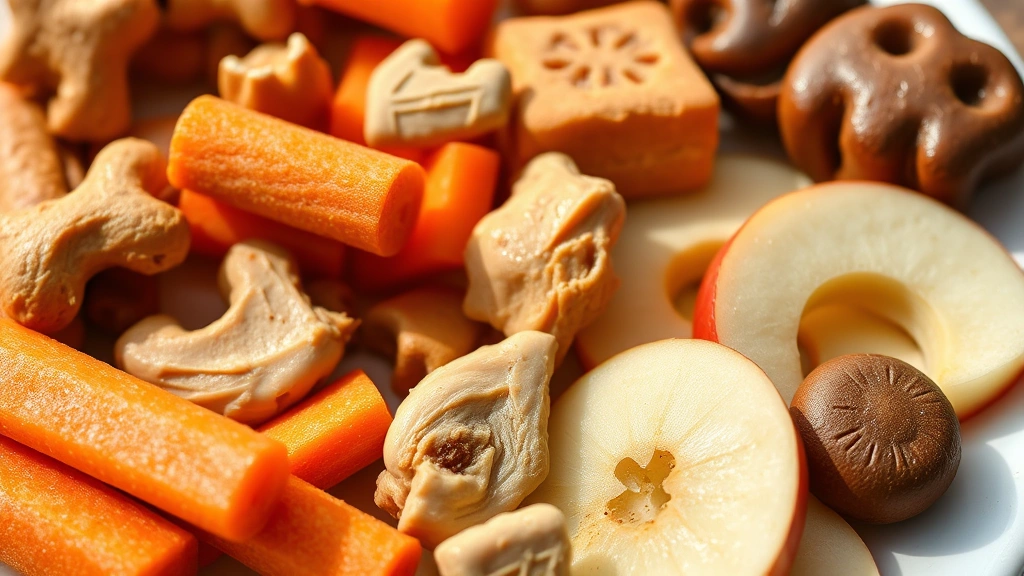
Vegetables: Dogs enjoy many vegetables that provide real health benefits. Carrots are excellent for dental health, corn provides fiber, and cauliflower is low-calorie and nutritious. Carrots are particularly beneficial for both nutrition and teeth cleaning.
Whole Grain Bread: If you must offer bread, whole grain varieties are slightly better than white bread due to higher fiber content, though still not ideal.
Peanut Butter: Plain, xylitol-free peanut butter is a protein-rich treat dogs love. Use sparingly due to high fat content.
Plain Cooked Chicken: Lean, unseasoned chicken provides excellent protein and satisfies most dogs completely.
Apples: Remove seeds and offer sliced apples for a refreshing, low-calorie treat rich in vitamins.
Sweet Potatoes: These provide fiber, vitamins, and a naturally sweet taste dogs enjoy.
Watermelon: Hydrating and low-calorie, watermelon (seeds removed) is perfect for warm days.
Commercial Dog Treats: Choose treats formulated specifically for dogs, made with high-quality ingredients and appropriate portion sizes.
Frozen Treats: Freeze plain yogurt, broth, or pumpkin puree in ice cube trays for healthy, refreshing snacks.
These alternatives provide genuine nutritional benefits while satisfying your dog’s desire for treats and variety in their diet.
FAQ
Can dogs eat whole wheat bread?
Whole wheat bread is marginally better than white bread due to higher fiber content and more nutrients, but it’s still not recommended as a regular treat. The same portion guidelines apply, and it should be plain with no added ingredients. Whole wheat bread is less likely to cause blood sugar spikes than white bread, but it’s still primarily carbohydrates with limited nutritional value for dogs.
What if my dog ate an entire loaf of bread?
If your dog consumed a large quantity of plain white bread, monitor them closely for signs of bloating, vomiting, or lethargy. Contact your veterinarian if you notice these symptoms. However, a single loaf of plain bread typically won’t cause serious harm to an adult dog, though it may cause digestive upset. If the bread contained xylitol, raisins, chocolate, or other toxic ingredients, seek immediate veterinary care.
Is bread dough dangerous for dogs?
Yes, raw bread dough is particularly dangerous. As yeast ferments, it produces gas that expands in the stomach, potentially causing gastric dilatation-volvulus (bloat), a life-threatening emergency. Additionally, the fermentation process produces alcohol, which is toxic to dogs. Never allow your dog access to rising bread dough.
Can dogs eat white bread with seeds?
Bread with seeds is riskier than plain white bread. While some seeds are safe, others are toxic to dogs. Sunflower seeds are generally okay in small amounts, but sesame seeds can cause digestive upset. It’s safest to avoid seeded breads entirely and stick to plain varieties if you must offer bread at all.
Do vets recommend bread for dogs with sensitive stomachs?
No. Dogs with sensitive stomachs should avoid bread, as it can trigger bloating, gas, and diarrhea. The refined carbohydrates don’t provide the easily digestible nutrition these dogs need. Instead, consult your veterinarian about prescription diets or bland foods specifically formulated for digestive sensitivity.
Is white bread okay as an occasional training treat?
While technically possible, white bread is a poor choice for training treats. Training treats should be small, high-value, and nutrient-dense to maintain your dog’s focus without disrupting their daily caloric intake. Protein-based treats, small pieces of chicken, or commercial training treats are far superior options that won’t compromise your dog’s health or training effectiveness.