
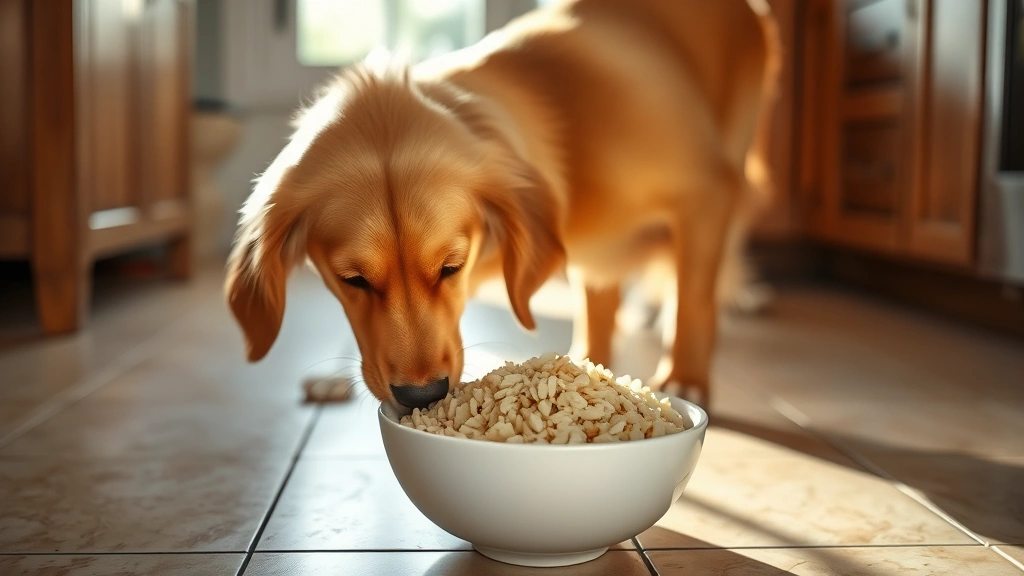
Can Dogs Eat Wild Rice? A Nutritional Guide
If you’ve ever wondered whether your furry friend can join you for a bowl of wild rice, you’re not alone! As pet parents become increasingly conscious about what goes into their dog’s bowl, questions about alternative grains have become more common. The good news? Yes, dogs can eat wild rice, and it can actually be a nutritious addition to their diet when prepared properly.
Wild rice has gained popularity in recent years as a health-conscious grain alternative for humans, but many dog owners are curious about whether their canine companions can benefit from it too. Unlike some human foods that are off-limits for dogs, wild rice is generally safe and can offer several nutritional benefits. However, like any new food introduction, there are important guidelines to follow to ensure your pup stays happy and healthy.
In this comprehensive guide, we’ll explore everything you need to know about feeding wild rice to your dog, from nutritional benefits to preparation methods and potential risks. Whether you’re looking to diversify your dog’s diet or simply curious about this trendy grain, we’ve got all the answers you need.
Nutritional Benefits of Wild Rice for Dogs
Wild rice is far more nutrient-dense than many people realize. This ancient grain packs a powerful punch of essential nutrients that can support your dog’s overall health and wellness. Unlike white rice, which is heavily processed and stripped of many nutrients, wild rice retains most of its natural goodness, making it an excellent choice for health-conscious pet owners.
One of the standout features of wild rice is its impressive protein content. With approximately 6-7 grams of protein per cooked cup, wild rice contains more protein than its white rice counterpart. Protein is crucial for dogs as it supports muscle development, tissue repair, and immune function. This makes wild rice particularly beneficial for active dogs or those recovering from illness.
Wild rice is also rich in fiber, which promotes digestive health in dogs. A healthy digestive system means better nutrient absorption, more consistent bowel movements, and improved overall gut health. Additionally, wild rice contains important B vitamins, including thiamine, riboflavin, and niacin, which support energy metabolism and nervous system function.
The grain is also a good source of minerals like magnesium, phosphorus, and manganese. These minerals play vital roles in bone health, energy production, and immune system function. Furthermore, wild rice contains antioxidants that help combat free radicals and may support cognitive function in aging dogs.
If you’re interested in learning more about basic rice safety for dogs, check out our guide on whether dogs can eat rice. For a deeper dive into specific rice varieties, we’ve also covered brown rice for dogs and the differences between various types.
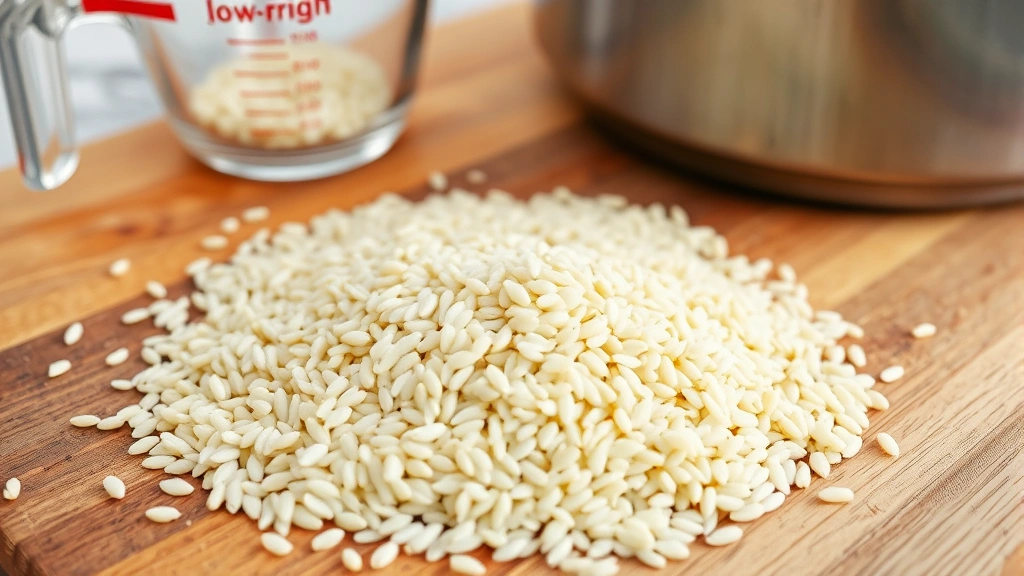
How to Prepare Wild Rice for Your Dog
Preparation is absolutely critical when it comes to feeding wild rice to your dog. Raw or improperly cooked wild rice can be difficult for dogs to digest and may even pose choking hazards. The good news is that preparing wild rice for your pup is simple and straightforward!
Step-by-step preparation:
- Rinse thoroughly: Start by rinsing the wild rice under cold running water. This removes any debris, dust, or contaminants that may be present. Use a fine-mesh strainer to ensure nothing slips through.
- Cook without seasoning: Bring water to a boil in a pot at a ratio of 3 parts water to 1 part wild rice. Add the rinsed rice and reduce heat to a simmer. Never add salt, garlic, onions, or any seasonings—these can be harmful to dogs.
- Cook until soft: Wild rice typically takes 45-60 minutes to cook fully. It should be soft enough that it easily breaks apart between your fingers. Undercooked wild rice can cause digestive upset.
- Cool completely: Allow the cooked rice to cool to room temperature before serving to your dog. Hot food can burn their mouth and digestive tract.
- Store properly: Refrigerate leftover cooked wild rice in an airtight container for up to 4 days, or freeze for up to 3 months.
A common question we hear is about the differences between white and brown varieties. For more details, explore our articles on white rice for dogs and whether dogs can have rice in general.
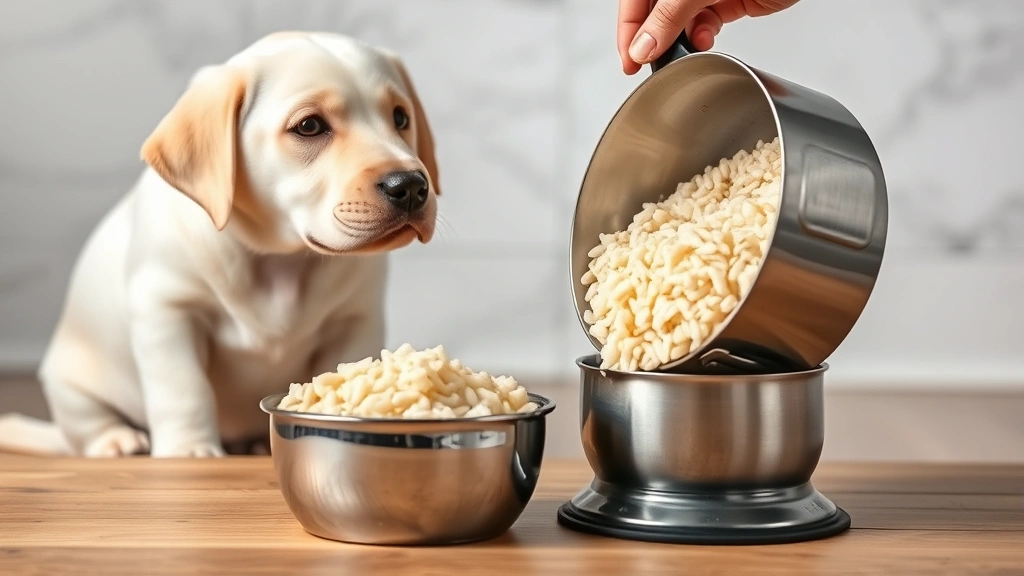
Serving Guidelines and Portion Control
While wild rice is safe for dogs, it’s important to remember that it should be supplementary to their regular diet, not a replacement. Proper portion control ensures your dog gets the benefits without consuming excessive calories or missing out on essential nutrients from their primary food.
General serving guidelines:
For most dogs, wild rice should make up no more than 10% of their daily caloric intake. The remaining 90% should come from a complete and balanced commercial dog food or veterinarian-approved homemade diet. This ratio helps maintain nutritional balance and prevents digestive issues.
As a general rule, here are recommended portions based on dog size:
- Small dogs (under 25 lbs): 1-2 tablespoons of cooked wild rice per day
- Medium dogs (25-50 lbs): 1/4 to 1/2 cup of cooked wild rice per day
- Large dogs (50-100 lbs): 1/2 to 1 cup of cooked wild rice per day
- Extra-large dogs (over 100 lbs): 1-1.5 cups of cooked wild rice per day
These portions can be offered as an occasional treat or mixed into their regular meals. If you’re unsure about the right amount for your specific dog, consult with your veterinarian. They can provide personalized recommendations based on your dog’s age, weight, activity level, and overall health status.
For guidance on overall feeding amounts, check out our comprehensive article on how much food to feed your dog.
Wild Rice vs. Other Rice Types
Not all rice is created equal when it comes to canine nutrition. Understanding the differences between wild rice and other common rice varieties can help you make the best choice for your furry friend.
Wild Rice: The most nutrient-dense option with the highest protein content (6-7g per cooked cup) and excellent fiber content. It takes longer to cook but offers superior nutritional benefits. Wild rice has a nutty flavor and chewy texture that many dogs find appealing.
Brown Rice: A solid middle-ground option that retains the bran and germ layers, making it more nutritious than white rice. It contains about 5g of protein per cooked cup and good fiber content. Learn more about this option in our detailed guide on brown rice for dogs.
White Rice: The least nutritious option due to heavy processing that removes the bran and germ. It’s bland, easy to digest, and often recommended for dogs with sensitive stomachs or diarrhea. However, it lacks the nutritional punch of wild or brown rice.
Basmati and Jasmine Rice: These aromatic varieties are safe for dogs but offer minimal nutritional benefits beyond simple carbohydrates. They’re best reserved for occasional treats.
In summary, if you’re looking to maximize nutritional benefits, wild rice tops the list. However, if your dog has digestive sensitivities, white rice might be the better choice. The key is selecting what works best for your individual dog’s needs and health status.
Potential Risks and Considerations
While wild rice is generally safe for dogs, there are several important considerations to keep in mind before adding it to your pup’s diet.
Choking Hazard: Uncooked or undercooked wild rice can pose a choking risk, particularly for enthusiastic eaters or small breeds. Always ensure rice is thoroughly cooked and soft before serving.
Digestive Upset: Introducing wild rice too quickly or in excessive amounts can cause digestive issues including gas, bloating, and loose stools. Always introduce new foods gradually over 7-10 days, mixing small amounts with their regular food.
Allergic Reactions: While rare, some dogs may have grain sensitivities or allergies. Signs include itching, vomiting, diarrhea, or ear infections. If you notice any of these symptoms after introducing wild rice, discontinue use and contact your veterinarian.
Arsenic Content: Like all rice varieties, wild rice can contain trace amounts of arsenic, a naturally occurring element. While the levels in rice are generally considered safe for humans and dogs, thoroughly rinsing rice before cooking helps minimize exposure.
Nutritional Imbalance: Feeding excessive amounts of wild rice can lead to nutritional imbalances, as rice doesn’t contain all the essential nutrients dogs need. It should always be part of a balanced diet, not the primary food source.
Dogs with Specific Conditions: Dogs with certain health conditions, such as diabetes or obesity, may need to limit grain intake. Always consult your veterinarian before making dietary changes for dogs with pre-existing health issues.
If your dog experiences digestive issues and you’re considering dietary adjustments, our article on what to feed a dog with diarrhea provides helpful guidance.
Simple Wild Rice Recipes for Dogs
Ready to introduce wild rice to your dog’s diet? Here are some simple, dog-friendly recipes that incorporate wild rice safely and deliciously.
Recipe 1: Simple Wild Rice and Chicken Mix
Ingredients:
- 1 cup cooked wild rice (unseasoned)
- 1 cup cooked chicken breast (no seasoning)
- 1/2 cup cooked carrots (diced)
- 1/2 cup cooked green beans
Instructions: Combine all ingredients and mix well. Portion into appropriate serving sizes based on your dog’s weight. Refrigerate for up to 4 days or freeze in ice cube trays for easy portioning.
Recipe 2: Beef and Wild Rice Medley
Ingredients:
- 1 cup cooked wild rice
- 1 pound lean ground beef (cooked, no seasoning)
- 1 apple (diced, seeds removed)
- 1/2 cup cooked sweet potato (diced)
Instructions: Cook ground beef until thoroughly done, breaking it into small pieces. Combine with cooked wild rice, apple, and sweet potato. Mix thoroughly and serve in appropriate portions.
Recipe 3: Turkey and Vegetable Wild Rice
Ingredients:
- 1 cup cooked wild rice
- 1 cup cooked ground turkey (unseasoned)
- 1/2 cup cooked peas
- 1/2 cup cooked pumpkin puree
Instructions: Combine all ingredients and mix well. The pumpkin adds fiber and aids digestion. Serve at room temperature in appropriate portions for your dog.
Important Reminders: Always cook all ingredients separately without salt, garlic, onions, or other seasonings. Never use recipes intended for human consumption, as many contain ingredients toxic to dogs. When introducing any new recipe, start with small portions and monitor your dog for any adverse reactions.
Frequently Asked Questions
Is wild rice better for dogs than regular white rice?
Yes, wild rice is generally more nutritious than white rice for dogs. It contains more protein, fiber, and essential vitamins and minerals. However, white rice may be better for dogs with sensitive stomachs or digestive issues. The best choice depends on your individual dog’s health needs and dietary requirements.
Can puppies eat wild rice?
Puppies can eat small amounts of cooked wild rice, but it should be introduced carefully and in very small portions. Puppies have sensitive digestive systems and specific nutritional requirements for growth and development. Always consult your veterinarian before introducing new foods to puppies, as their diet should be carefully balanced for proper development.
How often can I feed my dog wild rice?
Wild rice can be offered several times per week as part of a balanced diet. However, it should never exceed 10% of your dog’s daily caloric intake. Most dogs thrive with wild rice offered as an occasional supplement rather than a daily staple.
Can dogs with allergies eat wild rice?
Most dogs can tolerate wild rice well, but some with grain allergies or sensitivities may experience adverse reactions. If your dog has known grain allergies, consult your veterinarian before introducing wild rice. Signs of allergic reactions include itching, vomiting, diarrhea, or ear infections.
What should I do if my dog has an upset stomach after eating wild rice?
If your dog experiences digestive upset after consuming wild rice, discontinue feeding it immediately. Ensure your dog has access to fresh water and monitor symptoms. If symptoms persist beyond 24 hours or worsen, contact your veterinarian. In the future, introduce new foods more gradually or in smaller portions.
Can I mix wild rice with my dog’s regular food?
Yes, mixing cooked wild rice with your dog’s regular food is an excellent way to introduce it gradually. Start with small amounts (about 5% of their meal) and gradually increase over 7-10 days. This helps their digestive system adjust and allows you to monitor for any adverse reactions.
Is wild rice safe for senior dogs?
Wild rice can be beneficial for senior dogs as it provides protein to support muscle maintenance and fiber for digestive health. However, senior dogs may have specific dietary requirements or health conditions that warrant veterinary consultation. Always discuss dietary changes with your vet, especially for aging dogs.
Should I cook wild rice differently for dogs than for humans?
Yes, dog-specific preparation differs from human preparation. Never add salt, seasonings, garlic, onions, or oils when cooking wild rice for dogs. Cook it plain in water until soft, then cool completely before serving. This ensures it’s safe and easily digestible for your canine companion.
Can I feed my dog canned wild rice?
Canned wild rice is not recommended for dogs because commercial canned products often contain added sodium, preservatives, and seasonings that aren’t suitable for canine consumption. Stick to cooking fresh wild rice at home using plain water with no additives.





