

As pet parents become increasingly conscious about their furry friends’ nutrition, many wonder about sharing garden-fresh vegetables with their dogs. Zucchini, a versatile summer squash packed with nutrients, often finds its way into our kitchens and onto our plates. But the question remains: can dogs safely enjoy this green vegetable alongside their human companions?
The good news is that zucchini is not only safe for dogs but can also provide several health benefits when prepared and served correctly. This low-calorie vegetable offers vitamins, minerals, and fiber that can complement your dog’s regular diet. However, like any human food introduced to your pet’s meal plan, there are important guidelines to follow to ensure your dog’s safety and well-being.
Understanding which vegetables are safe for dogs and how to prepare them properly is crucial for responsible pet ownership. Let’s explore everything you need to know about feeding zucchini to your canine companion, from nutritional benefits to preparation methods and safety considerations.
Nutritional Benefits of Zucchini for Dogs
Zucchini is a nutritional powerhouse that can provide several health benefits for dogs when incorporated into their diet appropriately. This summer squash is remarkably low in calories, containing only about 20 calories per cup, making it an excellent treat option for dogs who need to maintain or lose weight. The high water content, approximately 95%, helps keep dogs hydrated, especially during warmer months.
The vegetable is rich in essential vitamins and minerals that support canine health. Vitamin A promotes healthy vision, immune function, and skin health, while vitamin C acts as an antioxidant that supports the immune system and collagen production. Zucchini also contains significant amounts of potassium, which is crucial for proper muscle and nerve function, and magnesium, which supports bone health and energy metabolism.
Fiber content in zucchini can aid in digestive health, promoting regular bowel movements and supporting beneficial gut bacteria. This can be particularly helpful for dogs with mild digestive issues or those prone to constipation. The antioxidants present in zucchini, including beta-carotene and lutein, help combat free radicals and may reduce the risk of chronic diseases associated with aging.
According to the American Kennel Club, zucchini’s low caloric content and high nutritional value make it an ideal snack for overweight dogs or those on restricted diets. The vegetable’s natural sweetness can satisfy dogs’ cravings for treats without the added sugars and preservatives found in many commercial dog treats.
Safety Considerations and Precautions
While zucchini is generally safe for dogs, there are several important safety considerations that pet owners must keep in mind. The most crucial factor is ensuring the zucchini is fresh, properly washed, and free from any signs of spoilage. Always remove the skin if you’re unsure about pesticide residues, and thoroughly wash the vegetable under running water before preparation.
Never feed your dog zucchini that has been prepared with seasonings, oils, butter, or other additives commonly used in human cooking. These ingredients can be harmful to dogs and may cause digestive upset, pancreatitis, or other health issues. Garlic and onions, often used in zucchini dishes, are particularly toxic to dogs and should be avoided completely.
Raw zucchini can be difficult for some dogs to digest, especially those with sensitive stomachs or digestive issues. Large pieces can also pose a choking hazard, particularly for smaller breeds. Always cut zucchini into appropriately sized pieces based on your dog’s size and chewing ability. For puppies and senior dogs, smaller, softer pieces are recommended.
Some dogs may have allergies or sensitivities to zucchini, although this is relatively rare. Introduce zucchini gradually into your dog’s diet, starting with small amounts to observe any adverse reactions. If your dog experiences vomiting, diarrhea, excessive gas, or other digestive issues after consuming zucchini, discontinue feeding and consult your veterinarian.
The American Veterinary Medical Association recommends that treats and human foods should not exceed 10% of a dog’s daily caloric intake to maintain nutritional balance.
How to Prepare Zucchini for Your Dog
Proper preparation of zucchini is essential for your dog’s safety and enjoyment. The simplest and safest method is to serve fresh, raw zucchini cut into appropriate bite-sized pieces. Start by thoroughly washing the zucchini under cold running water to remove any dirt, bacteria, or pesticide residues. You can choose to peel the skin or leave it on, depending on your preference and your dog’s digestive sensitivity.
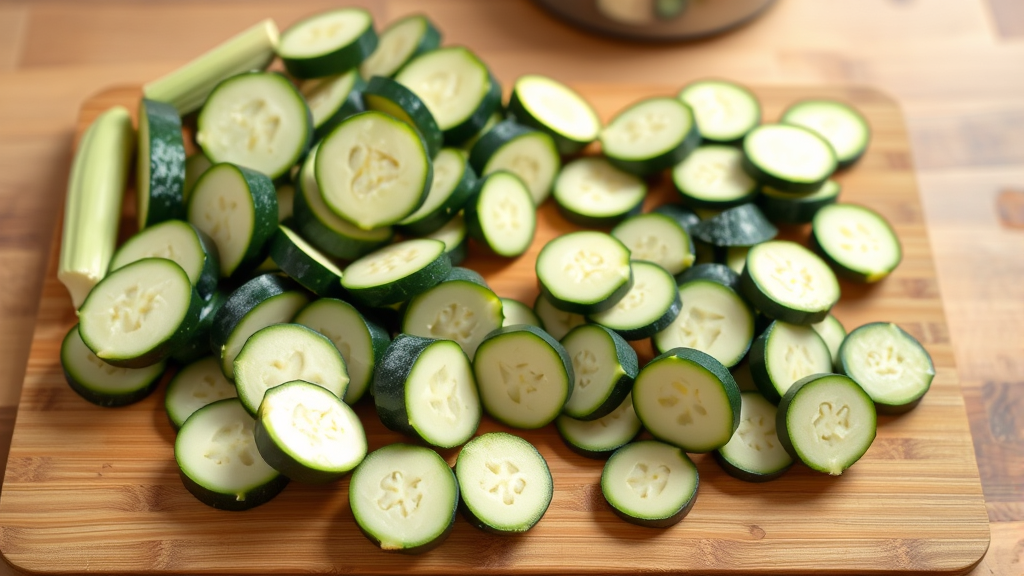
For raw preparation, slice the zucchini into rounds or cut into small cubes, ensuring the pieces are appropriate for your dog’s size. Small dogs should receive pieces no larger than their regular kibble, while larger dogs can handle slightly bigger portions. Remove any seeds if they appear large or tough, although zucchini seeds are generally soft and safe for consumption.
Steaming is an excellent cooking method that preserves most of the nutritional value while making the zucchini easier to digest. Steam zucchini pieces for 5-7 minutes until they’re tender but not mushy. Avoid adding any seasonings, oils, or butter during the steaming process. Allow the steamed zucchini to cool completely before serving to prevent burns.
Baking or roasting zucchini is another dog-friendly preparation method. Cut zucchini into slices or spears and bake at 350°F for 15-20 minutes until tender. Again, avoid using any oils, seasonings, or additives. Some pet owners enjoy making zucchini chips by slicing the vegetable thinly and dehydrating or baking until crispy, creating a healthy, crunchy treat.
For dogs who enjoy frozen treats, especially during hot weather, you can freeze small pieces of cooked or raw zucchini. These frozen pieces can provide relief from heat while delivering nutritional benefits. Some pet owners blend cooked zucchini with a small amount of plain, unsweetened yogurt and freeze the mixture in ice cube trays for a special summer treat.
Serving Size and Frequency Guidelines
Determining the appropriate serving size and frequency for feeding zucchini to your dog depends on several factors, including your pet’s size, weight, overall health, and existing diet. As a general rule, treats and supplemental foods should comprise no more than 10% of your dog’s daily caloric intake to maintain proper nutritional balance.
For small dogs weighing under 20 pounds, start with just a few small pieces of zucchini, approximately 1-2 tablespoons worth. Medium-sized dogs (20-50 pounds) can typically handle 2-4 tablespoons, while larger dogs over 50 pounds may enjoy up to 1/4 cup of prepared zucchini. These amounts should be considered maximum portions and should be adjusted based on your dog’s individual tolerance and dietary needs.
Frequency of feeding is equally important as portion size. Zucchini should be offered as an occasional treat rather than a daily staple. 2-3 times per week is generally appropriate for most dogs, allowing their digestive system to process the vegetable without overwhelming their regular diet. Monitor your dog’s response to zucchini consumption and adjust frequency accordingly.
When introducing zucchini for the first time, start with even smaller portions than recommended and observe your dog for 24-48 hours. Look for any signs of digestive upset, changes in bowel movements, or behavioral changes. If your dog tolerates the initial serving well, you can gradually increase to the recommended portion size over several feeding sessions.
Remember that zucchini should supplement, not replace, your dog’s regular balanced diet. High-quality commercial dog food is formulated to meet all of your pet’s nutritional needs, and vegetables like zucchini should be viewed as healthy extras rather than dietary essentials.

Other Dog-Safe Vegetables to Consider
If your dog enjoys zucchini, there are several other vegetables that can provide similar nutritional benefits and variety to their treat rotation. Cucumbers are another excellent low-calorie option that shares many characteristics with zucchini, including high water content and refreshing crunchiness. Like zucchini, cucumbers should be prepared without seasonings and cut into appropriate sizes.
Carrots are perhaps one of the most popular dog-safe vegetables, offering natural sweetness and satisfying crunch. Rich in beta-carotene and fiber, carrots can be served raw or cooked, though raw carrots provide additional dental benefits through their abrasive action on teeth. Baby carrots make convenient, pre-portioned treats for most dog sizes.
Broccoli is another nutritious option, though it should be fed in smaller quantities due to its potential to cause gas and digestive upset in some dogs. The florets contain valuable vitamins and antioxidants, but the stems can be tough and difficult to digest. Steam broccoli lightly and serve in small portions as an occasional treat.
Green beans are an excellent source of vitamins K, C, and manganese, plus they’re naturally low in calories. They can be served raw, steamed, or even frozen as a crunchy treat. Cauliflower offers similar benefits to broccoli but is often easier for dogs to digest, making it a good alternative for dogs with sensitive stomachs.
Brussels sprouts and corn are additional vegetables that many dogs can enjoy safely when prepared properly. However, these should be introduced carefully and fed in moderation due to their potential to cause digestive issues.
The Humane Society provides comprehensive guidelines on safe and unsafe foods for pets, helping owners make informed decisions about their dog’s diet.
Signs to Watch For After Feeding Zucchini
Monitoring your dog after introducing any new food, including zucchini, is crucial for ensuring their safety and well-being. Most dogs tolerate zucchini well, but individual sensitivities can occur, and recognizing early warning signs can prevent more serious complications.
Positive signs that indicate your dog is tolerating zucchini well include normal energy levels, regular bowel movements, good appetite for their regular food, and no signs of digestive discomfort. Dogs who enjoy zucchini may show enthusiasm when they see you preparing it, and they should consume it readily without hesitation or difficulty chewing.
Watch for immediate adverse reactions within the first few hours after feeding zucchini. These may include excessive drooling, difficulty swallowing, pawing at the mouth, or signs of choking. If any of these occur, remove any remaining zucchini from your dog’s mouth if safely possible and contact your veterinarian immediately.
Digestive upset typically manifests within 6-24 hours and can include vomiting, diarrhea, excessive gas, loss of appetite, or lethargy. Mild digestive upset may resolve on its own, but persistent symptoms warrant veterinary attention. Some dogs may experience increased thirst or urination due to zucchini’s high water content, which is generally normal unless excessive.
Long-term monitoring should focus on maintaining your dog’s overall health and weight. While zucchini is low in calories, any change in treat routine can affect your dog’s weight and energy levels. Regular weigh-ins and body condition assessments can help ensure that added vegetables aren’t contributing to unwanted weight gain or nutritional imbalances.
If you notice any concerning symptoms after feeding zucchini, document the amount fed, preparation method, and timing of symptoms. This information will be valuable if veterinary consultation becomes necessary. According to Pet Poison Helpline, while zucchini allergies are rare in dogs, any persistent adverse reactions should be evaluated by a professional.
Frequently Asked Questions
Can puppies eat zucchini?
Yes, puppies can eat zucchini, but extra caution is needed. Puppies have more sensitive digestive systems and smaller mouths, so zucchini should be cut into very small, soft pieces to prevent choking. Start with tiny amounts and ensure the zucchini is cooked or steamed to make it easier to digest. Always consult your veterinarian before introducing new foods to puppies under 6 months old.
Is it better to feed dogs raw or cooked zucchini?
Both raw and cooked zucchini are safe for dogs, but each has advantages. Raw zucchini retains maximum nutritional value and provides satisfying crunch, but it may be harder to digest for some dogs. Cooked zucchini is easier to digest and softer for senior dogs or those with dental issues, though it loses some nutrients during cooking. Steaming is the best cooking method as it preserves most nutrients while improving digestibility.
How much zucchini can I give my dog daily?
Zucchini should be given as an occasional treat, not daily. When offered, limit portions to no more than 10% of your dog’s daily caloric intake. For most dogs, this means 1-2 tablespoons for small dogs, 2-4 tablespoons for medium dogs, and up to 1/4 cup for large dogs. Offer zucchini 2-3 times per week at most to maintain dietary balance.
Can dogs eat zucchini skin and seeds?
Yes, dogs can safely eat zucchini skin and seeds when properly prepared. The skin contains additional nutrients and fiber, but should be thoroughly washed to remove pesticides. Zucchini seeds are soft and generally safe, unlike seeds from some other vegetables. However, if you notice digestive upset, try removing the skin and seeds to see if your dog tolerates the flesh better.
What should I do if my dog ate zucchini with seasoning?
If your dog consumed zucchini prepared with seasonings, monitor them closely for signs of distress. Remove any remaining seasoned zucchini and provide fresh water. Contact your veterinarian immediately if the zucchini contained garlic, onions, or large amounts of salt, as these can be toxic to dogs. For mild seasonings, watch for digestive upset and call your vet if symptoms persist or worsen.
Can zucchini help with my dog’s weight management?
Yes, zucchini can be an excellent treat for dogs needing weight management due to its low calorie content and high water content. At only 20 calories per cup, it provides a satisfying snack without contributing significantly to daily caloric intake. However, weight management should always be supervised by a veterinarian who can recommend appropriate portion sizes and ensure your dog’s overall nutritional needs are met.
Are there any dogs that shouldn’t eat zucchini?
Most dogs can safely enjoy zucchini, but dogs with kidney disease should have limited vegetable intake due to potassium content. Dogs with severe digestive issues, food allergies, or those on prescription diets should have new foods approved by their veterinarian first. Very young puppies, senior dogs with dental issues, and dogs recovering from surgery may need specially prepared or avoided zucchini depending on their individual circumstances.





