Here’s the thing: your dog gives you that look when you’re chopping vegetables, and you wonder if you can toss them a piece. The good news? Yes, dogs can eat zucchini, and it’s actually one of the safest, most boring-in-a-good-way vegetables you can share with your pup. It’s low in calories, non-toxic, and most dogs tolerate it well. But there are some real details worth knowing before you turn your kitchen into a veggie buffet.
I’ve been a vet tech for over a decade, and I can tell you that zucchini questions come up regularly—usually from owners trying to find healthy alternatives to store-bought treats or looking to add bulk to kibble for a dog that’s always hungry. The answer is straightforward, but the execution matters.
Is Zucchini Safe for Dogs?
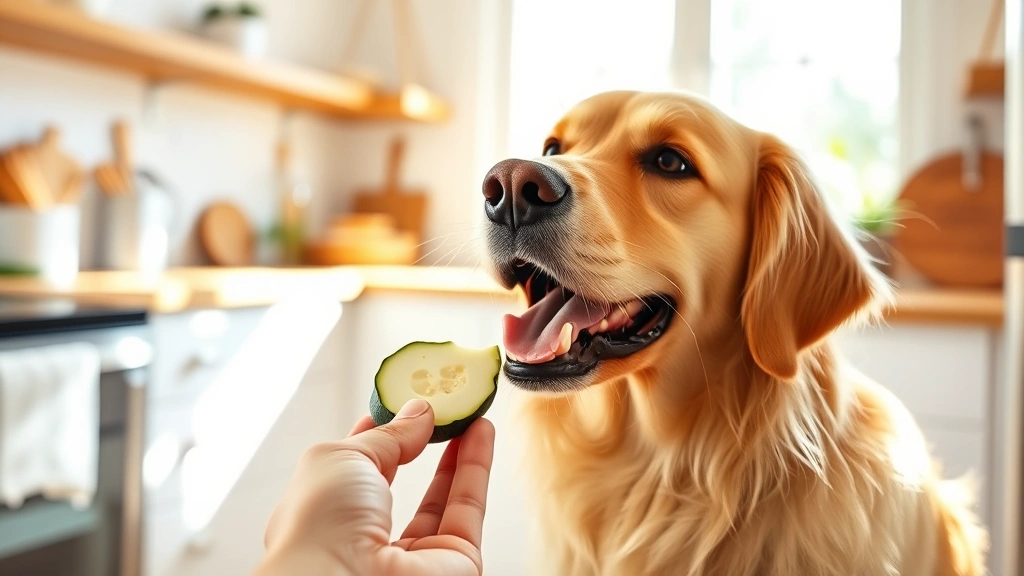
Zucchini is completely safe for dogs. It’s not toxic, it won’t cause digestive upset in most cases, and it’s one of those vegetables that vets actually recommend. According to the American Kennel Club, zucchini is among the vegetables safe for dogs to consume, making it a solid choice for treats or meal toppers.
The reason it’s so safe is simple: zucchini is 95% water and contains virtually no compounds that are harmful to canine metabolism. Unlike grapes (toxic), onions (dangerous), or even macadamia nuts (a no-go), zucchini doesn’t trigger any metabolic red flags in dogs.
That said, “safe” doesn’t mean “unlimited.” Like any food outside your dog’s regular diet, moderation is key. Think of it as a supplement, not a replacement for balanced nutrition.
Nutritional Benefits of Zucchini for Dogs
So what’s actually in zucchini that makes it worth feeding? Here’s the breakdown:
- Low calorie: One cup of raw zucchini has only about 21 calories. For dogs on a weight management plan, this is gold.
- High water content: The 95% water composition helps with hydration, especially useful during hot months or for dogs that don’t drink enough water.
- Fiber: Zucchini contains soluble and insoluble fiber, which can support digestive health and promote regular bowel movements.
- Vitamins and minerals: Small amounts of vitamin C, potassium, and manganese are present, though not in amounts that will dramatically change your dog’s nutrient profile.
- Antioxidants: Like most vegetables, zucchini contains compounds that help fight oxidative stress in the body.
Here’s the real talk: zucchini isn’t a nutritional powerhouse for dogs the way it might be for humans. Your dog gets their essential nutrients from balanced commercial dog food or a properly formulated home-cooked diet. Zucchini is more about the benefits of the behavior—giving your dog a healthy snack, reducing calorie intake, and adding variety—than it is about filling nutritional gaps.
If you’re interested in other vegetable options, spinach is another option worth exploring, though it does have some considerations. Similarly, raw broccoli can be safe in small amounts and offers different nutritional profiles.
How to Prepare Zucchini for Your Dog
Preparation matters more than you’d think. Here’s how to do it right:
Wash thoroughly. Rinse the zucchini under running water to remove dirt and any residual pesticides. If it’s organic, you can skip the paranoia, but washing is still a good habit.
Remove the skin (optional but recommended). The skin is safe, but removing it reduces the choking risk and makes it easier on the digestive system, especially for older dogs or those with sensitive stomachs. Peel it with a vegetable peeler or a knife.
Cut into appropriate sizes. This depends on your dog’s size and chewing habits. Small dogs or senior dogs should get small coins or matchstick-sized pieces. Medium to large dogs can handle chunks, but avoid large pieces that could be a choking hazard.
Remove seeds if feeding raw. While zucchini seeds aren’t toxic, they can be a minor choking risk. If you’re cooking the zucchini, this becomes less of an issue since seeds soften.
Avoid seasoning. No salt, garlic, onion, or spices. Plain zucchini only. Garlic and onions are actually toxic to dogs, so keep those far away.
Pro Tip: Freeze zucchini coins or sticks for a refreshing chew toy on hot days. Many dogs enjoy the texture, and it’s a zero-calorie enrichment activity. Just thaw slightly if your dog has dental sensitivity.
Portion Sizes and Feeding Guidelines

The “how much” question is where most owners get stuck. There’s no one-size-fits-all answer because it depends on your dog’s size, age, and overall diet.
General rule: Treats (including vegetables) should make up no more than 10% of your dog’s daily caloric intake. The remaining 90% should come from their regular balanced diet.
Here’s what that looks like in practice:
- Small dogs (under 20 lbs): 1-2 zucchini coins or small sticks per day, maximum.
- Medium dogs (20-60 lbs): A small handful (about 1/4 to 1/2 cup) of diced zucchini per day.
- Large dogs (60+ lbs): Up to 1 cup of zucchini per day, spread across meals or treats.
If your dog has never had zucchini, introduce it slowly. Start with a small piece and wait 24-48 hours to monitor for any digestive changes. Some dogs have sensitive guts, and a sudden influx of fiber can cause loose stools or mild gas.
For dogs on prescription diets or with specific health conditions, check with your vet before adding anything new. If your dog is on a restricted diet due to kidney disease, diabetes, or other conditions, zucchini is still safe, but your vet might have specific guidance on quantities.
Raw vs. Cooked Zucchini
Both are safe. The choice comes down to your dog’s preferences and your convenience.
Raw zucchini: Maintains all nutrients, requires minimal prep, and some dogs enjoy the crunch. The downside is that raw vegetables can be harder on the digestive system, and there’s a slightly higher choking risk if your dog doesn’t chew thoroughly.
Cooked zucchini: Softer and easier to digest, which is especially helpful for older dogs, puppies, or those with sensitive stomachs. Cooking breaks down cell walls, making nutrients slightly more bioavailable. The downside is minimal nutrient loss (though not dramatic for zucchini) and the extra effort.
If you’re cooking it, boil or steam it plain—no oil, butter, or salt. A 5-10 minute boil softens it nicely. You can also roast it at 400°F for about 15 minutes, though again, no seasoning.
Many owners find that mixing cooked zucchini into kibble is a great way to add volume to meals without adding significant calories. This works well if your dog is always hungry but shouldn’t eat more food. You’re basically stretching the meal.
For comparison, if you’re looking at other vegetables, raw sweet potato requires different handling and has a different nutrient profile, so it’s worth exploring if you want variety.
Potential Risks and When to Avoid
Zucchini is low-risk, but there are edge cases:
Digestive upset: Too much fiber too quickly can cause diarrhea or constipation. This is especially true if your dog isn’t used to vegetables. Introduce slowly and in small amounts.
Choking hazard: Large pieces, especially for small dogs or those that don’t chew properly, can be a risk. Always cut appropriately for your dog’s size.
Allergies: Rare, but some dogs can have sensitivities to zucchini. If you notice itching, vomiting, or diarrhea after feeding zucchini, stop and contact your vet.
Existing health conditions: Dogs with certain conditions (like severe pancreatitis or specific GI disorders) might need dietary restrictions. Check with your vet if your dog has a medical history worth noting.
Pesticide residue: If you’re buying non-organic zucchini, there’s a possibility of pesticide residue. Washing thoroughly helps, but if you’re concerned, organic is a safer bet.
Safety Warning: Never feed your dog zucchini that’s been prepared with garlic, onions, excessive salt, or oil. These additions can be harmful or unnecessary for your dog’s diet. Stick to plain, simple zucchini.
Other Dog-Friendly Vegetables to Try
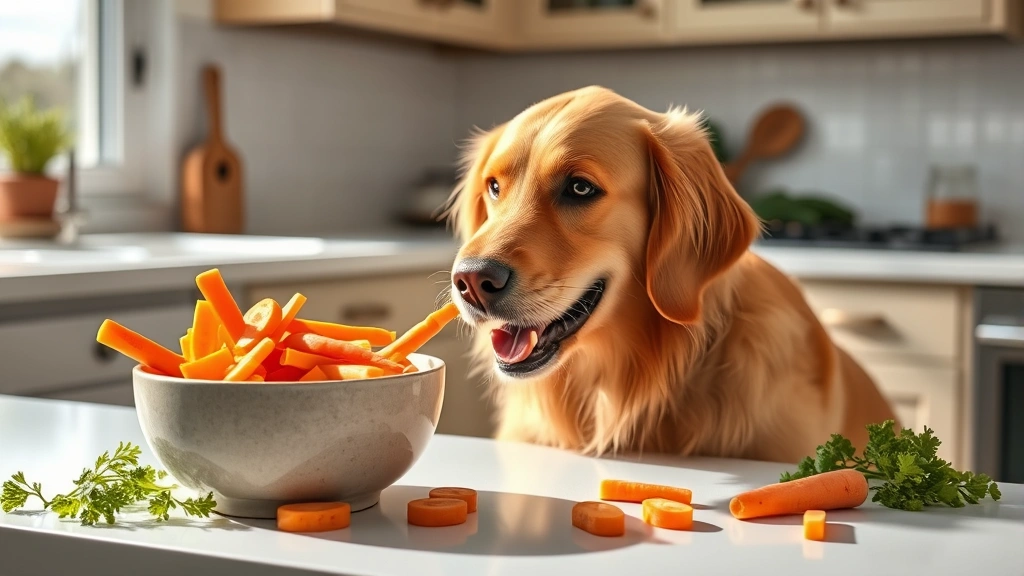
If your dog enjoys zucchini, you’ve got other options worth exploring. Broccoli in small amounts is safe and offers more nutrients, though it can cause gas in some dogs. Carrots are excellent for dental health and are naturally sweet, so many dogs prefer them.
If you’re building a varied treat rotation, consider these safe options:
- Carrots (raw or cooked)
- Spinach (cooked, in moderation)
- Green beans (plain, no salt)
- Pumpkin (plain canned, not pie filling)
- Sweet potato (cooked)
- Cucumber (hydrating, low-cal)
- Peas (fresh or frozen)
For meal toppers and additions, rice is a common and safe option that pairs well with vegetables. And if you’re looking to boost nutrition or add flavor, beef broth (low-sodium, no onions or garlic) can make meals more appealing.
When it comes to commercial treats and overall diet quality, understanding your dog food brand is important, so you know what nutritional baseline you’re working with before adding supplements or treats.
Frequently Asked Questions
Can puppies eat zucchini?
– Yes, puppies can eat zucchini. In fact, it’s a great low-calorie treat for growing dogs. Start with very small pieces and ensure it’s soft (cooked is safer for puppies) to avoid choking. Puppies have sensitive digestive systems, so introduce slowly and in tiny amounts to monitor for upset.
Is zucchini good for dogs with weight problems?
– Absolutely. Zucchini is one of the best treat options for overweight dogs. At just 21 calories per cup and mostly water, you can give your dog a satisfying snack without derailing weight management. Many vets recommend it as a kibble extender for dogs that need to eat less but feel fuller.
Can dogs eat zucchini skin?
– Yes, the skin is safe, but it’s not necessary. Removing it reduces choking risk and can be easier on digestion. If your dog has a sensitive stomach, peel it. For healthy adult dogs, skin-on is fine, just make sure pieces are appropriately sized.
What if my dog has diarrhea after eating zucchini?
– Stop feeding it and give your dog’s digestive system a break. Diarrhea after zucchini usually means either too much fiber too quickly or a sensitivity to the vegetable. If diarrhea persists beyond 24 hours or is severe, contact your vet. For future reference, introduce vegetables more gradually and in smaller amounts.
Can dogs eat zucchini bread or zucchini cake?
– No. Baked goods made with zucchini often contain sugar, oil, and sometimes xylitol (which is toxic to dogs). Even “healthy” zucchini bread isn’t appropriate for dogs. Stick to plain, unseasoned zucchini only.
How often can I feed my dog zucchini?
– Daily is fine if you’re staying within portion guidelines (remember, treats should be 10% of daily calories max). Many owners add a small amount to kibble daily without issues. Listen to your dog’s body—if stools become loose or your dog seems gassy, cut back frequency or amount.

Is frozen zucchini safe for dogs?
– Yes. Frozen zucchini is just as safe as fresh. In fact, frozen zucchini coins make great chew toys on hot days. Just thaw slightly if your dog has dental sensitivity, and ensure there’s no added salt or seasoning.
Can zucchini help with my dog’s constipation?
– Possibly. The fiber and water content in zucchini can help, but it’s not a cure-all. If your dog is chronically constipated, that’s a vet conversation. Zucchini might help as part of a broader dietary adjustment, but don’t rely on it as a treatment without professional guidance.