

Can Dogs Get Brain Freeze? What Experts Say
Picture this: you’re enjoying a frozen treat on a hot summer day, and your furry best friend gives you those irresistible puppy-dog eyes. You can’t resist sharing a lick, but then you wonder—can dogs actually experience brain freeze like we do? It’s a question that’s crossed the minds of countless dog owners, and the answer might surprise you.
Brain freeze, that sharp, shooting pain we experience when eating ice cream too quickly or drinking something ice-cold, is a real phenomenon. But does your pup experience the same uncomfortable sensation? The good news is that understanding this quirky condition can help you keep your dog comfortable and safe when enjoying frozen treats together.
Let’s dive into the science behind brain freeze, explore whether dogs are susceptible to it, and discover what experts recommend about giving your canine companion frozen foods and beverages.
What Is Brain Freeze, Anyway?
Brain freeze, scientifically known as sphenopalatine ganglioneuralgia, is a temporary headache that occurs when something cold touches the roof of your mouth or the back of your throat. Sounds dramatic, right? Well, the science behind it is actually pretty fascinating.
When cold substances make contact with sensitive nerve endings in your mouth and throat, they trigger a rapid constriction and then dilation of blood vessels in that region. This sudden change in blood vessel size causes the sharp, intense pain we all know and dread. The good news is that it typically lasts only 20 to 60 seconds before your body’s natural regulatory systems kick in and normalize blood flow.
According to research published in studies on headache disorders, brain freeze is more likely to occur when you consume cold items quickly. The faster the cold stimulus, the more dramatic the blood vessel response, and the more intense the pain. This is why slowly savoring your ice cream is actually a smart move—not just for enjoyment, but for your neurological comfort.
Can Dogs Actually Experience Brain Freeze?
Here’s where things get interesting. The short answer is: probably not in the same way humans do, but there’s more to the story.
Dogs do have the same anatomical structures that trigger brain freeze in humans—sensitive nerve endings and blood vessels in their mouths and throats. However, there are several key differences in how dogs eat and process cold foods that make brain freeze significantly less likely for our canine companions.
First, dogs don’t typically eat slowly or deliberately. They’re notorious for gulping their food with minimal chewing. This rapid consumption pattern means cold food passes through their mouth quickly, giving the cold stimulus less time to trigger the intense nerve response that causes brain freeze in humans. Additionally, dogs have a higher pain threshold in general, and their oral sensory perception differs from ours.
A veterinary perspective from the American Animal Hospital Association suggests that while dogs may experience mild discomfort from extremely cold foods, the classic brain freeze headache is unlikely. Dogs lack the sophisticated neural pathways that make brain freeze such a distinctly human experience.

How Dogs Eat Differently Than Humans
Understanding how dogs eat provides crucial insight into why brain freeze is essentially a non-issue for them. Dogs have evolved as scavengers and hunters, not as deliberate, methodical eaters like humans.
When you give your dog food, they typically:
- Consume it rapidly without much chewing or consideration
- Use their tongues to move food quickly toward their throat
- Swallow in large chunks rather than breaking food into smaller pieces
- Don’t pause to savor flavors or temperatures
This eating behavior is hardwired into their DNA. In the wild, dogs would need to eat quickly to avoid competition and potential loss of their meal. This instinct remains strong even in domesticated pets.
Moreover, if you’ve ever wondered why do dogs shake their heads, it’s often related to their eating habits—they shake to reposition food or water in their mouths. This behavior also contributes to how they process cold foods differently than we do.
Frozen Treats and Your Dog’s Safety
While brain freeze might not be a concern, there are absolutely legitimate safety considerations when it comes to giving your dog frozen treats. Can dogs eat ice cream is one of the most common questions pet owners ask, and the answer is nuanced.
Many commercial ice creams contain ingredients that aren’t ideal for dogs, including:
- Lactose – Many adult dogs are lactose intolerant
- Sugar – Excessive sugar can lead to weight gain and dental problems
- Xylitol – This artificial sweetener is toxic to dogs
- Chocolate – Dangerous and potentially fatal for canines
- Macadamia nuts – Known to cause toxicity in dogs
The temperature of frozen treats themselves isn’t typically dangerous, but the contents certainly can be. This is why checking ingredients is crucial before sharing any frozen snack with your pup.
If you’re looking for safer alternatives, can dogs have frozen treats specifically designed for them? Absolutely! Many pet stores offer dog-friendly frozen treats made with safe ingredients like peanut butter, pumpkin, and plain yogurt.
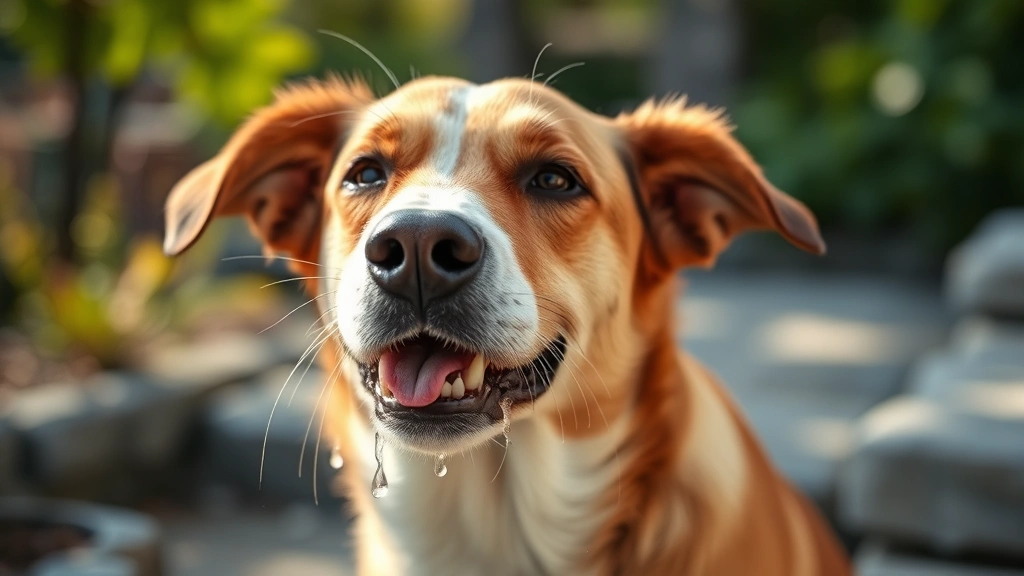
Warning Signs Your Dog Might Be Uncomfortable
Even though brain freeze isn’t a typical concern, your dog could experience discomfort from extremely cold foods. It’s important to recognize the signs that your pup is experiencing distress.
Watch for these warning indicators:
- Head shaking – Similar to why is my dog shaking, rapid head movements after eating something cold
- Pawing at the mouth – Indicates mouth discomfort or irritation
- Excessive drooling – May signal oral pain or sensitivity
- Whimpering or yelping – Clear signs of discomfort
- Refusal to eat – If your dog suddenly rejects food, something’s wrong
- Visible facial grimacing – Tension around the mouth or jaw
If your dog displays any of these behaviors after consuming frozen foods, it’s best to avoid those particular treats in the future. Every dog is unique, and some may have heightened sensitivity to cold temperatures.
Safe Frozen Alternatives for Your Pup
The good news is that you don’t have to completely deprive your dog of frozen treats, especially during hot summer months. There are plenty of dog-safe alternatives that can provide refreshment and enjoyment.
Homemade Frozen Treats:
- Freeze plain Greek yogurt in ice cube trays
- Create popsicles from dog-safe fruit purees (like pumpkin or apple)
- Freeze chicken or beef broth in molds for savory options
- Mix mashed banana with peanut butter and freeze
Commercial Dog-Friendly Options:
Look for frozen treats specifically formulated for dogs. These are designed with canine nutritional needs in mind and avoid harmful ingredients. Many include beneficial additions like probiotics or joint-supporting ingredients.
Temperature-wise, you can also offer your dog regular treats that happen to be served cold, like can dogs drink cranberry juice (in moderation and without added sugars)—chilled in a bowl on hot days. The key is ensuring the ingredients are safe for canine consumption.
What Veterinarians Recommend
Veterinary experts have clear guidance when it comes to frozen foods and treats for dogs. According to the ASPCA, moderation is key, and ingredient safety is paramount.
Dr. recommendations typically include:
- Limit frozen treats to occasional offerings, not daily staples
- Always check ingredients before giving your dog anything new
- Avoid extremely cold items that are below 32°F (0°C) if your dog shows sensitivity
- Supervise treat consumption to monitor for any adverse reactions
- Consider your dog’s age and health – puppies and senior dogs may need different considerations
The American Kennel Club also emphasizes that while why is my dog panting so much during hot weather, frozen treats should never be a dog’s only source of hydration or cooling. Fresh water and shade are essential.
For dogs with specific health conditions, consulting your veterinarian before introducing frozen treats is always the safest approach. Dogs with dental issues, for example, might struggle with very hard frozen items.
Frequently Asked Questions
Can dogs get brain freeze from ice water?
While dogs can theoretically experience some mild discomfort from extremely cold water, true brain freeze is unlikely. Their rapid consumption style and different neural pathways make the classic brain freeze headache a distinctly human experience. However, some dogs may show temporary hesitation or head shaking when drinking very cold water, which could indicate mild discomfort rather than actual brain freeze.
Is it bad to give dogs ice cubes?
Plain ice cubes are generally safe for most dogs, though some veterinarians suggest they’re not ideal. Concerns include potential dental damage if dogs chew hard ice aggressively, and the risk of choking in small breeds. For a safer option, try partially frozen treats or letting ice melt slightly before offering. Always supervise your dog with any frozen items.
What temperature is too cold for dogs to eat?
There’s no specific temperature threshold that’s universally “too cold” for dogs, as individual sensitivity varies. However, items that are extremely hard when frozen (like rock-solid ice) pose more risk than softer frozen options. If your dog shows signs of discomfort—head shaking, pawing at the mouth, or refusal to eat—that particular temperature or item is too cold for your individual pet.
Can puppies have frozen treats?
Puppies can have age-appropriate frozen treats, but with extra caution. Their teeth are still developing, so very hard frozen items should be avoided. Softer frozen options like partially thawed treats or frozen yogurt (without xylitol or excess sugar) are better choices. Always supervise and ensure ingredients are puppy-safe.
Do dogs enjoy frozen treats as much as humans do?
Dogs definitely enjoy frozen treats, though perhaps for different reasons than humans. While we appreciate the taste and the cooling sensation, dogs are more motivated by flavor and the novelty of a different texture. The cooling aspect may provide relief on hot days, but it’s not the primary draw for most dogs. The taste of dog-safe frozen treats is what really gets their tails wagging!
Should I worry about my dog’s teeth with frozen treats?
Dental health is a legitimate concern with frozen treats. Dogs who are aggressive chewers or who have pre-existing dental issues should avoid very hard frozen items. Softer frozen options are gentler on teeth and gums. If you notice your dog favoring one side of their mouth or showing reluctance to eat after having frozen treats, have your veterinarian check for potential dental damage.





