
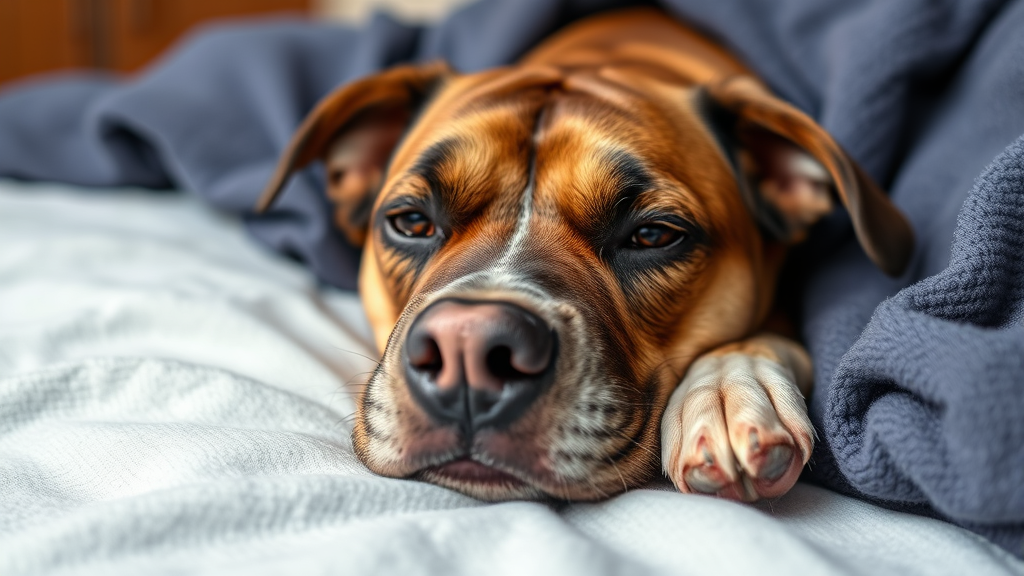
As a loving dog owner, you’ve probably wondered whether your furry companion can catch a cold just like you do. The short answer is yes – dogs can get colds, though they’re caused by different viruses than human colds. Understanding the signs and symptoms of canine colds is crucial for maintaining your pet’s health and ensuring they receive proper care when needed.
Canine respiratory infections share many similarities with human colds, including sneezing, coughing, and nasal discharge. However, what we commonly call a “dog cold” can range from mild viral infections to more serious conditions that require veterinary attention. Recognizing these symptoms early and knowing how to respond can make all the difference in your dog’s recovery and comfort.
Can Dogs Get Colds?
Yes, dogs can absolutely get colds, but they’re not quite the same as human colds. While humans typically catch colds from rhinoviruses, dogs develop cold-like symptoms from different pathogens entirely. The most common culprits include parainfluenza virus, adenovirus, and various bacterial infections that affect the upper respiratory system.
Dog colds are technically called “upper respiratory infections” or “kennel cough” when they involve the characteristic hacking cough. These infections can be viral, bacterial, or a combination of both. Unlike human colds, which are usually mild and self-limiting, dog respiratory infections can sometimes progress to more serious conditions if left untreated.
The good news is that most dog colds are relatively mild and resolve on their own with proper care and rest. However, puppies, senior dogs, and those with compromised immune systems may experience more severe symptoms and require veterinary intervention. Understanding the difference between a simple cold and something more serious is essential for every dog owner.

Common Symptoms of Dog Colds
Recognizing the signs of a cold in your dog is the first step toward providing appropriate care. The symptoms of canine colds closely mirror those experienced by humans, making them relatively easy to identify once you know what to look for.
The most obvious symptom is typically a runny nose with clear or slightly cloudy discharge. You might notice your dog sneezing more frequently than usual, sometimes in rapid succession. A mild cough is also common, though it’s usually softer than the harsh, hacking cough associated with kennel cough or more serious respiratory conditions.
Other symptoms include:
- Watery or slightly red eyes
- Mild lethargy or decreased energy levels
- Slight decrease in appetite
- Low-grade fever (normal dog temperature is 101-102.5°F)
- Congested breathing sounds
- Occasional throat clearing or swallowing
It’s important to note that while these symptoms might seem concerning, most dogs with simple colds remain relatively active and maintain their appetite. If your dog is showing signs of severe distress, such as excessive shaking or heavy panting, this could indicate a more serious condition requiring immediate veterinary attention.
Causes and How Colds Spread
Understanding how dogs catch colds can help you protect your pet and prevent the spread of infection. Dog colds are primarily caused by viral infections, with parainfluenza virus being one of the most common culprits. Bacterial infections can also cause cold-like symptoms or occur as secondary infections following viral illness.
Dogs typically contract these infections through airborne droplets when an infected dog coughs, sneezes, or barks. Direct contact with contaminated surfaces, toys, or food bowls can also spread the infection. This is why dog parks, boarding facilities, grooming salons, and veterinary clinics are common places where dogs pick up respiratory infections.
Several factors can increase your dog’s susceptibility to catching a cold:
- Stress from changes in routine or environment
- Exposure to other dogs, especially in crowded conditions
- Poor ventilation in living spaces
- Weakened immune system due to age, illness, or poor nutrition
- Cold weather or sudden temperature changes
- Inadequate vaccination status
It’s worth noting that most dog colds are highly contagious among dogs but cannot be transmitted to humans. However, the reverse is also generally true – you typically cannot give your cold to your dog, as the viruses that affect each species are usually different.
Safe Home Remedies and Care
When your dog has a mild cold, several safe home remedies can help ease their discomfort and support their recovery. The most important thing you can do is ensure your dog gets plenty of rest in a warm, comfortable environment. Just like humans, dogs need extra sleep when fighting off an infection.
Maintaining proper hydration is crucial for recovery. Ensure your dog has access to fresh, clean water at all times. If your dog seems reluctant to drink, try offering low-sodium chicken broth or adding a small amount of broth to their water bowl to make it more appealing.
Steam therapy can help relieve nasal congestion. Run a hot shower and let your dog sit in the steamy bathroom for 10-15 minutes, or use a humidifier in the room where your dog spends most of their time. This can help loosen mucus and make breathing easier.
Gentle nutrition support is also important. If your dog’s appetite is decreased, try offering highly palatable foods like boiled chicken and rice, or warm up their regular food slightly to enhance its aroma. Avoid giving any human medications unless specifically directed by your veterinarian, though some owners wonder about giving Benadryl to dogs for cold symptoms.
Keep your dog warm and dry, especially during walks or outdoor activities. Consider using a dog coat in cold weather and avoid prolonged exposure to harsh conditions. Limit exercise to gentle walks until your dog is feeling better, as overexertion can prolong recovery time.
When to See a Veterinarian
While many dog colds resolve on their own with proper home care, certain symptoms warrant immediate veterinary attention. Knowing when to seek professional help can prevent minor issues from becoming serious health problems.
Contact your veterinarian immediately if your dog exhibits any of these warning signs:
- Difficulty breathing or labored breathing
- Persistent, harsh coughing that doesn’t improve
- Green or yellow nasal discharge
- High fever (over 103°F)
- Complete loss of appetite for more than 24 hours
- Severe lethargy or inability to get comfortable
- Signs of dehydration
- Symptoms that worsen after 2-3 days of home care
Puppies under six months old and senior dogs over seven years should be evaluated by a veterinarian more quickly, as they’re at higher risk for complications. Dogs with pre-existing health conditions, such as heart disease or compromised immune systems, also require prompt professional assessment.
According to the American Veterinary Medical Association, respiratory infections in dogs can sometimes progress to pneumonia if left untreated, making early intervention crucial in certain cases.
Prevention Strategies
Preventing dog colds is often easier than treating them. The foundation of prevention lies in maintaining your dog’s overall health through proper nutrition, regular exercise, and routine veterinary care including up-to-date vaccinations.
Vaccination is one of the most effective prevention methods. Core vaccines like DHPP (distemper, hepatitis, parvovirus, and parainfluenza) provide protection against several viruses that can cause cold-like symptoms. The bordetella vaccine, often required by boarding facilities and dog parks, helps prevent kennel cough.
Environmental management plays a crucial role in prevention. Ensure your dog’s living space has adequate ventilation and isn’t overcrowded if you have multiple pets. Regular cleaning and disinfection of food bowls, toys, and bedding can reduce the spread of pathogens.
When socializing your dog, choose your locations wisely. Well-maintained dog parks and facilities that require proof of vaccination are generally safer than overcrowded or poorly managed spaces. Avoid exposing your dog to obviously sick animals, and consider limiting social interactions during peak cold and flu seasons.
Stress reduction is another important factor, as stressed dogs are more susceptible to illness. Maintain consistent routines, provide mental stimulation, and ensure your dog gets adequate rest. The American Kennel Club emphasizes that a strong immune system is your dog’s best defense against respiratory infections.
Recovery Timeline and Expectations
Most uncomplicated dog colds resolve within 7-10 days with proper care and rest. However, the recovery timeline can vary significantly depending on your dog’s age, overall health status, and the specific pathogen causing the illness.
During the first 2-3 days, symptoms typically remain mild but may gradually worsen before beginning to improve. This is normal and doesn’t necessarily indicate a serious problem. However, if symptoms continue to worsen after day three, veterinary evaluation is recommended.
By days 4-5, you should begin to see some improvement in your dog’s energy levels and appetite. Nasal discharge may change from clear to slightly cloudy and then begin to decrease. Coughing and sneezing should become less frequent.
Complete recovery usually occurs within 7-10 days, though some dogs may have a lingering mild cough for up to two weeks. During recovery, it’s important to continue monitoring your dog’s condition and maintain supportive care measures.
Keep in mind that dogs remain contagious for several days after symptoms begin, so it’s best to avoid contact with other dogs until your pet has been symptom-free for at least 24-48 hours. This helps prevent the spread of infection to other pets in your community.
Similar to how dogs can get the flu, respiratory infections require patience and consistent care for full recovery. Some dogs may experience periodic mild symptoms for a few weeks as their immune system continues to clear the infection.
Frequently Asked Questions
Can I catch a cold from my dog?
Generally, no. The viruses that cause colds in dogs are different from those that affect humans, so transmission between species is extremely rare. However, it’s still good practice to wash your hands after handling a sick pet and maintain basic hygiene practices.
How long are dogs contagious when they have a cold?
Dogs with respiratory infections are typically contagious from the onset of symptoms and remain so for 7-10 days, or until they’ve been symptom-free for at least 24-48 hours. The contagious period may be longer for more severe infections or in dogs with compromised immune systems.
Should I give my dog human cold medicine?
Never give your dog human cold medications without veterinary approval. Many human medications are toxic to dogs and can cause serious health problems. If you’re considering medications like Benadryl for your dog, consult your veterinarian first for proper dosing and safety guidance.
Can puppies get colds more easily than adult dogs?
Yes, puppies are more susceptible to respiratory infections because their immune systems are still developing. They also tend to experience more severe symptoms and may require veterinary care sooner than adult dogs. Puppies should be monitored closely during any illness.
Is kennel cough the same as a dog cold?
Kennel cough and dog colds share many symptoms, but kennel cough typically involves a more distinctive harsh, honking cough. Kennel cough is also more likely to be highly contagious and may require specific treatment. Both conditions affect the respiratory system but may have different underlying causes.
Can cold weather cause dogs to get sick?
Cold weather alone doesn’t cause illness, but it can stress the immune system and make dogs more susceptible to infections. Sudden temperature changes, poor ventilation, and crowded indoor conditions during cold months can increase the risk of respiratory infections. The Centers for Disease Control notes that proper shelter and care are essential for maintaining pet health in all weather conditions.
When should I isolate my dog from other pets?
If your dog shows signs of a respiratory infection, it’s best to separate them from other pets immediately to prevent spread. Continue isolation until your dog has been symptom-free for at least 24-48 hours. Provide separate food and water bowls, and wash your hands thoroughly after handling the sick pet before interacting with healthy animals.





