
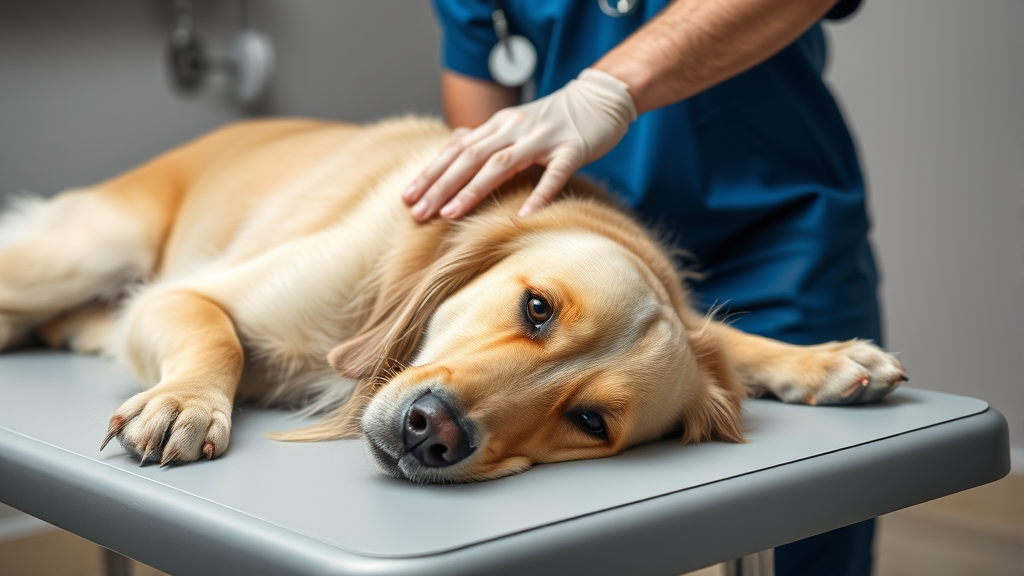
When your beloved canine companion suffers a head injury, the possibility of a concussion becomes a serious concern that requires immediate attention. Just like humans, dogs can indeed sustain concussions from various incidents, including falls, collisions, or blunt force trauma to the head. Understanding the signs, symptoms, and proper response protocols can make the difference between a full recovery and long-term complications for your furry friend.
A concussion in dogs is a traumatic brain injury that occurs when the brain is jarred or shaken inside the skull, potentially causing temporary or permanent damage to brain tissue. While dogs are naturally resilient creatures, their brains are just as vulnerable to injury as ours, making it crucial for pet owners to recognize the warning signs and take appropriate action when a head injury occurs.
Understanding Canine Concussions
Can dogs get concussions? Absolutely. A concussion occurs when the brain moves rapidly back and forth within the skull, causing chemical changes in the brain and sometimes stretching and damaging brain cells. This type of traumatic brain injury can happen to dogs through various mechanisms, including motor vehicle accidents, falls from significant heights, being struck by objects, or even rough play that results in head trauma.
The canine brain, like the human brain, is protected by cerebrospinal fluid and encased within the skull. However, when sudden acceleration or deceleration forces occur, the brain can collide with the inner walls of the skull, resulting in bruising, swelling, or other forms of injury. The severity of a concussion can range from mild, with temporary symptoms, to severe, with lasting neurological effects.
Common scenarios that can lead to canine concussions include dogs jumping from vehicles or furniture and landing awkwardly, being hit by cars, falling down stairs, or experiencing trauma during fights with other animals. Even seemingly minor incidents, such as running into a glass door or being accidentally kicked, can potentially cause a concussion if the impact is sufficient.
Recognizing the Symptoms of Dog Concussions
Identifying a concussion in your dog can be challenging since they cannot verbally communicate their symptoms. However, there are several observable signs that may indicate your pet has sustained a head injury. Immediate symptoms often include disorientation, loss of consciousness (even briefly), difficulty walking or maintaining balance, and unusual behavior patterns.
Neurological symptoms may manifest as confusion, inability to recognize familiar people or surroundings, circling behavior, or head tilting. Your dog might appear dazed, stare blankly, or seem unresponsive to their name or commands. Some dogs may experience seizure-like activity, which you can learn more about in our guide on what does a dog seizure look like.
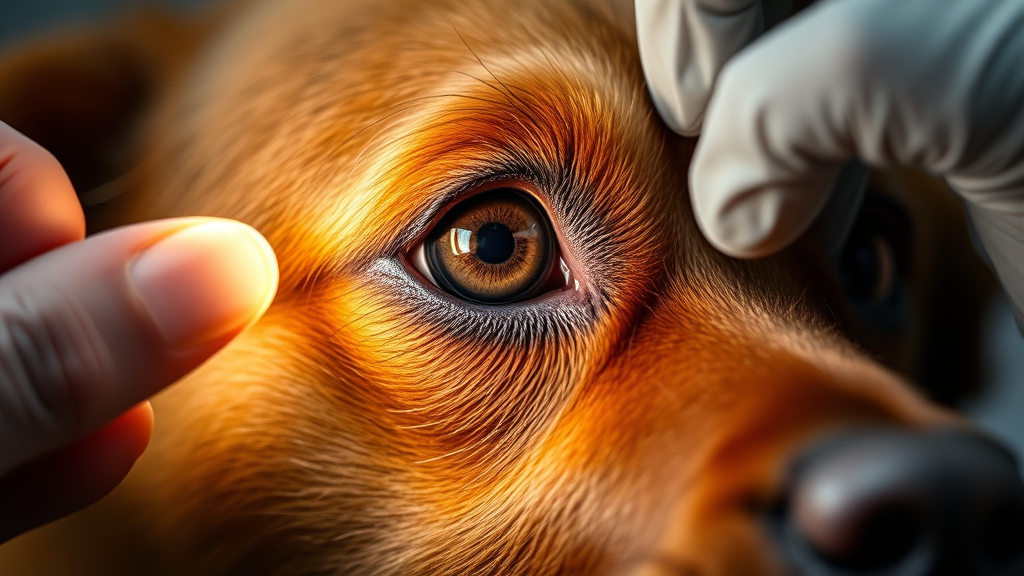
Physical symptoms can include vomiting, which is particularly concerning when it occurs repeatedly after a head injury. If you notice your dog experiencing nausea or vomiting, our article on why is my dog throwing up can provide additional insights. Other physical signs may include abnormal eye movements, dilated or unequal pupils, difficulty breathing, or changes in heart rate.
Behavioral changes are equally important to monitor. Your normally active dog may become lethargic and reluctant to move, or conversely, they might become unusually agitated or restless. Changes in appetite, sleep patterns, or bathroom habits can also indicate neurological trauma. Some dogs may develop sensitivity to light or sound following a head injury.
Immediate Response and First Aid
If you suspect your dog has suffered a concussion, your immediate response can significantly impact their recovery outcome. First and foremost, remain calm and avoid moving your pet unnecessarily, as additional trauma could worsen their condition. Carefully assess the situation and your dog’s current state without causing further stress or injury.
Check for obvious signs of trauma, including bleeding, broken bones, or other visible injuries. If your dog is unconscious, gently check for breathing and pulse, but avoid moving their head or neck unless absolutely necessary. Keep your pet warm and comfortable while preparing for transport to veterinary care. If you notice shaking or tremors, this could indicate shock or neurological trauma.
Document the incident and your observations, noting the time of injury, how it occurred, and any symptoms you observe. This information will be valuable for the veterinary team. Take photos of any visible injuries if possible, but prioritize getting professional medical attention over documentation.
Avoid giving your dog food, water, or any medications unless specifically instructed by a veterinarian, as these could complicate treatment or mask important symptoms. If your dog is conscious and able to walk, allow them to move at their own pace rather than forcing movement.
When to Seek Emergency Veterinary Care
Certain symptoms require immediate emergency veterinary attention and should never be ignored. Loss of consciousness, even briefly, warrants urgent care, as does persistent vomiting, seizures, or severe disorientation. If your dog cannot maintain balance, shows signs of paralysis, or has abnormal breathing patterns, these are considered veterinary emergencies.
Changes in pupil size or responsiveness, particularly if pupils are unequal or non-reactive to light, indicate serious neurological involvement. Rapid or irregular breathing patterns, as discussed in our guide on why is my dog breathing fast, can signal increased intracranial pressure or other complications.
According to the American Veterinary Medical Association, any head trauma in pets should be evaluated by a veterinary professional, even if symptoms seem mild initially. Some neurological symptoms may not appear immediately and can worsen over time without proper treatment.
Don’t wait for symptoms to worsen before seeking help. Early intervention can prevent complications and improve outcomes. If you’re unsure about the severity of your dog’s condition, it’s always better to err on the side of caution and consult with emergency veterinary services.

Diagnosis and Treatment Options
Veterinary diagnosis of a canine concussion involves a comprehensive neurological examination and assessment of your dog’s symptoms. The veterinarian will evaluate your pet’s mental status, coordination, reflexes, and responses to various stimuli. They may also check for signs of increased intracranial pressure and assess overall neurological function.
Advanced diagnostic tools may be necessary depending on the severity of symptoms. These can include CT scans or MRI imaging to visualize brain tissue and detect bleeding, swelling, or other abnormalities. Blood tests may be performed to rule out other conditions and assess overall health status. The National Center for Biotechnology Information provides detailed information about traumatic brain injury diagnosis in veterinary medicine.
Treatment approaches vary based on the severity of the concussion and accompanying symptoms. Mild concussions may require only rest and monitoring, while more severe cases might need hospitalization for intensive care. Medications may be prescribed to manage symptoms such as nausea, seizures, or brain swelling.
Supportive care often includes IV fluids to maintain hydration and blood pressure, oxygen therapy if breathing is compromised, and pain management as appropriate. In severe cases, surgery may be necessary to relieve pressure on the brain or address bleeding within the skull.
Recovery and Long-term Care
Recovery from a canine concussion requires patience, careful monitoring, and often significant lifestyle modifications during the healing process. Your veterinarian will provide specific instructions for home care, which typically includes strict rest and limited activity for several days to weeks, depending on the severity of the injury.
Monitor your dog closely for any changes in behavior, appetite, or neurological function during recovery. Watch for signs of fever, which you can learn to identify using our guide on how to tell if a dog has a fever. Any worsening of symptoms or emergence of new neurological signs should prompt immediate veterinary consultation.
Environmental modifications may be necessary to prevent further injury during recovery. This might include using baby gates to prevent access to stairs, providing non-slip surfaces, and ensuring your dog’s sleeping area is comfortable and safe. Some dogs may experience temporary mobility issues, and if you notice limping or coordination problems, additional support may be needed.
Follow-up veterinary appointments are crucial for monitoring recovery progress and adjusting treatment plans as needed. The Humane Society emphasizes the importance of continued monitoring even after initial symptoms resolve, as some effects of brain injury may not become apparent until later in the recovery process.
Prevention Strategies
Preventing head injuries in dogs involves understanding common risk factors and taking proactive measures to protect your pet. Vehicle safety is paramount – never allow your dog to ride unrestrained in vehicles, and always use proper car harnesses or carriers designed for pets. The Centers for Disease Control and Prevention provides guidelines for pet safety that include transportation recommendations.
Home environment safety includes securing areas where falls might occur, such as balconies, decks, or stairs. Use baby gates to restrict access to dangerous areas, especially for young, elderly, or mobility-impaired dogs. Ensure your yard is properly fenced to prevent your dog from running into traffic or other hazardous situations.
Supervised play and exercise help prevent injuries during interactions with other dogs or during high-energy activities. Teach children proper interaction techniques with pets to prevent accidental injuries. Regular veterinary checkups can identify health conditions that might predispose your dog to falls or injuries.
Environmental awareness extends to identifying and removing potential hazards from your dog’s environment. This includes securing loose objects that could fall and hit your pet, maintaining good lighting to prevent nighttime accidents, and being mindful of seasonal hazards like icy surfaces that could lead to falls.
Frequently Asked Questions
How long does it take for a dog to recover from a concussion?
Recovery time varies significantly depending on the severity of the concussion. Mild concussions may resolve within a few days to a week with proper rest, while more severe injuries can take several weeks to months for full recovery. Some dogs may experience lingering effects that require ongoing management. Your veterinarian will provide a more specific timeline based on your dog’s individual case and response to treatment.
Can a dog die from a concussion?
While many dogs recover fully from mild concussions, severe head trauma can be life-threatening. Complications such as brain swelling, bleeding, or increased intracranial pressure can be fatal if not treated promptly. This is why immediate veterinary care is essential for any suspected head injury, regardless of how minor it may initially appear.
What are the long-term effects of a concussion in dogs?
Long-term effects can include persistent behavioral changes, learning difficulties, coordination problems, or increased susceptibility to future head injuries. Some dogs may develop chronic conditions such as epilepsy following severe head trauma. Regular follow-up care and monitoring help identify and manage any lasting effects of the injury.
Should I let my dog sleep after a potential concussion?
This depends on your veterinarian’s specific instructions. In some cases, you may be advised to wake your dog periodically to check their responsiveness and ensure they can be roused normally. Never assume it’s safe to let your dog sleep immediately after a head injury without veterinary guidance, as loss of consciousness could indicate a serious emergency.
How can I tell the difference between a concussion and other health problems?
The key distinguishing factor is usually the presence of recent head trauma combined with neurological symptoms. However, some conditions can mimic concussion symptoms, which is why professional veterinary evaluation is crucial. Your veterinarian will consider the history of injury, physical examination findings, and may perform diagnostic tests to differentiate between various conditions.
Are certain dog breeds more prone to concussions?
While any dog can suffer a concussion, breeds with certain physical characteristics may be at higher risk. Brachycephalic breeds (flat-faced dogs) may be more vulnerable due to their skull shape, while very small or very large breeds might face different risk factors. However, the circumstances of injury are generally more important than breed predisposition.
When can my dog return to normal activities after a concussion?
Return to normal activities should only occur with veterinary clearance and typically happens gradually. Your veterinarian will assess your dog’s recovery progress and may recommend a staged return to activity, starting with short, controlled exercises before progressing to normal play and exercise routines. This process can take anywhere from a few days to several weeks depending on the severity of the injury.





