

Can Dogs Get Dizzy? Vet-Approved Insights Into Canine Vertigo and Balance Issues
If you’ve ever noticed your dog stumbling, tilting their head, or seeming disoriented, you might have wondered: can dogs actually get dizzy? The answer is a resounding yes. Dogs experience dizziness and vertigo just like humans do, though they may express it differently. Dizziness in dogs can range from mild disorientation lasting seconds to severe vertigo that affects their quality of life and requires immediate veterinary attention.
Understanding canine dizziness is crucial for responsible pet ownership. When your dog loses their sense of balance or spatial awareness, it’s not just uncomfortable—it can indicate underlying health conditions ranging from minor to serious. This comprehensive guide explores the causes, symptoms, and treatments for dizziness in dogs, helping you recognize when your furry friend needs professional care.
Understanding Canine Dizziness and Vertigo
Dizziness in dogs is a sensory disturbance where your pet loses their sense of balance and spatial orientation. This differs slightly from vertigo, which is the sensation that the environment is spinning around the dog, or that the dog is spinning. While humans often describe these experiences verbally, dogs communicate their discomfort through behavioral changes and physical symptoms.
The vestibular system, located in the inner ear and brain, controls balance and spatial awareness in dogs. When this system malfunctions, dogs experience the disorienting sensation we call dizziness. The severity can vary dramatically—some dogs experience momentary wobbliness, while others may be completely unable to stand or walk without falling.
Dogs rely heavily on their vestibular system for coordination, especially during activities like running, jumping, and turning. A disruption to this system significantly impacts their ability to navigate their environment safely. This is why a dizzy dog may refuse to move, appear anxious, or seek out safe spaces like under furniture.
Common Causes of Dizziness in Dogs
Multiple conditions can trigger dizziness in dogs. Understanding these causes helps you provide better context when discussing symptoms with your veterinarian. The causes range from benign to life-threatening, making professional diagnosis essential.
Ear-Related Causes: Infections, inflammation, or disease affecting the inner or middle ear represent the most common cause of dizziness in dogs. The inner ear contains the vestibular apparatus, making it critical for balance. Any disruption here directly impacts coordination.
Neurological Issues: Brain tumors, strokes, or other neurological conditions can affect the areas controlling balance. Older dogs are particularly susceptible to these age-related conditions.
Medication Side Effects: Certain antibiotics, particularly aminoglycosides, can damage the vestibular system. Always discuss potential side effects with your veterinarian.
Metabolic Disorders: Conditions like hypothyroidism, diabetes, or liver disease can cause dizziness as a secondary symptom.
Dehydration and Low Blood Pressure: Insufficient fluid or blood volume can reduce oxygen to the brain, causing disorientation.
Toxin Exposure: Ingestion of toxins, including certain plants, chemicals, or medications, may trigger vestibular symptoms.
Idiopathic Vestibular Disease: Sometimes called “old dog vestibular disease,” this condition appears suddenly in senior dogs without an identifiable cause. It’s more common in older pets but can affect dogs of any age.
If you notice your dog experiencing dizziness alongside other digestive symptoms, conditions like constipation may be contributing factors to overall discomfort. Additionally, parasitic infections should be ruled out, as regular deworming schedules help prevent complications.

Recognizing Dizziness Symptoms in Your Dog
Identifying dizziness in dogs requires attention to behavioral and physical changes. Dogs cannot tell us they’re dizzy, so we must observe their actions carefully.
Physical Symptoms:
- Head tilting to one side
- Stumbling or loss of coordination
- Falling or inability to stand
- Walking in circles
- Rapid, involuntary eye movements (nystagmus)
- Leaning heavily to one side
- Reluctance to move or jump
- Loss of balance during normal activities
Behavioral Changes:
- Anxiety or distress
- Panting excessively
- Whining or vocalization
- Seeking shelter under furniture
- Reluctance to eat or drink
- Decreased interest in play or walks
- Clinginess or seeking comfort
The onset of symptoms can be sudden or gradual. Sudden dizziness often indicates acute conditions like infections, while gradual onset may suggest progressive diseases like tumors or degenerative conditions. Note the timing and circumstances when symptoms appear—this information helps your veterinarian narrow down potential causes.
Ear Infections and Balance Problems
Ear infections represent the leading cause of dizziness in dogs. The canine ear structure differs significantly from human ears, with a long, vertical canal that creates a vulnerable pathway for bacteria and yeast.
How Ear Infections Cause Dizziness:
When infection reaches the inner ear or middle ear, inflammation affects the vestibular apparatus directly. This triggers immediate loss of balance and coordination. Dogs with ear infections often show head tilting, which is actually an attempt to relieve pressure in the affected ear.
Identifying Ear-Related Dizziness:
Look for additional ear infection symptoms alongside dizziness: head shaking, ear scratching, discharge, odor, or sensitivity when ears are touched. Some dogs with ear infections also experience anal gland issues, as systemic yeast infections can affect multiple body systems.
Breeds Predisposed to Ear Problems:
Dogs with floppy ears like Cocker Spaniels, Basset Hounds, and Golden Retrievers face higher ear infection risk due to reduced air circulation. Dogs with hairy ear canals or those prone to allergies also experience more frequent infections.
Treatment Approach:
Veterinarians typically treat ear infections with topical medications, oral antibiotics, or antifungals depending on the causative organism. Early treatment prevents progression to the inner ear, where complications become more serious. According to the American Animal Hospital Association, prompt treatment of outer ear infections prevents up to 80% of inner ear complications.
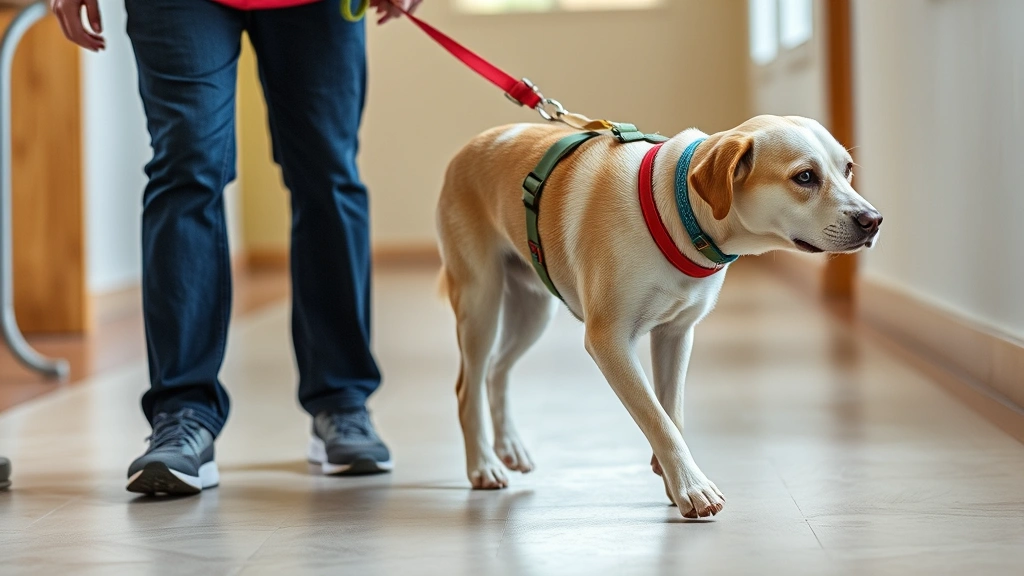
Neurological Causes of Vertigo
Beyond ear-related issues, neurological problems represent the second most common cause category for canine dizziness. These conditions range from temporary to permanent and require careful diagnostic evaluation.
Idiopathic Vestibular Disease:
This condition appears suddenly, particularly in senior dogs, causing severe vertigo that resolves gradually over days to weeks. Despite its intensity, most dogs recover completely without treatment. The exact cause remains unknown, hence the term “idiopathic.” Veterinarians believe it may relate to inflammation of the vestibular nerve or sudden degeneration of vestibular cells.
Brain Tumors:
Tumors affecting the brainstem or cerebellum can compress or damage balance centers. These typically develop slowly, causing gradual onset dizziness that worsens over time. Older dogs face higher risk, with certain breeds showing genetic predisposition.
Stroke:
Canine strokes occur when blood flow to the brain becomes blocked or interrupted. This causes sudden-onset neurological symptoms including dizziness, weakness, and behavioral changes. Unlike in humans, canine strokes often resolve better with supportive care.
Vestibular Nerve Inflammation:
Infections or immune-mediated inflammation can affect the vestibular nerve directly, causing acute vertigo. This condition typically improves with anti-inflammatory medications and time.
Diagnostic Considerations:
Neurological causes require advanced imaging like MRI or CT scans for definitive diagnosis. Your veterinarian will perform neurological examinations to assess balance, coordination, and reflexes. Blood work helps rule out metabolic causes before pursuing imaging.
When to Seek Veterinary Care
Not all dizziness requires emergency treatment, but certain situations demand immediate attention. Understanding when to call your vet versus rushing to the emergency clinic helps you respond appropriately.
Seek Immediate Emergency Care If:
- Dizziness is accompanied by seizures
- Your dog cannot stand or walk at all
- Severe vomiting or inability to keep food/water down occurs
- Symptoms appeared suddenly after trauma or head injury
- Your dog shows signs of severe pain
- Neurological symptoms progress rapidly
- Loss of consciousness or unresponsiveness develops
- Your dog stops eating or drinking completely
Schedule a Regular Appointment If:
- Mild dizziness appears gradually over days
- Head tilting is the primary symptom
- Dizziness occurs only during specific activities
- Symptoms are improving on their own
- Other mild symptoms like slight incoordination appear
When contacting your veterinarian, provide detailed information about symptom onset, duration, and any triggering factors. Mention recent medication changes, potential toxin exposure, or illness. This context helps your vet determine urgency and appropriate initial testing.
Treatment Options for Dizzy Dogs
Treatment depends entirely on the underlying cause. Your veterinarian will recommend a diagnostic approach based on symptom presentation and physical examination findings.
Diagnostic Testing:
Initial evaluation typically includes physical examination, neurological assessment, and blood work. Depending on findings, your vet may recommend ear cleaning and cytology, imaging studies, or specialist consultation. The ASPCA provides guidelines for comprehensive diagnostic workups in cases of unexplained neurological symptoms.
Ear Infection Treatment:
If ear infection is diagnosed, topical and/or oral medications address the infection. Your veterinarian may recommend ear cleaning procedures to remove debris and medication buildup. Some severe infections require extended treatment courses.
Supportive Care:
Many dogs with dizziness benefit from supportive measures regardless of cause. This includes:
- Restricted activity and cage rest during acute phases
- Elevated food and water bowls to minimize head movement
- Non-slip flooring to prevent falls
- Medications for nausea if vomiting accompanies dizziness
- Anti-inflammatory medications to reduce swelling
Medication Management:
Depending on diagnosis, your veterinarian may prescribe antibiotics, antifungals, anti-inflammatory medications, or medications targeting underlying conditions. Some dogs with severe idiopathic vestibular disease benefit from corticosteroids to reduce inflammation.
Long-term Management:
Dogs with chronic balance issues may require ongoing management. Physical therapy and balance exercises help some dogs regain coordination. Environmental modifications like ramps instead of stairs reduce injury risk for dogs with permanent balance issues.
Prevention and Home Management
While not all dizziness is preventable, certain measures reduce risk and support recovery.
Ear Health Maintenance:
Regular ear cleaning prevents infection buildup, particularly in prone breeds. Ask your veterinarian about appropriate cleaning frequency and products. Address allergies promptly, as they often precede ear infections. If your dog has parasitic infections, treat them immediately to prevent systemic complications affecting balance.
Medication Safety:
Only use medications prescribed by your veterinarian. If your dog requires medications that may affect balance, discuss monitoring strategies with your vet. Report any new symptoms appearing after medication changes.
Environmental Safety:
Create a safe space for a dizzy dog to recover. Use baby gates to prevent access to stairs. Place non-slip mats on slippery floors. Keep food and water accessible without requiring extensive movement.
Monitoring During Recovery:
Keep detailed records of symptom progression. Most dogs with acute dizziness improve within days to weeks. If symptoms persist beyond two weeks or worsen, contact your veterinarian for reassessment.
Activity Restriction:
During acute dizziness episodes, restrict jumping, running, and stair climbing. Leash walks provide controlled movement allowing gradual balance recovery. Avoid activities that increase inner ear pressure until your veterinarian clears normal activity.
Nutritional Support:
Maintain proper nutrition during recovery. Some dogs with nausea need smaller, more frequent meals. Ensure adequate hydration, as dehydration can worsen dizziness. Discuss dietary adjustments with your veterinarian if your dog has underlying metabolic conditions.
Regular Veterinary Care:
Preventive veterinary visits catch developing conditions early. Senior dogs benefit from more frequent check-ups, as age-related conditions often start subtly. Discuss any behavioral or balance changes at routine appointments.
FAQ
Can dogs get motion sickness like dizziness?
Yes, dogs can experience motion sickness in cars or boats, which differs from vestibular dizziness but involves similar balance and nausea systems. Motion sickness typically resolves once movement stops, while vestibular dizziness persists. If your dog has constipation alongside motion sickness, consult your veterinarian about potential underlying digestive issues.
Is sudden dizziness in dogs always an emergency?
Sudden dizziness warrants veterinary evaluation but isn’t always an emergency. If your dog is eating, drinking, and showing mild symptoms, a regular appointment may suffice. However, if dizziness is severe, accompanied by other alarming symptoms, or worsening rapidly, seek emergency care immediately.
How long does it take for dogs to recover from dizziness?
Recovery time varies by cause. Ear infections may improve within days to weeks of treatment. Idiopathic vestibular disease typically resolves within 7-14 days, though some residual head tilt may persist. Neurological causes may require longer recovery periods or may result in permanent balance changes.
Can dizziness in dogs be prevented?
While not all dizziness is preventable, maintaining ear health, managing allergies, ensuring proper hydration, and regular veterinary care reduce many risk factors. Early treatment of infections and prompt attention to health changes minimize complications.
What should I do if my dog suddenly becomes dizzy?
Keep your dog in a safe, quiet space to prevent injury. Provide easy access to water and food. Contact your veterinarian for guidance. If symptoms are severe or accompanied by other concerning signs, seek emergency veterinary care. Monitor your dog closely and note any changes in symptoms.





