

As loving dog owners, we naturally want to understand every aspect of our furry companions’ health and well-being. One question that occasionally surfaces in veterinary discussions and online forums is whether dogs can experience conditions similar to human Down syndrome. This complex topic requires careful examination of canine genetics, developmental disorders, and the fundamental differences between human and dog chromosomal structures.
While dogs cannot technically develop Down syndrome as humans do, they can experience various genetic and developmental conditions that may produce similar symptoms or characteristics. Understanding these distinctions is crucial for pet owners who want to provide the best possible care for dogs with special needs, ensuring they receive appropriate veterinary attention and support throughout their lives.
What is Down Syndrome?
Down syndrome is a genetic disorder that occurs in humans when there is an extra copy of chromosome 21, a condition medically known as trisomy 21. This additional genetic material causes the characteristic physical features, intellectual disabilities, and health complications associated with the condition. In humans, Down syndrome affects approximately 1 in 700 births and results from a random error in cell division during the formation of reproductive cells.
The syndrome was first described by British physician John Langdon Down in 1866, though the chromosomal basis wasn’t understood until 1959. People with Down syndrome typically exhibit distinctive facial features, including almond-shaped eyes, a flattened face profile, and a shorter stature. They may also experience varying degrees of intellectual disability, heart defects, and increased susceptibility to certain health conditions.
Understanding the specific genetic mechanism behind Down syndrome is essential when considering whether similar conditions can affect our canine companions. The disorder’s foundation lies in human chromosome structure and the specific effects of chromosome 21 duplication, which creates a unique set of circumstances that don’t directly translate to other species.
Can Dogs Actually Get Down Syndrome?
The straightforward answer is no – dogs cannot develop Down syndrome in the same way humans do. This impossibility stems from fundamental differences in chromosomal structure between species. While dogs can experience genetic abnormalities and developmental disorders that may superficially resemble some aspects of Down syndrome, the specific chromosomal arrangement that causes human Down syndrome simply doesn’t exist in canine genetics.
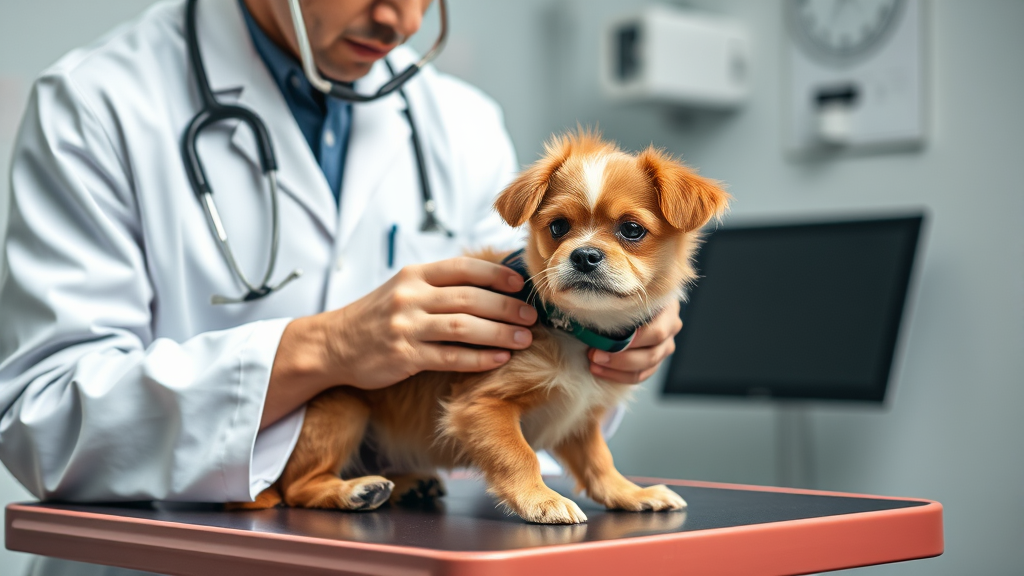
However, this doesn’t mean dogs are immune to genetic disorders or developmental abnormalities. Canines can suffer from various chromosomal abnormalities, genetic mutations, and congenital conditions that may produce symptoms similar to those seen in humans with Down syndrome. These conditions might include intellectual impairment, physical developmental delays, distinctive facial features, or organ defects.
The confusion often arises when dog owners observe behaviors or physical characteristics in their pets that seem reminiscent of Down syndrome symptoms. Some dogs may exhibit learning difficulties, unusual facial features, or developmental delays that prompt owners to wonder about genetic conditions. Just as questions arise about whether can dogs have autism, similar inquiries about Down syndrome reflect our natural tendency to compare canine and human conditions.
Veterinary geneticists emphasize that while dogs cannot have Down syndrome per se, they can certainly experience genetic disorders that require professional evaluation and management. The key is understanding that these conditions, while potentially serious, are distinct from human Down syndrome and require species-specific approaches to diagnosis and treatment.
Chromosomal Differences Between Humans and Dogs
To understand why dogs cannot develop Down syndrome, we must examine the chromosomal differences between humans and canines. Humans possess 23 pairs of chromosomes (46 total), with Down syndrome specifically resulting from an extra copy of chromosome 21. Dogs, on the other hand, have 39 pairs of chromosomes (78 total), creating an entirely different genetic landscape.
The canine genome lacks a direct equivalent to human chromosome 21, making the specific trisomy that causes Down syndrome impossible in dogs. According to research published by the National Center for Biotechnology Information, while dogs share many genetic similarities with humans, their chromosomal organization is distinctly different, preventing the occurrence of human-specific genetic conditions.
This chromosomal difference doesn’t mean dogs are free from genetic disorders – quite the opposite. Dogs can experience their own unique set of chromosomal abnormalities, including autosomal trisomies affecting different chromosomes. These conditions may produce symptoms that owners might associate with Down syndrome, such as cognitive impairment, growth delays, or physical abnormalities, but they represent entirely different genetic mechanisms.
The American Kennel Club emphasizes the importance of understanding breed-specific genetic predispositions, as different dog breeds carry varying risks for inherited conditions. This breed-specific genetic variation adds another layer of complexity to canine genetics that differs significantly from human genetic disorders.
Similar Genetic Conditions in Dogs
While dogs cannot develop Down syndrome, they can experience various genetic and developmental conditions that may produce similar symptoms or characteristics. These conditions can affect cognitive function, physical development, and overall health, sometimes creating confusion among pet owners who notice unusual behaviors or features in their dogs.
Congenital hypothyroidism is one condition that can cause developmental delays, growth problems, and cognitive impairment in dogs. Puppies born with this condition may exhibit delayed mental development, shorter stature, and distinctive facial features that might remind owners of Down syndrome characteristics. The condition results from inadequate thyroid hormone production during critical developmental periods.
Hydrocephalus, or “water on the brain,” is another condition that can cause cognitive impairment and distinctive physical features in dogs. This condition involves the accumulation of cerebrospinal fluid in the brain’s ventricles, potentially leading to learning difficulties, seizures, and an enlarged, dome-shaped head. Certain breeds, particularly toy breeds, show increased susceptibility to this condition.
Some dogs may also experience cognitive dysfunction that shares similarities with developmental disorders in humans. Just as pet owners might wonder can dogs be autistic, they may observe repetitive behaviors, social difficulties, or learning challenges that seem reminiscent of human developmental conditions. However, these behaviors typically stem from different underlying causes in dogs.

Pituitary dwarfism represents another condition that can cause growth delays and distinctive physical features in dogs. This genetic condition, particularly common in German Shepherds, results from growth hormone deficiency and can produce dogs with puppy-like features throughout their adult lives, along with potential cognitive effects.
Portosystemic shunts, where blood bypasses the liver, can cause neurological symptoms including behavioral changes, learning difficulties, and growth problems. While not a chromosomal condition, these vascular abnormalities can produce symptoms that owners might associate with genetic developmental disorders.
Recognizing Developmental Disorders in Dogs
Identifying potential developmental disorders in dogs requires careful observation of behavior, physical development, and learning patterns. While every dog develops at their own pace, certain signs may indicate underlying genetic or developmental issues that warrant veterinary evaluation. Early recognition of these signs can lead to better management and improved quality of life for affected dogs.
Physical signs that might suggest developmental disorders include unusual facial features, such as an abnormally flat or broad face, wide-set eyes, or a protruding tongue. Growth abnormalities, including significantly delayed growth, disproportionate body parts, or failure to reach expected size for the breed, may also indicate underlying conditions. Some dogs may exhibit coordination problems, difficulty walking, or unusual gait patterns that suggest neurological involvement.
Cognitive and behavioral indicators can be more subtle but equally important to recognize. Dogs with developmental disorders might show delayed house training, difficulty learning basic commands, or problems with social interaction. Some may display repetitive behaviors, excessive fearfulness, or unusual responses to environmental stimuli. These behavioral patterns might lead owners to question whether their pets could have conditions similar to human developmental disorders, such as wondering can dogs get autism.
Learning difficulties can manifest in various ways, including problems with basic training, difficulty adapting to new situations, or challenges with problem-solving tasks. Some dogs may show excellent memory for certain activities while struggling significantly with others, creating an uneven learning profile that suggests underlying neurological differences.
Health complications often accompany developmental disorders in dogs. These might include heart defects, breathing difficulties, digestive problems, or increased susceptibility to infections. Dogs with genetic conditions may also experience can dogs have asthma or other respiratory issues as part of their overall health picture.
Sleep disturbances and unusual sleep patterns can also indicate developmental disorders. Some dogs may experience disrupted sleep cycles, excessive daytime sleepiness, or unusual sleep behaviors. Pet owners might even wonder do dogs have nightmares when observing unusual sleep-related behaviors in dogs with developmental conditions.
Caring for Dogs with Special Needs
Dogs with genetic or developmental conditions require specialized care and understanding from their human families. While these dogs may face unique challenges, they can still lead fulfilling, happy lives with appropriate support and management. The key lies in adapting care approaches to meet each dog’s individual needs while maintaining realistic expectations about their capabilities and limitations.
Environmental modifications often play a crucial role in supporting dogs with developmental disorders. Creating a safe, predictable environment helps reduce stress and prevents accidents. This might involve using baby gates to restrict access to potentially dangerous areas, providing non-slip surfaces to prevent falls, or establishing consistent routines that help dogs feel secure and confident.
Training approaches for special needs dogs require patience, consistency, and often creative problem-solving. Traditional training methods may need modification to accommodate learning differences or physical limitations. Positive reinforcement techniques work particularly well, as they build confidence while teaching necessary skills. Breaking complex tasks into smaller, manageable steps can help dogs with cognitive impairments master important behaviors.
Attention disorders in dogs, similar to questions about can dogs get add, may require special training techniques that account for shorter attention spans or difficulty focusing. These dogs might benefit from shorter training sessions, high-value rewards, and reduced environmental distractions during learning activities.
Medical management forms another critical component of care for dogs with genetic conditions. Regular veterinary checkups become even more important, as these dogs may be predisposed to specific health problems. Preventive care, including appropriate vaccinations, parasite control, and dental care, helps maintain overall health and prevent complications.
Nutritional support may require special consideration for dogs with developmental disorders. Some conditions affect metabolism, growth, or nutrient absorption, necessitating specialized diets or supplements. Working with a veterinary nutritionist can help ensure affected dogs receive optimal nutrition to support their unique needs.
Safety considerations become paramount when caring for dogs with cognitive or physical impairments. These dogs may have poor judgment about dangerous situations, making supervision and environmental management crucial. Pet owners should be particularly vigilant about preventing injuries, as dogs with developmental disorders might be more prone to accidents or can dogs get concussions due to coordination problems or poor spatial awareness.
When to Consult Your Veterinarian
Recognizing when to seek professional veterinary advice is crucial for dogs showing signs of developmental disorders or genetic conditions. Early intervention can significantly improve outcomes and quality of life for affected dogs. Pet owners should understand that professional evaluation is always preferable to self-diagnosis, especially when dealing with complex genetic or developmental conditions.
Immediate veterinary consultation is warranted if dogs display severe symptoms such as seizures, difficulty breathing, loss of consciousness, or sudden behavioral changes. These signs may indicate serious underlying conditions that require prompt medical attention. Additionally, any dog showing signs of pain, distress, or inability to perform basic functions should receive immediate professional evaluation.
For less acute symptoms, scheduling a veterinary appointment within a reasonable timeframe allows for thorough evaluation and appropriate testing. The American Veterinary Medical Association recommends establishing a relationship with a trusted veterinarian who can provide ongoing care and guidance for dogs with special needs.
Diagnostic testing may include blood work, genetic testing, imaging studies, or neurological evaluations depending on the suspected condition. Modern veterinary medicine offers sophisticated diagnostic tools that can help identify specific genetic conditions, metabolic disorders, or structural abnormalities that might explain a dog’s symptoms.
Specialized veterinary services, including veterinary neurologists, geneticists, or behaviorists, may provide additional expertise for complex cases. These specialists can offer advanced diagnostic capabilities and treatment options that general practitioners might not provide. The Humane Society provides guidance on finding appropriate veterinary specialists when needed.
Ongoing veterinary care becomes particularly important for dogs with confirmed genetic or developmental conditions. Regular monitoring allows for early detection of complications, adjustment of treatment plans, and optimization of quality of life measures. Many conditions require lifelong management rather than one-time treatment, making the veterinarian-client relationship crucial for long-term success.
Frequently Asked Questions
Can dogs actually have Down syndrome like humans do?
No, dogs cannot have Down syndrome in the same way humans do. Down syndrome results from an extra copy of chromosome 21 in humans, but dogs have a completely different chromosomal structure with 39 pairs of chromosomes compared to humans’ 23 pairs. While dogs can have genetic disorders that produce similar symptoms, they cannot develop the specific condition known as Down syndrome.
What genetic conditions in dogs might look similar to Down syndrome?
Several conditions in dogs can produce symptoms reminiscent of Down syndrome, including congenital hypothyroidism, hydrocephalus, pituitary dwarfism, and various chromosomal abnormalities. These conditions may cause developmental delays, distinctive facial features, growth problems, and cognitive impairment, but they result from different genetic mechanisms than human Down syndrome.
How can I tell if my dog has a developmental disorder?
Signs of developmental disorders in dogs may include unusual physical features, delayed growth, learning difficulties, coordination problems, behavioral abnormalities, and health complications. If you notice your dog having trouble with basic training, showing unusual facial features, experiencing growth delays, or displaying repetitive behaviors, consult your veterinarian for proper evaluation.
Are certain dog breeds more likely to have genetic disorders?
Yes, certain breeds are predisposed to specific genetic conditions due to their breeding history and genetic makeup. For example, toy breeds are more susceptible to hydrocephalus, German Shepherds may develop pituitary dwarfism, and brachycephalic breeds face increased risks for breathing difficulties. The American Kennel Club provides breed-specific health information for prospective and current dog owners.
Can dogs with genetic conditions live normal, happy lives?
Many dogs with genetic or developmental conditions can live fulfilling lives with appropriate care, environmental modifications, and veterinary support. While they may require special accommodations and ongoing medical management, these dogs often form strong bonds with their families and can experience joy and contentment despite their challenges.
Should I avoid getting a dog from breeds known for genetic problems?
Rather than avoiding specific breeds entirely, focus on finding responsible breeders who conduct appropriate health testing and screen for known genetic conditions. Research the breed’s common health issues, ask breeders about health clearances, and consider adopting from reputable rescue organizations that provide health information about their dogs.
What should I do if I suspect my dog has a genetic condition?
Schedule a veterinary appointment for proper evaluation and diagnosis. Your veterinarian may recommend specific tests, refer you to specialists, or suggest management strategies based on your dog’s symptoms and condition. Early intervention often leads to better outcomes and improved quality of life for dogs with genetic disorders. The Centers for Disease Control and Prevention emphasizes the importance of regular veterinary care for maintaining pet health.





