

Can Dogs Get Eczema?
If you’ve noticed your furry companion scratching excessively, displaying red or inflamed skin, or developing uncomfortable-looking patches, you might be wondering whether dogs can develop eczema. The short answer is yes—dogs absolutely can get eczema, and it’s one of the most common skin conditions veterinarians treat in canine patients. Eczema in dogs, medically known as atopic dermatitis, affects countless pets worldwide and can significantly impact their quality of life if left untreated.
Understanding canine eczema is essential for any responsible dog owner. This condition goes beyond simple itchiness; it’s a chronic inflammatory skin disease that can cause considerable discomfort and lead to secondary infections if not properly managed. Whether your dog is a puppy or a senior companion, they can develop eczema at any age, though certain breeds and genetic factors make some dogs more susceptible than others.
In this comprehensive guide, we’ll explore everything you need to know about eczema in dogs, including its causes, symptoms, diagnosis, and treatment options. We’ll also discuss prevention strategies and when to seek veterinary care for your beloved pet.
Table of Contents
- What Is Dog Eczema?
- Causes and Symptoms of Canine Eczema
- Breeds and Risk Factors
- Diagnosis and Treatment Options
- Prevention and Long-Term Management
- Frequently Asked Questions
What Is Dog Eczema?
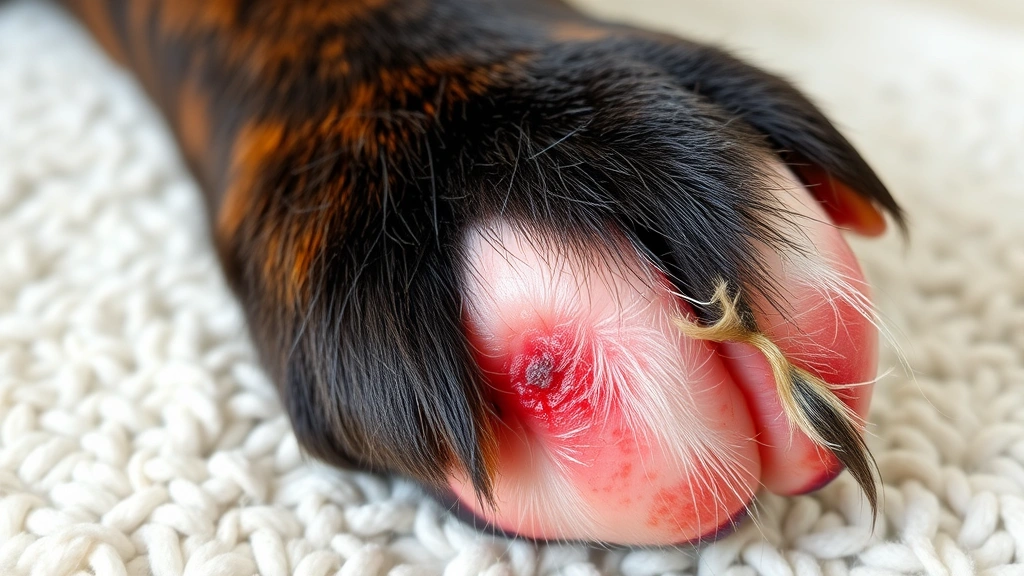
Canine eczema, or atopic dermatitis, is a chronic inflammatory skin condition that causes intense itching and skin irritation in dogs. Unlike humans who might develop eczema on specific body parts, dogs typically experience eczema on their paws, ears, face, and skin folds. The condition results from the skin’s inability to maintain proper moisture and protective barriers, making it vulnerable to irritation and infection.
According to resources from the American Kennel Club regarding skin conditions in dogs, eczema represents a significant portion of dermatological complaints in veterinary medicine. The condition is characterized by the immune system overreacting to environmental triggers, leading to inflammation and the characteristic itching and scratching that defines the disease.
The skin barrier dysfunction in eczemic dogs is particularly problematic because it allows allergens, irritants, and bacteria to penetrate more easily. This creates a vicious cycle: the compromised skin barrier leads to increased itching, which the dog scratches, further damaging the skin and increasing susceptibility to secondary bacterial or yeast infections.
Causes and Symptoms of Canine Eczema
The causes of dog eczema are multifaceted and often involve a combination of genetic predisposition and environmental factors. Genetic factors play a significant role, with some breeds inheriting a tendency toward atopic dermatitis. Environmental allergens such as pollen, dust mites, mold spores, and grass can trigger eczema flare-ups in susceptible dogs. Food allergies also contribute to eczema development in many cases, making dietary assessment an important part of diagnosis.
Recognizing the symptoms of canine eczema is crucial for early intervention. The most obvious sign is excessive scratching, licking, or biting at the skin. You might notice your dog becoming obsessed with certain areas of their body, particularly their paws, ears, and face. Many owners observe that their dogs scratch so intensely that they create open sores or hot spots on their skin. Speaking of which, understanding what causes hot spots on dogs can help you distinguish between different skin conditions.
Visible skin changes accompany the behavioral symptoms. The affected areas may appear red, inflamed, or discolored. Some dogs develop a distinctive odor from their skin, often described as yeasty or musty, which indicates a secondary yeast infection has developed. Hair loss in patches, dry and flaky skin, and thickened or darkened skin in chronic cases are also common observations. Additionally, you might notice your dog experiencing ear infections more frequently, as the ears are a common site for eczema manifestation.
The American Veterinary Medical Association provides detailed information on atopic dermatitis in dogs, emphasizing that symptoms often worsen during certain seasons when environmental allergen levels peak. Your dog might experience periods of remission followed by acute flare-ups, or the condition might be persistent throughout the year.
Breeds and Risk Factors for Canine Eczema
Certain dog breeds show a significantly higher predisposition to developing eczema. Breeds like Golden Retrievers, Labrador Retrievers, English Bulldogs, French Bulldogs, West Highland White Terriers, and Boxers are genetically more prone to atopic dermatitis. If your dog belongs to one of these breeds, understanding your pet’s skin health should be a priority.
Beyond breed predisposition, several other risk factors increase the likelihood of eczema development. Age plays a role, with many dogs developing eczema between one and three years old, though it can manifest at any life stage. Environmental factors such as living in areas with high humidity, exposure to air pollutants, or homes with certain cleaning products can exacerbate skin conditions. Your dog’s diet also significantly influences skin health, with poor nutrition or food sensitivities contributing to eczema development.
Stress and anxiety can trigger or worsen eczema symptoms in dogs, much like in humans. Dogs experiencing separation anxiety, changes in their environment, or other stressors may experience eczema flare-ups. The relationship between can dogs get poison ivy and other environmental skin irritants highlights how external factors can compromise skin health and trigger inflammatory responses in susceptible animals.
Diagnosis and Treatment Options
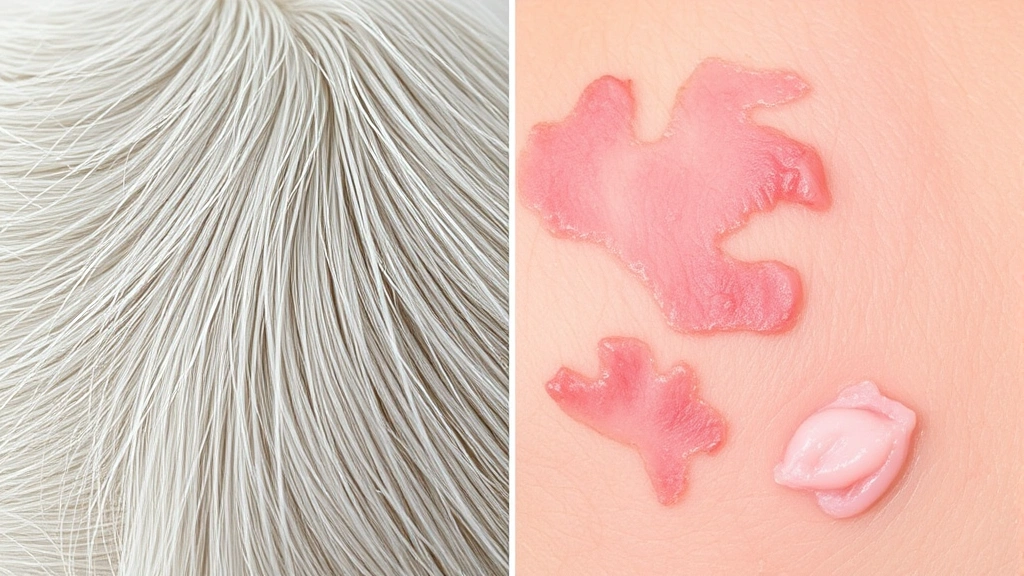
Diagnosing canine eczema requires a comprehensive veterinary evaluation. Your veterinarian will perform a physical examination, review your dog’s medical history, and may conduct additional tests to rule out other conditions. Skin scrapings, fungal cultures, or bacterial cultures might be necessary to identify secondary infections. Allergy testing, either through intradermal testing or blood tests, can help identify specific environmental or food allergens triggering your dog’s eczema.
The diagnostic process is important because several conditions mimic eczema symptoms. Parasitic infestations like lice in dogs can cause similar itching and skin irritation. Bacterial or yeast infections also present with comparable symptoms. Your veterinarian’s expertise in differentiating between these conditions ensures your dog receives appropriate treatment.
Treatment approaches for canine eczema are multifaceted and should be tailored to your individual dog’s needs. Topical treatments are often the first line of defense, including medicated shampoos, conditioners, and creams that help restore skin barrier function and reduce inflammation. Bathing your dog with prescribed hypoallergenic or medicated products can provide immediate relief and help manage symptoms.
Oral medications may be necessary for more severe cases. Antihistamines can help reduce itching, while corticosteroids provide anti-inflammatory effects. Newer medications like cyclosporine and Apoquel specifically target the immune response causing eczema symptoms without the side effects associated with long-term steroid use. According to PetMD’s information on eczema in dogs, these medications have revolutionized eczema management in veterinary medicine.
Dietary modifications represent another crucial treatment component. Switching to limited ingredient diets, hypoallergenic formulas, or prescription diets can significantly reduce eczema symptoms if food allergies are contributing factors. Omega-3 and omega-6 fatty acid supplements support skin health and have been shown to reduce inflammation and itching in eczemic dogs.
Prevention and Long-Term Management Strategies
While you cannot completely prevent eczema in genetically predisposed dogs, you can significantly reduce flare-ups and manage the condition effectively through strategic interventions. Maintaining a consistent bathing schedule with appropriate products is fundamental. Bathing your dog every one to two weeks with hypoallergenic or medicated shampoos helps remove allergens and keeps the skin clean without stripping natural oils.
Environmental control plays a vital role in eczema management. Regular vacuuming with HEPA filters, washing bedding frequently, and minimizing exposure to known allergens can reduce trigger exposure. If your dog’s eczema correlates with seasonal patterns, increased vigilance during high allergen seasons helps prevent severe flare-ups.
Nutritional support cannot be overstated in eczema prevention and management. High-quality diets rich in omega fatty acids, antioxidants, and essential nutrients support skin barrier function and immune regulation. Many veterinarians recommend adding fish oil supplements to your dog’s diet, as the anti-inflammatory properties benefit eczemic skin considerably.
Stress management is another preventative strategy often overlooked by dog owners. Regular exercise, mental stimulation, consistent routines, and anxiety-reducing techniques help minimize stress-triggered eczema flare-ups. Creating a calm environment and providing adequate attention and socialization contribute to overall skin health.
Regular veterinary check-ups are essential for long-term eczema management. Your veterinarian can monitor your dog’s condition, adjust treatment protocols as needed, and catch secondary infections early before they complicate the primary eczema diagnosis. During these visits, discuss any changes in symptoms or responses to current treatments.
It’s worth noting that while eczema is distinct from infectious conditions, understanding your dog’s overall health is important. For instance, being aware of conditions like whether dogs can get colds helps you distinguish between viral infections and chronic skin conditions. Similarly, understanding other health concerns like can dogs get bird flu helps you maintain comprehensive pet health awareness.
Frequently Asked Questions About Canine Eczema
Is canine eczema contagious to other dogs or humans?
No, eczema is not contagious. It’s a non-infectious inflammatory skin condition caused by genetic factors and environmental triggers. However, if your dog develops a secondary bacterial or yeast infection due to scratching, those infections could potentially spread through direct contact, though this is relatively uncommon. The underlying eczema itself cannot be transmitted between dogs or to humans.
Can eczema in dogs be cured permanently?
Unfortunately, atopic dermatitis in dogs cannot be cured permanently, as the genetic predisposition remains lifelong. However, eczema can be effectively managed and controlled through various treatment and prevention strategies. Many dogs experience significant improvement in symptoms and quality of life with appropriate management, and some may go into remission for extended periods. The goal is symptom management rather than cure.
How long does it take to see improvement after starting eczema treatment?
The timeline for improvement varies depending on the specific treatment and your dog’s individual response. Some topical treatments provide relief within days, while oral medications may take several weeks to show full effects. Dietary changes typically require four to eight weeks to demonstrate noticeable improvements. Your veterinarian can provide specific timelines based on the chosen treatment approach.
Are there natural remedies that help with dog eczema?
Several natural approaches can complement veterinary treatment, though they should not replace professional medical care. Oatmeal baths, coconut oil applications, and aloe vera can provide soothing relief for itchy skin. Omega-3 supplements from fish oil support skin health, while probiotics may help immune regulation. However, always consult your veterinarian before introducing new supplements or remedies to ensure they won’t interact with prescribed medications.
What’s the difference between eczema and other common dog skin conditions?
While eczema causes itching and inflammation due to immune responses and genetic factors, other conditions have different underlying causes. Understanding various health issues like why dogs might experience gastrointestinal symptoms helps distinguish between systemic and dermatological problems. Parasitic infections, fungal infections, and bacterial infections all present differently and require different treatments. Your veterinarian can perform diagnostic tests to differentiate between these conditions accurately.
Can changing my dog’s environment reduce eczema symptoms?
Absolutely. Environmental modifications can significantly impact eczema severity. Reducing exposure to known allergens, maintaining consistent humidity levels, using air purifiers, and minimizing stress all contribute to symptom reduction. Seasonal adjustments and careful product selection for cleaning supplies and grooming can make substantial differences in your dog’s comfort level.
Should I bathe my eczemic dog more or less frequently?
Regular bathing with appropriate products is actually beneficial for eczemic dogs. Bathing removes allergens, bacteria, and irritants from the skin and coat. However, using the right products is crucial—medicated or hypoallergenic shampoos designed for sensitive skin are necessary rather than regular dog shampoos. Most veterinarians recommend bathing eczemic dogs weekly to biweekly, followed by thorough drying and appropriate conditioning products. According to resources from Merck Veterinary Manual on eczema, proper bathing protocols are fundamental to eczema management.





