
Can Dogs Get Hairballs? What Pet Experts Say
If you’ve ever owned a cat, you know the unmistakable sound of a hairball being coughed up—it’s not exactly a pleasant experience. But here’s something that might surprise you: dogs can get hairballs too! While it’s far less common in our canine companions than in their feline friends, it’s definitely something pet parents should understand. Whether your dog is a heavy shedder or has longer fur, knowing about hairballs and how to prevent them is essential for keeping your pup healthy and happy.
The truth is, many dog owners don’t realize their furry friends can experience hairball issues at all. After all, we typically associate hairballs with cats, right? But the reality is more nuanced. Dogs have different digestive systems than cats, which means they handle ingested hair differently. However, that doesn’t mean your dog is completely immune to hairball-related problems. In this comprehensive guide, we’ll explore everything you need to know about canine hairballs, from what causes them to how you can prevent them from becoming a health concern.
Understanding this issue is particularly important if you notice your dog experiencing digestive discomfort or if they spend a lot of time grooming themselves. Let’s dive into the science behind hairballs in dogs and discover what pet experts recommend.
Can Dogs Actually Get Hairballs?
Yes, dogs absolutely can get hairballs, though the mechanics are somewhat different from what happens in cats. The key difference lies in how their digestive systems work. According to the American Kennel Club’s health resources, dogs have a shorter digestive tract and more acidic stomach than cats, which typically helps them process hair more efficiently. However, this doesn’t mean they’re completely protected from hairball issues.
When dogs ingest hair—whether from their own coat or from shedding around the house—it travels through their digestive system. In most cases, the hair passes through without incident and exits in their stool. But when a dog ingests excessive amounts of hair, or if their digestive system isn’t functioning optimally, that hair can accumulate and form a mass in the stomach or intestines, creating a genuine hairball.
The distinction between dogs and cats is important: cats are meticulous groomers and naturally ingest more hair during their grooming routine. Dogs, while they do groom themselves, typically don’t groom as intensively or as frequently. This means hairballs are genuinely less common in dogs than in cats. However, certain breeds and certain situations can increase the risk significantly.

Why Dogs Swallow Hair in the First Place
Understanding why dogs swallow hair in the first place helps us tackle the root cause of potential hairball problems. There are several reasons your dog might be ingesting more hair than usual:
- Self-grooming: Dogs naturally lick and chew their fur as part of their normal grooming routine. While this is healthy in moderation, excessive grooming can lead to increased hair ingestion.
- Anxiety or stress: Just like humans, dogs can develop stress-related behaviors. If your dog is anxious, they might groom excessively, which means more hair ends up in their stomach.
- Skin irritation: When dogs have itchy skin due to allergies, parasites, or other dermatological issues, they tend to lick and chew at their skin more frequently, ingesting additional hair in the process.
- Behavioral issues: Some dogs engage in compulsive licking or chewing behaviors that result in excessive hair ingestion. This is sometimes related to boredom or lack of mental stimulation.
- Environmental factors: Dogs living in homes with multiple pets, especially other dogs, might ingest hair shed by their companions.
If you notice your dog is licking their paws excessively, this could be a sign that they’re ingesting more hair than normal and might be at higher risk for hairball complications. Addressing the underlying cause of excessive licking is just as important as managing the hairball risk itself.
Signs and Symptoms to Watch For
Recognizing the signs of hairball problems in your dog is crucial for early intervention. While some dogs pass hair without any issues, others might experience noticeable symptoms. Here are the key warning signs:
- Vomiting: This is the most common sign. If your dog is throwing up regularly, it could indicate a hairball issue, though vomiting has many other possible causes.
- Retching or gagging: Your dog might make gagging sounds or appear to be trying to vomit without actually producing anything.
- Loss of appetite: A dog experiencing digestive discomfort from a hairball might eat less than usual.
- Constipation: If hair is blocking the digestive tract, your dog might have difficulty having bowel movements or might not have one for several days.
- Lethargy: A dog dealing with hairball complications might seem less energetic or playful than usual.
- Abdominal pain: Signs include whining, restlessness, or reluctance to move.
- Diarrhea or irregular stools: Some dogs experience diarrhea or inconsistent stool quality when dealing with hairball issues.

It’s important to note that many of these symptoms can indicate other health issues as well. According to the ASPCA, persistent vomiting or constipation in dogs always warrants a veterinary evaluation to rule out serious conditions.
Prevention Tips from Pet Experts
The best approach to hairballs is prevention. Pet experts and veterinarians recommend several strategies to minimize your dog’s risk:
Regular Grooming
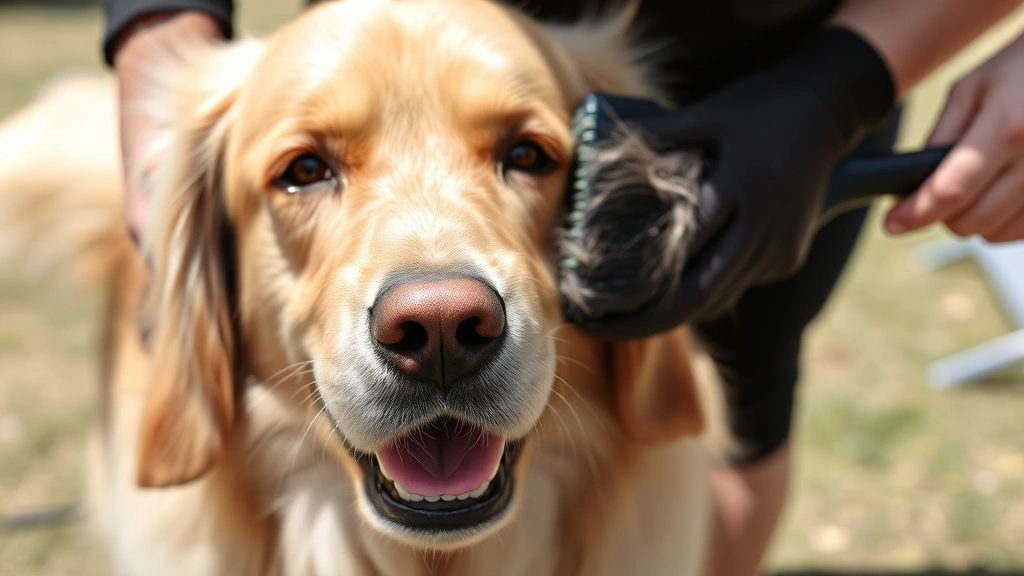
One of the most effective prevention methods is consistent grooming. By brushing your dog regularly, you remove loose fur before they have a chance to ingest it. For long-haired breeds, daily brushing is ideal, while short-haired dogs benefit from brushing several times per week. Learning how to groom a dog properly can significantly reduce the amount of loose hair in your home and on your dog’s coat.
Dietary Adjustments
A high-quality diet with adequate fiber can help move hair through your dog’s digestive system more efficiently. Some pet owners have found that adding pumpkin to their dog’s diet helps with digestive regularity. Additionally, ensuring your dog gets enough dietary fiber supports healthy digestion. Always consult with your veterinarian before making significant dietary changes.
Hydration
Keeping your dog well-hydrated supports healthy digestion and can help prevent constipation, which is often associated with hairball complications. Make sure fresh water is always available.
Address Underlying Issues
If your dog is excessively grooming due to skin allergies, parasites, or anxiety, addressing these underlying issues is crucial. Work with your veterinarian to identify and treat any skin conditions or behavioral problems that might be causing excessive hair ingestion.
Environmental Management
Keep your home clean and minimize loose hair in your dog’s environment. Regular vacuuming and dusting can help reduce the amount of hair your dog encounters.
Supplements and Probiotics
Some veterinarians recommend digestive enzymes or probiotics to support healthy gut function and help dogs process ingested hair more efficiently. Discuss these options with your vet before introducing them.
Treatment Options When Hairballs Occur
If your dog does develop a hairball or you suspect they might have one, several treatment options are available depending on the severity:
Conservative Management
For mild cases, your veterinarian might recommend monitoring your dog at home with dietary adjustments and increased fiber intake. Ensuring your dog stays hydrated and gets regular exercise can help move things along naturally.
Medications
Veterinarians sometimes prescribe medications to help stimulate digestive movement or soften stool to help hair pass through more easily. These should only be used under veterinary supervision.
Specialized Diets
Your vet might recommend a prescription diet specifically formulated to help with digestive issues or to reduce shedding.
Surgical Intervention
In severe cases where a hairball is completely blocking the digestive tract and not responding to conservative treatment, surgery might be necessary. This is rare but important to know about as a possibility. According to Veterinary Information Network, surgical removal is typically a last resort when the blockage poses a risk to your dog’s health.
Breed Considerations and Risk Factors
Certain dog breeds are at higher risk for hairball issues than others. Understanding your dog’s risk profile helps you take preventive measures:
High-Risk Breeds
Long-haired breeds like Golden Retrievers, German Shepherds, Collies, and Huskies shed considerably and have longer coats that they’re more likely to ingest during grooming. These breeds require more frequent grooming and monitoring.
Double-Coated Breeds
Breeds with double coats, such as Corgis and Australian Shepherds, shed heavily, particularly during shedding season. These dogs benefit greatly from regular brushing during peak shedding times.
Age Considerations
Senior dogs sometimes have less efficient digestive systems, which can make them more susceptible to hairball complications. Older dogs might also spend more time grooming due to skin issues or discomfort.
Health Status
Dogs with underlying digestive issues, allergies, or other health conditions are at higher risk. Maintaining overall health through regular veterinary checkups is essential.
Frequently Asked Questions
Do all dogs get hairballs?
No, not all dogs get hairballs. While all dogs shed and groom themselves to some extent, most dogs pass ingested hair without problems. Hairballs are more common in certain breeds and situations, but they’re generally less common in dogs than in cats.
How often should I brush my dog to prevent hairballs?
This depends on your dog’s coat type. Long-haired breeds should be brushed daily, while medium-haired dogs benefit from brushing 3-4 times per week. Short-haired dogs typically need brushing once or twice per week. During shedding season, increase frequency for all breeds.
Can hairballs be fatal in dogs?
While most hairballs pass naturally or resolve with conservative treatment, severe blockages can be serious and potentially life-threatening if they completely obstruct the digestive tract. This is why prompt veterinary attention is important if you suspect a serious blockage.
What’s the difference between a dog hairball and a cat hairball?
Cats typically have more hairballs because they groom more frequently and intensively than dogs. Dogs’ digestive systems are also more efficient at processing hair due to stronger stomach acid and a shorter digestive tract. When dogs do get hairballs, they’re usually less common and often related to excessive shedding or grooming behavior.
Should I give my dog a hairball remedy?
Before giving your dog any hairball remedies or supplements, consult with your veterinarian. While some products are available over-the-counter, your vet can recommend the safest and most effective option based on your dog’s individual health needs.
Is excessive vomiting always a sign of hairballs?
No, excessive vomiting in dogs can indicate many different health issues, from food sensitivities to more serious conditions. If your dog is vomiting frequently, schedule a veterinary appointment for proper diagnosis rather than assuming it’s hairball-related.
Can I prevent hairballs entirely?
While you can significantly reduce the risk of hairballs through regular grooming, proper diet, and addressing underlying health issues, you cannot entirely eliminate the possibility, especially in high-shedding breeds. The goal is to minimize risk and catch any issues early.





