

If you’ve ever heard your dog making those distinctive “hic” sounds, you might have wondered: can dogs get hiccups? The answer is a resounding yes! Dogs can indeed experience hiccups, and they’re more common than many pet owners realize. Just like humans, dogs can develop these involuntary spasms of the diaphragm that create that familiar rhythmic sound.
Dog hiccups are particularly common in puppies and young dogs, though adult dogs can certainly experience them too. While hiccups in dogs are usually harmless and temporary, understanding why they occur and how to help your furry friend can give you peace of mind and strengthen the bond between you and your pet. From eating too quickly to excitement and stress, there are numerous triggers that can cause your dog to develop hiccups.
What Are Dog Hiccups?
Dog hiccups are essentially the same physiological phenomenon that occurs in humans. They result from involuntary contractions or spasms of the diaphragm, the large muscle that separates the chest cavity from the abdominal cavity and plays a crucial role in breathing. When the diaphragm contracts suddenly, it causes a quick intake of breath that’s abruptly stopped by the closing of the vocal cords, creating the characteristic “hic” sound.
The American Veterinary Medical Association explains that hiccups in dogs are generally benign and self-limiting, meaning they typically resolve on their own without intervention. However, the frequency and intensity of hiccups can vary significantly between individual dogs and different age groups.
Unlike some other behaviors that might cause concern, such as understanding why is my dog shaking, hiccups are usually nothing to worry about. They’re a normal bodily function that can occur in dogs of all breeds, sizes, and ages, though they’re most commonly observed in younger animals.
Common Causes of Dog Hiccups
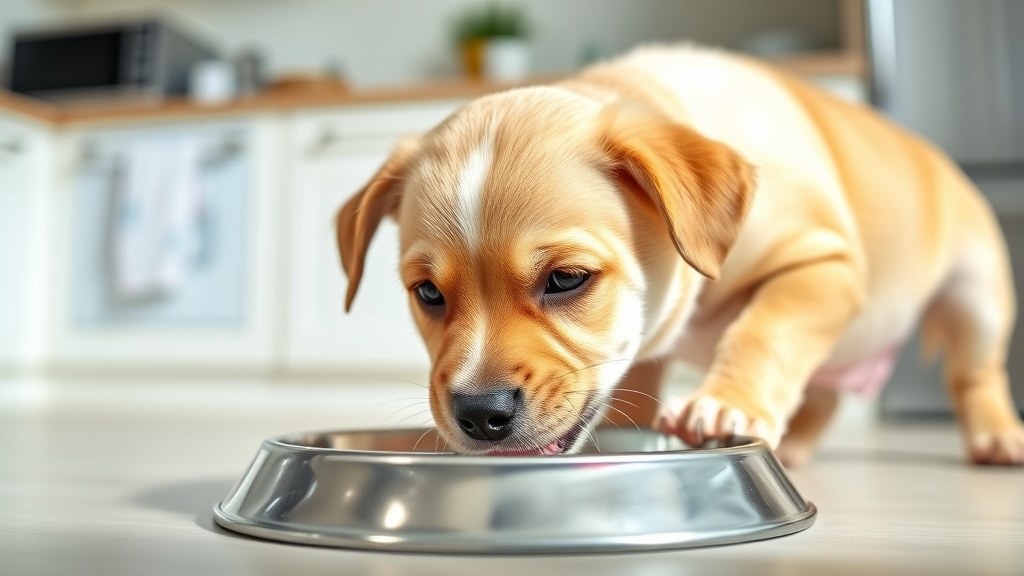
Understanding what triggers hiccups in dogs can help you better manage and prevent them. The most common cause is eating or drinking too quickly, which can lead to swallowing excess air along with food or water. This rapid consumption causes the stomach to expand quickly, putting pressure on the diaphragm and triggering those involuntary spasms.
Temperature extremes can also trigger hiccups in dogs. Consuming very hot or very cold food and water can shock the system and lead to diaphragmatic spasms. This is particularly common when dogs gulp down cold water after exercise or eat food that’s been heated beyond room temperature.
Excitement and stress are significant contributors to dog hiccups. When dogs become overly excited during play, greeting their owners, or anticipating meals, their breathing patterns can change rapidly, leading to hiccups. Similarly, stressful situations can cause irregular breathing that triggers these spasms. This is different from other stress-related behaviors like excessive panting, which you might notice if you’re wondering why is my dog panting so much.
Other potential causes include:
- Eating spicy or irritating foods
- Sudden changes in diet
- Overeating or eating too much at once
- Vigorous exercise immediately after eating
- Certain medications or medical treatments
- Gastrointestinal issues or acid reflux
Why Puppies Get Hiccups More Often
Puppies are significantly more prone to hiccups than adult dogs, and there are several biological and behavioral reasons for this increased susceptibility. Young puppies have less developed diaphragmatic control, making them more susceptible to the involuntary spasms that cause hiccups. Their nervous systems are still maturing, which can contribute to irregular breathing patterns.
Puppies also tend to be more excitable and energetic than adult dogs, leading to rapid changes in breathing and heart rate that can trigger hiccups. Their eating habits are often less refined – they may gulp down food and water with enthusiasm, swallowing excess air in the process. This eager approach to meals is one of the primary reasons why puppy hiccups are so common.
Additionally, puppies sleep more than adult dogs, and hiccups can sometimes occur during sleep or immediately upon waking. This is thought to be related to the relaxation and subsequent activation of the diaphragm muscle during sleep cycles.
According to research published by the National Center for Biotechnology Information, hiccups in very young mammals, including puppies, may serve a developmental purpose, helping to strengthen the diaphragm and respiratory muscles.
When Dog Hiccups Become Concerning
While most dog hiccups are harmless and temporary, there are certain situations when they might indicate a more serious underlying issue. If your dog’s hiccups last for several hours or occur frequently throughout the day, it’s worth consulting with your veterinarian to rule out any underlying health problems.
Persistent hiccups lasting more than a few hours could potentially indicate gastrointestinal issues, respiratory problems, or even cardiac conditions. If hiccups are accompanied by other symptoms such as difficulty breathing, loss of appetite, vomiting, lethargy, or changes in behavior, immediate veterinary attention may be necessary.
Reverse hiccups, also known as reverse sneezing, are different from regular hiccups and can sometimes be confused with them. These episodes involve rapid inhalations and can sound alarming, but they’re usually harmless. However, if you notice your dog exhibiting unusual behaviors alongside hiccups, such as excessive paw licking (which might make you wonder why do dogs lick their paws), it could indicate stress or discomfort.
Senior dogs who suddenly develop frequent hiccups should be evaluated by a veterinarian, as this could potentially indicate age-related health changes or the development of medical conditions that weren’t previously present.

How to Help Your Dog with Hiccups
When your dog has hiccups, there are several gentle and effective methods you can use to help them find relief. The most important thing to remember is that most hiccups will resolve on their own within a few minutes to an hour, but these techniques can help speed up the process and provide comfort to your pet.
One of the most effective methods is to help your dog relax and normalize their breathing. Gentle massage of the chest and throat area can help relax the diaphragm and reduce spasms. Speak to your dog in calm, soothing tones to help them relax and reduce any anxiety that might be contributing to the hiccups.
Encouraging your dog to drink small amounts of water can sometimes help reset the diaphragm’s rhythm. However, avoid forcing water consumption, as this could potentially make the situation worse. Room temperature water is preferable to very cold or warm water.
Light exercise, such as a gentle walk, can sometimes help resolve hiccups by encouraging regular breathing patterns. However, avoid vigorous exercise, which could potentially worsen the situation. The key is to promote calm, steady breathing.
Some pet owners find success with gentle distraction techniques, such as offering a small treat or engaging in quiet play. This can help redirect the dog’s focus and potentially interrupt the hiccup cycle. However, avoid giving large treats or meals during a hiccup episode.
Prevention Strategies
Preventing dog hiccups often involves managing your pet’s eating and drinking habits, as well as their overall stress levels. The most effective prevention strategy is to slow down your dog’s eating pace. This can be accomplished using slow-feed bowls, puzzle feeders, or simply dividing meals into smaller, more frequent portions throughout the day.
Maintaining consistent meal schedules can help reduce the excitement and anticipation that often leads to rapid eating and subsequent hiccups. Avoid feeding your dog immediately before or after vigorous exercise, as this can increase the likelihood of digestive issues and hiccups.
Temperature control is another important factor. Serve food and water at room temperature whenever possible, and avoid giving your dog very hot or cold items that could shock their system. This is particularly important during extreme weather conditions.
Stress management plays a crucial role in hiccup prevention. Creating a calm, predictable environment for your dog can help reduce anxiety-induced hiccups. This includes maintaining consistent routines, providing adequate mental and physical stimulation, and ensuring your dog has a quiet, comfortable space to retreat to when needed.
Regular veterinary check-ups can help identify and address any underlying health issues that might contribute to frequent hiccups. Your veterinarian can also provide personalized advice based on your dog’s specific breed, age, and health status. During these visits, you might also discuss other health topics, such as how many teeth do dogs have and proper dental care.
According to the Humane Society, maintaining your dog’s overall health through proper nutrition, regular exercise, and preventive care is the best approach to minimizing various health issues, including frequent hiccups.
Frequently Asked Questions
Can dogs get hiccups like humans do?
Yes, dogs can definitely get hiccups just like humans. Dog hiccups are caused by the same mechanism as human hiccups – involuntary spasms of the diaphragm muscle that create the characteristic “hic” sound. They’re completely normal and usually harmless, occurring most frequently in puppies and young dogs but possible at any age.
How long do dog hiccups typically last?
Most dog hiccups last anywhere from a few minutes to about an hour. Puppy hiccups tend to be shorter in duration, often resolving within 10-15 minutes, while adult dog hiccups might persist a bit longer. If hiccups continue for several hours or occur multiple times daily, it’s worth consulting with your veterinarian to rule out any underlying issues.
Should I be worried if my puppy gets hiccups frequently?
Frequent hiccups in puppies are usually completely normal and not a cause for concern. Puppies are much more prone to hiccups than adult dogs due to their developing nervous systems, excitable nature, and tendency to eat and drink quickly. As long as the hiccups don’t last for hours or aren’t accompanied by other concerning symptoms, they’re typically just a normal part of puppyhood.
What’s the best way to stop my dog’s hiccups?
The best approach is usually to help your dog relax and breathe normally. You can gently massage their chest, offer small sips of room-temperature water, encourage calm breathing through soothing voice tones, or provide gentle distraction. Avoid forcing remedies or giving large amounts of food or water during hiccup episodes. Most hiccups will resolve on their own with patience.
Can certain foods cause hiccups in dogs?
Yes, certain foods and eating behaviors can trigger hiccups in dogs. Spicy foods, very hot or cold items, and foods that cause gas or digestive upset can lead to hiccups. However, the manner of eating is often more important than the food itself – eating too quickly, gulping down meals, or consuming large portions at once are the most common dietary causes of dog hiccups.
Are there any home remedies that are dangerous for dogs with hiccups?
Yes, several human hiccup remedies should never be used on dogs. Never try to startle your dog, hold their breath for them, or use any methods involving sudden movements or loud noises. Avoid giving human medications, carbonated beverages, or forcing large amounts of water. These approaches can be dangerous and may actually worsen the situation or cause additional health problems.
When should I take my dog to the vet for hiccups?
Contact your veterinarian if hiccups persist for several hours, occur multiple times daily, or are accompanied by other symptoms such as difficulty breathing, vomiting, loss of appetite, lethargy, or behavioral changes. Additionally, if your adult dog suddenly starts experiencing frequent hiccups when they never had them before, or if you notice any signs of distress during hiccup episodes, veterinary evaluation is recommended to rule out underlying health issues.





