
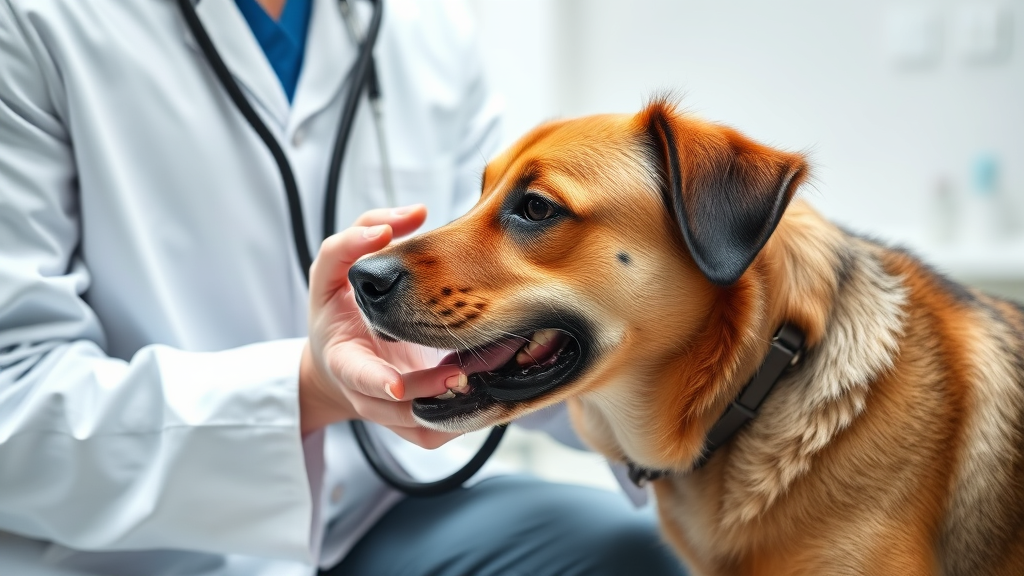
Norovirus is a highly contagious virus that causes gastroenteritis in humans, leading to symptoms like vomiting, diarrhea, and stomach cramps. As pet owners, many of us wonder whether our beloved canine companions can contract this unpleasant illness. The question “can dogs get norovirus” is becoming increasingly common as awareness of zoonotic diseases grows among pet parents.
Understanding the relationship between norovirus and dogs is crucial for responsible pet ownership. While dogs can experience gastrointestinal issues similar to those caused by norovirus in humans, the actual transmission and effects of this virus in canines are more complex than many pet owners realize. This comprehensive guide will explore everything you need to know about norovirus in dogs, from transmission possibilities to prevention strategies and treatment options.
What is Norovirus?
Norovirus, often called the “winter vomiting bug” or “stomach flu,” is a group of viruses that cause acute gastroenteritis in humans. According to the Centers for Disease Control and Prevention, norovirus is the leading cause of foodborne illness in the United States, affecting millions of people annually. The virus is incredibly resilient and can survive on surfaces for extended periods, making it highly contagious in human populations.
The virus primarily affects the gastrointestinal system, causing inflammation of the stomach and intestines. In humans, symptoms typically appear 12 to 48 hours after exposure and include sudden onset of vomiting, diarrhea, nausea, and stomach cramping. The illness usually resolves within 1-3 days, though some individuals may experience symptoms for longer periods.
Norovirus is classified into several genogroups, with genogroups I, II, and IV known to infect humans. The virus spreads through the fecal-oral route, contaminated food or water, and direct contact with infected individuals or contaminated surfaces. Its ability to mutate rapidly makes it particularly challenging to develop long-lasting immunity against all strains.

Can Dogs Contract Norovirus from Humans?
The short answer to whether dogs can get norovirus is: it’s unlikely but not impossible. Current veterinary research suggests that while dogs may be exposed to human norovirus, they are not considered natural hosts for the virus strains that typically affect humans. However, some studies have detected norovirus genetic material in dog feces, indicating potential exposure or temporary presence of the virus.
A study published in veterinary journals has shown that dogs can carry norovirus antibodies, suggesting previous exposure to the virus. However, this doesn’t necessarily mean they develop the same clinical illness that humans experience. The canine immune system and digestive tract differ significantly from humans, which may provide some protection against developing severe symptoms.
It’s important to note that dogs have their own gastrointestinal viruses that can cause similar symptoms to norovirus in humans. These include canine parvovirus, coronavirus, and rotavirus, which are species-specific and pose significant health risks to unvaccinated dogs. Just as humans can experience various illnesses like the flu, dogs have their own set of viral infections to contend with.
Symptoms of Gastrointestinal Illness in Dogs
Whether or not dogs can contract human norovirus, they certainly experience gastrointestinal distress from various causes. Recognizing the symptoms of stomach upset in dogs is crucial for timely intervention. Common signs include sudden onset vomiting, diarrhea (which may contain blood), loss of appetite, lethargy, and dehydration.
Vomiting in dogs can range from occasional episodes to persistent retching that may require emergency intervention. If you notice blood in your dog’s stool, this could indicate a more serious condition requiring immediate veterinary attention. Diarrhea may be watery, mucous-laden, or contain blood, depending on the underlying cause and severity of the condition.
Dehydration is a serious concern with any gastrointestinal illness in dogs. Signs include dry gums, loss of skin elasticity, sunken eyes, and decreased urination. Young puppies, senior dogs, and those with compromised immune systems are particularly vulnerable to rapid dehydration. Pet owners should monitor how long their dog goes without eating, as prolonged loss of appetite can indicate serious illness.
Transmission Risks and Prevention
While direct transmission of human norovirus to dogs remains questionable, practicing good hygiene around sick family members protects both human and canine household members. If someone in your household has norovirus, it’s essential to maintain strict hygiene protocols to prevent the spread of illness throughout the home.
Key prevention measures include thorough handwashing after caring for sick individuals, disinfecting surfaces with bleach-based cleaners, and avoiding sharing food or water bowls between humans and pets during illness. Dogs should not have access to vomit or contaminated areas where infected individuals have been present.
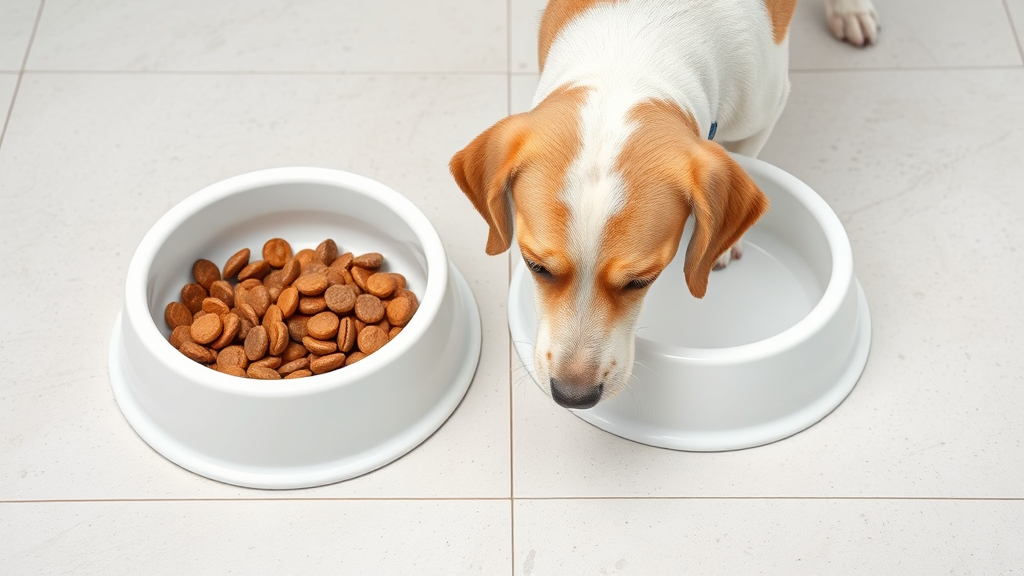
Cross-contamination through contaminated food or water sources poses a potential risk. Ensure your dog’s food and water bowls are cleaned regularly and kept separate from areas where infected family members spend time. Like other contagious conditions such as lice, maintaining good hygiene practices is essential for prevention.
Similar Gastrointestinal Conditions in Dogs
Dogs can develop gastrointestinal symptoms similar to norovirus from various causes specific to their species. Dietary indiscretion, where dogs consume inappropriate items or spoiled food, is one of the most common causes of acute gastroenteritis in dogs. This can lead to symptoms nearly identical to what humans experience with norovirus.
Canine parvovirus is a serious viral infection that primarily affects puppies and unvaccinated dogs. It causes severe vomiting, bloody diarrhea, and rapid dehydration. Unlike norovirus in humans, parvovirus can be fatal if not treated promptly and aggressively. The American Veterinary Medical Association emphasizes the importance of vaccination in preventing this devastating disease.
Canine coronavirus, distinct from COVID-19, causes mild to moderate gastrointestinal symptoms in dogs. While generally less severe than parvovirus, it can still cause significant discomfort and may lead to secondary bacterial infections if not properly managed. Other conditions like inflammatory bowel disease, food allergies, and bacterial infections can also mimic viral gastroenteritis symptoms.
When to Seek Veterinary Care
Knowing when to contact your veterinarian is crucial for your dog’s health and recovery. Seek immediate veterinary attention if your dog experiences persistent vomiting (more than 24 hours), bloody diarrhea, signs of severe dehydration, or lethargy accompanied by loss of appetite. Puppies, senior dogs, and those with underlying health conditions require more urgent care.
Emergency situations include continuous vomiting that prevents keeping water down, bloody or black tarry stools, pale gums, difficulty breathing, or collapse. These symptoms may indicate serious complications requiring immediate medical intervention. Never attempt to induce vomiting without veterinary guidance, as this can worsen certain conditions.
Your veterinarian may recommend diagnostic tests including fecal examinations, blood work, or imaging studies to determine the underlying cause of your dog’s symptoms. Early intervention often leads to better outcomes and can prevent complications associated with severe dehydration or secondary infections.
Treatment and Management
Treatment for gastrointestinal illness in dogs typically focuses on supportive care while the underlying condition resolves. This may include withholding food for 12-24 hours to allow the digestive system to rest, followed by a gradual reintroduction of bland, easily digestible foods like boiled chicken and rice.
Fluid therapy is often necessary to correct dehydration and electrolyte imbalances. This may be administered subcutaneously (under the skin) for mild cases or intravenously for more severe dehydration. Anti-nausea medications and probiotics may be prescribed to help manage symptoms and restore healthy gut bacteria.
The Humane Society recommends monitoring your dog’s condition closely during recovery and following your veterinarian’s instructions precisely. Some dogs may require hospitalization for intensive supportive care, particularly if they cannot keep fluids down or show signs of severe dehydration.
Prevention Strategies for Pet Owners
Preventing gastrointestinal illness in dogs involves multiple strategies focused on reducing exposure to harmful pathogens and maintaining overall health. Ensure your dog receives appropriate vaccinations against common canine viruses, including parvovirus, distemper, and coronavirus, following your veterinarian’s recommended schedule.
Maintain good hygiene practices in your home, especially during times when family members are ill. This includes regular cleaning of food and water bowls, proper disposal of waste, and preventing access to garbage or contaminated areas. Dogs should be prevented from drinking from puddles, ponds, or other potentially contaminated water sources.
Diet management plays a crucial role in preventing digestive upset. Avoid sudden dietary changes, keep human food away from pets, and ensure your dog cannot access spoiled or inappropriate items. Regular veterinary checkups can help identify potential health issues before they become serious problems. Just as dogs can experience various health conditions like hiccups or more serious illnesses like bird flu, maintaining overall health through prevention is key.
Frequently Asked Questions
Can my dog catch norovirus directly from me if I’m infected?
While there’s limited evidence that dogs can contract human norovirus strains, they are not considered natural hosts for the virus. However, maintaining good hygiene practices when you’re ill is still recommended to prevent any potential transmission and protect your dog from exposure to contaminated surfaces or materials.
What should I do if my dog shows symptoms similar to norovirus?
If your dog experiences vomiting, diarrhea, or loss of appetite, contact your veterinarian for guidance. While it may not be norovirus, these symptoms can indicate various conditions that require proper diagnosis and treatment. Provide supportive care by ensuring access to fresh water and monitoring for signs of dehydration.
How long do gastrointestinal symptoms typically last in dogs?
Mild gastrointestinal upset in dogs usually resolves within 24-48 hours with appropriate supportive care. However, persistent symptoms lasting more than 24 hours, severe symptoms, or symptoms in vulnerable dogs (puppies, seniors, or immunocompromised pets) require veterinary attention for proper evaluation and treatment.
Are certain dog breeds more susceptible to gastrointestinal illnesses?
While all dogs can develop gastrointestinal issues, some breeds may be more prone to digestive sensitivities or specific conditions. Dogs with food allergies, sensitive stomachs, or genetic predispositions to certain diseases may experience more frequent digestive upset. Discuss breed-specific risks with your veterinarian.
Can I give my dog human medications for stomach upset?
Never give your dog human medications without veterinary approval, as many human drugs are toxic to dogs. Some over-the-counter medications that are safe for humans can cause serious harm or death in dogs. Always consult your veterinarian before administering any medication to your pet.
How can I prevent my dog from getting sick when someone in my household has norovirus?
Practice strict hygiene measures including frequent handwashing, disinfecting surfaces with appropriate cleaners, keeping your dog away from contaminated areas, and ensuring they don’t have access to vomit or other bodily fluids. Maintain separate food and water bowls and clean them thoroughly with disinfectant.
When is gastrointestinal illness in dogs considered an emergency?
Seek emergency veterinary care if your dog experiences continuous vomiting preventing water retention, bloody or black stools, signs of severe dehydration (dry gums, sunken eyes, loss of skin elasticity), lethargy with inability to stand, or any symptoms in puppies under six months old. These situations require immediate professional intervention.





