

Can Dogs Get Pinworms? What Pet Experts Say
If you’ve ever wondered whether your furry best friend can catch pinworms, you’re not alone. This question pops up surprisingly often in veterinary clinics and dog owner forums across the country. The short answer? Yes, dogs can technically get pinworms, but it’s actually quite rare in our canine companions compared to other parasites. The longer, more nuanced answer involves understanding what pinworms are, how they spread, and why your pup is far more likely to encounter different types of worms.
As a responsible dog parent, understanding parasitic infections is crucial for keeping your four-legged friend healthy and happy. Pinworms, while uncommon in dogs, represent just one piece of a much larger puzzle when it comes to canine health. Throughout this guide, we’ll explore everything you need to know about pinworms in dogs, how to spot them, and most importantly, how to protect your beloved pet from parasitic infections that are actually more common in their species.
Let’s dive into the fascinating (and occasionally gross) world of parasites and discover what the experts really have to say about pinworms and your dog’s health.
What Are Pinworms?
Pinworms are parasitic nematodes (roundworms) that primarily affect the intestinal tract of their hosts. They get their name from their distinctive appearance—they look like tiny pieces of white thread or sewing pins, typically measuring between 2-13 millimeters in length. These parasites are most commonly associated with human infections, particularly in children, but they can occasionally affect other mammals, including dogs.
The scientific name for the pinworm species most commonly found in humans is Enterobius vermicularis. While this particular species has a strong preference for human hosts, other pinworm species exist that may occasionally infect dogs. The key distinction here is that pinworm infections are highly species-specific, meaning the pinworms that infect humans are typically not the same species that would infect your dog.
Pinworms have a fascinating (albeit somewhat unsettling) life cycle. Female pinworms migrate to the anal area at night to deposit eggs, which causes intense itching. This behavior is actually how the infection spreads—when an infected individual scratches the area and then touches their mouth or other surfaces, the microscopic eggs can be ingested by another host. In humans, this creates a common cycle of reinfection, particularly in children who may not practice rigorous hand hygiene.
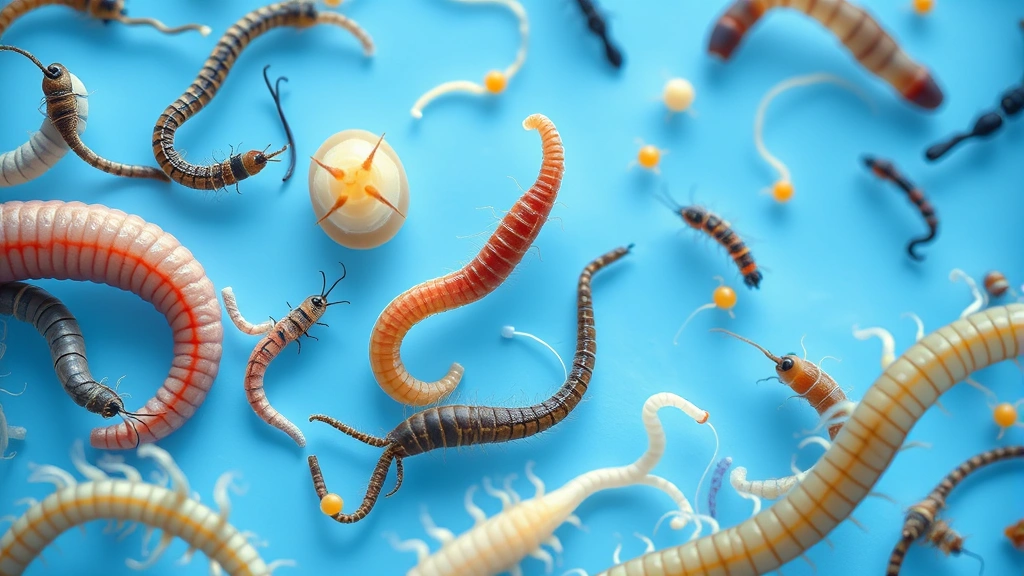
Can Dogs Actually Get Pinworms?
Here’s where things get interesting from a parasitology standpoint. While dogs can technically become infected with pinworms, it’s extraordinarily rare. According to veterinary parasitologists, pinworm infections in dogs are so uncommon that many practicing veterinarians may never encounter a single case in their entire careers. The reason for this rarity has everything to do with species specificity and transmission mechanics.
The pinworm species that commonly infect humans (Enterobius vermicularis) have evolved specifically to parasitize human hosts. They’re adapted to human body temperature, digestive processes, and immune responses. Your dog’s gastrointestinal system simply isn’t an ideal environment for these parasites to thrive. Additionally, the transmission route for human pinworms relies heavily on the fecal-oral pathway, which is far less common in dogs due to their different behavioral patterns and digestive habits.
That said, if a dog were to ingest pinworm eggs—perhaps through contact with contaminated human feces or surfaces—they could theoretically develop an infection. However, the parasites would likely struggle to establish themselves in the dog’s system and would eventually be cleared by the dog’s natural immune defenses.
If you’re concerned about your dog’s parasite status, it’s worth understanding that when vets talk about worms in dogs, they’re typically referring to species that actually pose a real threat. Understanding how to tell if your dog has worms becomes much more relevant when you know which parasites are actually common in canines.
How Pinworms Spread
Understanding transmission is key to grasping why pinworm infections are so rare in dogs. The typical pinworm transmission cycle is highly adapted to human behavior and human environments. Here’s how it usually works in people:
- Ingestion of eggs: A person ingests microscopic pinworm eggs, typically through contaminated food, water, or surfaces
- Hatching and migration: The eggs hatch in the small intestine and develop into adult worms
- Nighttime migration: Female worms migrate to the anal area at night to deposit eggs
- Transmission: The infected person scratches the itchy area and then handles food or touches surfaces, spreading eggs to others
- Reinfection cycle: The infected person may reinfect themselves through hand-to-mouth contact
For a dog to contract pinworms from an infected human, the dog would need to ingest fecal material or contaminated surfaces from that person. While dogs are certainly capable of engaging in behaviors we’d rather they didn’t (like investigating bathroom areas), the likelihood of sufficient egg ingestion and successful establishment of infection is minimal. Dogs’ stomachs are also significantly more acidic than human stomachs, which helps destroy many parasitic organisms before they can establish infection.

Additionally, dogs have different dietary and behavioral patterns than humans. They’re less likely to engage in the hand-to-mouth contact patterns that perpetuate pinworm infections in human populations, particularly among young children who are the most common hosts.
Symptoms and Signs of Pinworm Infection
If your dog were to somehow contract pinworms, what would you actually see? The symptoms of pinworm infection in dogs, when it does rarely occur, tend to mirror those seen in other parasitic infections. Being familiar with these signs helps you recognize when your dog needs veterinary attention, even if pinworms are unlikely to be the culprit.
The most characteristic symptom of pinworm infection—in both humans and the rare infected dog—is anal itching. You might notice your dog:
- Dragging their rear end across the ground or carpet (a behavior veterinarians call scooting)
- Licking or biting excessively at their anal area
- Showing signs of discomfort or irritation around the posterior
- Displaying restlessness or difficulty sleeping
If you’re observing your dog dragging his butt across the floor, this could indicate several different conditions, not necessarily pinworms. Other potential causes include anal gland issues, other parasitic infections, or skin irritations. This is precisely why veterinary diagnosis is so important.
Additional symptoms that might accompany a parasitic infection include:
- Diarrhea or loose stools
- Weight loss despite normal appetite
- Visible worms in stool or vomit
- General lethargy or decreased activity
- Poor coat quality
It’s important to note that many parasitic infections in dogs produce similar symptomatology. The specific identification of the parasite requires veterinary examination and diagnostic testing. If you’re concerned about your dog’s digestive health, learning about how to treat dog diarrhea can help you understand when home care is sufficient versus when professional intervention is needed.
Diagnosis and Treatment Options
If you suspect your dog might have a parasitic infection, your veterinarian has several diagnostic tools at their disposal. The most common method for identifying intestinal parasites is a fecal examination, where a sample of your dog’s stool is examined under a microscope for the presence of parasite eggs, larvae, or adult worms.
For pinworm diagnosis specifically, your vet would be looking for the characteristic eggs under magnification. The eggs are typically oval-shaped and have a distinctive appearance that trained veterinary professionals can identify. However, because pinworm infections are so rare in dogs, many vets might initially suspect other, more common parasites when they see symptoms suggesting intestinal parasites.
According to the American Kennel Club, regular parasite screening is an important part of preventive care for all dogs. Your veterinarian may recommend fecal examinations during routine wellness visits, especially for puppies, senior dogs, or those with symptoms suggesting parasitic infection.
Treatment Approach
If pinworms were confirmed in your dog (again, highly unlikely), treatment would typically involve antiparasitic medication. Common treatments for pinworms in the rare cases where they’re identified include:
- Pyrantel pamoate: An antiparasitic medication effective against many roundworms
- Mebendazole: Another antiparasitic agent that’s occasionally used in veterinary medicine
- Ivermectin: A broad-spectrum antiparasitic sometimes prescribed for multiple parasite types
Your veterinarian would determine the appropriate medication, dosage, and duration of treatment based on your dog’s specific situation. Most antiparasitic treatments are administered orally and may require multiple doses spaced several days apart to break the parasite’s life cycle.
Beyond medication, supportive care might include dietary adjustments to help your dog’s digestive system recover. Some vets recommend adding easily digestible foods or supplements during parasite treatment. Interestingly, dogs eating pumpkin is a natural remedy many owners use to support digestive health during and after parasitic infections, as pumpkin’s fiber content can help regulate bowel movements.
Prevention Strategies
While pinworm infection is exceptionally rare in dogs, prevention remains the best medicine for all parasitic infections. The good news is that the preventive measures that protect your dog from common parasites also minimize any theoretical pinworm risk.
Regular Veterinary Care
Schedule wellness visits at least annually, or more frequently if your veterinarian recommends it. During these visits, your vet can assess your dog’s parasite status and recommend appropriate preventive treatments. Puppies and senior dogs may need more frequent evaluations.
Parasite Prevention Medications
Many modern parasite preventatives are broad-spectrum treatments that protect against multiple parasitic organisms simultaneously. Monthly treatments like those containing ivermectin, pyrantel, or other antiparasitic agents can significantly reduce your dog’s exposure to various parasites. Discuss with your vet which preventative is best suited to your dog’s lifestyle and risk factors.
Environmental Hygiene
Maintaining a clean living environment reduces parasite transmission risk. This includes:
- Regularly cleaning your dog’s bedding and toys
- Promptly removing feces from your yard and designated potty areas
- Washing your hands after handling your dog, especially before eating
- Keeping your dog away from areas where wildlife or unknown dogs frequent
Dietary Considerations
While no specific diet can prevent pinworms, maintaining your dog’s overall health through proper nutrition supports a robust immune system better equipped to fight off parasitic infections. A high-quality, balanced diet appropriate for your dog’s age and size provides essential nutrients for immune function.
Behavioral Management
Supervise your dog’s outdoor time and prevent them from consuming feces (their own or others’), drinking from stagnant water sources, or investigating areas with unknown sanitation conditions. These behaviors increase exposure to various parasites.
Understanding what worms look like in dog poop can help you identify potential infections early, allowing for prompt veterinary intervention.
Other Worms More Common in Dogs
While we’ve thoroughly explored the unlikely scenario of pinworm infection in dogs, let’s discuss the parasites that actually pose a real threat to your canine companion. These are the worms your veterinarian is much more likely to encounter and treat.
Roundworms (Ascarids)
Roundworms are among the most common parasites in dogs, particularly in puppies. Species like Toxocara canis and Toxascaris leonina can cause significant health issues. Puppies are often born with roundworm infections acquired from their mothers, and the parasites can cause malnutrition, diarrhea, and stunted growth.
Hookworms
Hookworms are particularly concerning because they feed on blood, potentially causing anemia in infected dogs. They’re common in warm, humid climates and can be transmitted through contaminated soil or ingestion of infected prey.
Tapeworms
Tapeworms are acquired when dogs ingest infected fleas or consume raw or undercooked meat containing tapeworm cysts. You might actually see segments of tapeworms in your dog’s stool or around their anal area—they look like small rice grains.
Whipworms
Whipworms live in the large intestine and can cause chronic diarrhea and weight loss. They’re transmitted through contaminated soil and are particularly persistent in kennels or areas with poor sanitation.
The ASPCA emphasizes that understanding which parasites are prevalent in your area helps guide appropriate prevention and treatment strategies. Your veterinarian can provide region-specific recommendations based on local parasite prevalence.
If you suspect your dog has worms of any type, knowing the signs your dog has worms will help you seek timely veterinary care. Early detection and treatment prevent complications and protect both your dog’s health and potentially your family’s health, as some parasites can be transmitted to humans.
Frequently Asked Questions
Can my dog get pinworms from my child?
While theoretically possible, it’s extremely unlikely. Human pinworms are highly species-specific and require ingestion of substantial numbers of eggs to establish infection. Even if your dog ingested some eggs, the parasites would struggle to survive in the dog’s more acidic digestive system. Practicing good hygiene—handwashing after bathroom use and before handling your dog—minimizes any theoretical risk.
What’s the difference between pinworms and other dog worms?
Pinworms are thread-like parasites primarily adapted to human hosts, while common dog parasites like roundworms, hookworms, and tapeworms have evolved specifically to infect canines. Dog worms are far more likely to establish infections in dogs and cause significant health problems. The transmission routes also differ substantially.
How often should my dog be tested for parasites?
The American Animal Hospital Association recommends annual fecal examinations for adult dogs as part of routine preventive care. Puppies should be tested more frequently—typically every 2 weeks until 12 weeks of age, then monthly until 6 months old. Senior dogs and those with gastrointestinal symptoms may need more frequent testing.
Are there any natural remedies for pinworms in dogs?
While some natural substances have antiparasitic properties, relying solely on natural remedies for confirmed parasitic infections isn’t recommended. Veterinary medications are formulated, tested, and dosed specifically for efficacy and safety. That said, supporting your dog’s health through proper nutrition, stress reduction, and maintaining a clean environment supports their immune system’s ability to fight off parasites.
Can humans get parasites from their dogs?
Yes, some dog parasites can be transmitted to humans, though the risk is generally low with good hygiene practices. Learning about whether humans can get worms from dogs helps you understand the importance of regular parasite prevention for your pet and consistent handwashing, especially after handling your dog or cleaning up after them.
What should I do if I notice worms in my dog’s stool?
Contact your veterinarian immediately. If possible, bring a fresh stool sample to your appointment. Your vet can identify the specific parasite and recommend appropriate treatment. Don’t attempt to treat parasitic infections without professional guidance, as improper treatment can be ineffective or even harmful.
Is my dog at higher risk for pinworms if they’re around infected children?
No, the risk remains minimal even with close contact to infected children. The species-specificity of pinworms means human pinworms simply aren’t adapted to infect dogs successfully. Standard hygiene practices—keeping your dog away from bathroom areas and maintaining hand hygiene—are sufficient to prevent any theoretical transmission.
Can pinworms cause serious health problems in dogs?
In the extremely rare event a dog contracted pinworms, the health impact would likely be minimal since the parasites aren’t well-adapted to the canine host. The dog’s immune system would typically clear the infection relatively quickly. However, if your dog does have parasitic symptoms, prompt veterinary evaluation is important since other parasites that are actually dangerous could be the culprit.





