

Can Dogs Catch Pneumonia from Humans? What Vets Say
One of the most common concerns pet owners express during cold and flu season is whether their beloved canine companion can catch pneumonia from them. The short answer is: it’s complicated. While dogs can develop pneumonia, the transmission of pneumonia specifically from humans to dogs is rare and depends on several factors including the type of pneumonia, your dog’s immune system, and the specific pathogen involved.
Understanding the relationship between human respiratory illness and canine health is essential for responsible pet ownership. Many pneumonia-causing organisms are species-specific, meaning they primarily affect either humans or dogs but not both. However, some pathogens can cross the species barrier under certain circumstances. This guide explores what veterinarians know about pneumonia transmission, how to protect your dog, and when to seek professional help.
If you’ve been sick and wondering whether to keep your distance from your furry friend, or if your dog is showing respiratory symptoms, this comprehensive guide will help you understand the risks and take appropriate precautions.
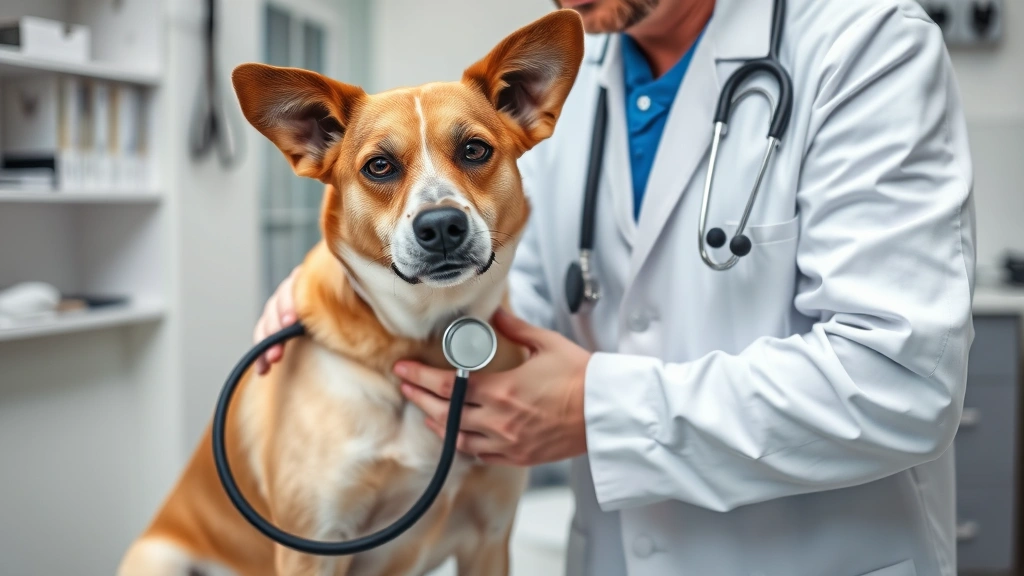
Can Dogs Actually Catch Pneumonia from Humans?
The direct transmission of pneumonia from humans to dogs is extremely rare, according to veterinary research and clinical experience. Most pneumonia cases in dogs result from canine-specific pathogens or environmental factors rather than human-to-dog transmission. The primary reason is that human respiratory pathogens have evolved to thrive in the human respiratory system and may not survive or replicate effectively in a dog’s different physiological environment.
However, there are notable exceptions. Certain bacteria like Streptococcus pneumoniae theoretically could infect dogs, though documented cases are exceptionally uncommon. Additionally, some respiratory viruses have broader host ranges, though even these typically manifest differently in dogs than in humans. The anatomical differences between human and canine respiratory systems also play a protective role—dogs have different lung structures and immune responses that often prevent human pathogens from establishing infection.
That said, immunocompromised dogs, very young puppies, elderly dogs, or those with pre-existing respiratory conditions face slightly elevated risk. If you’re concerned about your dog’s respiratory health, understanding why your dog is breathing hard can help you identify potential issues early.
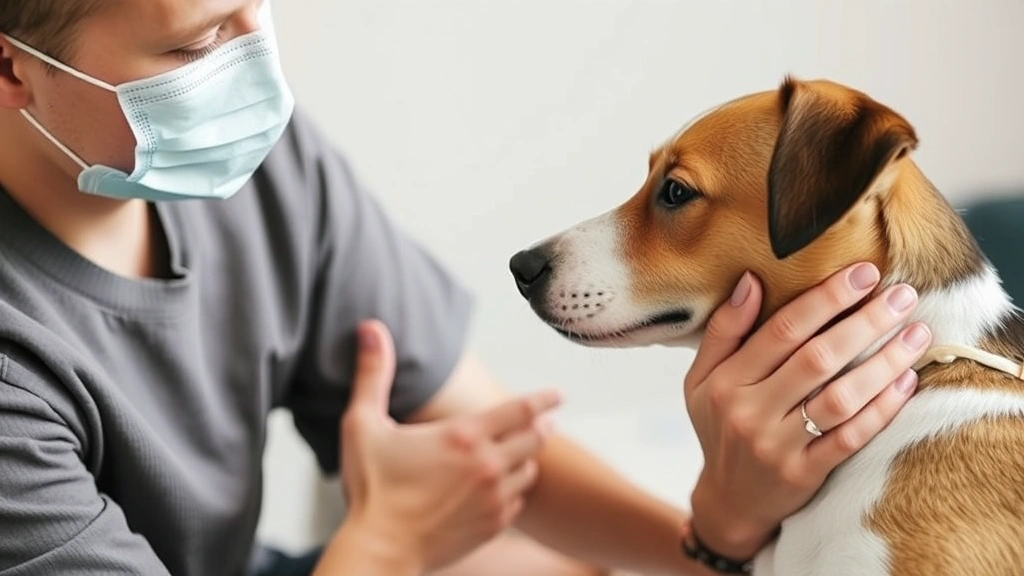
Types of Pneumonia and Cross-Species Transmission
Pneumonia isn’t a single disease but rather an infection of the lungs that can be caused by various pathogens. Understanding the different types helps clarify transmission risks:
Bacterial Pneumonia: Most common in dogs, bacterial pneumonia typically results from aspiration or secondary infection following another illness. Common canine bacterial pneumonia culprits include Bordetella, Streptococcus, and Pasteurella—organisms different from those typically affecting humans. While Streptococcus pneumoniae occasionally infects dogs, human cases rarely transmit to pets.
Viral Pneumonia: Canine viruses like canine parainfluenza, canine influenza virus (CIV), and canine coronavirus are more likely causes of viral pneumonia in dogs than human respiratory viruses. Interestingly, dogs can contract canine influenza from other infected dogs, not from humans with the flu. This is why understanding respiratory symptoms like excessive barking and coughing is important for early detection.
Fungal Pneumonia: Fungal pneumonia in dogs typically comes from environmental exposure rather than human transmission. Organisms like Histoplasma and Blastomyces are acquired from soil and environmental sources, not from infected humans.
Aspiration Pneumonia: This occurs when food, liquid, or foreign material enters the lungs. It’s unrelated to human transmission and typically results from swallowing difficulties, anesthesia complications, or regurgitation.
A 2023 review published by the American Animal Hospital Association confirms that cross-species pneumonia transmission is exceptionally uncommon, with documented cases being medical rarities rather than routine occurrences.
Signs Your Dog May Have Pneumonia
Recognizing pneumonia symptoms in dogs is crucial for timely intervention. Unlike humans, dogs cannot verbally describe their discomfort, so observing behavioral and physical changes is essential. Common signs include:
- Persistent cough: Often described as a deep, productive cough that may sound like gagging. This differs from the dry cough of kennel cough.
- Rapid or labored breathing: Your dog may breathe faster than normal even at rest, or show visible effort during breathing. If you notice this, check our guide on why dogs breathe hard for more details.
- Lethargy and reduced activity: Pneumonia causes significant fatigue. Your normally active dog may prefer lying down and show little interest in play or walks.
- Fever: A rectal temperature above 103°F (39.4°C) in dogs suggests infection. Normal canine temperature ranges from 101-102.5°F.
- Loss of appetite: Dogs with pneumonia often eat less or refuse food entirely.
- Nasal discharge or sneezing: While not always present, these symptoms may accompany pneumonia.
- Wheezing or crackling sounds: Abnormal lung sounds are often detected during veterinary examination.
Puppies, senior dogs, and those with compromised immune systems may show more severe or atypical symptoms. Some dogs develop secondary complications like sepsis, making early recognition vital.
How to Protect Your Dog from Respiratory Illness
While human-to-dog pneumonia transmission is rare, maintaining your dog’s respiratory health remains important. Consider these protective measures:
- Vaccination: Keep your dog current on vaccines, particularly Bordetella (kennel cough) and canine influenza vaccines if recommended by your veterinarian. These protect against common canine respiratory pathogens.
- Limit exposure to sick dogs: Avoid dog parks, boarding facilities, and group classes when respiratory illness is circulating in your community. Dogs transmit respiratory diseases to each other more readily than humans do.
- Maintain good hygiene: While not necessary to completely isolate from your dog when you’re sick, practice basic hygiene like hand-washing before petting and avoid sharing food bowls or toys.
- Avoid smoking around your dog: Secondhand smoke irritates canine respiratory systems and increases pneumonia risk. This is a modifiable risk factor that directly impacts your dog’s health.
- Manage underlying health conditions: Dogs with allergies, asthma, or chronic bronchitis face elevated pneumonia risk. Work with your vet to optimize management of these conditions.
- Ensure proper nutrition: A balanced diet supports immune function. Consult your veterinarian about appropriate nutrition for your dog’s life stage and health status.
- Regular veterinary check-ups: Annual or biannual exams help identify early signs of respiratory compromise. Your vet can assess abnormal breathing patterns during physical examination.
Interestingly, some dog behaviors relate to respiratory health. For instance, why dogs roll in grass sometimes indicates respiratory irritation or discomfort, though it’s usually just playful behavior.
When to Contact Your Veterinarian
Certain signs warrant immediate veterinary attention. Contact your vet if your dog exhibits:
- Persistent cough lasting more than a week
- Difficulty breathing or rapid breathing at rest
- Fever (temperature above 103°F)
- Lethargy lasting more than 24 hours
- Refusal to eat for more than one meal
- Coughing up blood or blood-tinged mucus
- Bluish discoloration of gums or tongue (indicating low oxygen)
- Collapse or fainting episodes
Pneumonia can deteriorate quickly, particularly in young, old, or immunocompromised dogs. Don’t wait to see if symptoms resolve on their own. Early veterinary intervention significantly improves outcomes and reduces complications.
Your veterinarian will perform a thorough physical examination and may recommend diagnostic testing including chest X-rays, blood work, or respiratory cultures to determine the cause and appropriate treatment plan.
Treatment and Recovery
Treatment for canine pneumonia depends on the underlying cause. Bacterial pneumonia typically requires antibiotics, which your vet will select based on culture results or broad-spectrum coverage if cultures aren’t performed. Most dogs improve within 7-10 days of appropriate antibiotic therapy, though the full course (typically 2-4 weeks) must be completed.
Supportive care is equally important. This includes:
- Rest: Restrict activity to allow energy conservation for immune function. Avoid strenuous exercise during recovery.
- Humidity: Using a humidifier can ease coughing and help clear respiratory secretions.
- Hydration: Ensure your dog drinks adequate water. Some vets recommend warm broths to encourage drinking.
- Nutrition: Small, frequent meals of easily digestible food support recovery.
- Monitoring: Watch for improvement or worsening of symptoms. Contact your vet if your dog isn’t improving as expected.
The ASPCA emphasizes that completing the full course of prescribed antibiotics is crucial, even if your dog seems better, to prevent relapse and antibiotic resistance.
Recovery timeline varies. Uncomplicated pneumonia typically resolves within 3-4 weeks with appropriate treatment. Severe cases or those with complications may take longer. Your vet will advise when your dog can resume normal activity.
Some dogs experience lingering cough even after successful treatment. This can persist for several weeks as inflamed airways heal. If coughing continues beyond 4 weeks, inform your veterinarian.
FAQ
Can I give my dog my cold medication?
Never give your dog human cold medications without explicit veterinary approval. Many common cold remedies contain ingredients toxic to dogs, including acetaminophen, ibuprofen, and certain decongestants. Always consult your veterinarian before administering any medication to your dog.
Should I wear a mask around my dog if I’m sick?
While unnecessary due to the rarity of human-to-dog pneumonia transmission, basic hygiene precautions like hand-washing are reasonable. Wearing a mask around your dog won’t hurt, but focusing on hygiene and monitoring your dog for symptoms is more practical.
Can dogs spread pneumonia to humans?
Canine pneumonia generally doesn’t transmit to humans. The pathogens causing dog pneumonia are species-specific and don’t typically infect human respiratory systems. This is another reason why cross-species transmission is rare.
Is pneumonia contagious between dogs?
Some types of canine pneumonia have infectious causes (like Bordetella or canine influenza virus) and can spread dog-to-dog through respiratory droplets. This is why vaccination and limiting exposure during outbreaks is important. However, aspiration pneumonia and some bacterial pneumonias are not contagious between dogs.
How is pneumonia diagnosed in dogs?
Diagnosis typically involves physical examination, chest X-rays, and sometimes blood work. Your vet may recommend respiratory culture or PCR testing to identify the specific pathogen, particularly in severe or treatment-resistant cases.
Can puppies get pneumonia from adult dogs?
Puppies can contract contagious respiratory diseases from adult dogs, including those that progress to pneumonia. This is why vaccination and careful exposure management during puppyhood is essential. Puppies have developing immune systems and are more vulnerable to severe respiratory infections.
What’s the difference between kennel cough and pneumonia?
Kennel cough (infectious tracheobronchitis) typically causes a dry, hacking cough but usually doesn’t progress to pneumonia if treated appropriately. Pneumonia involves lung infection and causes more severe symptoms including fever, lethargy, and rapid breathing. While kennel cough is uncomfortable, pneumonia is more serious and requires prompt treatment.





