
Can Dogs Get Poison Oak? Safety Tips for Pet Owners
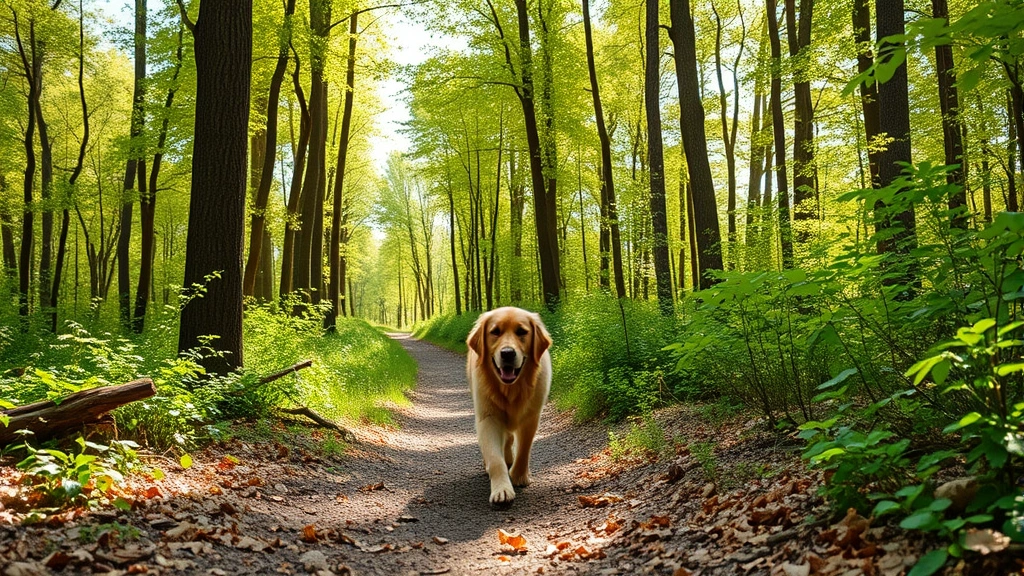
If you’re a dog owner who loves exploring nature with your furry best friend, you’ve probably wondered about the dangers lurking in the great outdoors. One question that often comes up is: can dogs get poison oak? The short answer is yes, but the good news is that dogs are generally more resistant to poison oak than humans are. However, that doesn’t mean your pup is completely immune to its effects, and understanding the risks is crucial for keeping your four-legged companion safe during your outdoor adventures.
Poison oak is a plant that contains urushiol oil, the same irritating compound found in poison ivy and poison sumac. While dogs have thicker skin and fur that provides some natural protection, they can still develop reactions if exposed to enough of the plant’s oils. Plus, there’s the added concern of your dog bringing the plant’s oils home on their fur, where you might inadvertently expose yourself when petting them.
In this comprehensive guide, we’ll explore everything you need to know about poison oak and dogs, including how to identify the plant, recognize symptoms of exposure, and most importantly, how to keep your beloved pet safe. Let’s dig into this important topic so you can enjoy outdoor adventures with complete peace of mind.
Identifying Poison Oak: What to Look For
Before you can protect your dog from poison oak, you need to know what you’re looking for. Poison oak is a woody shrub or trailing plant that typically grows in clusters. The plant is characterized by three leaflets arranged in a similar pattern to poison ivy, though poison oak leaves tend to have a more rounded appearance compared to the pointed edges of poison ivy leaves.
The leaves of poison oak are usually between one and four inches long and can range in color from green during spring and summer to reddish or yellow-orange in fall. One distinctive feature of poison oak is that the leaflets are arranged in a way that resembles an oak leaf, which is how the plant got its name. The plant also produces small, white or cream-colored berries and can have tiny greenish flowers.
Poison oak thrives in warm, dry areas and is most commonly found in the western and southeastern United States. If you live in these regions or frequently travel there with your dog, it’s especially important to familiarize yourself with the plant’s appearance. The plant can grow in various environments, including open fields, wooded areas, and even along hiking trails where you and your pup might venture.
Why Dogs Are More Resistant (But Not Immune)
Dogs have a natural advantage when it comes to poison oak exposure compared to humans. Their thick fur coat provides a protective barrier that prevents the urushiol oil from easily reaching their skin. Additionally, dogs’ skin has a different pH level and structure than human skin, which makes them less susceptible to the irritating effects of urushiol oil.
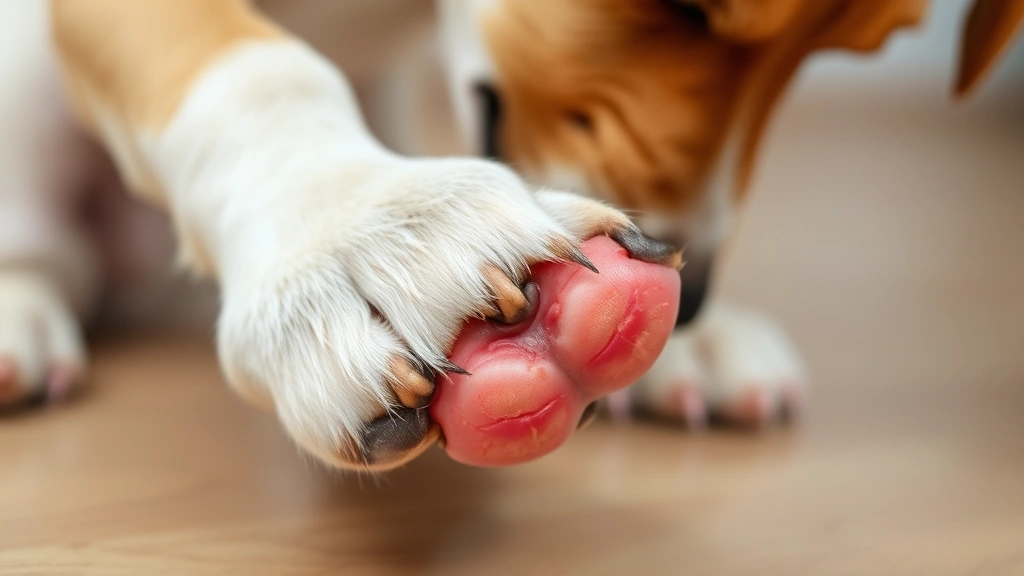
However, this doesn’t mean your dog is completely protected. Areas of your dog’s body with thinner fur, such as the belly, paws, and face, are more vulnerable to poison oak exposure. If your dog runs through a patch of poison oak or rolls in it, they can develop a reaction, particularly in these sensitive areas. Furthermore, if your dog licks or chews on poison oak leaves, they could experience irritation in their mouth and digestive tract.
It’s also worth noting that dogs can get poison ivy through similar mechanisms, and the same protective principles apply. The key is understanding that while your dog’s natural defenses are better than yours, they’re not foolproof. Vigilance and prevention are still your best tools.
Some dogs may also develop secondary issues if they come into contact with poison oak. For instance, dogs lick their paws excessively when they’re itchy or uncomfortable, which could spread urushiol oil to other parts of their body or into their mouth. This is why recognizing early signs of exposure is so important.
Symptoms of Poison Oak Exposure in Dogs
If your dog has been exposed to poison oak, you might notice several telltale signs. The most common symptom is itching, which can be mild to severe depending on the extent of exposure. Your dog might scratch, lick, or bite at the affected area repeatedly, leading to further irritation and potential secondary infections.
Visible signs of poison oak exposure in dogs include:
- Red, inflamed skin in the affected area
- Rashes or bumps on the skin
- Hair loss due to excessive scratching or licking
- Swelling, particularly around the face or paws
- Blistering or oozing sores (in severe cases)
- Dry, flaky skin
In some cases, dogs may develop what looks like hot spots on dogs, which are areas of inflamed, irritated skin that the dog has licked or chewed excessively. These secondary infections can become quite serious if left untreated and may require veterinary attention.

If your dog has a severe allergic reaction to poison oak, you might also notice symptoms like facial swelling, difficulty breathing, or lethargy. In rare cases, ingestion of poison oak can cause gastrointestinal upset, including vomiting or diarrhea. If you notice any of these severe symptoms, contact your veterinarian immediately.
Prevention Strategies for Your Pup
The best approach to keeping your dog safe from poison oak is prevention. Here are practical strategies you can implement to minimize your dog’s risk of exposure:
Know Your Hiking Trails: Before heading out on a hike with your dog, research the area to learn what plants grow there. Many trail websites and local park services provide information about vegetation, including warnings about poison oak. Stay on marked trails and avoid letting your dog wander into thick brush where poison oak might be hiding.
Keep Your Dog Close: On trails or in areas where poison oak might be present, keep your dog on a leash and close to you. This prevents them from running through dense vegetation or rolling in plants you might not immediately see. A well-fitted leash gives you control and peace of mind.
Regular Baths and Grooming: If you’ve been in an area where poison oak might be present, bathe your dog when you get home. Use lukewarm water and a gentle dog shampoo to wash away any urushiol oil that might have come into contact with their fur. Pay special attention to their paws, belly, and face. Regular grooming also helps you spot any skin issues early.
Check Your Dog’s Skin: After outdoor adventures, do a thorough check of your dog’s skin. Look for any red areas, rashes, or signs of irritation. This is particularly important if your dog has been off-leash or in brushy areas. Early detection can help you address any issues before they become serious.
Protective Clothing: Consider using dog-safe protective clothing, such as booties or a lightweight shirt, when hiking in areas where poison oak is known to grow. This adds an extra layer of protection, especially for dogs with sensitive skin.
Avoid Touching Your Face: After petting your dog or handling them following outdoor activities, wash your hands thoroughly before touching your face. Even though the risk is lower, urushiol oil can transfer from your dog’s fur to your skin.
Treatment Options If Exposure Occurs
If you suspect your dog has been exposed to poison oak, don’t panic. There are several steps you can take to help manage the situation and relieve your dog’s discomfort.
Immediate Rinse: The first thing to do is rinse your dog’s affected areas with lukewarm water. This helps remove urushiol oil from their skin and fur before it can cause more irritation. Use a gentle, non-irritating dog shampoo and rinse thoroughly. Avoid hot water, which can open pores and allow more oil penetration.
Oatmeal Baths: Colloidal oatmeal baths can be soothing for irritated skin and may help relieve itching. These are widely available and safe for dogs. Soak your dog in the oatmeal bath for 10-15 minutes, allowing the oatmeal to coat their skin.
Topical Relief: Your veterinarian might recommend hydrocortisone cream or other topical treatments to reduce inflammation and itching. Never use human products on your dog without veterinary approval, as some ingredients can be harmful to pets.
Antihistamines: If your dog is experiencing significant itching, your vet might prescribe antihistamines to help reduce the allergic response. Benadryl is sometimes used, but dosing is important, so always consult your veterinarian before administering any medication.
Elizabethan Collar: To prevent your dog from further irritating the affected area through licking or scratching, your vet might recommend an Elizabethan collar (cone). While not the most comfortable for your pup, it prevents secondary infections that can result from excessive scratching.
Veterinary Care: If the reaction is severe, if your dog has developed secondary infections, or if symptoms persist after home treatment, seek veterinary care. Your vet can provide prescription-strength treatments and rule out other potential causes of skin irritation. According to the ASPCA, professional assessment is important for severe cases.
It’s worth noting that poison oak reactions in dogs can sometimes resemble other skin conditions. If you’re unsure whether your dog’s symptoms are related to poison oak exposure, your veterinarian can help diagnose the issue and recommend appropriate treatment. Conditions like dogs getting lice can cause similar itching and skin irritation, so professional evaluation is sometimes necessary.
Additionally, if your dog experiences an allergic reaction similar to dogs being allergic to cats, the treatment approach might be similar, involving antihistamines or other allergy management strategies recommended by your vet.
Frequently Asked Questions
Can dogs die from poison oak exposure?
Death from poison oak exposure is extremely rare in dogs. Most dogs experience mild to moderate skin irritation that resolves with proper treatment. However, severe allergic reactions or secondary infections from excessive scratching could potentially become serious if left untreated. If your dog shows signs of severe distress or systemic symptoms, seek immediate veterinary care.
How long does a poison oak reaction last in dogs?
Most poison oak reactions in dogs resolve within 1-3 weeks with proper care. The timeline depends on the severity of the exposure and how quickly you begin treatment. Secondary infections or complications might extend the recovery period. According to the American Kennel Club, mild cases often improve within days of starting treatment.
Can I get poison oak from petting my exposed dog?
Yes, it’s possible to get poison oak from petting your dog if urushiol oil is still on their fur. However, the risk is lower than direct plant contact. To minimize risk, wear gloves when handling your dog if you suspect exposure, and wash your hands thoroughly after contact. Bathing your dog as soon as possible after potential exposure significantly reduces this risk.
Are certain dog breeds more susceptible to poison oak?
Dogs with shorter coats or thinner fur might be slightly more susceptible to poison oak exposure. Breeds like Greyhounds, Boxers, or other short-haired dogs have less fur protection than long-haired breeds. However, all dogs can potentially develop reactions, so prevention is important regardless of breed. If your dog has sensitive skin, take extra precautions.
Should I use human poison oak treatments on my dog?
No, you should not use human poison oak treatments on your dog without veterinary approval. Many human products contain ingredients that can be toxic to dogs if ingested or absorbed through the skin. Always consult your veterinarian before applying any treatment to your dog’s skin. They can recommend dog-safe alternatives that are effective and safe.
What’s the difference between poison oak and poison ivy on dogs?
While poison ivy affects dogs similarly to poison oak, the plants are slightly different. Poison ivy typically has three pointed leaflets, while poison oak has rounder, oaklike leaves. Both contain urushiol oil and cause similar reactions in dogs. Prevention and treatment strategies are essentially the same for both plants.





