
Can Dogs Get Psoriasis? What Pet Experts Say
If you’ve noticed your furry best friend scratching more than usual, developing flaky skin, or showing signs of discomfort, you might be wondering: can dogs get psoriasis? It’s a question that stumps many pet parents, and honestly, the answer isn’t as straightforward as a simple yes or no. While psoriasis as humans know it is rare in dogs, our canine companions can develop similar skin conditions that mimic psoriasis symptoms and cause just as much frustration for both pup and owner.
The good news? Understanding what’s really happening with your dog’s skin is the first step toward relief. In this comprehensive guide, we’ll explore whether dogs can actually get psoriasis, what conditions they might have instead, and most importantly, what you can do to help your four-legged friend feel comfortable again. Whether you’re dealing with a mysterious rash or just curious about canine skin health, you’re in the right place.
Our veterinary experts have weighed in on this topic, and the insights might surprise you. Let’s dig into the facts behind your dog’s itchy situation.
What Is Psoriasis and Do Dogs Get It?
Let’s start with the science. Psoriasis is an autoimmune condition that affects the skin, causing rapid cell turnover and the characteristic red, scaly patches we associate with the disease. In humans, psoriasis is a chronic condition that requires ongoing management. But here’s the thing: true psoriasis in dogs is exceptionally rare. In fact, veterinary dermatologists rarely diagnose actual psoriasis in canines.
According to the American Kennel Club’s resource on canine skin conditions, dogs don’t develop psoriasis in the same way humans do. However, they can develop other autoimmune and inflammatory skin diseases that produce similar symptoms. This distinction matters because the treatment approach differs significantly depending on what’s actually causing your dog’s skin issues.
Veterinary dermatologists note that when dog owners describe their pets as having “psoriasis,” they’re usually referring to one of several other conditions that present with similar visual characteristics. Understanding this difference helps ensure your pup gets the right treatment plan.
Skin Conditions That Look Like Psoriasis in Dogs
So if it’s not true psoriasis, what is causing your dog’s uncomfortable skin? Several conditions can mimic psoriasis symptoms in dogs, and identifying the actual culprit is crucial for effective treatment.
Seborrheic Dermatitis is one of the most common conditions mistaken for psoriasis. This inflammatory skin disease causes excessive flaking, oily or dry skin, and often an unpleasant odor. Dogs with seborrheic dermatitis might also experience itching and redness. The condition can be primary (idiopathic) or secondary to other health issues like allergies or hormonal imbalances.
Another frequent offender is canine dandruff, which causes visible flaking and scaling. While we often think of dandruff as a minor cosmetic issue, it can indicate underlying skin problems that deserve attention. If your dog has dandruff, it’s worth investigating further to rule out more serious conditions.
Eczema in dogs is another psoriasis lookalike that causes inflammation, itching, and skin irritation. This condition can develop from environmental factors, food sensitivities, or contact allergens. The symptoms overlap significantly with psoriasis, which is why professional diagnosis is so important.
Hot spots on dogs represent another common skin issue that can be confused with psoriasis. These acute, moist dermatitis lesions develop rapidly and cause intense itching and pain. While they look different from psoriasis, they’re a sign that something’s irritating your dog’s skin and needs addressing.
Recognizing the Symptoms: What to Look For
Knowing what symptoms to watch for helps you catch skin problems early and get your dog appropriate care. If your dog has a psoriasis-like condition, you might notice several telltale signs.
Visual symptoms include red or inflamed patches of skin, excessive scaling or flaking, dry patches that may appear silvery or white, and sometimes thickened or crusty skin. Some dogs develop lesions that look distinctly different from normal skin, while others have more subtle changes that are easy to miss initially.
Behavioral changes often accompany skin problems. Your dog might scratch, lick, or bite at affected areas excessively. This constant attention to the skin can actually worsen the condition through secondary infections. If you notice your normally calm pup becoming obsessed with certain body areas, that’s a red flag worth investigating.
Why dogs lick their paws is often a question prompted by excessive grooming behavior. When licking becomes obsessive rather than occasional, it frequently indicates an underlying skin issue that needs professional evaluation.
Other symptoms include hair loss in affected areas, changes in skin texture or thickness, and sometimes an odor from the skin. In some cases, dogs develop secondary bacterial or yeast infections due to the compromised skin barrier.
What Causes Psoriasis-Like Conditions in Dogs?
Understanding what triggers these skin conditions helps you potentially prevent future flare-ups and manage your dog’s health more effectively. Multiple factors can contribute to psoriasis-like skin problems in dogs.
Allergies represent one of the leading causes of inflammatory skin conditions in dogs. These can be environmental allergies (pollen, dust mites, mold), food allergies, or contact allergies to specific substances. Breeds like Retrievers, Terriers, and Bulldogs show higher predisposition to allergic skin disease.
Genetic factors play a significant role in certain breeds. Some dogs have inherited predispositions to skin conditions. Cocker Spaniels, Basset Hounds, and West Highland White Terriers are among breeds more prone to seborrheic dermatitis and similar inflammatory skin diseases.
Nutritional deficiencies can compromise skin health and lead to inflammatory responses. Inadequate omega-3 and omega-6 fatty acids, zinc, or B vitamins may contribute to skin problems. This is why high-quality dog food and sometimes supplementation become part of treatment plans.
Environmental factors like humidity, temperature changes, and exposure to irritants can trigger or worsen skin conditions. Seasonal patterns in skin flare-ups often point to environmental allergies.
Hormonal imbalances, particularly thyroid dysfunction, frequently cause or exacerbate skin problems in dogs. Hypothyroidism, in particular, is associated with seborrheic dermatitis and poor skin and coat quality.
Stress can also trigger or worsen skin conditions in dogs, similar to how stress affects human skin health. Dogs experiencing anxiety or significant life changes sometimes develop skin issues.

Diagnosis and Treatment Options
Getting an accurate diagnosis is the foundation of effective treatment. Your veterinarian will use several diagnostic tools to identify what’s actually affecting your dog’s skin.
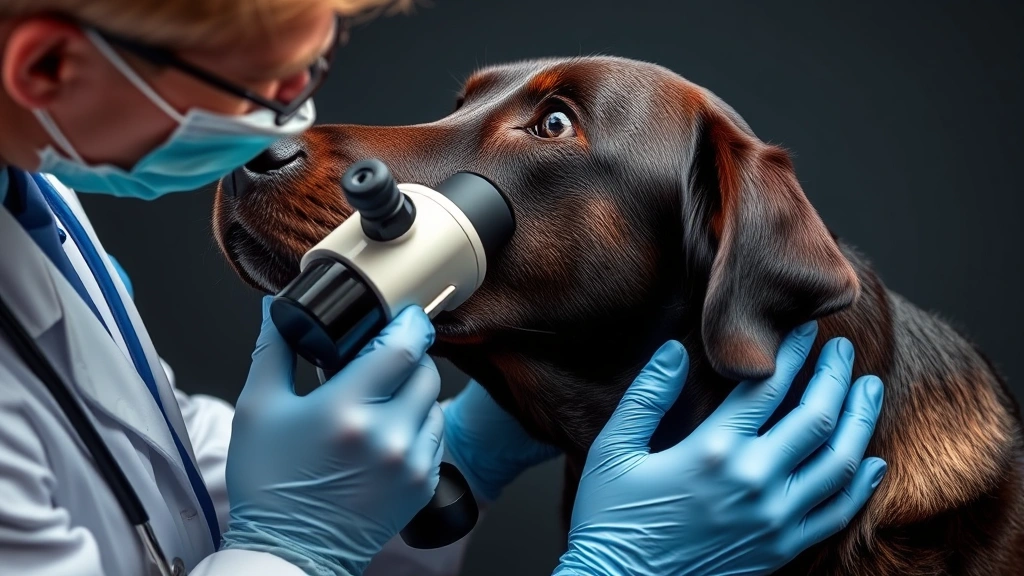
Physical examination is the starting point. Your vet will carefully inspect the affected areas, note the distribution pattern of lesions, and assess your dog’s overall skin and coat condition. They’ll also ask detailed questions about when symptoms started, whether there are seasonal patterns, and what you’ve already tried.
Skin scraping and cytology involve taking samples from the skin to examine under a microscope. This helps identify secondary bacterial or yeast infections that often accompany primary skin conditions.
Fungal culture might be recommended if ringworm is suspected, as this fungal infection can mimic other skin conditions.
Allergy testing can help identify specific environmental or food allergens if allergies are suspected. This information guides treatment decisions and dietary changes.
Biopsy is sometimes necessary for definitive diagnosis, particularly if the condition isn’t responding to standard treatments. A skin biopsy allows veterinary pathologists to examine skin tissue structure and identify specific disease processes.
Once diagnosis is confirmed, treatment approaches vary based on the specific condition. For allergic skin disease, the foundation often involves identifying and eliminating the allergen when possible. How to stop dogs from licking paws with home remedies can supplement veterinary treatment, though professional care should always be the priority.
Medication options include topical treatments like medicated shampoos and ointments, oral medications including antibiotics for secondary infections, and immunosuppressive drugs for autoimmune conditions. Newer biologic medications targeting specific immune pathways have shown promise in managing severe cases.
Nutritional support often becomes part of the treatment plan. Omega-3 and omega-6 fatty acid supplementation supports skin barrier function and reduces inflammation. Your veterinarian might recommend specific therapeutic diets formulated to support skin health.
Managing Your Dog’s Skin Health at Home
While professional veterinary care is essential, there’s plenty you can do at home to support your dog’s skin health and comfort.
Regular bathing with appropriate products helps manage skin conditions. Your vet might recommend medicated shampoos containing ingredients like chlorhexidine, miconazole, or salicylic acid. These shampoos should typically be left on the skin for 5-10 minutes to be effective. Bathing frequency depends on your dog’s specific condition but typically ranges from weekly to every other week.
Moisturizing is crucial for dogs with dry, flaky skin. After bathing, applying a dog-safe moisturizer or leaving-on conditioner helps restore the skin barrier. Some dogs benefit from fish oil supplements or foods rich in omega fatty acids.
Nutritional optimization supports skin health from the inside out. High-quality dog foods with appropriate protein, fatty acids, and micronutrients form the foundation. Some dogs benefit from additional supplementation—discuss specific recommendations with your veterinarian.
Environmental management can reduce flare-ups. This might include using a humidifier during dry seasons, washing bedding regularly in hypoallergenic detergent, and minimizing exposure to known irritants.
Stress reduction helps manage skin conditions triggered or worsened by anxiety. Regular exercise, consistent routines, and calming techniques can all support your dog’s overall wellbeing and skin health.
Preventing secondary infections is important since dogs often worsen skin conditions through excessive licking and scratching. Keeping nails trimmed, maintaining good hygiene, and potentially using an Elizabethan collar during flare-ups helps prevent complications.
Some pet parents explore natural supplements like coconut oil or coconut water, though evidence for these varies. Whether coconut water is good for dogs depends on individual circumstances, and it should never replace veterinary-recommended treatments.
When to Contact Your Veterinarian
Knowing when professional help is necessary ensures your dog gets timely care. Contact your veterinarian if you notice persistent skin changes, excessive scratching or licking, signs of infection (swelling, discharge, odor), hair loss, or if home management isn’t improving symptoms within a few weeks.
You should also seek immediate veterinary attention if your dog develops signs of severe infection, appears to be in pain, or if skin lesions are spreading rapidly. Additionally, if your dog develops these symptoms after starting a new food or medication, inform your vet immediately as this could indicate an allergic reaction.
According to the ASPCA’s guide to common dog skin problems, early intervention typically leads to better outcomes and faster relief for affected dogs.
Frequently Asked Questions
Can dogs actually get psoriasis like humans do?
True psoriasis, as diagnosed in humans, is extremely rare in dogs. However, dogs can develop other inflammatory skin conditions that produce similar symptoms including scaling, redness, and itching. These conditions require different treatment approaches than human psoriasis.
What’s the difference between dog psoriasis and eczema?
While the terms are sometimes used interchangeably by pet owners, eczema (dermatitis) and psoriasis involve different skin processes. Eczema involves inflammation and can have multiple causes including allergies, while true psoriasis involves abnormal skin cell turnover. In dogs, eczema-type conditions are far more common.
Is psoriasis in dogs contagious?
True autoimmune conditions like psoriasis are not contagious. However, if your dog has a secondary bacterial or yeast infection resulting from a skin condition, those infections could potentially spread to other pets through direct contact. Maintaining good hygiene helps prevent complications.
Can diet affect my dog’s psoriasis-like symptoms?
Absolutely. Diet plays a significant role in skin health. Food allergies can trigger inflammatory skin responses, and nutritional deficiencies can compromise skin barrier function. Omega-3 and omega-6 fatty acids are particularly important for maintaining healthy skin. Your veterinarian can recommend appropriate dietary changes or supplements.
How long does it take to see improvement with treatment?
Timeline varies depending on the underlying cause and treatment approach. Some dogs show improvement within 2-4 weeks of starting appropriate treatment, while others require several months. Chronic conditions typically require ongoing management rather than permanent cure.
Are certain dog breeds more prone to psoriasis-like conditions?
Yes, certain breeds show higher predisposition to inflammatory skin conditions. Cocker Spaniels, Basset Hounds, West Highland White Terriers, Retrievers, and Bulldogs are among breeds commonly affected by seborrheic dermatitis and related conditions.
Can I use human psoriasis treatments on my dog?
Never use human medications or treatments on your dog without explicit veterinary approval. Many human treatments can be toxic to dogs. Always consult your veterinarian before applying anything to your dog’s skin.
What role do allergies play in dog skin conditions?
Allergies are among the most common causes of inflammatory skin disease in dogs. Both environmental and food allergies can trigger skin inflammation, itching, and secondary infections. Identifying and managing allergens is often crucial to managing skin conditions.





