

Do Dogs Go Through Menopause? Vet Insights on Canine Reproductive Health
One of the most common questions veterinarians hear from dog owners is whether their female dogs experience menopause similar to humans. The short answer is no—dogs do not go through menopause in the traditional sense. However, the reproductive biology of female dogs is fascinating and differs significantly from human females. Understanding how your dog’s reproductive system works throughout her lifetime is essential for making informed decisions about her health, spaying, and overall care.
Female dogs have a reproductive cycle called the estrous cycle, which operates quite differently from the human menstrual cycle. Rather than experiencing a gradual decline in reproductive hormones leading to the cessation of fertility—as humans do during menopause—dogs maintain the ability to reproduce throughout their lives, though fertility may decline with age. This article explores the science behind canine reproduction, what happens to your dog’s body as she ages, and why spaying remains one of the most important health decisions you can make for your female companion.
Understanding the Canine Estrous Cycle
The estrous cycle in female dogs is a four-phase reproductive process that occurs approximately every six to twelve months, depending on breed and individual variation. This cycle is dramatically different from the human menstrual cycle, which occurs monthly and involves the shedding of uterine lining.
Proestrus is the first phase, lasting approximately 7-10 days. During this time, the female’s body begins preparing for potential breeding. Estrogen levels rise significantly, causing the vulva to swell and producing a bloody vaginal discharge. Dogs in proestrus attract male dogs but are not yet receptive to mating. Many owners notice behavioral changes during this phase, including increased marking, restlessness, and heightened attention from intact males in the neighborhood.
Estrus is the second phase, typically lasting 5-14 days, though it can vary considerably. This is the fertile period when the female is receptive to breeding. The vaginal discharge becomes lighter and more straw-colored, and hormonal changes make the female attractive to males. During estrus, ovulation occurs, and if breeding takes place, pregnancy can result. This is the most critical phase for reproduction.
Diestrus is the third phase, lasting approximately 60 days whether or not pregnancy occurred. If the dog became pregnant, this phase supports fetal development and lactation preparation. If breeding didn’t occur, hormone levels gradually decline, and the reproductive system returns to a resting state. This phase is crucial for understanding why unspayed dogs can develop serious health complications.
Anestrus is the final phase—a period of reproductive inactivity lasting several months. During anestrus, hormone levels are minimal, and the female shows no reproductive behavior. This resting phase allows her body to recover before the next cycle begins.
Understanding these phases is important for recognizing normal reproductive behavior and identifying when something might be wrong. If you notice unusual discharge, excessive bleeding, or behavioral changes that seem extreme, consulting your veterinarian is always the right choice.

Why Dogs Don’t Experience Menopause
The fundamental reason dogs don’t experience menopause is rooted in evolutionary biology and reproductive physiology. Unlike humans, female dogs retain their reproductive capability throughout their entire lives, even into very old age. While fertility may decline gradually with age, the cessation of reproductive cycles that defines menopause simply doesn’t occur in canines.
In humans, menopause occurs when the ovaries become depleted of eggs and stop producing estrogen and progesterone. This is a natural, inevitable biological process that affects all women. Dogs, however, have an essentially unlimited supply of eggs that can be recruited during each estrous cycle. As long as a dog’s ovaries remain functional, she can theoretically continue cycling and reproducing.
Research published by the American Animal Hospital Association emphasizes that while reproductive performance may decline in senior dogs, the complete hormonal shutdown characteristic of menopause doesn’t occur. Elderly female dogs may experience longer intervals between cycles or reduced fertility, but they don’t experience the dramatic hormonal changes that define human menopause.
This is precisely why spaying your female dog is so important. Since she won’t naturally stop cycling, preventing unwanted pregnancies and associated health risks requires surgical intervention. Spaying—the surgical removal of the ovaries and uterus—eliminates the estrous cycle entirely and provides significant health and behavioral benefits.
How Aging Affects Female Dog Reproduction
While dogs don’t experience menopause, aging definitely affects their reproductive system. Senior female dogs may experience changes in their estrous cycles, including longer intervals between cycles, shorter cycles, or changes in the duration of each phase. Some geriatric dogs may even skip cycles entirely for extended periods, though this isn’t true menopause—just a normal variation in aging.
Fertility typically declines with age in female dogs. A dog in her prime breeding years (typically 2-5 years old) will have higher conception rates than a senior dog. By the time a dog reaches 8-10 years of age, fertility is substantially reduced, and the risk of complications during pregnancy and delivery increases significantly.
Unspayed senior females face elevated risks of developing serious conditions. Pyometra, a life-threatening infection of the uterus, becomes increasingly common in older unspayed dogs. This condition typically develops during diestrus when progesterone levels are high, creating an environment where bacteria can flourish. Pyometra can develop suddenly and requires emergency surgery to save the dog’s life.
Additionally, unspayed females of any age have increased risk of mammary gland tumors. According to the American Veterinary Medical Association, spaying before the first estrous cycle reduces mammary cancer risk by approximately 99.5%, while spaying after one cycle reduces risk by about 96%. This protection decreases with each cycle that occurs before spaying.
Hormonal changes throughout a dog’s life also affect her nutritional needs. As discussed in our guide on what to give a dog for constipation, digestive health can be impacted by hormonal fluctuations and age-related changes. Additionally, incorporating nutrient-rich foods like those mentioned in our articles about scrambled eggs for dogs and dogs eating squash can support overall wellness in aging females.
Health Benefits of Spaying Your Female Dog
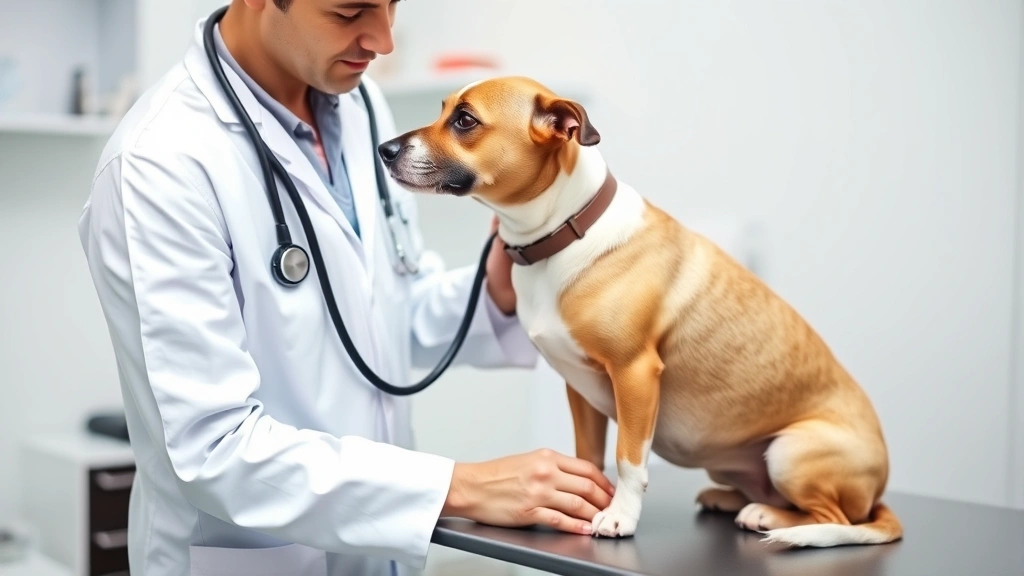
Spaying—ovariohysterectomy or ovariectomy—is one of the most significant preventive health measures available for female dogs. Beyond preventing unwanted pregnancies, spaying provides numerous health benefits that can extend your dog’s lifespan and improve her quality of life.
Prevention of pyometra is perhaps the most critical benefit. This life-threatening uterine infection can develop suddenly in unspayed females, typically in middle-aged to older dogs. Pyometra requires emergency surgery and intensive care, and even with treatment, mortality rates can be significant. Spaying eliminates this risk entirely.
Reduced cancer risk extends beyond mammary glands. Spaying eliminates ovarian and uterine cancers. For dogs spayed before their first heat cycle, the risk of mammary cancer is reduced by approximately 99.5%, according to veterinary oncology research.
Prevention of ovarian and uterine disease includes not just cancer but also cysts, infections, and other pathologies that can develop over a dog’s lifetime. These conditions may be painful and require surgical intervention if they become severe.
Behavioral improvements often accompany spaying. While spayed dogs don’t become lazy or gain weight automatically, many owners report decreased marking behavior, reduced aggression during heat cycles, and more stable temperaments. The constant hormonal fluctuations of the estrous cycle can influence behavior, and spaying eliminates these cyclical changes.
Elimination of heat cycles means no more bloody discharge, no more attracting neighborhood males, and no more management of a dog in estrus. This is particularly important for owners of multiple dogs or those living in close quarters.
The ASPCA strongly recommends spaying as part of responsible pet ownership. Most veterinarians recommend spaying before the first heat cycle for maximum health benefits, typically between 6-12 months of age, though spaying can be performed at any age.
Behavioral Changes in Unspayed Females
Understanding the behavioral patterns associated with the estrous cycle helps owners recognize when their unspayed dog is cycling. During proestrus and estrus, hormonal changes influence behavior significantly. Many unspayed females become more vocal, restless, and clingy during these phases. Some dogs become less obedient or ignore commands they normally follow. Marking behavior—both urination and sometimes defecation in unusual places—increases dramatically.
Anxiety and nervous behavior are common during heat cycles. Some dogs become destructive, pacing or whining excessively. Others may lose appetite temporarily. These behavioral changes typically resolve once the cycle concludes, but they can be disruptive for owners and potentially dangerous if the dog escapes while in heat.
During diestrus, behavioral changes are less obvious but still present. Progesterone levels remain elevated during this phase, and some dogs develop what’s called “pseudo-pregnancy” or “false pregnancy,” where they exhibit maternal behaviors even though they’re not pregnant. This can include nesting behavior, protecting toys, and even producing milk.
The constant cycling and hormonal fluctuations can also contribute to anxiety and stress-related behaviors. Spaying eliminates these cyclical behavioral changes, resulting in a more predictable, stable temperament.
Nutritional Needs for Senior Female Dogs
As female dogs age, their nutritional requirements change. Senior dogs typically need fewer calories due to decreased metabolism and activity levels, but they need higher quality nutrition to maintain muscle mass and support organ function. This is especially true for unspayed senior females whose hormones continue fluctuating.
Protein becomes increasingly important for aging dogs, as they naturally lose muscle mass. High-quality protein sources help maintain lean body mass and support immune function. Regular vegetables can supplement their diet—for instance, raw asparagus for dogs offers fiber and nutrients, while lettuce provides hydration and minimal calories.
Fiber becomes increasingly important for senior dogs. Many older dogs experience digestive changes, and appropriate fiber intake can support healthy digestion. Vegetables like squash are excellent—learn more about dogs eating squash for digestive support.
Joint support becomes critical for aging dogs. Glucosamine, chondroitin, and omega-3 fatty acids support joint health and mobility. Many senior dog foods include these supplements. Certain nuts can provide healthy fats, though portion control is important for weight management.
Calcium and phosphorus balance is important for bone health, especially in senior females who may be at increased risk for osteoporosis. However, balance is crucial—excessive calcium can be problematic. Consulting with your veterinarian about appropriate senior nutrition is always recommended.
Water intake becomes increasingly important as dogs age. Senior dogs are more prone to dehydration, so ensuring fresh water is always available is critical. Some owners find that adding water to dry food or offering wet food helps increase hydration in senior dogs.
FAQ
Can an old female dog still get pregnant?
Yes, unspayed senior female dogs can still become pregnant, though fertility declines with age. Dogs can reproduce throughout their entire lives since they don’t experience menopause. However, pregnancy in older dogs carries increased risks of complications for both mother and puppies.
What age do dogs stop going into heat?
Dogs do not naturally stop going into heat. Unlike humans who experience menopause, female dogs continue cycling throughout their lives. However, cycle frequency may change in senior dogs, and some elderly dogs may skip cycles for extended periods.
Do spayed dogs go through menopause?
No. Spayed dogs do not experience menopause because their ovaries have been surgically removed. Without ovaries, there are no hormones to decline, and no reproductive cycles occur. This is one of the key benefits of spaying.
What are signs of heat in female dogs?
Common signs include vaginal discharge (bloody in proestrus, lighter in estrus), vulvar swelling, increased marking and urination, restlessness, vocalization, behavioral changes, and attracting male dogs. Some dogs become clingy or anxious during heat cycles.
Is it safe to spay an older dog?
Yes, spaying can be performed safely at any age when the dog is in good health. Pre-operative bloodwork helps ensure the dog is healthy enough for surgery. Many veterinarians recommend spaying senior dogs to prevent pyometra and other serious conditions, even though the surgery carries slightly higher risks in older animals compared to younger dogs.
What is pyometra and why is it dangerous?
Pyometra is a life-threatening bacterial infection of the uterus that typically develops during diestrus in unspayed females. The condition can progress rapidly, causing sepsis and organ failure. Symptoms include lethargy, loss of appetite, excessive drinking and urination, and vaginal discharge. Emergency surgery is required to save the dog’s life, and mortality rates are significant even with treatment. Spaying completely eliminates this risk.
How often do dogs go into heat?
Most female dogs cycle every 6-12 months, though this varies by breed and individual. Some dogs cycle more frequently (every 4-6 months) or less frequently (every 12-18 months). Giant breed dogs may cycle less frequently than small breed dogs. Cycle length is largely determined by genetics.





