
Can Dogs Have Acai? Safety Tips for Pet Owners
Acai berries have become the darling of the health food world, gracing smoothie bowls, energy bars, and supplement shelves everywhere. As a devoted dog parent, you’ve probably wondered whether you can share this superfood with your furry best friend. The good news? Yes, dogs can have acai in moderation, but there are some important considerations you need to know before offering it to your pup.
The acai berry boom has left many pet owners curious about whether this exotic fruit is safe for canine consumption. While acai isn’t toxic to dogs, it’s not exactly a nutritional powerhouse for them either. Understanding the pros, cons, and proper serving methods will help you make informed decisions about your dog’s diet and keep your four-legged companion healthy and happy.
In this comprehensive guide, we’ll explore everything you need to know about acai and dogs, from nutritional content to potential risks and safer alternatives. Whether you’re considering adding acai to your dog’s diet or you’ve already caught your pup sampling your breakfast bowl, you’ll find practical advice to keep your dog safe.
What Is Acai and Where Does It Come From?
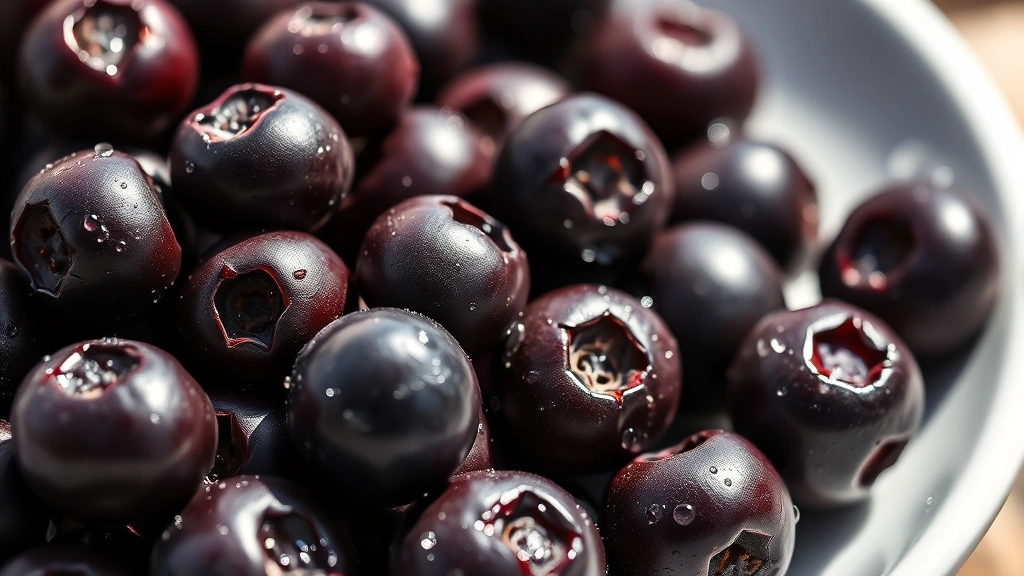
Acai berries are small, dark purple fruits that grow on acai palm trees native to Central and South America, particularly in the Amazon rainforest. These berries have gained massive popularity in recent years, touted for their antioxidant properties and health benefits for humans. The fruit has a distinctive taste—slightly tart with subtle chocolate notes—which is why it’s become a favorite ingredient in health-conscious recipes and smoothies.
The acai berry is roughly the size of a grape and contains a large seed with very little edible flesh. Most commercial acai products come in the form of frozen pulp, powder, or dried berries imported from South America. The processing and preservation methods used to bring acai to market are important to understand when considering whether to share it with your dog, as some preparations may include added sugars or processing ingredients that aren’t ideal for canine health.
Understanding the origin and processing of acai helps explain why it’s become such a trendy human superfood. The berries are rich in anthocyanins and polyphenols—compounds that provide antioxidant benefits. However, your dog’s nutritional needs are vastly different from yours, which is why we need to evaluate acai specifically through a canine health lens.

Is Acai Safe for Dogs?
The straightforward answer is yes, acai is generally safe for dogs when served in appropriate quantities and in the right form. Acai berries themselves are non-toxic to dogs, meaning they won’t cause poisoning or immediate harm if your dog manages to snag a few. However, “safe” doesn’t automatically mean “beneficial” or “recommended,” and there are several important caveats to this approval.
The key to safely feeding acai to your dog lies in moderation and proper preparation. Plain, unsweetened acai is the only form you should consider offering your pup. Many commercial acai products designed for human consumption contain added sugars, artificial sweeteners (particularly xylitol, which is toxic to dogs), and other ingredients that can be harmful to your canine companion. Always check the ingredient list before introducing any acai product to your dog’s diet.
If you’re comparing acai to other berries you might feed your dog, it’s helpful to know how it stacks up. Like blackberries that dogs can safely enjoy, acai is non-toxic. Similarly, cranberries are safe for dogs in moderation, and raspberries offer nutritional benefits for your pup. These berries share the distinction of being dog-safe options, though each has its own nutritional profile.
Nutritional Value of Acai for Dogs
While acai is packed with nutrients that benefit human health, its nutritional value for dogs is more limited. Acai berries do contain fiber, vitamin A, vitamin C, and various antioxidants. For dogs, these components can offer some minor benefits, but they’re not essential nutrients that your dog can’t obtain from their regular, balanced diet.
The antioxidants in acai, primarily anthocyanins and resveratrol, have been studied extensively in human nutrition. These compounds help combat free radicals and oxidative stress. While dogs do produce free radicals and could theoretically benefit from antioxidants, most healthy dogs on a quality commercial or home-prepared diet get sufficient antioxidant protection from their regular food sources.
According to the American Kennel Club, dogs require a balanced diet containing appropriate levels of protein, fat, carbohydrates, vitamins, and minerals. Acai doesn’t provide anything your dog absolutely needs and can’t get elsewhere. The fiber content in acai might support digestive health, but again, your dog’s regular diet should already contain adequate fiber unless they have specific digestive issues.
When considering treats for your dog, it’s important to remember that treats should comprise no more than 10% of your dog’s daily caloric intake. This means acai should never be a dietary staple but rather an occasional treat at most. The vitamin C content in acai is not a critical nutrient for dogs since they synthesize their own vitamin C, unlike humans who require dietary sources.

Potential Risks and Concerns
While acai itself is non-toxic, several risks and concerns exist when it comes to feeding it to your dog. The primary concern involves the form in which acai is typically available to consumers. Most commercial acai products contain added sugars, which can contribute to weight gain, dental problems, and increased risk of diabetes in dogs. Some acai products are sweetened with xylitol, an artificial sweetener that is highly toxic to dogs and can cause severe hypoglycemia and liver damage.
Another consideration is the high fat content in acai berries. While some fat is essential for dogs, excessive fat intake can lead to pancreatitis, a serious and painful inflammation of the pancreas. Dogs prone to pancreatitis or those with existing digestive sensitivities should absolutely avoid acai. Additionally, if your dog is experiencing digestive issues like diarrhea, acai could potentially exacerbate the problem due to its fiber content and acidity.
The processing and preservation of acai also warrants attention. Some acai products may contain preservatives or be processed in facilities that handle allergens. If your dog has known allergies or sensitivities, you’ll want to be cautious about introducing any new food item, including acai.
Choking hazard is another consideration, particularly for small dogs or aggressive eaters. The large seed in whole acai berries poses a potential choking risk, so if you’re offering acai, it should be in processed form like powder or pulp where the seed has been removed.
How to Safely Serve Acai to Your Dog
If you’ve decided to offer acai to your dog, following proper serving guidelines is essential. First and foremost, choose plain, unsweetened acai with no added ingredients. Look for products labeled as pure acai pulp or powder with no additives. Read the ingredient list carefully, ensuring there’s no xylitol, sugar, or other potentially harmful substances.
Start with a very small amount—just a tiny taste—to introduce acai to your dog’s diet. Watch for any signs of digestive upset over the next 24-48 hours. If your dog tolerates it well, you can gradually increase the amount, but it should never become a regular part of their diet.
The best way to serve acai is mixed into your dog’s regular food or combined with other dog-safe ingredients. You might mix a small amount of plain acai powder with your dog’s kibble or mix it with plain yogurt (assuming your dog tolerates dairy). Some pet owners freeze acai in ice cube trays for a refreshing summer treat, though this should be an occasional indulgence rather than a regular snack.
Portion size matters significantly. For small dogs (under 20 pounds), a teaspoon of acai pulp mixed into their food once or twice a month is sufficient. For medium to large dogs (20-70 pounds), you might offer up to a tablespoon. Giant breed dogs could have slightly more, but remember that treats should never exceed 10% of daily caloric intake. It’s worth noting that coconut water and other tropical beverages should also be offered with similar caution and moderation.
Never serve acai in the form of commercial acai bowls, smoothies, or energy bars, as these almost always contain added sugars, honey, or other ingredients unsuitable for dogs. Your dog doesn’t need the processed versions—plain is always best.
Healthier Berry Alternatives for Your Pup
If you’re looking to add berries to your dog’s diet for nutritional benefits or as occasional treats, several options are safer and more nutritionally appropriate than acai. Blueberries are an excellent choice—they’re lower in sugar than many fruits, packed with antioxidants, and widely recommended by veterinarians. You can offer blueberries fresh or frozen as a treat or mixed into your dog’s regular food.
Strawberries are another great option, though they do contain more sugar than blueberries, so moderation is key. They provide vitamin C and fiber, making them a nutritious occasional treat. Raspberries are similarly safe and offer similar nutritional benefits. These berries are generally considered superior to acai for canine consumption because they’re more commonly available in pure form without additives.
If you’re interested in exploring more berry options for your dog, blackberries are another excellent choice for dogs, offering similar antioxidant benefits to acai but typically in a purer form. Cranberries for dogs can be beneficial, particularly for urinary tract health, though they’re quite tart and should be offered in moderation. For a comprehensive understanding of berry safety, raspberries provide excellent nutritional value for your dog with fewer concerns than processed acai products.
If you’re thinking about blueberry-based treats, be cautious with commercial options like blueberry muffins, which often contain sugar and baking ingredients unsuitable for dogs. Stick with whole, fresh berries whenever possible.
According to the ASPCA, most common berries are safe for dogs when offered in moderation. The organization recommends focusing on whole, fresh fruits rather than processed or sugary versions. Your veterinarian can provide specific recommendations based on your individual dog’s health status, age, and dietary needs.
Frequently Asked Questions
Is acai toxic to dogs?
No, acai is not toxic to dogs. The berries themselves contain no compounds that are poisonous to canines. However, many commercial acai products contain added sugars or sweeteners like xylitol, which is toxic to dogs. Always ensure you’re offering plain, unsweetened acai with no additives if you choose to give it to your dog.
Can dogs eat acai bowls?
No, dogs should not eat commercial acai bowls. These bowls typically contain added sugars, honey, granola, coconut, nuts, and other ingredients that are either high in sugar or potentially harmful to dogs. Acai bowls are designed for human consumption and are not appropriate for canine diets.
What should I do if my dog eats acai?
If your dog has eaten a small amount of plain acai, there’s generally no cause for concern. Monitor your dog for signs of digestive upset like vomiting or diarrhea. However, if your dog has consumed a large quantity of acai or if the acai product contained xylitol or other harmful ingredients, contact your veterinarian immediately. Veterinary Partner recommends always having your vet’s contact information readily available for emergencies.
How much acai can I safely give my dog?
Acai should be an occasional treat, not a regular part of your dog’s diet. Small dogs can have up to a teaspoon mixed into their food, while larger dogs might tolerate a tablespoon. This should happen no more than once or twice a month. Always introduce new foods gradually and in small quantities.
Are there better berries for dogs than acai?
Yes, several berries are safer and more nutritionally appropriate for dogs. Blueberries, strawberries, raspberries, and blackberries are all excellent choices. These berries are typically available in pure form without additives and are widely recommended by veterinarians for canine consumption.
What are the signs my dog shouldn’t eat acai?
Your dog should avoid acai if they have a history of pancreatitis, digestive sensitivities, obesity, or diabetes. Additionally, if your dog is prone to allergic reactions or has a sensitive stomach, introduce acai cautiously or avoid it altogether. Always consult with your veterinarian before introducing new foods to a dog with existing health conditions.
Can acai help with my dog’s health?
While acai contains antioxidants that theoretically could benefit your dog, the amount of acai you’d safely give your dog is too small to provide meaningful health benefits. Your dog’s regular, balanced diet should provide adequate nutrition and antioxidant protection. If you’re concerned about your dog’s health or nutrition, consult your veterinarian rather than relying on superfood trends.





