

Can Dogs Have American Cheese? Safety Tips and Guidelines
Ah, the classic question that echoes through kitchens everywhere: “Can my dog have some of this?” When it comes to American cheese, the answer is a bit more nuanced than a simple yes or no. Your furry best friend might give you those irresistible puppy-dog eyes when you’re making a sandwich, but before you share that slice, let’s dive into what you really need to know about American cheese and canine health.
American cheese is a staple in many households, from classic cheeseburgers to grilled cheese sandwiches. It’s convenient, melts beautifully, and dogs seem absolutely fascinated by it. But just because something is safe for humans doesn’t automatically mean it’s safe for our four-legged companions. The good news? In moderation, plain American cheese isn’t toxic to dogs. The bad news? There are several important caveats you should understand before making it a regular treat.
In this comprehensive guide, we’ll explore everything you need to know about feeding American cheese to your dog, including potential risks, safe serving practices, and healthier alternatives that might satisfy your pup’s cheese cravings without the downsides.
Is American Cheese Safe for Dogs?
The straightforward answer is: yes, plain American cheese is generally safe for dogs in small quantities. Unlike some foods that are outright toxic to canines, American cheese won’t cause immediate harm to your pup. However, “safe” doesn’t mean “healthy” or “recommended.” It’s more accurate to say that American cheese is tolerable for most dogs rather than beneficial.
The key word here is “plain.” American cheese that contains no added ingredients, preservatives, or seasonings is far safer than varieties loaded with garlic, onions, or excessive salt. Many commercial American cheese products, however, are heavily processed and contain additives that aren’t ideal for your dog’s digestive system.
If you’re wondering about the broader category of dairy products, our guide on whether dogs can drink milk offers additional context about how dogs process dairy in general. Understanding this can help you make informed decisions about all cheese varieties.
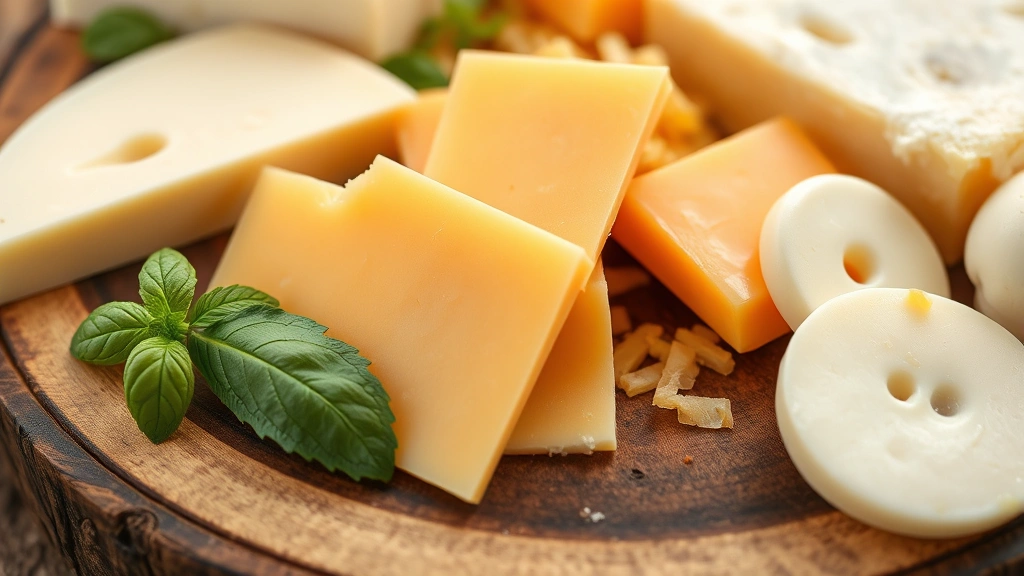
Nutritional Content and Composition
American cheese is primarily composed of milk, milk fat, and various additives. A single slice of American cheese contains approximately:
- Calories: 80-100 calories per slice
- Fat: 7-8 grams
- Protein: 5-6 grams
- Sodium: 300-400 mg
- Calcium: 150-200 mg
While cheese does provide protein and calcium, these nutrients aren’t necessary additions to a dog’s diet if they’re already eating quality commercial dog food. The real concern is the high fat and sodium content, which can be problematic for dogs, especially those with certain health conditions.
One significant difference between American cheese and other varieties is the processing involved. American cheese is often made with emulsifiers and stabilizers that don’t occur naturally in traditional cheeses. This manufacturing process makes American cheese shelf-stable and easy to portion, but it also means your dog is consuming more artificial ingredients than they would with cheddar cheese or other more natural options.
The protein in American cheese is complete, meaning it contains all essential amino acids dogs need. However, your dog is almost certainly getting sufficient protein from their regular meals, so cheese doesn’t need to be part of their nutritional strategy.
Potential Health Risks
While a small piece of American cheese won’t send your dog to the emergency vet clinic, regular consumption or large portions can lead to several health issues:
Weight Gain and Obesity: American cheese is calorie-dense and fat-rich. For a small dog, a single slice represents a significant portion of their daily caloric intake. Dogs that consume high-calorie treats regularly are at increased risk of becoming overweight, which leads to joint problems, diabetes, and reduced lifespan.
Digestive Issues: Many dogs experience digestive upset from high-fat foods. This can manifest as diarrhea, vomiting, or general gastrointestinal discomfort. If your dog has a sensitive stomach, American cheese is particularly risky. Check out our article about what to feed a dog with diarrhea to understand how dairy can complicate digestive issues.
Pancreatitis: High-fat foods are a known trigger for pancreatitis in dogs. This is a serious, sometimes life-threatening condition where the pancreas becomes inflamed. Some dogs are predisposed to pancreatitis, making them especially vulnerable to fatty foods like cheese.
High Sodium Content: American cheese contains significant amounts of sodium, which can be problematic for dogs with heart conditions, kidney disease, or hypertension. Excessive sodium intake can also contribute to dehydration.
Lactose Content: Although American cheese has lower lactose levels than milk, it still contains some lactose, which can cause issues for lactose-intolerant dogs.

Safe Serving Guidelines
If you decide to give your dog American cheese occasionally, follow these guidelines to minimize risk:
- Size Matters: For small dogs (under 20 pounds), offer no more than a quarter slice. For medium dogs (20-60 pounds), a half slice is the maximum. Large dogs (over 60 pounds) can have up to one full slice, but only occasionally.
- Frequency: Limit American cheese to no more than once or twice per month. It should never become a regular treat.
- Plain Only: Never give your dog American cheese that contains garlic, onions, jalapeños, or other seasonings. These additions can be toxic to dogs.
- Remove Packaging: If you’re using individually wrapped cheese slices, ensure you completely remove the plastic wrapper before giving any cheese to your dog.
- Monitor Your Dog: After giving cheese, watch your dog for any signs of digestive upset, including vomiting, diarrhea, or letharness.
- Consider Health Status: Dogs with obesity, pancreatitis history, heart disease, or kidney issues should avoid American cheese entirely.
Think of American cheese as an occasional treat—something you might give during training or as a special reward, not part of your dog’s regular diet. The calories and fat should be subtracted from your dog’s daily food allowance rather than added on top.
Lactose Intolerance in Dogs
Many people assume all dogs are lactose intolerant, but that’s not entirely accurate. Most adult dogs produce less lactase (the enzyme that breaks down lactose) than puppies, but many can still tolerate small amounts of dairy products without issues.
American cheese has relatively low lactose compared to milk because much of the lactose is removed during the cheese-making process. However, some dogs still experience adverse reactions. Lactose intolerance in dogs typically causes:
- Diarrhea
- Vomiting
- Abdominal cramping
- Excessive gas
- Bloating
If your dog has never had dairy products before, it’s best to introduce American cheese very gradually and in tiny amounts. This allows you to assess whether your individual dog can tolerate it. If you notice any digestive issues, discontinue cheese immediately. For more information about dairy and dogs, our guide on milk provides additional insight into lactose sensitivity in canines.
Additionally, understanding the broader context of whether cheese is good for dogs can help you make informed decisions about all cheese products, not just American varieties.
Healthier Cheese Alternatives
If you want to give your dog a cheesy treat without the risks of American cheese, consider these healthier alternatives:
Low-Fat Cottage Cheese: This is an excellent option for dogs. It’s lower in fat and sodium than American cheese, and many dogs find it delicious. Serve plain cottage cheese only, in small portions (1-2 tablespoons for small dogs).
Plain Mozzarella Cheese: Mozzarella cheese is naturally lower in fat than American cheese and contains less sodium. Fresh mozzarella is better than processed varieties.
Natural Cheddar: For occasional treats, cheddar cheese made with minimal additives can be a reasonable choice. Look for varieties with no added ingredients.
Non-Dairy Alternatives: If you want to avoid dairy altogether, consider peanut-based treats. Learn more about whether dogs can have peanut butter, which offers similar appeal without dairy concerns.
Carrot and Apple Treats: Fresh fruits and vegetables make excellent, healthy treats that provide fiber and nutrients without the fat and sodium concerns of cheese.
Commercial Dog Treats: Many high-quality dog treat brands formulate products specifically for canine nutrition, offering better nutritional balance than human foods.
The American Kennel Club provides excellent resources on proper dog nutrition and treats that can help you choose appropriate foods for your pet.
Frequently Asked Questions
Can puppies have American cheese?
Puppies have developing digestive systems and are even more sensitive to fatty foods than adult dogs. It’s best to avoid giving American cheese to puppies entirely. If you want to introduce cheese to a young dog, wait until they’re at least one year old, and then only offer tiny amounts of low-fat varieties.
What should I do if my dog ate a lot of American cheese?
If your dog consumed a large amount of American cheese, monitor them closely for signs of digestive upset or pancreatitis (vomiting, abdominal pain, lethargy, loss of appetite). Most dogs will experience mild digestive issues that resolve within 24-48 hours. However, if symptoms are severe or persist, contact your veterinarian immediately.
Is processed American cheese safer than natural cheese?
This is counterintuitive, but processed American cheese is actually safer for dogs than some natural cheeses because it has lower lactose content. However, it contains more additives and artificial ingredients. The ideal choice is natural cheese with minimal processing, like fresh mozzarella or low-fat cottage cheese.
Can I use American cheese as a training treat?
While American cheese can technically be used as a training treat, it’s not ideal. The high fat and calorie content means you’d need to reduce your dog’s regular meals significantly to compensate. Better training treat options include small pieces of low-fat cheese, freeze-dried meat, or commercial training treats formulated to be low-calorie.
Do all dogs have the same reaction to American cheese?
No, individual dogs vary considerably in how they handle dairy products. Some dogs can tolerate small amounts without any issues, while others experience significant digestive upset. Factors affecting tolerance include age, breed, overall health, and whether the dog has previously consumed dairy products.
Is the plastic wrapper toxic if my dog swallows it?
Plastic wrappers are not toxic, but they can cause intestinal blockages if swallowed. Always remove the wrapper before giving cheese to your dog. If your dog accidentally swallows plastic, monitor for signs of intestinal blockage including vomiting, loss of appetite, and constipation, and contact your vet if these symptoms develop.
What does the ASPCA say about cheese for dogs?
The ASPCA recommends that treats should comprise no more than 10% of a dog’s daily caloric intake. Since American cheese is calorie-dense and nutritionally unbalanced, it doesn’t fit well into this guideline. Most veterinarians prefer that dogs receive treats specifically formulated for canine nutrition.





