
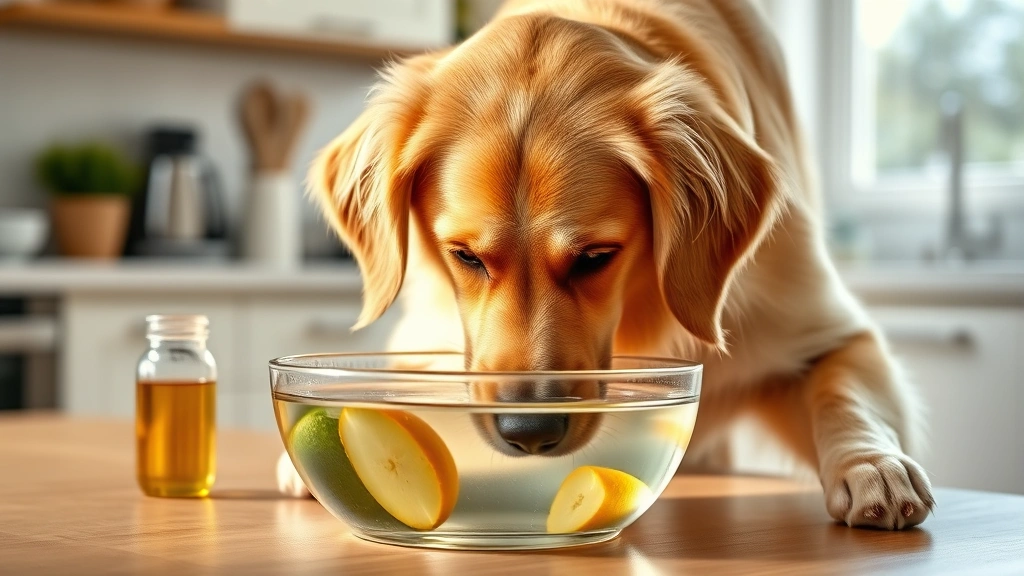
Can Dogs Have Apple Cider Vinegar?
Apple cider vinegar has become a popular wellness supplement for humans, with enthusiasts praising its potential health benefits ranging from digestion support to skin health. As a responsible pet owner, you might wonder whether this trendy ingredient could benefit your canine companion as well. The question of whether dogs can have apple cider vinegar is more nuanced than a simple yes or no answer, requiring careful consideration of dosage, quality, and individual health factors.
Before introducing any new substance to your dog’s diet, understanding the science behind it is crucial. Apple cider vinegar contains various compounds including acetic acid, which gives it its distinctive properties. While some pet owners report positive experiences using diluted apple cider vinegar for their dogs, veterinary professionals emphasize the importance of moderation and proper preparation. This comprehensive guide will explore what research tells us about apple cider vinegar for dogs, how to use it safely if you choose to, and when you should avoid it altogether.
Your dog’s health and safety should always be your top priority when making dietary decisions. Whether you’re considering apple cider vinegar for potential coat benefits, digestive support, or other wellness goals, this article will provide you with evidence-based information to make an informed choice for your furry friend.
Table of Contents
- What is Apple Cider Vinegar?
- Is Apple Cider Vinegar Safe for Dogs?
- Potential Benefits for Dogs
- Risks and Concerns
- How to Use Apple Cider Vinegar Safely
- Healthy Alternatives and Supplements
- Frequently Asked Questions
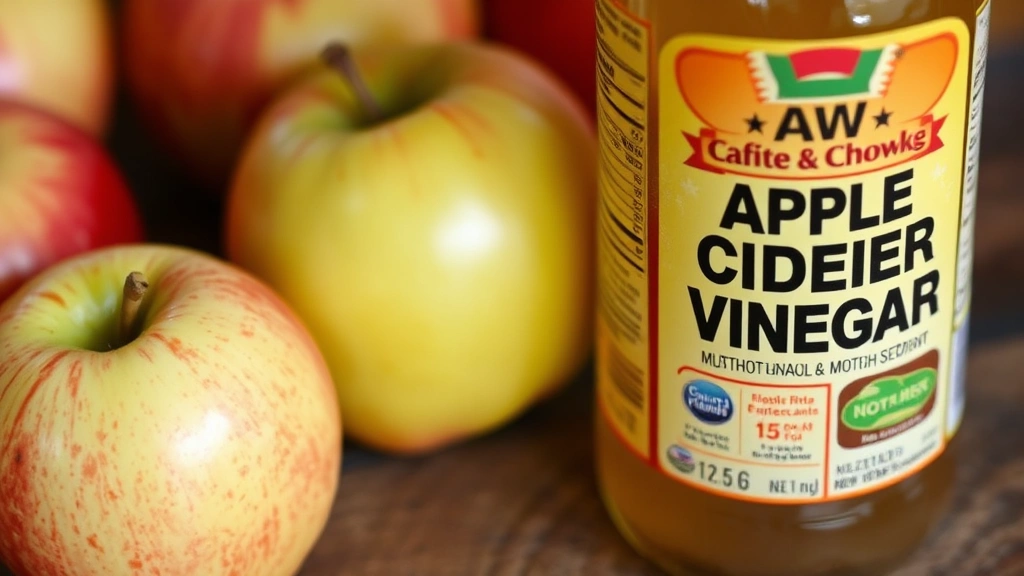
What is Apple Cider Vinegar?
Apple cider vinegar is a fermented liquid made from crushed apples, yeast, and bacteria. The fermentation process breaks down the apple sugars into acetic acid, which is the key active component responsible for most of its purported health properties. Traditional apple cider vinegar production involves a slow fermentation process that can take weeks or even months, allowing beneficial compounds to develop.
The main active ingredient, acetic acid, typically comprises about 4-6% of apple cider vinegar by volume. Beyond acetic acid, raw and unfiltered apple cider vinegar contains what’s known as “the mother”—a cloudy substance composed of beneficial bacteria and enzymes. This is why many health-conscious consumers prefer raw, unfiltered varieties over the clear, pasteurized versions found in most grocery stores.
When considering apple cider vinegar for pets, it’s essential to understand that not all vinegars are created equal. The quality, processing method, and purity can vary significantly between brands. Some commercially produced apple cider vinegars contain added sugars or other ingredients that would be inappropriate for dogs. Always check labels carefully if you’re considering giving your dog this supplement, and consult with your veterinarian about which specific products might be safe.
Is Apple Cider Vinegar Safe for Dogs?
The straightforward answer is that small amounts of properly diluted apple cider vinegar are generally safe for most healthy adult dogs. However, “safe” doesn’t automatically mean beneficial, and there are important caveats to consider. According to the American Kennel Club’s expert advice on apple cider vinegar for dogs, moderation is key when considering this supplement for your pet.
Dogs have different digestive systems than humans, and their stomach acid is more powerful. This means that while apple cider vinegar’s acidity might be tolerable for humans in small quantities, it can potentially irritate a dog’s digestive tract if not properly diluted. The acetic acid content can be harsh on sensitive tissues, particularly in dogs with pre-existing digestive issues or those prone to stomach upset.
Most veterinarians agree that if you choose to give your dog apple cider vinegar, it should be heavily diluted with water. A typical recommendation is one teaspoon to one tablespoon of apple cider vinegar mixed into your dog’s food or water bowl, depending on their size and individual tolerance. For a small dog, starting with just a few drops is advisable. Additionally, the American Veterinary Medical Association’s guidelines on feeding your dog emphasize the importance of consulting with your vet before introducing supplements.
Potential Benefits for Dogs
While scientific research on apple cider vinegar specifically for dogs is limited, some pet owners and holistic veterinarians report potential benefits. Understanding these claimed benefits helps you weigh whether this supplement might be worth discussing with your veterinarian. One commonly cited benefit is improved coat and skin health, though evidence remains largely anecdotal.
Some supporters suggest that apple cider vinegar may help maintain healthy skin pH balance and could potentially support dogs with itchy skin or minor dermatological issues. The theory is that the acetic acid helps rebalance the skin’s natural pH, creating an environment less hospitable to yeast and bacteria. However, for dogs with significant skin problems, prescription treatments recommended by your vet will likely be more effective than vinegar supplements.
Another claimed benefit involves digestive support and improved nutrient absorption. Proponents argue that apple cider vinegar’s acidity might help with digestion, though this theory is more applicable to human digestive systems than canine ones. If your dog struggles with digestion, consulting about options like whether dogs can have rice or other digestible foods might be more beneficial than vinegar supplements.
Some pet owners report that apple cider vinegar added to water bowls may help prevent urinary tract infections or support urinary health. Additionally, a few studies suggest vinegar might have mild antimicrobial properties, though research specifically in dogs is scarce. The PetMD resource on apple cider vinegar for dogs notes that most claimed benefits lack substantial scientific evidence in canine studies.

Risks and Concerns
Despite potential benefits, several important risks warrant serious consideration before giving your dog apple cider vinegar. The primary concern is the acidity, which can damage tooth enamel over time and irritate the digestive tract. Dogs with sensitive stomachs, acid reflux issues, or gastric ulcers should absolutely avoid apple cider vinegar supplementation.
For dogs taking certain medications, apple cider vinegar might interact negatively. It can affect how the body absorbs medications, potentially reducing their effectiveness or increasing side effects. If your dog is on any prescription medications, especially insulin for diabetes or medications affecting potassium levels, you must discuss apple cider vinegar with your veterinarian before introducing it. Some dogs may experience nausea, vomiting, or diarrhea when exposed to acidic substances.
Another significant concern involves potential interactions with other supplements or health conditions. For instance, if you’re considering whether dogs can have Benadryl alongside apple cider vinegar, or combining it with other supplements, you need professional veterinary guidance. Puppies, senior dogs, and dogs with compromised immune systems should not receive apple cider vinegar without explicit veterinary approval.
The acetic acid in apple cider vinegar can also potentially affect blood sugar levels in diabetic dogs, making monitoring crucial if you have a diabetic pet interested in this supplement. Additionally, the potassium content in vinegar might be problematic for dogs with kidney disease or other conditions affecting electrolyte balance. Always err on the side of caution and consult your vet before starting any new supplement regimen.
How to Use Apple Cider Vinegar Safely
If your veterinarian approves apple cider vinegar for your dog, proper preparation and dosing are essential for safety. Start with extremely small amounts to assess your dog’s tolerance. Begin with just a few drops of diluted vinegar mixed into their food or water, observing carefully for any adverse reactions over several days.
The golden rule is dilution: never give your dog undiluted apple cider vinegar. A common safe preparation is mixing one teaspoon to one tablespoon of vinegar in eight ounces of water, with the exact amount depending on your dog’s size and individual tolerance. Smaller dogs should receive smaller amounts, while larger dogs might tolerate slightly more. Always use food-grade, raw, unfiltered apple cider vinegar if possible, as it contains fewer additives than commercial varieties.
Monitor your dog carefully for any signs of digestive upset, including vomiting, diarrhea, decreased appetite, or abdominal discomfort. If any negative symptoms appear, discontinue use immediately and contact your veterinarian. Some dogs may develop an allergic reaction to apple cider vinegar, though this is relatively rare. Additionally, consider that dogs can have coconut water as a healthier hydration supplement if you’re looking for alternatives to plain water.
Never use apple cider vinegar as a substitute for professional veterinary treatment of any health condition. If your dog has skin issues, digestive problems, or other health concerns, these should be addressed with proper veterinary care. Apple cider vinegar might be a supplementary addition to a comprehensive health plan, but it should never replace evidence-based medical treatment prescribed by your veterinarian.
Healthy Alternatives and Supplements
Rather than relying on apple cider vinegar, several other supplements and dietary approaches have stronger scientific support for canine health. High-quality probiotics specifically formulated for dogs can support digestive health more effectively and with fewer risks than vinegar. These beneficial bacteria can improve digestion, nutrient absorption, and even support immune function.
Omega-3 fatty acids from fish oil are well-researched and widely recommended by veterinarians for supporting skin and coat health. These supplements have substantial scientific evidence backing their benefits for dogs, making them a safer choice than apple cider vinegar for similar goals. Additionally, ensuring your dog eats a high-quality, balanced diet formulated to meet their nutritional needs is the foundation of good health.
For dogs interested in various foods, understanding what’s safe is important. For example, dogs can have peppermint in very small amounts, while dogs can have rosemary as a culinary herb. However, dogs can have quinoa as a healthier grain alternative that provides complete protein and various nutrients. These whole foods often provide more tangible health benefits than supplements with limited research in dogs.
If your dog has specific health concerns, work with your veterinarian to develop a supplement protocol backed by research. Many veterinarians now specialize in veterinary nutrition and can recommend evidence-based supplements tailored to your dog’s individual needs. This personalized approach is far more effective than applying general supplement trends to your pet without professional guidance.
Frequently Asked Questions
Can I give my dog apple cider vinegar daily?
Daily apple cider vinegar supplementation is not recommended without veterinary supervision. While occasional, properly diluted doses might be acceptable for some healthy dogs, daily use increases the risk of dental enamel erosion and chronic digestive irritation. If you’re considering regular supplementation, consult your veterinarian first to ensure it’s appropriate for your dog’s individual health status and to establish proper dosing.
What is the correct dosage of apple cider vinegar for dogs?
The typical recommended dosage ranges from one teaspoon to one tablespoon of diluted apple cider vinegar (mixed in water) per day, depending on the dog’s size and weight. Small dogs under 25 pounds should receive smaller amounts, starting with just a few drops. Always dilute vinegar thoroughly in water—never give it undiluted—and start with minimal amounts to assess tolerance before gradually increasing if your vet approves.
Can apple cider vinegar help with my dog’s itchy skin?
While some pet owners report improvements in itching with apple cider vinegar, scientific evidence in dogs is limited. If your dog has chronic itching or skin problems, these warrant professional veterinary evaluation to identify the underlying cause, which could be allergies, parasites, infections, or other conditions requiring specific treatment. Attempting to treat skin issues with vinegar alone could delay necessary medical care.
Is raw apple cider vinegar better than filtered for dogs?
Raw, unfiltered apple cider vinegar with “the mother” is generally considered preferable if you choose to use vinegar, as it contains fewer additives and processing chemicals. However, this distinction matters less if you’re diluting it properly for your dog. The most important factors are proper dilution, small amounts, and veterinary approval, regardless of whether you use raw or filtered varieties.
Can apple cider vinegar cause health problems in dogs?
Yes, apple cider vinegar can potentially cause several problems including digestive upset, tooth enamel erosion, interactions with medications, and electrolyte imbalances in susceptible dogs. Dogs with sensitive stomachs, kidney disease, diabetes, or those taking medications are at higher risk for adverse effects. Always consult your veterinarian before introducing any supplement to identify potential risks specific to your dog’s health status.
Will apple cider vinegar help prevent urinary tract infections in dogs?
While some people believe acidifying urine with vinegar helps prevent urinary tract infections, evidence for this in dogs is weak. If your dog is prone to UTIs, consult your veterinarian about evidence-based prevention strategies, which may include dietary adjustments, increased water intake, or other interventions. Attempting to self-treat recurrent UTIs with vinegar could delay proper diagnosis and treatment of underlying issues.
Can puppies have apple cider vinegar?
Puppies should not receive apple cider vinegar without explicit veterinary approval. Their digestive systems are still developing, and acidic substances pose greater risks to puppies than adult dogs. Additionally, puppies require carefully balanced nutrition for proper growth and development. Focus on high-quality puppy food formulated for their life stage rather than adding supplements like apple cider vinegar.





