
Can Dogs Have Apple Juice? Safety Tips for Pet Owners
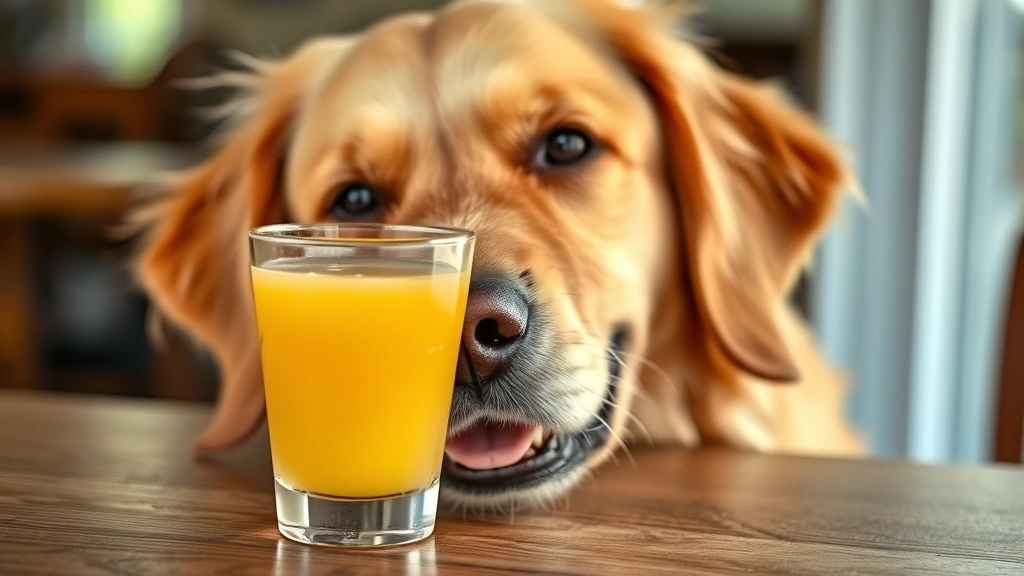
We’ve all been there—you’re sipping on a refreshing glass of apple juice, and your furry best friend gives you those irresistible puppy dog eyes. Before you share a taste, it’s natural to wonder: can dogs have apple juice? The answer isn’t as straightforward as a simple yes or no, and understanding the nuances could make a real difference in your pup’s health and happiness.
Apple juice is a beloved beverage for many humans, packed with vitamins and natural sweetness. But what works wonderfully for our taste buds might not be ideal for our canine companions. Dogs have different digestive systems, nutritional needs, and sensitivities than humans do. The good news? We’re here to break down everything you need to know about apple juice and dogs, so you can make informed decisions about what goes into your pet’s bowl.
Whether you’re a first-time dog owner or a seasoned pup parent, this comprehensive guide will walk you through the risks, benefits, and safe alternatives to keep your furry friend healthy and happy.
Apple Juice Basics: What’s Inside Your Glass?
Before we tackle whether dogs can enjoy apple juice, let’s examine what’s actually in that glass. Apple juice typically contains:
- Natural sugars: Primarily fructose, glucose, and sucrose
- Water: About 88% of the juice’s composition
- Vitamins: Mainly vitamin C and some B vitamins
- Minerals: Potassium and small amounts of other trace minerals
- Acids: Malic acid and citric acid for that tart flavor
- Added sugars: Many commercial brands add extra sweeteners
- Preservatives: Some brands include additives to extend shelf life
Store-bought apple juice often differs significantly from fresh-pressed varieties. Commercial versions frequently undergo pasteurization and may contain added sugars that push the calorie and sugar content even higher. Some brands also add artificial sweeteners, which introduces another layer of concern for dog owners.
The processing method matters too. Fresh apples and apple juice have different nutrient profiles and concentration levels. When apples are juiced, you lose the beneficial fiber and concentrate the sugars, making the juice a much more concentrated source of calories and sweetness.
Can Dogs Have Apple Juice? The Short Answer
Here’s the bottom line: Dogs should not regularly consume apple juice, and it’s best avoided as a dietary staple. While a tiny amount of plain, unsweetened apple juice won’t necessarily harm your dog in a one-time situation, it’s not recommended as a treat or beverage option.
The American Kennel Club and veterinary professionals generally advise against giving dogs fruit juices, including apple juice. Your dog’s nutritional needs are fundamentally different from yours, and their digestive systems are optimized for a balanced canine diet rather than concentrated fruit beverages.
That said, the occasional accidental sip isn’t cause for panic. If your dog laps up a small amount of apple juice that spilled on the floor, monitor them for any signs of digestive upset, but don’t rush to the emergency vet. The real concern comes from regular consumption or large quantities.
The Sugar Problem: Why It Matters for Dogs
The primary reason veterinarians discourage apple juice for dogs is the sugar content. A single cup of commercial apple juice can contain 24-28 grams of sugar—that’s equivalent to about 6 teaspoons. For a small dog weighing 10-15 pounds, this represents a significant portion of their daily caloric intake.
Excessive sugar consumption in dogs can lead to several health issues:
- Obesity: Extra calories from sugar contribute to weight gain, which increases the risk of joint problems, diabetes, and heart disease
- Dental disease: Sugar feeds harmful bacteria in the mouth, promoting tooth decay and gum disease
- Diabetes: High sugar intake increases the risk of developing diabetes, particularly in predisposed breeds
- Digestive upset: The concentrated sugars can cause diarrhea or vomiting in sensitive dogs
- Nutrient imbalances: Empty calories from sugar displace space for nutritious foods
- Hyperactivity: Some dogs experience increased energy or behavioral changes after sugar consumption
When you’re considering cranberry juice or other fruit juices, you’ll encounter similar sugar-related concerns. The issue isn’t unique to apple juice—it’s a fundamental problem with fruit juices for canine companions.
Dogs also lack the same taste receptors for sweetness that humans have, so they don’t experience the pleasure from sweetness that makes us crave sugary treats. Offering sweet beverages doesn’t provide your dog with any psychological benefit while introducing real health risks.
Acidity and Dental Health in Dogs
Beyond sugar, apple juice presents another concern: acidity. Apple juice contains malic acid, which can erode tooth enamel over time. Dogs already struggle with dental health issues at alarmingly high rates—studies show that the majority of dogs over age three have some form of dental disease.
The combination of sugar and acid creates a particularly damaging environment for your pup’s teeth. When acidic juice coats the teeth, it softens the enamel, making it more susceptible to decay. Add sugar into the mix, and you’ve created the perfect conditions for bacterial growth and tooth damage.
Unlike humans who can brush their teeth after consuming acidic beverages, dogs don’t have this option. While you can brush your dog’s teeth (and should, ideally daily), relying on brushing to counteract the effects of regular juice consumption puts unnecessary strain on your pet’s dental health.
Professional dental cleanings for dogs are expensive and require anesthesia, which carries its own risks. Prevention through diet is far more sensible than trying to manage dental problems after they develop.

Safe Juice Alternatives for Your Pup
If you want to give your dog a special treat or refreshing beverage, there are much better options than apple juice. Let’s explore some dog-friendly alternatives:
Water-Based Treats
Plain, fresh water is always the best choice for your dog. It’s calorie-free, promotes hydration, and supports all bodily functions. If you want to make water more interesting, try freezing it into ice cubes or popsicles—many dogs enjoy the novelty and cooling sensation, especially on hot days.
Dog-Specific Broths
Low-sodium bone broth or beef broth designed for dogs can be a flavorful treat. These broths provide collagen, gelatin, and amino acids that actually benefit your dog’s health. Many come in convenient freeze-dried or liquid formats. Just ensure they contain no onions, garlic, or excessive sodium.
Diluted Vegetable Juice
Unlike fruit juice, vegetable juice offers more nutritional benefit and less sugar. A small amount of diluted, unsalted vegetable juice can be a healthy occasional treat. Carrot juice or green vegetable juices are particularly good options.
Coconut Water Considerations
Some owners wonder about giving dogs coconut water as an alternative. While coconut water is lower in sugar than apple juice and contains beneficial electrolytes, it’s still best offered sparingly and only in small amounts. It’s not toxic, but it’s not necessary for your dog’s diet either.
Frozen Fruit Options
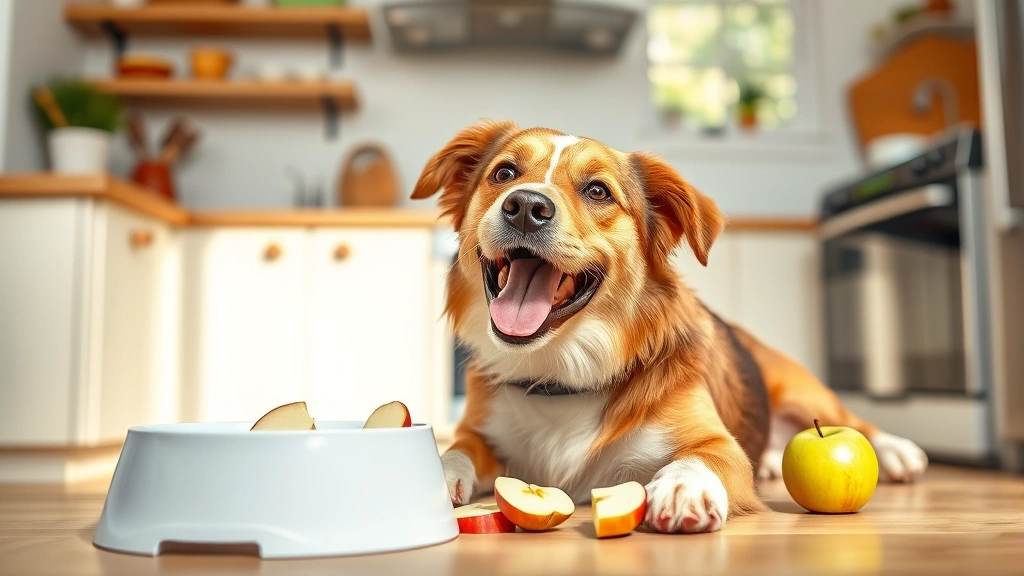
Instead of juice, consider offering your dog fresh fruit. Unlike orange juice and other citrus juices, whole fruits provide fiber along with their natural sugars. Frozen apple slices (without seeds), blueberries, or watermelon chunks can be refreshing treats. The fiber slows sugar absorption and provides actual nutritional value.
What About Milk?
You might also wonder if dogs can drink milk as an alternative beverage. While small amounts of plain milk are generally safe for most adult dogs, many are lactose intolerant. If you want to offer a creamy treat, unsweetened, unflavored plain yogurt is a better choice.
Healthier Treat Options Beyond Juice
If you’re looking to spoil your pup with something special, there are numerous healthy options that actually support their wellbeing:
- Fresh vegetables: Carrots, green beans, sweet potatoes, and pumpkin are nutritious, low-calorie options
- Lean proteins: Plain cooked chicken, turkey, or beef (without seasoning) provide essential amino acids
- Peanut butter: Natural, xylitol-free peanut butter is a protein-rich treat dogs love
- Cheese: Small amounts of plain cheese can be a tasty, protein-packed reward
- Eggs: Scrambled or boiled eggs are nutritious and safe for dogs
- Sweet potatoes: Baked or steamed sweet potato pieces offer vitamins and fiber
- Apricot alternatives: If you’re curious about whether dogs can eat apricots, the answer is yes in moderation—they’re a better choice than juice since they contain fiber
When choosing treats, remember that treats should comprise no more than 10% of your dog’s daily caloric intake. The remaining 90% should come from a complete and balanced commercial dog food or a vet-approved homemade diet.
Always introduce new foods gradually and in small amounts to monitor for any adverse reactions. Every dog is unique, and what works wonderfully for one pup might cause digestive upset in another.
Frequently Asked Questions
Is diluted apple juice safer for dogs than full-strength?
Diluting apple juice reduces the sugar concentration, making it slightly less problematic, but it doesn’t eliminate the concerns. Diluted juice still contains acids that can harm teeth and sugars that provide empty calories. Even diluted, it’s not a recommended treat. Plain water is always the better choice.
What if my dog accidentally drank a large amount of apple juice?
If your dog consumed a significant quantity of apple juice, monitor them closely for signs of digestive upset including vomiting, diarrhea, or abdominal discomfort. Watch for excessive thirst or urination. Most dogs will experience mild stomach upset at worst. Contact your veterinarian if symptoms persist beyond a few hours or if your dog is in apparent distress. For dogs with diabetes or obesity, notify your vet even if symptoms seem mild.
Are there any benefits to giving dogs apple juice?
While apples contain some beneficial compounds like polyphenols and vitamin C, the juice form concentrates sugars while removing fiber. Your dog can get these benefits more safely from whole apples in appropriate portions. The risks of apple juice significantly outweigh any potential benefits.
Can puppies have apple juice?
Puppies should absolutely avoid apple juice. Their developing digestive systems are even more sensitive than adult dogs’, and they’re more prone to diarrhea. Additionally, puppies need carefully balanced nutrition to support growth, and sugary juice interferes with proper nutrition. Stick to puppy-appropriate food and water.
What about homemade apple juice without added sugar?
Even fresh-pressed apple juice without added sugar contains naturally high sugar concentrations. The juicing process removes fiber and concentrates the natural sugars, making it problematic regardless of whether additional sugar was added. The acidity remains a concern as well. Homemade doesn’t make it safe.
Can dogs have apple cider vinegar?
Apple cider vinegar is sometimes promoted for various health benefits, but it’s highly acidic and should not be given to dogs. The acidity can damage tooth enamel and cause digestive upset. Some people dilute it heavily for certain purposes, but this should only be done under veterinary guidance.
Is apple juice toxic to dogs?
Apple juice itself isn’t toxic in the way that certain foods like chocolate or grapes are. However, it’s not appropriate for regular consumption due to high sugar content and acidity. The concern is long-term health effects rather than acute toxicity. If your dog had a small accidental taste, there’s no need for emergency intervention.
What’s the best hydration option for dogs?
Fresh, clean water is the gold standard for dog hydration. Dogs don’t need juice, broth, or any other beverage to stay healthy. Ensure your dog has constant access to fresh water, especially during hot weather or after exercise. If your dog isn’t drinking enough water, consult your veterinarian—it could indicate an underlying health issue.





