

You’re standing at the farmer’s market with a bunch of fresh asparagus in your cart, and your dog is giving you that look from home. The question hits you: can dogs have asparagus? The short answer is yes—but there’s more to it than just tossing a spear in the bowl. As a vet tech who’s seen plenty of digestive surprises, I want to walk you through what you need to know about asparagus for dogs, from safety to prep to potential risks.
Asparagus is actually one of the safer vegetables you can share with your dog. It’s low in calories, packed with fiber, and contains vitamins that support their immune system. But—and this is important—the way you prepare it matters a lot. Raw asparagus can be a choking hazard. Cooked asparagus with garlic or salt? That’s a no-go. Let me break down everything you need to know to feed asparagus safely.
Is Asparagus Safe for Dogs?
Yes, can dogs have asparagus? Absolutely. Plain, properly prepared asparagus is safe for dogs and can be a healthy treat or meal topper. The ASPCA doesn’t list asparagus as toxic to dogs, and veterinary nutritionists generally approve it as an occasional vegetable addition to a balanced diet.
The key word here is “plain.” Asparagus becomes unsafe when it’s cooked with butter, oil, garlic, salt, or other seasonings. Your dog’s digestive system is different from yours—what tastes good to us can upset their stomach or worse.
I’ve had clients ask me if the woody texture is a problem. It can be, actually. That’s why preparation is everything. A small Chihuahua shouldn’t get the same size piece as a 90-pound Labrador. It’s not just about nutrition; it’s about physical safety too.
Here’s what makes asparagus a thumbs-up in my book: it’s non-toxic, it’s nutrient-dense, and most dogs find it palatable. I’ve seen dogs turn their noses up at carrots but get excited about asparagus. Every dog is different, though, so don’t be surprised if yours isn’t interested.
Nutritional Benefits of Asparagus for Dogs
Asparagus isn’t just safe—it actually brings something to the table nutritionally. A cup of raw asparagus has about 27 calories and contains fiber, vitamins A, C, E, and K, plus folate and potassium. For a dog on a calorie-restricted diet or one that needs more fiber, asparagus can be a smart choice.
- Fiber: Supports digestive health and can help with constipation or loose stools (in the right amounts).
- Vitamin K: Important for blood clotting and bone health.
- Vitamin C: An antioxidant that supports immune function.
- Folate: Supports cell division and DNA synthesis.
- Low calorie: Great for dogs that need to lose weight or for training treats.
One thing I always tell dog owners: asparagus shouldn’t replace your dog’s regular food. Think of it like a vitamin supplement—helpful, but not a meal replacement. Your dog’s primary nutrition should come from a balanced commercial dog food or a veterinarian-approved home-cooked diet.
If your dog has specific health conditions—kidney disease, urinary issues, or digestive problems—check with your vet before adding asparagus. Some conditions require restricted diets, and even “healthy” vegetables can interfere with medical management.
How to Prepare Asparagus for Dogs: Safe Methods
Preparation is where most people mess up. You can’t just hand your dog a raw asparagus spear and call it a day. Here’s how to do it right:
Steamed Asparagus (Best Option)
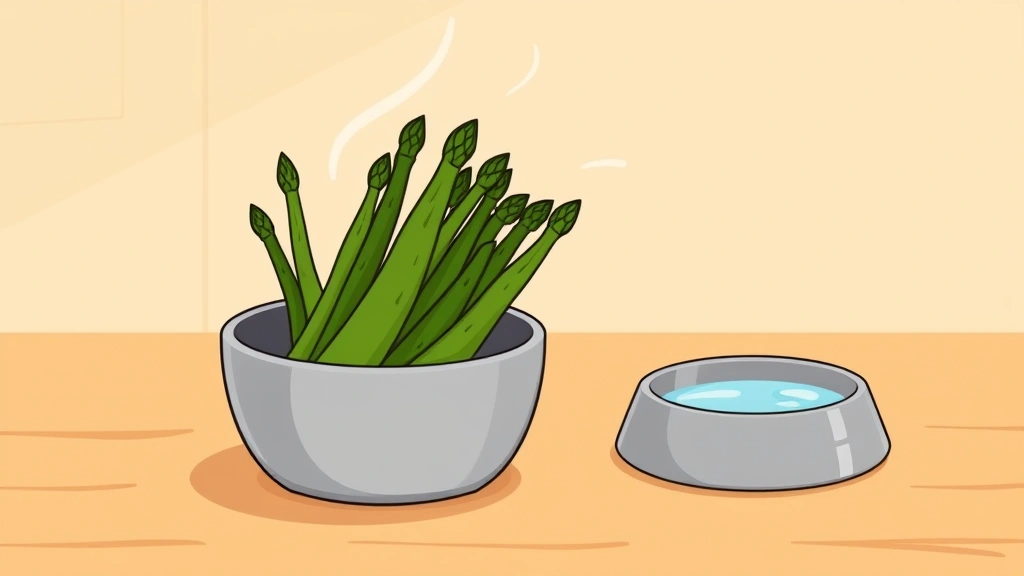
Steam asparagus for 5-10 minutes until it’s soft but not mushy. No oil, no salt, no butter. Let it cool completely before serving. Steaming preserves nutrients better than boiling and makes it safer for your dog to chew and swallow. Cut it into small pieces—about the size of a pea for small dogs, matchstick-sized for medium dogs.
Boiled Asparagus
Boil in plain water for 10-15 minutes. This works, but some nutrients leach into the water. Still safe, just slightly less nutritious. Again, cool completely and cut into appropriate sizes.
Raw Asparagus (With Caution)
Raw asparagus is technically safe, but it’s a choking hazard, especially for dogs that don’t chew thoroughly. If you go this route, cut it into very small pieces and supervise closely. Honestly? I’d skip raw asparagus for most dogs. The risk isn’t worth the minimal benefit.
Roasted Asparagus (No)
Don’t roast it with oil or salt. Just don’t. Your dog doesn’t need the extra fat or sodium.
Pro Tip: Freeze steamed asparagus pieces for a refreshing treat on hot days. Dogs often find the cold texture interesting, and it adds enrichment to their day.
Choking Risks and How to Avoid Them
Here’s where I get real with you: I’ve seen dogs choke on things people didn’t think were dangerous. Asparagus, with its fibrous, stringy texture, can be a problem if not prepared correctly.
The asparagus spear is basically a bundle of fibers held together. When a dog swallows it whole or in large chunks, those fibers can bunch up and create a blockage. It’s rare, but it happens. I’ve had colleagues deal with emergency surgeries for less obvious hazards.
How to prevent it:
- Always cut into small pieces. Small enough that your dog can’t choke on it, but large enough that they have to chew.
- Cook it soft. Steaming or boiling makes it easier to break apart in their mouth.
- Supervise. Watch your dog eat it, especially the first time. You’ll learn their chewing habits.
- Know your dog’s eating style. If your dog is a gulper (swallows without chewing), asparagus might not be the best choice.
- Start small. Give one or two pieces first to see how they handle it.
If your dog has a history of intestinal blockages, skip asparagus entirely. It’s not worth the risk. Similarly, very young puppies or senior dogs with dental issues should get soft, well-cooked pieces only.
Portion Guidelines by Dog Size
There’s no official “daily asparagus allowance” for dogs, but here’s what I recommend based on the 10% treat rule (treats should make up no more than 10% of daily calories):
- Toy breeds (under 10 lbs): 1-2 small pieces, 2-3 times per week.
- Small breeds (10-25 lbs): 2-3 small pieces, 2-3 times per week.
- Medium breeds (25-50 lbs): 3-5 small pieces, 2-3 times per week.
- Large breeds (50+ lbs): 5-8 small pieces, 2-3 times per week.
“Small pieces” means roughly the size of a pea for tiny dogs and matchstick-sized for larger dogs. The point is that asparagus should be a supplement to their diet, not a staple. Your dog’s kibble should still be the nutritional backbone.
Also consider your dog’s overall diet. If they’re already getting veggies from their food, dial back the asparagus. If they’re on a high-fiber diet for digestive reasons, check with your vet before adding more.
What to Avoid: Toxic Preparations and Seasonings
This is critical. Some common ways people prepare asparagus are straight-up dangerous for dogs. Let me spell it out:
Garlic and Onion
Never give your dog asparagus that’s been cooked with garlic or onions. Both are toxic to dogs and can damage red blood cells, causing hemolytic anemia. Even small amounts in cooked asparagus can cause problems. If you’re making asparagus for dinner and plan to share with your dog, cook their portion separately without any seasonings. For more on safe seasonings, check out our guide on what seasonings are good for dogs.
Salt and Butter
Excess sodium isn’t good for dogs. It can contribute to high blood pressure and other health issues. Butter adds unnecessary fat. Plain asparagus is better.
Oil-Roasted or Fried
Too much fat can upset your dog’s stomach and contribute to pancreatitis, especially in predisposed breeds. Skip the oils entirely.
Canned Asparagus
Most canned vegetables are packed with sodium. Read the label, but generally, fresh or frozen is better than canned for dogs.
Asparagus Fern
This isn’t the vegetable asparagus—it’s a houseplant. It’s toxic to dogs and causes gastrointestinal upset. Don’t confuse the two.
Safety Warning: If your dog eats asparagus prepared with garlic, onions, or excessive salt, monitor for signs of illness: vomiting, diarrhea, lethargy, or loss of appetite. Contact your vet if symptoms develop.
Digestive Considerations and Potential Issues
Even plain asparagus can cause digestive upset in some dogs, especially if they’re not used to vegetables. Here’s what to watch for:
Gas and Bloating
Asparagus is high in fiber. If your dog isn’t accustomed to fiber, introducing it suddenly can cause gas, bloating, or loose stools. Start with tiny amounts and increase gradually if your dog tolerates it well.
Loose Stools
Too much asparagus can have a laxative effect due to its fiber content. If your dog has loose stools after eating asparagus, reduce the amount or stop giving it.
Constipation
In some cases, especially if the asparagus isn’t cooked soft enough, it can actually contribute to constipation. Make sure it’s soft and your dog drinks plenty of water.
Dogs with Sensitive Stomachs
If your dog has inflammatory bowel disease, pancreatitis, or other digestive conditions, talk to your vet before adding asparagus. Some conditions require strict dietary management, and even healthy vegetables can trigger flare-ups.
I always tell people: introduce any new food slowly. Give a tiny amount, wait 24-48 hours, and see how your dog responds. If there are no issues, you can gradually increase the amount. This approach works for asparagus and any other new food.
For more information on balanced nutrition and what else is safe for your dog, check out our article on what herbs are good for dogs and our guide on whether salmon is healthy for dogs. These resources will help you build a well-rounded treat rotation for your pup.
Frequently Asked Questions
Can dogs eat raw asparagus?
– Raw asparagus is technically safe but poses a choking hazard due to its fibrous texture. If you give raw asparagus, cut it into very small pieces and supervise closely. Cooked asparagus is safer and easier for dogs to digest.
Can asparagus cause kidney problems in dogs?
– Plain asparagus in normal amounts won’t cause kidney problems. However, if your dog has existing kidney disease, check with your vet first. Some kidney conditions require restricted diets, and even healthy vegetables need approval.
Is asparagus good for dogs with diabetes?
– Yes, asparagus is low in sugar and calories, making it a good treat option for diabetic dogs. It won’t spike blood sugar. Still, consult your vet about appropriate portions and whether it fits your dog’s specific diet plan.
Can puppies eat asparagus?
– Yes, but in very small amounts and only when cooked soft. Puppies have developing digestive systems, so introduce new foods slowly. Make sure pieces are tiny to avoid choking hazards.
What if my dog ate asparagus with garlic?
– Contact your vet. Garlic is toxic to dogs. The severity depends on the amount and your dog’s size. Small amounts might cause mild upset; larger amounts can damage red blood cells. Don’t wait to see if symptoms develop—call your vet immediately.
Can dogs eat asparagus tips or just the stalks?
– Both tips and stalks are safe. Tips are slightly softer and easier to chew, making them better for small dogs or dogs with dental issues. Stalks are firmer and require more chewing, which is good for dogs that need enrichment.
How often can I give my dog asparagus?
– 2-3 times per week in appropriate portions is safe for most healthy dogs. It shouldn’t be a daily treat. Variety is important—rotate different safe vegetables and treats to keep your dog’s diet interesting and balanced.
Is frozen asparagus safe for dogs?
– Yes, frozen asparagus is safe as long as it has no added salt or seasonings. Thaw it and cut it into appropriate sizes before serving. Frozen asparagus is just as nutritious as fresh and often more convenient.
Can dogs have asparagus soup or broth?
– Plain asparagus broth (made with just water and asparagus, no salt or seasonings) is safe in small amounts. However, most commercial soups contain salt, garlic, or onions, making them unsafe. Stick to plain, home-cooked preparations.
What are other safe vegetables I can give my dog?
– Carrots, green beans, sweet potatoes, pumpkin, and broccoli (in small amounts) are generally safe. Avoid onions, garlic, avocado, grapes, and raisins. For more detailed guidance on safe options, check out our article on can dogs eat bread for context on treating and our guide on are pickles safe for dogs for examples of what to avoid.
Should I give asparagus as a treat or mix it with food?
– Either works. Some dogs enjoy it as a standalone treat; others prefer it mixed into their kibble or added to homemade meals. Mix it in if your dog is picky, or give it separately if they enjoy it on its own. The key is moderation either way.
Final Thoughts: Asparagus for Your Dog
So, can dogs have asparagus? Yes. It’s safe, nutritious, and most dogs can handle it without problems. The real key is preparation and portion control. Steam it plain, cut it small, introduce it gradually, and watch your dog’s response.
Asparagus isn’t a superfood for dogs—don’t expect it to transform your dog’s health. But it’s a solid, low-calorie treat option that adds variety to their diet. For weight management, training rewards, or just switching things up, asparagus works.
And remember: if your dog has any health conditions, is on medication, or has a sensitive stomach, run it by your vet first. That’s always the safest play. Your vet knows your dog’s medical history and can give personalized advice that I can’t.

Want to learn more about what’s safe for your dog? The American Kennel Club and PetMD are excellent resources for breed-specific information and general dog health. For toxicity questions, the ASPCA Animal Poison Control Center is your go-to resource.
Happy treating, and enjoy watching your dog discover asparagus.





