
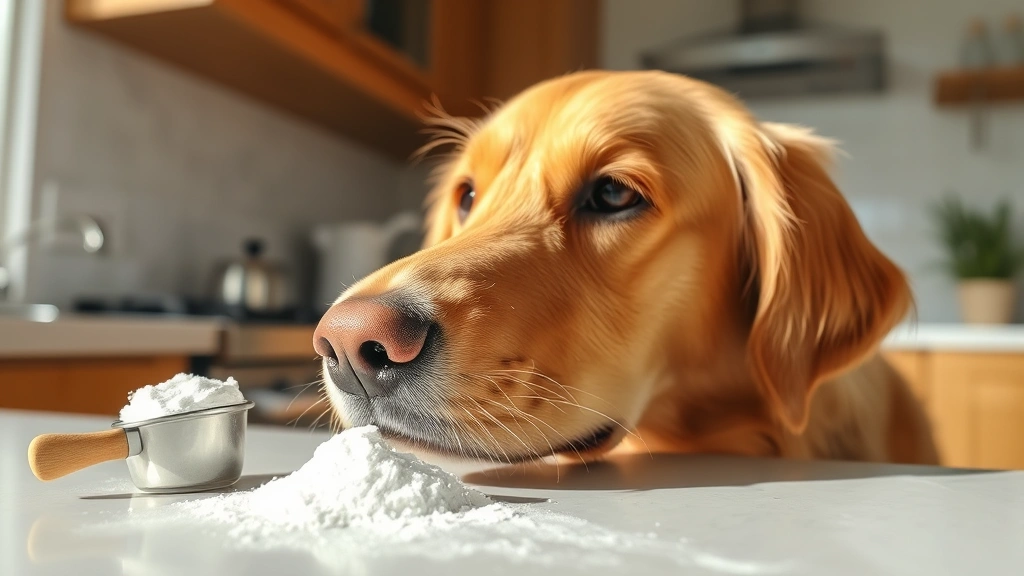
Is Baking Soda Safe for Dogs? Vet Advice on Uses and Risks
Baking soda is a common household staple found in nearly every kitchen, and pet owners often wonder whether it’s safe to use around their furry companions. The short answer is: it depends on how and why you’re using it. While small amounts of baking soda are generally recognized as safe by the FDA, ingesting large quantities can pose serious health risks to dogs. Understanding the difference between safe and unsafe uses is crucial for responsible pet ownership.
This comprehensive guide explores the science behind baking soda’s effects on canine health, examines common household uses, and provides veterinary-backed recommendations for keeping your dog safe. Whether you’re considering using baking soda as a deodorizer, a digestive aid, or for cleaning purposes, you’ll find evidence-based answers to your most pressing questions.
What Is Baking Soda?
Baking soda, chemically known as sodium bicarbonate (NaHCO₃), is a white crystalline powder used extensively in baking, cleaning, and deodorizing applications. It works by neutralizing acids and producing carbon dioxide gas, which gives baked goods their characteristic rise. In households, people use it for everything from removing odors from refrigerators to whitening teeth and freshening carpets.
The compound is naturally occurring and has been used for centuries in various culinary and medicinal applications. In small, controlled amounts, sodium bicarbonate is even used in veterinary medicine to treat certain conditions like acidosis. However, the key distinction lies between therapeutic doses prescribed by veterinarians and the quantities dogs might encounter through accidental ingestion or misguided home remedies.
Understanding baking soda’s chemical properties helps explain why it can be both beneficial and harmful depending on the context. When ingested, it reacts with stomach acid to produce sodium, water, and carbon dioxide gas. This reaction is what makes it potentially problematic for dogs.
Toxicity Concerns for Dogs
While baking soda is not inherently toxic to dogs in the way that chocolate or xylitol are, it can become dangerous when consumed in significant quantities. The primary concern involves the sodium content and the gas production that occurs during digestion. According to the ASPCA Animal Poison Control Center, baking soda toxicity in dogs typically occurs when they ingest more than a small amount.
The sodium bicarbonate reacts with gastric acid to produce carbon dioxide gas, which can cause gastric distension—essentially bloating the stomach. This is particularly concerning because gastric distension can progress to gastric dilatation-volvulus (GDV), commonly known as bloat, which is a life-threatening emergency in dogs. Additionally, the sodium content can disrupt your dog’s electrolyte balance, leading to hypernatremia (excessive sodium in the blood).
Small dogs and puppies are at higher risk due to their smaller body size, meaning the same amount of baking soda represents a larger dose relative to their weight. Senior dogs with existing health conditions may also be more vulnerable to complications. The toxic dose of baking soda for dogs is generally estimated at 10-12.5 grams per kilogram of body weight, though clinical signs can appear at lower doses depending on individual sensitivity.
Research published in veterinary journals indicates that sodium bicarbonate can also affect acid-base balance in the body. While this is sometimes used therapeutically under veterinary supervision, uncontrolled ingestion can disrupt the delicate pH balance necessary for proper organ function.
Safe Uses of Baking Soda
When used appropriately and externally, baking soda can offer several safe benefits for dogs. The key is avoiding ingestion and using it in diluted, controlled applications.
Odor Control in Bedding and Carpets
One of the most common safe uses of baking soda around dogs involves sprinkling it on bedding, carpets, and furniture to neutralize odors. This external application poses minimal risk because your dog isn’t ingesting significant quantities. Simply sprinkle a light layer, let it sit for 15-30 minutes, and vacuum thoroughly. Ensure your dog is not in the room during vacuuming, as the powder can irritate respiratory passages.
Dry Shampoo Alternative
In emergency situations when you cannot bathe your dog, a very small amount of baking soda mixed into their coat can help absorb oils and freshen their appearance. Use this sparingly and brush it out completely. Never leave baking soda residue in your dog’s fur, as they may lick it off during grooming.
Gentle Cleaning Agent
Baking soda can safely clean food and water bowls, toys, and other dog equipment. Mix it with water to create a gentle paste that removes stains and odors without harsh chemicals. Rinse thoroughly to remove all residue before your dog uses the items.
Veterinary-Prescribed Uses
In rare cases, veterinarians may prescribe sodium bicarbonate to treat specific medical conditions like metabolic acidosis or certain urinary issues. When prescribed by your vet, the dose is carefully calculated based on your dog’s weight, age, and health status. Always follow your veterinarian’s instructions precisely when using baking soda medicinally.

Unsafe Uses and Risks
Several common practices involving baking soda can pose serious risks to dogs and should be avoided entirely.
Using Baking Soda as a Digestive Remedy
Some pet owners mistakenly believe that baking soda can help with dog diarrhea or upset stomachs. This is dangerous and unsupported by veterinary evidence. Giving baking soda to a dog with gastrointestinal issues can actually worsen symptoms by causing gas production and potential bloating. If your dog has digestive problems, consult your veterinarian about proven treatments instead.
Homemade Flea and Tick Treatments
Some internet sources recommend using baking soda mixed with essential oils or other substances as flea treatments. This is ineffective and potentially harmful. Modern veterinary flea and tick preventatives are far more reliable and safer when used as directed. Discuss appropriate parasite prevention options with your veterinarian.
Treating Urinary Issues Without Veterinary Guidance
While veterinarians occasionally use sodium bicarbonate to manage urinary pH in specific cases, using baking soda as a home remedy for urinary problems is inappropriate. Conditions like urinary tract infections or crystals require proper diagnosis and treatment. Self-treating with baking soda can delay necessary medical care and worsen your dog’s condition.
Mixing with Food or Treats
Never intentionally add baking soda to your dog’s food or treats. Even small amounts can accumulate if given regularly, and your dog cannot express discomfort about the taste or sensation it creates in their mouth and stomach.

Symptoms of Baking Soda Overdose
Recognizing the signs of baking soda toxicity is crucial for prompt intervention. If your dog has ingested baking soda, watch for these symptoms:
- Vomiting and retching – Often one of the first signs as the stomach reacts to the substance
- Abdominal pain or distension – Your dog may appear uncomfortable, reluctant to move, or adopt a prayer position
- Excessive gas or bloating – Visible swelling of the abdomen due to carbon dioxide production
- Diarrhea – May occur as the digestive system attempts to clear the irritant
- Lethargy or weakness – Caused by electrolyte imbalances affecting muscle and nerve function
- Tremors or muscle twitching – Indicates severe electrolyte disturbances
- Seizures – In severe cases, hypernatremia can trigger neurological symptoms
- Difficulty breathing – Related to gastric distension putting pressure on internal organs
- Loss of appetite – Your dog may refuse food due to nausea or abdominal discomfort
- Excessive thirst and urination – The body attempting to regulate sodium levels
Some dogs may not show symptoms immediately. Depending on the amount ingested and your dog’s individual sensitivity, signs can develop within 30 minutes to several hours. Severe cases can progress rapidly, so any suspected baking soda ingestion warrants immediate veterinary attention.
What to Do if Your Dog Ingests Baking Soda
Immediate Steps
If you suspect your dog has eaten baking soda, take action immediately. First, determine approximately how much your dog ingested and when. This information is critical for your veterinarian to assess risk level. Do not induce vomiting unless specifically instructed by your vet, as vomiting can sometimes cause additional complications.
Contact your veterinarian or emergency veterinary clinic right away. If it’s after hours, call an emergency clinic. Have the following information ready: your dog’s weight, the approximate amount of baking soda ingested, when it happened, and any symptoms you’ve observed. You can also contact the ASPCA Poison Control Center at (888) 426-4435 for professional guidance.
Veterinary Treatment
Your veterinarian may recommend several treatments depending on the situation. These might include:
- Activated charcoal to absorb remaining baking soda (if treatment is sought soon after ingestion)
- Intravenous fluids to help flush excess sodium and restore electrolyte balance
- Medications to control vomiting and manage symptoms
- Monitoring of blood work to assess sodium levels and organ function
- Hospitalization for observation if symptoms are severe
- Supportive care to maintain comfort and stability
The prognosis depends on how much baking soda was ingested, how quickly treatment was sought, and your dog’s overall health. Most dogs recover well with prompt veterinary intervention, but delays in treatment can result in serious complications.
Prevention is Key
The best approach is prevention. Store baking soda in a secure location where your dog cannot access it. Keep it in a sealed container on a high shelf or in a cabinet with a childproof lock. If you use baking soda for cleaning or deodorizing, ensure your dog is not in the area where you’re applying it, and vacuum or wipe up all residue thoroughly. Be particularly vigilant if you have puppies or dogs with a tendency to eat non-food items.
Safe Alternatives to Consider
If you’re looking to use baking soda for specific purposes around your dog, consider these safer alternatives:
For Odor Control
Instead of baking soda, use commercial pet-safe odor eliminators specifically formulated for dogs. These products are designed to be safe even if your dog comes into contact with residue. Alternatively, regular vacuuming and washing of dog bedding in hot water is highly effective and completely safe.
For Digestive Issues
If your dog experiences vomiting or digestive upset, consult your veterinarian about appropriate treatments. Plain cooked rice or a bland diet may help, but professional guidance is essential for proper diagnosis and treatment. Your vet might recommend prescription digestive aids or probiotics designed for dogs.
For Dental Health
Rather than using baking soda for teeth cleaning, use veterinary-approved dog toothpaste and a soft-bristled toothbrush designed for dogs. Regular dental care through professional cleanings and appropriate chew toys is the safest approach to maintaining good breath and oral health.
For Flea and Tick Prevention
Work with your veterinarian to select appropriate, evidence-based flea and tick prevention methods. Modern options like topical treatments, oral medications, and collars are far more effective and safer than homemade remedies.
For Coat Health
If your dog’s coat needs freshening between baths, use a dog-specific dry shampoo or grooming spray. Ensure your dog receives adequate nutrition—proper diet and feeding practices contribute significantly to healthy skin and coat.
FAQ
Can dogs have small amounts of baking soda?
Small amounts of baking soda are unlikely to cause immediate harm, but there’s no safe reason to give it to your dog intentionally. Even small quantities can accumulate if given repeatedly. The safest approach is to avoid feeding baking soda to dogs altogether and prevent accidental ingestion through proper storage.
Is baking soda toxic or just unsafe?
Baking soda is toxic to dogs when ingested in sufficient quantities. The toxic dose depends on your dog’s weight, but generally, ingestion of 10-12.5 grams per kilogram of body weight poses serious risks. Smaller amounts may still cause symptoms depending on individual sensitivity and other factors.
Can baking soda help with dog itching?
Baking soda baths are sometimes recommended for itching, and external use in diluted form is generally safer than ingestion. However, evidence for their effectiveness is limited. If your dog has itching, consult your veterinarian to identify the underlying cause—whether allergies, parasites, or skin conditions—and receive appropriate treatment.
What’s the difference between baking soda and baking powder?
Baking soda (sodium bicarbonate) is a pure base, while baking powder contains baking soda plus acidic ingredients and cornstarch. Baking powder poses similar risks to dogs as baking soda due to its sodium bicarbonate content. Neither should be given to dogs intentionally.
How long does baking soda toxicity take to show symptoms?
Symptoms of baking soda ingestion can appear within 30 minutes to several hours, depending on the amount consumed and your dog’s individual factors. Some dogs may show immediate signs like vomiting, while others develop symptoms more gradually. This is why immediate veterinary contact is important even if your dog seems fine initially.
Is activated charcoal safe for dogs?
Activated charcoal is sometimes used in veterinary medicine to treat poisonings, but it should only be administered under professional guidance. Your veterinarian will determine if activated charcoal is appropriate for your dog’s specific situation.
Can I use baking soda on my dog’s paws?
Applying baking soda externally to paws in very small amounts is generally safer than ingestion, but it’s still not ideal. Your dog will likely lick it off during grooming, leading to ingestion. Instead, wash paws with warm water and mild soap, or use veterinarian-approved paw care products.
What should I feed my dog after baking soda ingestion?
After a baking soda incident, follow your veterinarian’s feeding recommendations. They may suggest fasting for a period or recommend a bland diet. Never give your dog anything without veterinary approval, as their digestive system may be sensitive following the incident.
Are there any veterinary uses for baking soda in dogs?
Yes, veterinarians occasionally prescribe sodium bicarbonate to treat specific medical conditions like metabolic acidosis or certain urinary issues. However, this is done under careful medical supervision with precise dosing based on blood work and your dog’s individual needs. This is very different from giving baking soda as a home remedy.
How can I prevent my puppy from eating baking soda?
Puppies are naturally curious and tend to explore their environment by eating things. Store baking soda in sealed containers on high shelves or in locked cabinets. Supervise your puppy closely, especially during the teething phase when they’re more likely to chew and eat non-food items. Provide appropriate toys and chew items to redirect their natural behaviors.





