

Can Dogs Have Banana Chips? Safe Snacking Guide
Picture this: you’re lounging on the couch with a handful of crispy banana chips, and your furry best friend gives you those irresistible puppy dog eyes. Before you toss one their way, you’re probably wondering, “Are banana chips actually safe for dogs?” It’s a question that deserves a thoughtful answer, because let’s face it—our pups depend on us to make smart choices about what goes into their bodies.
The short answer? It’s complicated, and that’s exactly why we’re here to break it down for you. Banana chips sit in this interesting gray area where the base ingredient (bananas) is generally dog-friendly, but the processing and additives often transform them into something you’ll want to think twice about before sharing. We’re going to walk through everything you need to know about banana chips for dogs, from the nutritional perspective to the sneaky ingredients that might be hiding in that bag.
Your pup’s health and happiness are our top priority, so let’s dig into the details and make sure you’re equipped to make the best decision for your four-legged companion.
The Banana Question: Are They Safe for Dogs?
Let’s start with the foundation: regular, fresh bananas are generally considered safe for dogs in moderation. According to the American Kennel Club, bananas can be a healthy treat packed with potassium, vitamin B6, and vitamin C. The real issue isn’t bananas themselves—it’s what happens when we turn them into banana chips.
When you look at whether dogs can eat bananas, you’re looking at a relatively straightforward yes. Fresh banana is a whole food that your dog’s digestive system can handle without much fuss. However, banana chips are a different beast entirely. The dehydration process concentrates the sugars, removes the fiber benefits, and often introduces additives that aren’t ideal for our canine companions.
The distinction is crucial: what’s safe in fresh form may not be safe once it’s been processed. This is why veterinarians often recommend sticking with the original fruit rather than its processed derivatives.
The Processing Problem: What Happens to Banana Chips
Here’s where things get interesting from a chemistry standpoint. When bananas are turned into chips, they undergo a transformation that fundamentally changes their nutritional profile. The dehydration process removes water content, which concentrates everything—including the natural sugars.
Think of it this way: one whole banana might contain about 27 grams of carbs and 3 grams of fiber. When that banana is dehydrated into chips, you lose most of the water weight, meaning you’re eating a much more concentrated form of those same carbs and sugars in a smaller package. A handful of banana chips can contain the sugar equivalent of several whole bananas, which isn’t ideal for your pup’s waistline or dental health.
Additionally, most commercial banana chips aren’t just dehydrated—they’re often fried in coconut oil or other oils, and sometimes even coated with additional sugars or honey. This deep-frying process adds significant fat content, which can contribute to pancreatitis in dogs, especially those prone to digestive issues. Even “healthier” baked varieties still concentrate those natural sugars substantially.
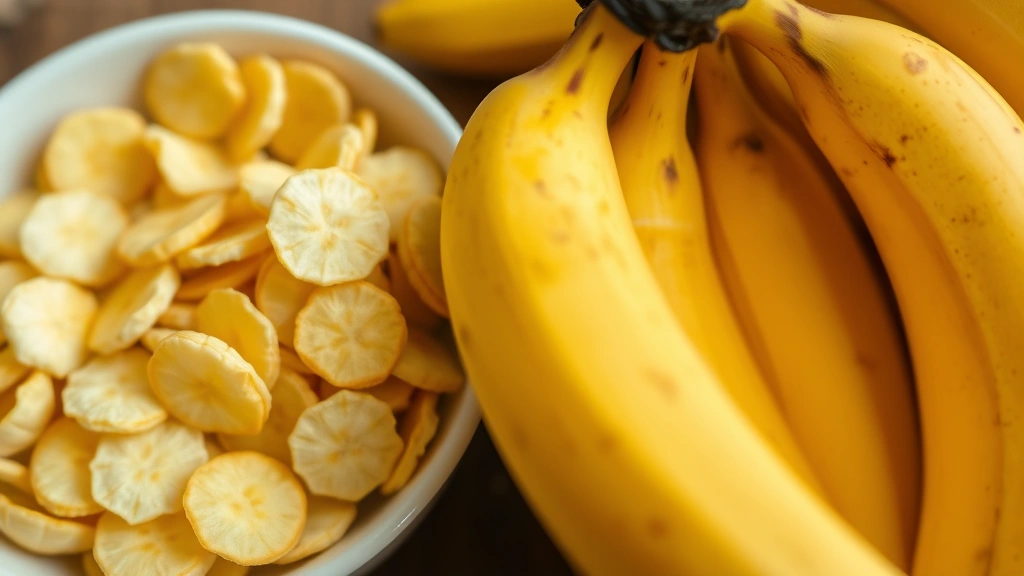
Hidden Ingredients That Matter
This is where you need to become a detective in the snack aisle. Not all banana chips are created equal, and some contain ingredients that are downright dangerous for dogs. Let’s talk about what to watch out for:
- Xylitol: This artificial sweetener is toxic to dogs and can cause severe hypoglycemia and liver damage. Always check the ingredient list carefully.
- Added sugars and honey: Even though honey seems natural and harmless, it’s still concentrated sugar that can contribute to obesity and dental problems.
- Chocolate coating: Some fancy banana chip varieties come with chocolate, which contains theobromine—a compound toxic to dogs.
- Salt: Excess sodium isn’t good for dogs and can lead to increased thirst and potential sodium ion poisoning in severe cases.
- Coconut oil: While not toxic, the high fat content can upset sensitive stomachs and contribute to weight gain.
- Artificial flavoring and coloring: Unnecessary additives that serve no nutritional purpose and may cause digestive upset in sensitive pups.
When considering whether dogs can eat chips in general, you’re looking at similar concerns—excessive salt, fat, and additives. Banana chips share many of these problematic characteristics, just with a fruity twist.
Nutritional Impact and Portion Control
If you absolutely insist on sharing banana chips with your dog, understanding portion control is essential. The general rule for treats is that they should comprise no more than 10% of your dog’s daily caloric intake, with the remaining 90% coming from balanced, complete dog food.
For a medium-sized dog eating roughly 1,000 calories per day, that means treats should total around 100 calories. A small handful of banana chips—roughly 10-15 chips—can easily clock in at 50-80 calories depending on the brand. That’s a significant portion of your pup’s treat allowance for the entire day.
The sugar content is another consideration. Dogs don’t need added sugars in their diet, and excessive consumption can lead to weight gain, diabetes, and dental problems. Fresh bananas provide natural sugars along with fiber, which slows absorption and provides nutritional benefits. Banana chips provide concentrated sugars without that beneficial fiber.
Before offering any treat, including dried fruit options like banana chips, consider whether your dog needs the extra calories. Senior dogs, less active dogs, or those with a tendency toward weight gain should probably skip this treat altogether.

Safer Alternatives for Your Pup
The good news? There are plenty of alternatives that will make your dog just as happy without the processing concerns. If you’re looking to provide fruity treats, consider these options:
- Fresh banana slices: Cut a banana into small pieces and freeze them for a refreshing treat. Your dog gets the nutritional benefits without the concentrated sugars.
- Apple slices: Remove the seeds and offer small pieces. Apples are lower in sugar and provide natural crunch.
- Watermelon: Remove seeds and offer small chunks. It’s hydrating and low in calories.
- Blueberries: These are packed with antioxidants and make perfect little training treats.
- Carrots: Raw carrots are excellent for dental health and very low in calories.
- Pumpkin: Plain pumpkin (not pie filling) is fiber-rich and great for digestive health.
When exploring what fruits dogs can eat, you’ll find numerous options that are far superior to processed banana chips. Fresh fruits offer hydration, fiber, and essential nutrients without the added sugars and processing concerns.
For those interested in learning more about general treat safety, our guide on what human foods are safe for dogs covers a comprehensive range of options that can safely join your dog’s snacking rotation.
When to Worry: Signs of Digestive Upset
If your dog has already gotten into the banana chips—don’t panic. Most dogs can handle a small amount without serious consequences. However, watch for these signs of digestive upset over the next 24-48 hours:
- Vomiting or retching
- Diarrhea or loose stools
- Constipation
- Excessive gas or bloating
- Lethargy or unusual behavior
- Loss of appetite
- Abdominal pain or whining
If your dog exhibits any of these symptoms, contact your veterinarian. This is especially important if your dog consumed a large quantity, if the banana chips contained xylitol, or if your dog has a history of digestive issues or pancreatitis.
According to the ASPCA, certain ingredients in processed snacks can cause serious health issues. If you suspect your dog has eaten something toxic, you can also contact the ASPCA Animal Poison Control Center for guidance.
For dogs with pre-existing conditions like pancreatitis, diabetes, or obesity, even a small amount of banana chips could trigger problems. If your dog falls into this category, it’s best to avoid them entirely and stick with vet-approved treats.
Frequently Asked Questions
Can dogs have banana chips at all?
Technically, a small amount of unsweetened, unflavored banana chips won’t necessarily harm a healthy dog. However, they’re not recommended as a regular treat due to their high sugar and fat content. If you choose to offer them, do so very sparingly and only as an occasional treat, not part of your dog’s regular rotation.
Are homemade banana chips safer?
Yes, homemade banana chips are generally safer than commercial varieties because you control all the ingredients. Simply slice bananas thin and dehydrate them in a low-temperature oven (around 200°F) for several hours until crispy. This removes the oil and allows you to skip added sugars entirely. However, they’re still concentrated sugars, so portion control remains important.
What if my dog ate a whole bag of banana chips?
Don’t panic, but do monitor your dog closely. Contact your veterinarian, especially if the chips contained xylitol or if your dog is experiencing symptoms like vomiting, diarrhea, or lethargy. Provide your vet with the ingredient list from the package so they can assess any potential toxins.
Are there any dogs that should absolutely avoid banana chips?
Yes. Dogs with diabetes, pancreatitis, obesity, or sensitive digestive systems should avoid banana chips entirely. Senior dogs and less active dogs should also skip them due to caloric concerns. Always consult with your veterinarian about treat options for dogs with health conditions.
How does this compare to fresh bananas for dogs?
Fresh bananas are significantly better than banana chips. They contain fiber that slows sugar absorption, have lower sugar concentration, and provide hydration. A small slice of fresh banana is a much better choice than processed banana chips. However, even fresh bananas should be limited to occasional treats due to their natural sugar content.
What’s the best way to offer banana as a treat?
Freeze fresh banana slices or blend them with plain yogurt and freeze in ice cube trays for a refreshing summer treat. This provides variety without the processing concerns of commercial banana chips. You can also stuff a Kong toy with mashed banana and freeze it for extended entertainment value.





