

Can Dogs Have Barbecue Sauce? Safety Tips Every Pet Parent Should Know
Picture this: you’re firing up the grill for a delicious summer barbecue, your furry best friend is circling your feet with those irresistible puppy dog eyes, and suddenly you’re wondering—can my dog have a taste of this smoky, tangy barbecue sauce? It’s a question that crosses the minds of many dog-loving grill masters, and honestly, the answer isn’t as straightforward as a simple “yes” or “no.” The truth is, most commercial barbecue sauces contain ingredients that can be downright dangerous for our canine companions.
As a dog owner, you already know that what’s delicious for humans isn’t always safe for pups. Your dog’s digestive system works differently than yours, and their tolerance for certain ingredients is significantly lower. Barbecue sauce, while mouth-watering to us, is often loaded with ingredients that can cause serious health issues in dogs. But don’t worry—we’re here to break down exactly what makes barbecue sauce problematic for pups and what you should do if Fido sneaks a lick.
In this comprehensive guide, we’ll explore the ins and outs of barbecue sauce safety for dogs, identify the harmful ingredients lurking in your favorite brands, and provide you with practical tips to keep your pup safe during grilling season. Let’s dive in!
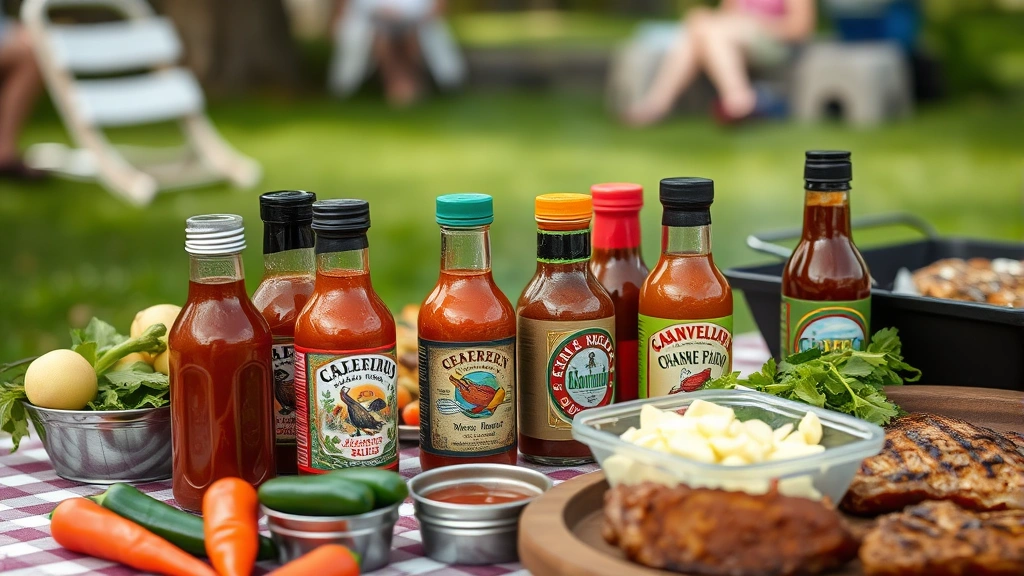
Is Barbecue Sauce Safe for Dogs?
The short answer: No, barbecue sauce is not safe for dogs. While a tiny lick probably won’t cause catastrophic harm, regular consumption or even moderate amounts can lead to serious complications. Most commercial barbecue sauces are formulated for human palates, which means they’re packed with ingredients that dogs simply cannot process safely.
When you evaluate whether dogs can eat BBQ sauce, you’re really looking at a product designed with sweetness, spice, and preservatives that go far beyond what a dog’s body can handle. The average barbecue sauce contains multiple problematic ingredients, and even “natural” or “organic” varieties can be problematic. According to the ASPCA Animal Poison Control Center, thousands of pets are treated annually for food toxicity issues that could have been prevented.
The concern isn’t just about one i

ngredient either. Barbecue sauce is typically a combination of several elements, and when these ingredients interact in your dog’s digestive system, they can create a perfect storm of health issues. Some dogs might experience mild gastrointestinal upset, while others could face life-threatening complications depending on the amount consumed and their individual sensitivity.
Dangerous Ingredients in BBQ Sauce
Let’s break down the specific villains hiding in your barbecue sauce bottle. Understanding these ingredients will help you make informed decisions about what your pup can and cannot eat.
Onions and Garlic: These are perhaps the most dangerous components of barbecue sauce for dogs. Both onions and garlic contain compounds called thiosulfates, which can damage red blood cells and cause hemolytic anemia in dogs. When you’re wondering if dogs can eat onions, the answer is a definitive no. Many barbecue sauces contain garlic powder and onion powder as flavor bases, making them particularly hazardous. Even small amounts can accumulate toxicity over time.
High Sugar Content: Barbecue sauce is notoriously sweet, often containing anywhere from 4 to 12 grams of sugar per tablespoon. Dogs don’t need added sugars in their diet, and excessive consumption can lead to obesity, diabetes, and dental problems. Puppies are especially vulnerable to sugar-related issues as their metabolic systems are still developing.
Xylitol (Artificial Sweetener): This is an absolute no-go for dogs. Found in many “sugar-free” barbecue sauces, xylitol is toxic to dogs even in tiny amounts. It can cause rapid insulin release, leading to hypoglycemia (dangerously low blood sugar), liver failure, and even death. Always check the ingredient list if you have a sugar-free sauce.
Salt and Sodium: While dogs need some salt, commercial barbecue sauces often contain excessive amounts. High sodium intake can lead to salt poisoning, causing vomiting, diarrhea, tremors, and in severe cases, seizures. Dogs with heart conditions are particularly at risk.
Spices and Heat: Capsaicin (the compound that makes peppers spicy) and other hot spices can irritate a dog’s digestive tract. They may cause stomach upset, vomiting, and diarrhea. Additionally, some dogs have more sensitive palates than others, making them more susceptible to these effects.
Preservatives and Additives: Many commercial sauces contain preservatives, colorants, and flavor enhancers that aren’t tested for canine safety. While they’re generally recognized as safe for humans, dogs metabolize these substances differently, and long-term effects are poorly understood.
Symptoms of BBQ Sauce Toxicity
If your dog has managed to sneak a taste of barbecue sauce, it’s crucial to know what signs to watch for. Symptoms can appear within hours or develop gradually over several days, depending on the amount consumed and the specific ingredients involved.
Immediate Gastrointestinal Symptoms:
- Vomiting or retching
- Diarrhea (sometimes bloody)
- Loss of appetite
- Excessive drooling
- Abdominal pain or bloating
- Constipation
Systemic Symptoms (More Serious):
- Lethargy or unusual tiredness
- Pale gums (indicating anemia)
- Weakness or difficulty walking
- Rapid or irregular heartbeat
- Tremors or seizures
- Difficulty breathing
- Collapse or loss of consciousness
The severity of symptoms depends on several factors: your dog’s size (smaller dogs are more vulnerable), age (puppies and seniors are at higher risk), the amount of sauce consumed, and the specific ingredients in that particular brand. A toy poodle eating a tablespoon of sauce faces much greater risk than a 100-pound Labrador eating the same amount, though both situations warrant concern.
If your dog has consumed chocolate-containing barbecue sauces (yes, some exist), the symptoms could be even more severe and include increased heart rate and neurological issues. The combination of multiple toxic ingredients compounds the danger.
What to Do If Your Dog Eats Barbecue Sauce
Stay calm—panicking won’t help your pup. Here’s your action plan:
Step 1: Assess the Situation
Determine how much sauce your dog ate and when. Check the ingredient list if possible. Did it contain xylitol, onions, or garlic powder? The answers to these questions will help your veterinarian assess the risk level.
Step 2: Contact Your Veterinarian or Poison Control
Don’t wait to see if symptoms develop. Contact your vet immediately, or if it’s after hours, call the ASPCA Animal Poison Control Center at (888) 426-4435 (there is a consultation fee). Have the following information ready:
- Your dog’s weight and age
- Time of ingestion
- Amount consumed
- Complete ingredient list or product name
- Any symptoms already observed
Step 3: Follow Professional Advice
Your vet might recommend:
- Induced vomiting: If caught early enough, your vet may induce vomiting to remove the sauce from your dog’s stomach
- Activated charcoal: This can help absorb toxins in the digestive tract
- IV fluids: To flush the system and prevent dehydration
- Monitoring: Blood tests to check for organ damage or anemia
- Symptomatic treatment: Medications to manage vomiting, diarrhea, or other symptoms
Step 4: Monitor at Home
After professional guidance, keep a close eye on your dog. Note any changes in behavior, appetite, or bathroom habits. Watch for the symptoms mentioned earlier, and don’t hesitate to return to the vet if your dog’s condition worsens.
Dog-Friendly Grilling Alternatives
The good news? Your dog doesn’t have to miss out on grilling season entirely. You can create delicious, safe options that your pup will absolutely love.
Plain Grilled Meats:
Grilled chicken, turkey, and lean beef are excellent for dogs when prepared without seasoning. These proteins are nutritious and satisfying. Just make sure to remove any bones and excess fat. When considering what your dog can enjoy during barbecue season, plain grilled bacon (in moderation) can be acceptable, though it’s high in fat and salt.
Grilled Vegetables:
Many dogs enjoy grilled vegetables. Safe options include:
- Carrots (excellent for dental health)
- Green beans
- Zucchini
- Sweet potatoes
- Bell peppers (remove seeds)
- Pumpkin
Grill them plain or with just a tiny drizzle of dog-safe oil.
Homemade Dog-Friendly Sauce:
If you want to get creative, make a simple sauce specifically for your pup:
- Mix plain, unsalted bone broth with a little bit of pureed pumpkin
- Add a small amount of unsalted peanut butter (make sure it doesn’t contain xylitol)
- Drizzle over grilled chicken for a special treat
Frozen Treats:
On hot summer days, freeze some dog-safe treats like plain yogurt (if your dog can tolerate dairy; check whether dogs can drink milk for more info), or bone broth in ice cube trays for a refreshing snack.
Prevention Strategies for Barbecue Season
An ounce of prevention is worth a pound of cure, especially when it comes to your dog’s health. Implement these strategies to keep your pup safe during grilling season.
Create a Safe Zone:
Establish a designated area away from the grill where your dog can relax. Use a baby gate or pen to keep them contained and away from fallen food or spills. This prevents accidental ingestion and keeps your pup away from the heat source too.
Educate Your Guests:
Let friends and family know that your dog is off-limits for food sharing. People mean well, but they often don’t realize that their innocent “just one bite” could be dangerous. Politely but firmly establish this boundary before the party starts.
Clean Up Immediately:
Don’t leave plates of food unattended where your dog can access them. Clean up spills and fallen food right away. Barbecue sauce can splash or drip, so be vigilant about cleanup.
Secure Trash Bins:
Use trash cans with secure lids or keep them in a location your dog can’t access. Dogs are notorious scavengers, and used napkins with barbecue sauce residue are particularly tempting.
Provide Healthy Alternatives:
Give your dog their own special treats during the barbecue. Having something delicious to munch on makes them less likely to beg for human food. This also makes your dog feel included in the festivities, which is important for their emotional well-being.
Know Your Ingredients:
If you’re using store-bought barbecue sauce, always read the ingredient list. Familiarize yourself with products that contain problematic ingredients. For recurring barbecue gatherings, you might want to keep a list of safe and unsafe sauce brands handy.
Consider Individual Risk Factors:
Some dogs are at higher risk for food-related issues. If your dog has allergies, a sensitive stomach, or existing health conditions, be extra cautious. Discuss barbecue season safety with your vet if your dog falls into these categories.
Frequently Asked Questions
Can a small taste of barbecue sauce hurt my dog?
While a tiny lick is unlikely to cause immediate severe harm, it’s still not advisable. The risk depends on the sauce’s ingredients. If it contains xylitol, onion powder, or garlic powder, even small amounts can be problematic. It’s best to avoid it entirely and contact your vet if your dog ingests any amount.
What if my dog ate barbecue sauce and seems fine?
Don’t let your guard down. Some symptoms take hours or even days to appear. Toxicity from ingredients like onion powder can cause delayed reactions. Contact your vet for guidance, and monitor your dog closely for the next 72 hours.
Is homemade barbecue sauce safer than store-bought?
Homemade sauce can be safer if you make it without onions, garlic, excess salt, and added sugars. However, even homemade sauce isn’t ideal for dogs. If you want to give your dog a sauce, it’s better to make a special dog-friendly version using ingredients you know are safe.
Can dogs have barbecue sauce with honey?
While raw honey can sometimes be used as a sweetener in barbecue sauce, it’s not appropriate for dogs due to the high sugar content. Additionally, some honey can contain botulism spores, which can be dangerous for puppies. Stick to non-sweetened options for your pup.
What about sugar-free barbecue sauce?
Sugar-free doesn’t mean dog-safe. In fact, sugar-free sauces often contain xylitol, which is extremely toxic to dogs. Always check the ingredient list carefully. If xylitol is listed, keep it completely away from your dog.
Are there any barbecue sauces made specifically for dogs?
Some specialty pet stores sell dog-friendly “sauces” or toppers, though they’re relatively rare. Your best bet is to make your own using dog-safe ingredients or simply serve grilled meat and vegetables plain or with a homemade broth-based topping.
Can my dog eat the meat from barbecued ribs if I remove the sauce?
The meat itself can be safe if it’s unseasoned and boneless. However, barbecued ribs are typically seasoned with spices, salt, and often coated with sauce that can seep into the meat. It’s safer to grill plain meat specifically for your dog rather than trying to salvage ribs.
What should I do if my dog shows signs of poisoning?
Treat it as an emergency. Contact your veterinarian or the American Kennel Club for resources on emergency veterinary care. Don’t wait for symptoms to worsen. Quick action can make a significant difference in your dog’s outcome.





