

Can Dogs Have BBQ Sauce? Safety Tips for Pet Owners
Summer is here, and that means backyard barbecues are in full swing! There’s nothing quite like the smoky aroma of grilled meat and the tangy sweetness of BBQ sauce wafting through the neighborhood. But if you’re a dog owner, you’ve probably noticed your furry friend’s nose twitching at those delicious smells—and maybe you’ve wondered whether sharing a little taste would be harmless fun or a potential health hazard.
The short answer? Dogs should not have BBQ sauce. While a tiny lick might not cause immediate harm, BBQ sauce contains several ingredients that range from problematic to downright dangerous for our canine companions. As a responsible pet owner, understanding what’s in that bottle and why it matters for your dog’s health is absolutely essential.
Let’s dive deep into the world of BBQ sauce, explore what makes it unsafe for dogs, and discover safer alternatives that let your pup enjoy the summer fun without the risk.
Why BBQ Sauce Is Unsafe for Dogs
BBQ sauce might seem like a simple condiment, but it’s actually a complex mixture of ingredients designed to appeal to human taste buds. Unfortunately, what tastes amazing to us can be toxic or harmful to dogs. The primary concerns with BBQ sauce aren’t just about one ingredient—it’s the combination of multiple problematic components working together.
Most commercial and homemade BBQ sauces contain high amounts of sugar, salt, and various seasonings that dogs’ digestive systems aren’t equipped to handle efficiently. Unlike humans who have evolved to enjoy a wide variety of flavors, dogs have a much simpler palate and their bodies process food differently. Additionally, many BBQ sauces contain preservatives and additives that serve no nutritional purpose for dogs and can cause gastrointestinal upset.
The real danger lies in specific ingredients that are toxic to dogs. Some of the most popular BBQ sauce brands include items that should never reach your dog’s food bowl, and even homemade versions can be problematic if you’re not careful about what goes into them.
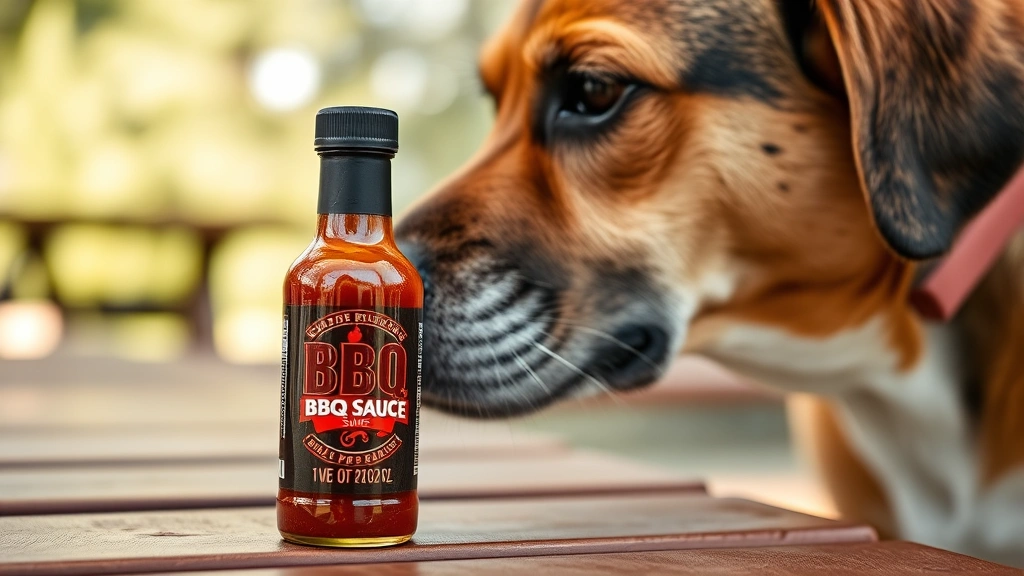
Dangerous Ingredients Found in BBQ Sauce
Understanding what’s actually in BBQ sauce is crucial for keeping your dog safe. Let’s break down the most concerning ingredients you’ll find in typical BBQ sauces:
Onions and Garlic
This is perhaps the most critical concern. Many BBQ sauces, especially those with savory or smoky profiles, contain onions, garlic, or both. Both of these ingredients belong to the allium family, which is toxic to dogs. If you’re unsure about your dog’s exposure to these ingredients, check out our detailed guide on can dogs eat onions to understand the severity of this risk. These compounds can damage red blood cells and lead to hemolytic anemia in dogs, a serious condition that requires veterinary attention.
Sugar and Sweeteners
BBQ sauce is notoriously sweet, often containing high fructose corn syrup, brown sugar, or honey. Excessive sugar consumption in dogs can lead to obesity, dental problems, and diabetes. Some premium or diet BBQ sauces use artificial sweeteners like xylitol, which is extremely toxic to dogs and can cause rapid insulin release, leading to hypoglycemia and liver damage.
Salt Content
The salt levels in BBQ sauce are formulated for human consumption, not for dogs. While dogs need some sodium, the amount in BBQ sauce far exceeds their daily requirements. Excessive salt can lead to sodium ion poisoning, causing excessive thirst, vomiting, diarrhea, and in severe cases, seizures.
Spices and Seasonings
Many BBQ sauces contain chili powder, cayenne pepper, black pepper, and other spices that can irritate a dog’s digestive system. These seasonings may cause stomach upset, vomiting, or diarrhea, and some dogs may have allergic reactions to specific spices.
Preservatives and Additives
Commercial BBQ sauces often contain preservatives, food colorings, and other additives that serve no nutritional purpose for dogs and can cause digestive upset or allergic reactions in sensitive individuals.

Symptoms of BBQ Sauce Ingestion
If your dog has managed to sneak a taste of BBQ sauce—or more—it’s important to know what warning signs to watch for. The severity of symptoms depends on the amount consumed, the specific sauce ingredients, and your individual dog’s sensitivity.
Mild symptoms that might appear within a few hours include:
- Vomiting or retching
- Diarrhea or loose stools
- Excessive drooling
- Abdominal discomfort or bloating
- Loss of appetite
- Mild lethargy
More serious symptoms that require immediate veterinary attention include:
- Severe vomiting or vomiting that doesn’t stop
- Bloody diarrhea
- Severe lethargy or collapse
- Difficulty breathing
- Tremors or seizures
- Pale gums
- Rapid or irregular heartbeat
If your dog has consumed a large quantity of BBQ sauce or if the sauce contains toxic ingredients like xylitol or chocolate, seek veterinary care immediately. Even if symptoms seem mild, it’s better to err on the side of caution with your pet’s health. Our article on why is my dog throwing up provides more information about digestive issues in dogs.
What to Do If Your Dog Eats BBQ Sauce
Panic won’t help, but quick action might. Here’s your step-by-step guide if your dog has consumed BBQ sauce:
- Assess the situation: Try to determine how much sauce your dog ate and what type it was. Check the label for ingredients, particularly looking for onions, garlic, xylitol, or chocolate.
- Contact your veterinarian: Don’t wait to see if symptoms develop. Call your vet immediately with information about what your dog ate. They can advise you based on your dog’s size, age, and health status.
- Consider poison control: If it’s after hours, contact the ASPCA Animal Poison Control Center at (888) 426-4435. They charge a consultation fee but provide expert guidance on pet toxins.
- Don’t induce vomiting: Unless your veterinarian specifically instructs you to do so, don’t try to make your dog vomit. Some substances cause more damage coming back up.
- Monitor closely: Watch for any symptoms and keep detailed notes about timing and severity. This information helps your vet provide better treatment.
- Provide supportive care: Keep your dog comfortable, offer small amounts of water, and avoid food until your vet gives the okay.
Safer Summer Treat Alternatives
Just because BBQ sauce is off the menu doesn’t mean your dog has to miss out on summer fun! There are plenty of safe, delicious alternatives that your pup will love:
Plain Grilled Meat
The best part of a BBQ is the meat itself! Plain, unseasoned grilled chicken, beef, or turkey makes an excellent treat for dogs. Skip the sauce and any seasoning, and let your dog enjoy the natural flavors. If you’re wondering about other meats at the BBQ, check out our guide on can dogs eat bacon for information about processed meats.
Dog-Safe Frozen Treats
Create homemade frozen treats using dog-safe ingredients like plain yogurt, pumpkin puree, and dog-safe fruits. Freeze them in ice cube trays for refreshing summer snacks.
Watermelon and Cantaloupe
These hydrating fruits are perfect for hot summer days. Remove seeds and cut into appropriate sizes for your dog’s mouth. The high water content helps keep dogs cool and hydrated.
Carrots and Green Beans
Raw or lightly cooked carrots and green beans are nutritious, low-calorie treats that also help clean dogs’ teeth. Many dogs enjoy the crunch factor.
Peanut Butter (Xylitol-Free)
Plain peanut butter is safe for dogs and makes a delicious treat. Always verify that the brand doesn’t contain xylitol, which is toxic to dogs. You can spread it on a dog toy for enrichment.
Coconut Water
Unsweetened coconut water can be a refreshing drink for dogs on hot days. Offer in small quantities as an occasional treat.
Prevention Tips for BBQ Season
The best approach is prevention. Keep your dog safe during BBQ season by implementing these smart strategies:
Secure Your Dog
During parties, consider keeping your dog in a separate, comfortable room or securely gated area away from the food and guests. This prevents accidental access to dangerous foods and reduces the stress of a crowded event.
Educate Your Guests
Make sure everyone at your BBQ knows not to feed your dog human food, especially BBQ sauce and other condiments. Create a simple rule: “No table scraps for the pup!” and explain why it’s important for your dog’s health.
Create a Dog-Friendly Food Station
Set up a designated area with safe treats your dog can enjoy while the humans feast. This gives your pup something to look forward to and keeps them entertained.
Use Crates or Playpens
A comfortable crate or playpen gives your dog a safe space during the chaos of a BBQ. Make it positive by including favorite toys and treats so your dog doesn’t feel punished.
Clean Up Immediately
After eating, clean up all food scraps, sauces, and plates promptly. Dogs are opportunistic scavengers, and a messy BBQ area is an invitation for trouble.
Know Your Ingredients
If you make your own BBQ sauce, carefully control the ingredients. Skip the onions, garlic, and excessive sugar. Your dog—and your health-conscious guests—will thank you.
Keep Medications Handy
Have your veterinarian’s phone number readily available, and know where the nearest emergency vet clinic is located. Having this information before an emergency happens can save precious time.
Frequently Asked Questions
Can a small amount of BBQ sauce hurt my dog?
While a tiny lick might not cause serious harm in most cases, it’s not worth the risk. Even small amounts can cause digestive upset, and if the sauce contains toxic ingredients like onions, garlic, or xylitol, the consequences could be serious. It’s best to keep BBQ sauce completely away from your dog.
Is homemade BBQ sauce safer than store-bought?
Homemade BBQ sauce can be safer if you carefully control the ingredients and avoid onions, garlic, sugar, and excessive salt. However, many traditional BBQ sauce recipes include problematic ingredients. If you want to make a dog-safe version, focus on plain meat broths and dog-appropriate seasonings.
What if my dog ate BBQ sauce hours ago and seems fine?
Some symptoms of food poisoning or toxicity can take several hours or even days to appear. Just because your dog seems fine now doesn’t mean they’re out of danger. Contact your veterinarian for guidance based on the amount and type of sauce consumed. It’s always better to be cautious.
Are all BBQ sauces equally dangerous for dogs?
No, the danger level varies based on ingredients. A simple tomato-based sauce might cause mild digestive upset, while a sauce containing onions, garlic, and xylitol could be life-threatening. Always check the ingredient list if your dog has consumed BBQ sauce.
Can I give my dog BBQ-flavored dog treats?
Commercial dog treats labeled as “BBQ-flavored” are formulated to be safe for dogs, as they don’t contain the toxic ingredients found in human BBQ sauce. However, read the ingredient list carefully to ensure they don’t contain artificial sweeteners, excessive salt, or other problematic additives.
What about BBQ sauce made with honey?
While honey itself is generally safe for dogs in small amounts, BBQ sauces with honey typically contain other problematic ingredients like onions, garlic, and excessive sugar. Additionally, some honey can contain botulism spores that are dangerous for puppies under one year old. It’s best to avoid honey-based BBQ sauces for dogs.
Is there a safe way to let my dog enjoy BBQ flavors?
Absolutely! Focus on the plain, unseasoned meat that’s the foundation of any good BBQ. You can also explore dog-safe dairy products and other wholesome ingredients to create homemade treats. Many dogs are perfectly happy with plain grilled chicken or beef—no sauce needed!
What should I do if my dog has a sensitive stomach?
Dogs with sensitive stomachs are even more vulnerable to the effects of BBQ sauce. If your dog has a history of digestive issues, be extra vigilant during BBQ season. Keep them away from all human food, and stick to their regular diet and approved treats. Consult your veterinarian about appropriate treat options for your dog’s specific condition.
Can BBQ sauce cause long-term damage to my dog?
A single exposure to a small amount of BBQ sauce is unlikely to cause permanent damage, though it might cause temporary digestive upset. However, repeated exposure or consumption of large quantities could lead to chronic health issues, obesity, pancreatitis, or other serious conditions. Prevention is always better than treatment.
Where can I find more information about dog nutrition?
The American Kennel Club provides excellent resources on dog nutrition and health. Your veterinarian is also an invaluable resource for personalized dietary advice based on your dog’s age, size, and health status. For toxin-related questions, the ASPCA Animal Poison Control Center is always available.





