
Do Dogs Get Bed Bugs? Vet Insights on Prevention and Treatment
If you’ve discovered bed bugs in your home, your first concern might be: can my dog get bed bugs? The short answer is yes—dogs can absolutely get bed bugs, though they’re not the preferred host for these parasites. Unlike fleas, which specifically target pets, bed bugs are opportunistic feeders that will bite dogs, cats, and humans alike. Understanding how bed bugs affect your canine companion and what steps to take is essential for protecting your entire household.
Bed bugs have become increasingly common in recent years, affecting homes regardless of cleanliness or socioeconomic status. If you’re dealing with an infestation, your dog could be at risk. This comprehensive guide explores whether dogs can have bed bugs, what signs to watch for, and how to protect your furry friend from these persistent pests.
Can Dogs Actually Get Bed Bugs?
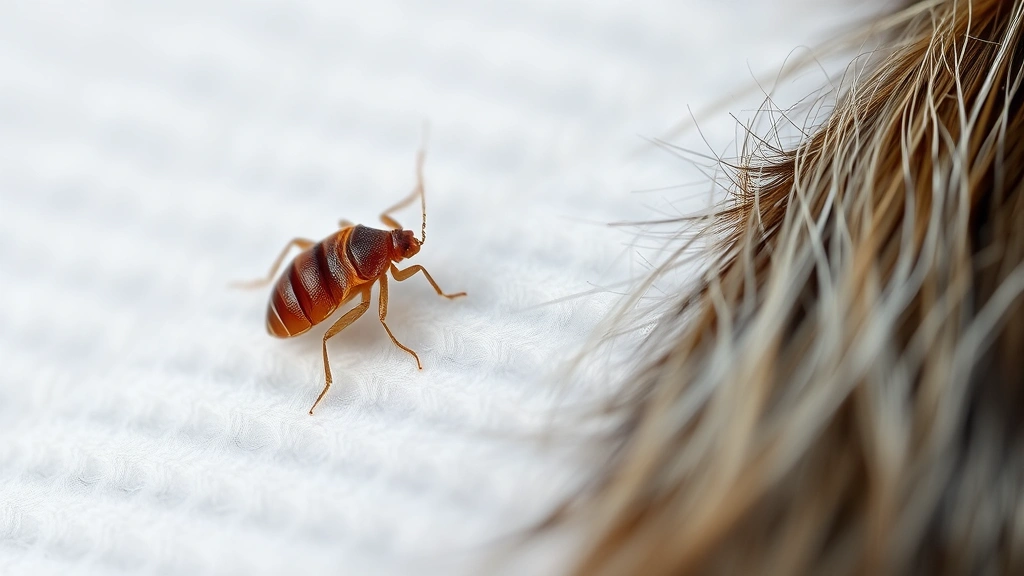
Yes, dogs can absolutely get bed bugs. While bed bugs prefer human hosts, they’re not picky eaters. These tiny parasites (measuring about 1/4 inch long) will feed on any warm-blooded mammal available, including your beloved canine companion. However, there’s an important distinction: bed bugs don’t live on dogs the way fleas live on dogs.
Bed bugs are primarily nest parasites, meaning they hide in bedding, furniture, and cracks in your home rather than living on your dog’s body. They emerge at night to feed, then retreat to their hiding spots. This makes them fundamentally different from fleas, which establish permanent residence on your pet’s skin and fur. Your dog’s bed is an ideal bed bug habitat—warm, dark, and close to a food source (your dog).
According to the CDC, bed bugs can survive for several months without feeding, making them incredibly resilient. They can hitch rides on luggage, clothing, and even your dog’s fur, spreading from one location to another. If your home has bed bugs, your dog’s sleeping area is likely infested.
How Bed Bugs Differ From Fleas and Mites
Understanding the differences between bed bugs and other parasites is crucial for proper identification and treatment. Many pet owners confuse bed bug bites with flea infestations or skin conditions like mange. Here are the key distinctions:
- Bed Bugs: Hide in bedding and furniture; feed at night; don’t live permanently on dogs; leave small, itchy welts; are visible to the naked eye
- Fleas: Live on the dog’s body; visible as tiny black specks; cause severe itching and can transmit tapeworms; reproduce rapidly on pets
- Mites: Microscopic parasites that burrow into skin; cause mange; require veterinary diagnosis; cause intense scratching and hair loss
Bed bug bites typically appear in clusters or lines on areas with thinner skin. If you suspect your dog has fleas instead of bed bugs, look for tiny black specks (flea feces) in your dog’s fur. Fleas are much more common in dogs than bed bugs, but both can occur simultaneously in infested homes.
Signs Your Dog Has Bed Bugs
Detecting bed bugs on your dog requires careful observation. Since bed bugs don’t live on your pet, you won’t see them crawling through your dog’s fur like you would with fleas. Instead, look for evidence of bites and behavioral changes:
- Small, red, itchy bumps on areas with less hair (belly, inner thighs, paws)
- Excessive scratching, licking, or chewing at bite sites
- Restlessness at night or reluctance to sleep in their bed
- Hair loss or scabs from scratching
- Signs of anxiety or stress
- Visible bed bugs in your dog’s bedding (brown or reddish insects)
- Small dark spots in bedding (bed bug feces)
Some dogs show minimal reaction to bed bug bites, while others develop significant allergic responses. Puppies and senior dogs may be more susceptible to complications. If your dog suddenly develops unexplained itching or skin irritation, examine their sleeping area thoroughly. Use a flashlight and magnifying glass to inspect seams, folds, and corners of bedding and furniture.
Where Bed Bugs Hide on Dogs
Bed bugs don’t burrow into your dog’s skin like mites do. Instead, they may hide in specific areas:
- Inside your dog’s bedding and blankets
- In crevices of dog beds or crates
- On your dog’s collar or harness
- In the folds of your dog’s skin (temporarily)
- Around sleeping areas where your dog spends time
The key is that bed bugs use your dog as a temporary food source, not a permanent home. They’ll climb onto your dog to feed, then retreat to nearby hiding spots. This is why inspecting your dog’s bed and surrounding furniture is just as important as examining your dog directly. Check red paws and skin carefully, as these are common bite locations.
Health Risks for Your Pet
While bed bugs don’t transmit diseases to dogs like some parasites do, they can still cause significant health problems:
- Secondary Infections: Constant scratching can break the skin, leading to bacterial infections. These may require antibiotic treatment from your veterinarian.
- Allergic Reactions: Some dogs develop allergic dermatitis from bed bug bites, causing severe itching, swelling, and inflammation.
- Anemia: In severe infestations, particularly with young puppies or small breeds, multiple bed bug bites could theoretically contribute to anemia through blood loss.
- Sleep Disruption: Bed bugs feed at night, causing discomfort that prevents quality sleep, which affects your dog’s overall health and immune function.
- Stress and Anxiety: The constant irritation and discomfort can cause behavioral changes and increased stress levels in your pet.
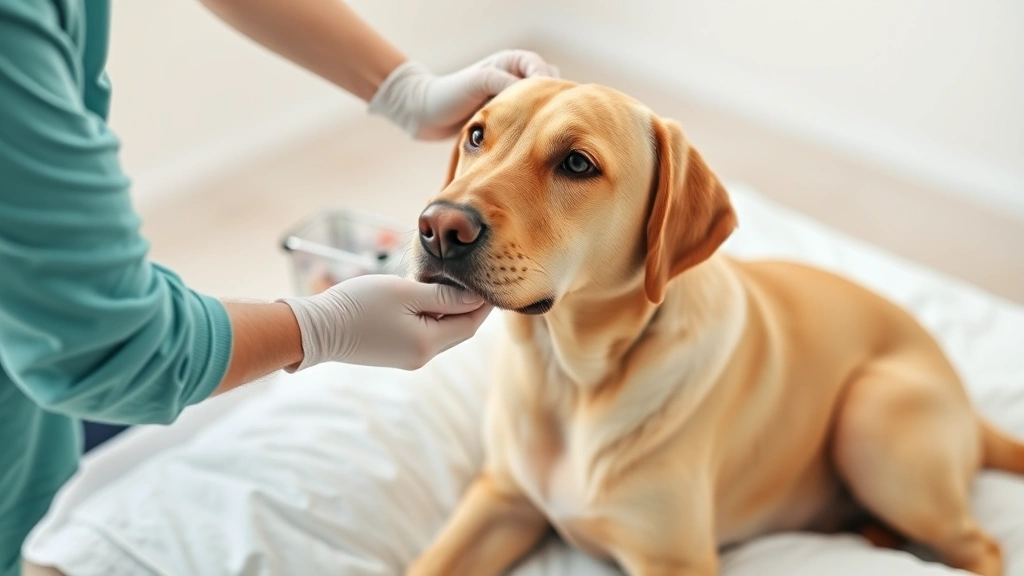
The ASPCA recommends consulting your veterinarian if you suspect bed bug bites, especially if your dog shows signs of infection or severe allergic reactions. Your vet can prescribe medications to manage itching and prevent secondary infections.
Treatment and Prevention Strategies
Treating bed bugs on your dog requires a multi-faceted approach that addresses both your pet and your home:
For Your Dog
- Bathe Your Dog: Use a gentle, hypoallergenic dog shampoo to remove bed bugs and soothe irritated skin. Consult your vet about appropriate bathing frequency.
- Wash Bedding Frequently: Wash your dog’s bed, blankets, and toys in hot water (at least 130°F) weekly. Bed bugs cannot survive high temperatures.
- Inspect and Clean: Vacuum your dog’s sleeping area thoroughly, including seams and crevices. Dispose of vacuum bags immediately in a sealed container.
- Veterinary Treatment: Your vet may recommend antihistamines to reduce itching or antibiotics if secondary infections develop.
- Flea Prevention: While not specifically for bed bugs, maintaining your dog on a flea prevention program is good practice during bed bug infestations.
For Your Home
- Declutter your home to eliminate hiding spots
- Seal cracks and crevices in walls and furniture
- Use bed bug-proof mattress and pillow encasements
- Isolate infested furniture or dispose of it if necessary
- Consider using diatomaceous earth (food-grade) in crevices where pets cannot access it
Never apply pesticides directly to your dog without veterinary guidance. Many common bed bug treatments are toxic to pets. Always consult your veterinarian before using any treatment around your dog.
Professional Pest Control Options
For severe infestations, professional pest control is often necessary. Here’s what to expect:
- Inspection: Professionals identify all infested areas using specialized equipment and techniques.
- Pet Safety: Inform the pest control company that you have a dog. They’ll recommend safe removal or protective measures during treatment.
- Treatment Methods: Professionals may use heat treatment, chemical treatments, or a combination approach. Heat treatment (raising temperatures to 118°F+) is highly effective and pet-safe once completed.
- Follow-up Visits: Multiple treatments are often necessary, typically scheduled 7-14 days apart.
- Prevention Plan: Ask about recommendations to prevent future infestations.
The EPA provides guidance on selecting pest control professionals and understanding treatment options. Always verify that treatments are pet-safe and follow all post-treatment instructions carefully.
FAQ
Can bed bugs live on my dog permanently?
No, bed bugs do not live permanently on dogs like fleas do. They’re temporary parasites that feed on your dog and then retreat to hiding spots in bedding and furniture. However, they can live in your dog’s bed indefinitely if not treated.
Are bed bug bites dangerous for dogs?
Bed bug bites are usually not dangerous, but they can cause discomfort, itching, and secondary infections if your dog scratches excessively. Severe allergic reactions are possible in some dogs. Monitor your pet and contact your vet if you notice signs of infection or excessive irritation.
How can I tell if my dog has bed bugs vs. fleas?
Fleas are visible as tiny black specks in your dog’s fur and move quickly. Bed bugs are larger (about 1/4 inch) and hide in bedding rather than on your dog’s body. Flea bites typically cause more severe itching and are found all over the body, while bed bug bites cluster in specific areas.
Should I throw away my dog’s bed if there are bed bugs?
Not necessarily. Wash the bed in hot water and dry on high heat. If the bed is heavily infested or falling apart, replacement might be more practical. Bed bugs cannot survive temperatures above 118°F for extended periods.
Can my dog spread bed bugs to other pets?
While unlikely, bed bugs could potentially travel on your dog’s fur to other pets or areas of your home. This is another reason to treat bed bug infestations promptly and keep your dog’s bedding clean and isolated.
What should I do if I find bed bugs in my dog’s bed?
Wash all bedding in hot water immediately. Inspect your dog for bites and contact your veterinarian if you notice signs of allergic reactions or infections. Schedule professional pest control for your home and follow all recommended treatment protocols.
Are there natural remedies for bed bugs on dogs?
While some natural products like diatomaceous earth exist, they’re not highly effective for bed bug control. Professional treatment or veterinary-approved methods are more reliable. Never use essential oils or other home remedies on your dog without consulting your vet first, as many are toxic to pets.
How long does bed bug treatment take?
Professional treatment typically requires multiple visits over 2-4 weeks. Complete elimination usually takes 3-6 weeks depending on infestation severity. Your diligence in cleaning and following professional recommendations significantly impacts treatment success.
If you’re concerned about your dog’s skin health, learn more about red paws in dogs or explore whether you should use cat shampoo on dogs. Always consult your veterinarian for proper diagnosis and treatment of any skin concerns affecting your pet.