
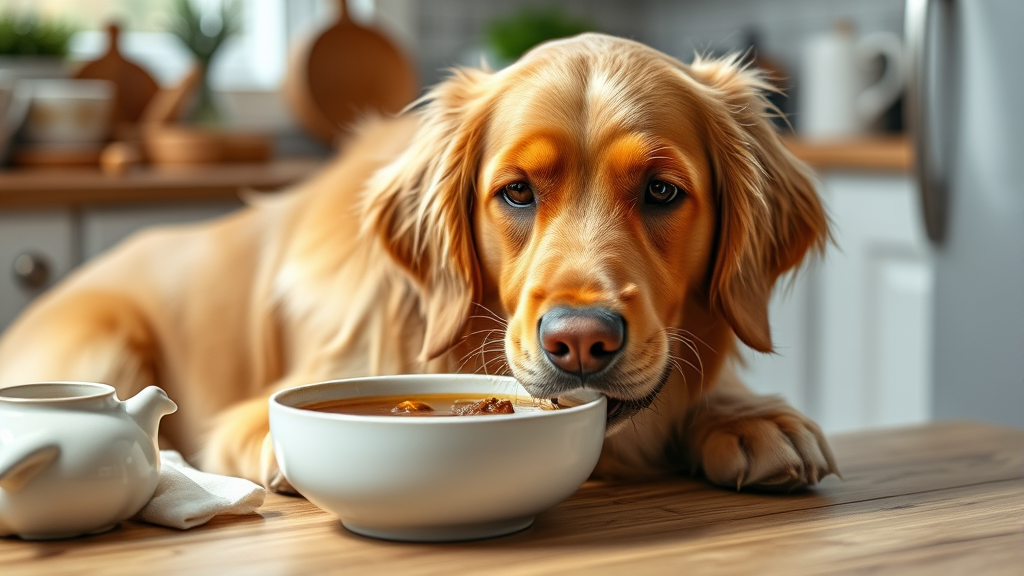
As a dog owner, you’re always looking for ways to enhance your furry friend’s meals and provide them with nutritious treats they’ll love. Beef broth has become increasingly popular among pet parents as a flavorful addition to their dog’s diet. But can dogs have beef broth safely? The answer is generally yes, but there are important considerations to keep in mind when offering this savory liquid to your canine companion.
Beef broth can be a wonderful source of hydration, nutrients, and flavor for dogs when prepared properly and given in moderation. Unlike commercial broths that may contain harmful ingredients like onions, garlic, or excessive sodium, homemade or dog-specific beef broths can provide numerous health benefits while making mealtime more exciting for your pet. Understanding the proper preparation, benefits, and potential risks will help you make informed decisions about incorporating beef broth into your dog’s diet.
Benefits of Beef Broth for Dogs
Beef broth offers numerous advantages for dogs when prepared safely and served appropriately. One of the primary benefits is enhanced hydration, which is particularly valuable for dogs who don’t drink enough water throughout the day. The savory flavor of beef broth can encourage reluctant drinkers to consume more fluids, supporting proper kidney function and overall health.
The nutrients found in properly prepared beef broth can support joint health, thanks to the natural collagen and glucosamine that leach from bones during the cooking process. These compounds may help maintain cartilage health and reduce inflammation in aging dogs or those with joint issues. Additionally, the protein content in beef broth provides essential amino acids that support muscle maintenance and overall body function.
Beef broth can also serve as an excellent appetite stimulant for dogs recovering from illness or surgery. The enticing aroma and flavor can encourage eating when dogs are feeling unwell or have reduced appetites. Many veterinarians recommend using plain, unsalted broth to help sick dogs maintain their nutrition and hydration levels during recovery periods.
Nutritional Value and Components
Understanding the nutritional profile of beef broth helps dog owners appreciate its value as a dietary supplement. Quality beef broth contains protein, typically ranging from 2-6 grams per cup, along with essential amino acids that dogs need for optimal health. The protein content varies depending on the cooking method and the ratio of bones to meat used in preparation.
Mineral content is another significant aspect of beef broth’s nutritional value. When bones are simmered for extended periods, minerals like calcium, phosphorus, and magnesium are released into the liquid. These minerals support bone health, dental health, and various metabolic processes. The American Kennel Club emphasizes the importance of balanced nutrition for dogs, and beef broth can contribute to this balance when used appropriately.
Collagen and gelatin are natural components that develop during the slow cooking process. These proteins support skin health, coat quality, and digestive function. The gelatin content may also help soothe the digestive tract, making beef broth particularly beneficial for dogs with sensitive stomachs or digestive issues.
Safe Preparation Methods
Creating safe beef broth for dogs requires careful attention to ingredients and preparation methods. The most important rule is to avoid adding any seasonings, especially onions, garlic, salt, or artificial flavor enhancers that can be toxic to dogs. Start with high-quality beef bones, preferably from grass-fed cattle, and organic vegetables like carrots and celery if desired.
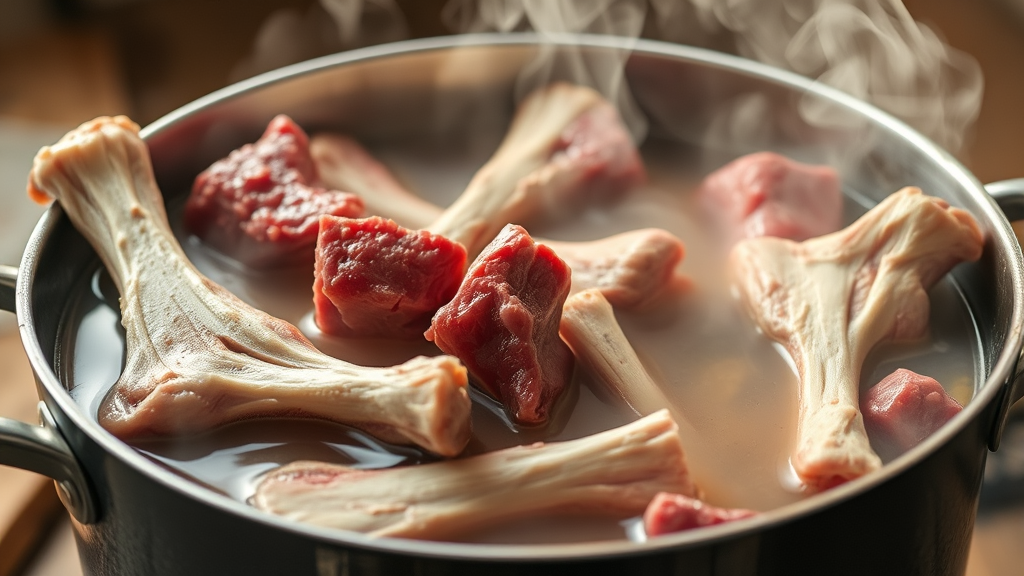
The cooking process should involve slow simmering for 12-24 hours to extract maximum nutrients while ensuring safety. Begin by roasting the bones in the oven for about 30 minutes to enhance flavor, then transfer them to a large pot or slow cooker. Cover with water and add a small amount of apple cider vinegar to help draw minerals from the bones. Maintain a gentle simmer throughout the cooking process, skimming any foam that rises to the surface.
After cooking, strain the broth thoroughly to remove all bone fragments and solid particles. Allow the broth to cool completely before serving, and remove any fat layer that solidifies on top. Store the finished broth in the refrigerator for up to one week or freeze in ice cube trays for convenient portion control. The FDA provides guidelines for pet food safety that apply to homemade preparations as well.
Serving Guidelines and Portions
Proper portioning is crucial when offering beef broth to dogs, as excessive amounts can lead to digestive upset or nutritional imbalances. For small dogs weighing under 20 pounds, start with 1-2 tablespoons of broth mixed with their regular food or offered as a standalone treat. Medium-sized dogs (20-50 pounds) can typically handle 1/4 to 1/2 cup, while larger dogs over 50 pounds may enjoy up to one cup of broth.
Introduce beef broth gradually into your dog’s diet, starting with smaller amounts to monitor their reaction. Some dogs may experience loose stools if given too much broth initially, so it’s better to start conservatively and increase the amount over time. Similar to how can dogs eat chicken broth considerations apply, moderation is key to preventing digestive issues.
The frequency of serving beef broth depends on your dog’s overall diet and health status. For healthy dogs, offering broth 2-3 times per week as a treat or food enhancer is generally appropriate. Dogs with specific health conditions may benefit from more frequent servings, but this should be discussed with a veterinarian. Always ensure that broth supplements don’t exceed 10% of your dog’s daily caloric intake to maintain nutritional balance.

Potential Risks and Precautions
While beef broth can be beneficial for dogs, there are several risks and precautions to consider. Commercial broths often contain high levels of sodium, which can be harmful to dogs and may lead to increased thirst, urination, and potentially more serious health issues like sodium poisoning. Always read labels carefully and choose low-sodium or no-sodium options specifically designed for pets.
Some dogs may have beef allergies or sensitivities that make beef broth unsuitable for their diet. Signs of food allergies include itching, digestive upset, ear infections, or skin irritation. If you notice any adverse reactions after introducing beef broth, discontinue use immediately and consult with your veterinarian. Similar to concerns about can dogs eat ground beef, protein allergies can affect some dogs.
Fat content in beef broth can also pose risks, particularly for dogs prone to pancreatitis or those with sensitive digestive systems. The high fat content from beef bones and marrow can trigger pancreatitis episodes in susceptible dogs. Always remove excess fat from cooled broth before serving, and monitor your dog for signs of digestive distress such as vomiting, diarrhea, or lethargy after consumption.
Commercial vs. Homemade Options
The choice between commercial and homemade beef broth depends on various factors including time, cost, and quality preferences. Commercial broths designed specifically for dogs offer convenience and consistent quality, but they may be more expensive and contain preservatives or additives. Look for products that are specifically labeled for pets and avoid human-grade broths that may contain harmful ingredients.
Homemade beef broth provides complete control over ingredients and preparation methods, ensuring no harmful additives are included. The process allows you to customize the recipe based on your dog’s specific needs and preferences. However, homemade preparation requires significant time investment and proper storage techniques to maintain safety and freshness.
When evaluating commercial options, research brands that prioritize pet safety and use high-quality ingredients. The American Veterinary Medical Association provides guidance on selecting appropriate pet foods and supplements. Read ingredient lists carefully and avoid products containing onion powder, garlic powder, or excessive sodium levels.
Using Beef Broth for Special Circumstances
Beef broth can be particularly valuable in certain health situations and recovery scenarios. For dogs experiencing digestive issues, plain beef broth can provide gentle nutrition while being easier on the stomach than solid foods. Understanding what can you give a dog for upset stomach includes considering broths as a soothing option.
Senior dogs often benefit from the added moisture and flavor that beef broth provides, especially if they have decreased appetite or dental issues that make eating difficult. The soft texture and appealing taste can encourage eating and help maintain proper nutrition in aging pets. Additionally, dogs recovering from surgery or illness may find beef broth more palatable than their regular food during the recovery period.
For dogs with kidney disease or other health conditions requiring modified diets, consult with a veterinarian before adding beef broth to their meal plan. While the additional hydration can be beneficial, the mineral content and protein levels may need to be considered as part of the overall dietary management. Similar considerations apply to is bone broth good for dogs in therapeutic situations.
Dogs experiencing diarrhea may benefit from plain beef broth as part of a bland diet protocol. When considering what to feed a dog with diarrhea, beef broth can provide nutrition and hydration while being gentle on the digestive system. However, always consult with a veterinarian for persistent digestive issues.
Frequently Asked Questions
Can I give my dog store-bought beef broth?
Store-bought beef broth designed for human consumption is generally not recommended for dogs due to high sodium content and potentially harmful ingredients like onion and garlic powder. If you must use commercial broth, choose products specifically formulated for pets or select low-sodium, organic varieties with minimal ingredients. Always read labels carefully and avoid broths containing artificial flavors, preservatives, or seasonings that could be harmful to dogs.
How often can I give my dog beef broth?
For healthy dogs, beef broth can be offered 2-3 times per week as a treat or meal enhancement. The frequency may vary based on your dog’s size, health status, and overall diet. Dogs with specific health conditions may benefit from daily servings, but this should be determined in consultation with a veterinarian. Remember that treats and supplements, including beef broth, should not exceed 10% of your dog’s daily caloric intake.
Is beef broth safe for puppies?
Beef broth can be safe for puppies over 12 weeks old when introduced gradually and in appropriate portions. Start with very small amounts (1-2 teaspoons for small breeds) and monitor for any digestive upset. Ensure the broth is completely plain without any seasonings or additives. Puppies have sensitive digestive systems, so it’s important to introduce new foods slowly and consult with a veterinarian about appropriate dietary additions during the critical growth period.
What should I do if my dog has an allergic reaction to beef broth?
If your dog shows signs of an allergic reaction such as itching, vomiting, diarrhea, difficulty breathing, or swelling, discontinue the beef broth immediately and contact your veterinarian. Mild reactions may resolve on their own, but severe symptoms require immediate veterinary attention. Keep a record of what your dog consumed to help identify the specific trigger, and avoid giving beef products until cleared by your veterinarian.
Can beef broth help with my dog’s joint problems?
Beef broth made from bones contains natural compounds like glucosamine, chondroitin, and collagen that may support joint health. While these nutrients can be beneficial, beef broth should not be considered a primary treatment for joint problems. The National Institutes of Health has published research on the potential benefits of these compounds. For dogs with arthritis or joint issues, consult with a veterinarian about comprehensive treatment options that may include dietary supplements alongside proper veterinary care.
How long does homemade beef broth last in the refrigerator?
Homemade beef broth should be stored in the refrigerator and used within 5-7 days for optimal safety and freshness. The broth can be frozen for up to 6 months in freezer-safe containers or ice cube trays for convenient portioning. Always check for signs of spoilage such as off odors, mold, or unusual texture before serving. When in doubt, discard the broth and prepare a fresh batch to ensure your dog’s safety.
Should I remove the fat from beef broth before giving it to my dog?
Yes, it’s recommended to remove excess fat from beef broth before serving it to dogs. High fat content can cause digestive upset and may trigger pancreatitis in susceptible dogs. After cooling the broth in the refrigerator, the fat will solidify on top and can be easily removed with a spoon. This step is particularly important for dogs with a history of pancreatitis, obesity, or sensitive digestive systems. The veterinary community recognizes pancreatitis as a serious condition that can be triggered by high-fat foods.





