

Many dog owners love sharing treats with their furry companions, and beef jerky often seems like an appealing option. After all, it’s made from beef, which dogs naturally enjoy, and it appears to be a protein-rich snack. However, the question “can dogs have beef jerky” isn’t as straightforward as it might seem. While the concept of giving your dog dried meat sounds harmless, commercial beef jerky contains numerous additives and seasonings that can pose serious health risks to our canine friends.
Understanding what makes beef jerky potentially dangerous for dogs is crucial for every pet owner. From excessive sodium content to toxic seasonings like garlic and onion powder, store-bought beef jerky is formulated for human consumption and doesn’t consider the dietary restrictions and sensitivities of dogs. This comprehensive guide will explore the safety concerns, potential alternatives, and everything you need to know about dogs and beef jerky consumption.
Why Commercial Beef Jerky is Dangerous for Dogs
Commercial beef jerky poses several significant risks to dogs due to its manufacturing process and ingredient list. Unlike plain cooked beef, which can be a healthy treat for dogs, commercial jerky undergoes extensive processing that introduces harmful elements. The primary concern lies in the high sodium content, which can be up to 20 times higher than what dogs should consume daily.
The curing and preservation process used in commercial jerky production relies heavily on salt and other chemical preservatives. Dogs have a much lower tolerance for sodium than humans, and excessive intake can lead to sodium ion poisoning. Additionally, the concentrated nature of jerky means dogs can consume dangerous amounts of these harmful substances in just a small portion.
Most commercial beef jerky also contains artificial preservatives like sodium nitrite and sodium nitrate, which can cause digestive upset and potentially more serious health issues in dogs. These chemicals are designed to extend shelf life and maintain color, but they serve no nutritional purpose for your pet and can actually harm their digestive system.

Toxic Ingredients to Avoid
Reading ingredient labels on beef jerky reveals numerous components that are toxic to dogs. Garlic and onion powder are among the most dangerous, as both belong to the allium family and can cause hemolytic anemia in dogs. Even small amounts of these seasonings can damage red blood cells and lead to serious health complications.
High fructose corn syrup and other artificial sweeteners are commonly found in flavored jerky varieties. While not immediately toxic like xylitol, these sweeteners can contribute to obesity, dental problems, and digestive issues. Some jerky products may also contain xylitol directly, which is extremely toxic to dogs and can cause rapid insulin release, leading to severe hypoglycemia.
Monosodium glutamate (MSG) is another concerning ingredient frequently used in processed meats. Dogs can be particularly sensitive to MSG, experiencing symptoms ranging from mild digestive upset to more severe neurological reactions. The combination of multiple preservatives, flavor enhancers, and seasonings creates a cocktail of potentially harmful substances that dogs’ bodies aren’t equipped to process safely.
Black pepper, paprika, and other spices commonly used in jerky can cause gastrointestinal irritation in dogs. While these spices might not be immediately dangerous in small quantities, they can lead to stomach upset, diarrhea, and discomfort. When you consider questions like can dogs eat bacon or can dogs eat salami, the same concerns about processed meats and seasonings apply.
Health Risks and Consequences
The immediate health risks of dogs consuming commercial beef jerky include sodium poisoning, which can manifest within hours of consumption. Symptoms include excessive thirst, frequent urination, vomiting, diarrhea, and lethargy. In severe cases, sodium poisoning can lead to seizures, coma, and even death, making it a veterinary emergency requiring immediate attention.
Long-term consumption of high-sodium treats like beef jerky can contribute to more serious health conditions. Chronic kidney disease is a significant concern, as the kidneys must work overtime to process excessive sodium levels. Dogs with pre-existing kidney conditions are at even higher risk and should never consume commercial jerky products.
Cardiovascular problems can also develop from regular consumption of high-sodium treats. Just as in humans, excessive sodium intake can contribute to high blood pressure in dogs, putting additional strain on the heart and circulatory system. Senior dogs and those with existing heart conditions are particularly vulnerable to these effects.
Digestive system complications range from mild stomach upset to severe pancreatitis. The high fat and sodium content in jerky can trigger acute pancreatitis episodes, which require emergency veterinary treatment. Symptoms include severe abdominal pain, vomiting, diarrhea, and loss of appetite. According to the American Veterinary Medical Association, pancreatitis can be life-threatening if not treated promptly.
Safe Alternatives and Homemade Options
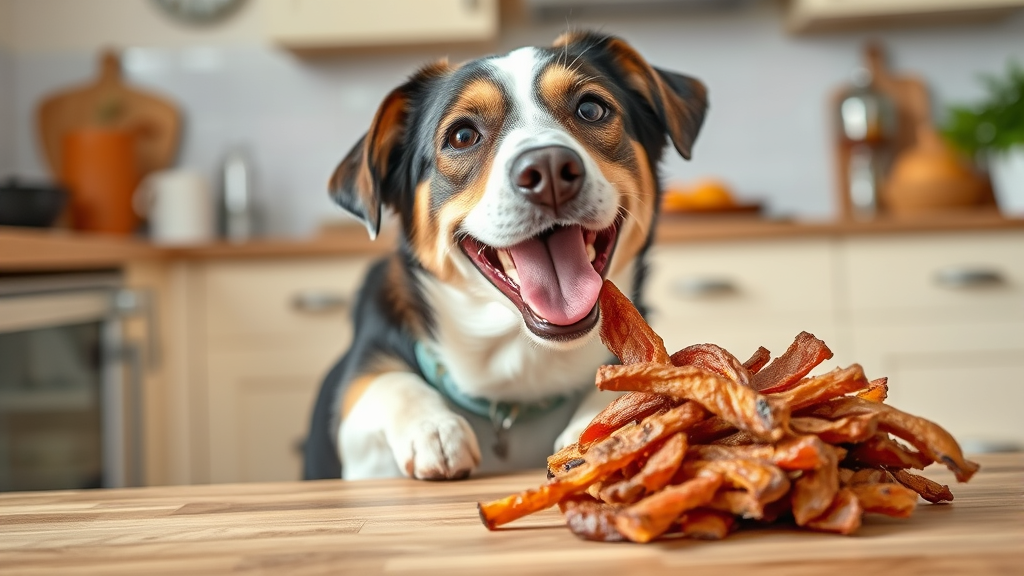
Creating homemade jerky for dogs eliminates the dangerous additives found in commercial products while still providing a protein-rich treat. The key is using only dog-safe ingredients and proper preparation methods. Start with lean cuts of beef, such as eye of round or bottom round, and slice them into thin strips against the grain.
The dehydration process should be done without any seasonings, salt, or preservatives. A food dehydrator set to 160°F (71°C) will safely remove moisture while maintaining nutritional value. If using an oven, set it to the lowest temperature setting and prop the door slightly open to allow moisture to escape. The jerky is ready when it’s completely dry but still slightly flexible.
Proper storage of homemade dog jerky is crucial for safety. Store the finished product in airtight containers in the refrigerator for up to one week, or freeze portions for longer storage. Unlike commercial jerky, homemade versions don’t contain preservatives, so they have a shorter shelf life but are much safer for your pet.
Quality control is entirely in your hands when making homemade treats. You can ensure the meat source is high-quality and free from harmful additives. This approach gives you peace of mind while providing your dog with a special treat that’s both safe and nutritious. When considering other meat options, questions about whether can dogs eat ground beef or can dogs eat raw steak become relevant for treat preparation.
What to Do If Your Dog Eats Beef Jerky
If your dog has consumed commercial beef jerky, immediate action is essential. First, determine how much jerky was consumed and check the ingredient list for the most dangerous components like garlic, onion, or xylitol. Contact your veterinarian immediately, especially if your dog consumed a large amount or if the jerky contained toxic ingredients.
Monitor your dog closely for signs of sodium poisoning or other adverse reactions. Symptoms to watch for include excessive thirst, increased urination, vomiting, diarrhea, lethargy, difficulty breathing, or seizures. These symptoms can appear anywhere from 30 minutes to several hours after consumption, depending on the amount consumed and your dog’s size.
Do not induce vomiting unless specifically instructed by your veterinarian, as this can sometimes cause more harm than good. Instead, ensure your dog has access to fresh water but don’t force them to drink excessive amounts, as this can worsen sodium imbalance. Keep your dog calm and comfortable while seeking professional veterinary advice.
Your veterinarian may recommend bringing your dog in for examination and potential treatment, which could include IV fluids to help flush excess sodium from the system. In severe cases, hospitalization may be necessary for monitoring and supportive care. The ASPCA Animal Poison Control Center can also provide guidance in emergency situations.
Healthy Meat Treat Alternatives
There are numerous safe and healthy meat-based treats you can offer your dog instead of commercial beef jerky. Plain, cooked chicken breast cut into small pieces makes an excellent high-protein, low-sodium treat. Remove all skin and bones, and avoid any seasonings or cooking oils that could upset your dog’s stomach.
Freeze-dried meat treats specifically formulated for dogs are another excellent alternative. These products undergo a special preservation process that removes moisture without requiring harmful additives. Look for single-ingredient freeze-dried treats made from beef, chicken, or other proteins your dog enjoys.
Commercial dog treats that mimic jerky texture are available from reputable pet food manufacturers. These products are specifically formulated for canine consumption, with appropriate sodium levels and dog-safe ingredients. Always read labels carefully and choose treats from companies that follow AAFCO (Association of American Feed Control Officials) guidelines.
Raw bones can provide a satisfying chewing experience while supporting dental health, though they should be appropriately sized and supervised. Avoid cooked bones, which can splinter and cause serious injuries. When exploring various protein options, it’s worth considering whether can dogs eat spam or understanding why is ham bad for dogs to make informed decisions about meat treats.
Fresh meat preparation at home allows complete control over ingredients and cooking methods. Simple boiled chicken, plain beef, or other proteins can be cut into treat-sized portions and stored in the refrigerator or freezer. This approach ensures your dog receives high-quality protein without harmful additives. The American Kennel Club provides comprehensive guidelines on safe human foods for dogs.
Frequently Asked Questions
Can dogs eat any type of beef jerky safely?
No, dogs should not eat commercial beef jerky designed for human consumption. The high sodium content, preservatives, and seasonings like garlic and onion powder make it dangerous for dogs. Only homemade jerky made specifically for dogs without harmful additives is safe, or you should choose commercial treats specifically formulated for canine consumption.
What should I do if my dog accidentally ate a large piece of beef jerky?
Contact your veterinarian immediately, especially if the jerky contained garlic, onion, or other toxic ingredients. Monitor your dog for symptoms of sodium poisoning including excessive thirst, vomiting, diarrhea, or lethargy. Do not induce vomiting unless instructed by your vet, and ensure your dog has access to fresh water while seeking professional advice.
How much beef jerky is toxic to dogs?
There’s no safe amount of commercial beef jerky for dogs due to the high sodium content and toxic seasonings. Even small amounts can cause problems, particularly in smaller dogs or those with existing health conditions. The toxicity depends on your dog’s size, the ingredients in the jerky, and the amount consumed, but it’s best to avoid it entirely.
Are there any beef jerky brands that are safe for dogs?
No commercial beef jerky made for humans is safe for dogs. However, there are dog-specific jerky treats available from pet food manufacturers that are formulated with appropriate sodium levels and dog-safe ingredients. Always look for products that meet AAFCO standards and avoid anything containing garlic, onion, excessive salt, or artificial sweeteners.
Can I make homemade beef jerky for my dog?
Yes, homemade beef jerky can be safe for dogs when made properly. Use lean cuts of beef, slice them thin, and dehydrate without any seasonings, salt, or preservatives. Use a food dehydrator or low-temperature oven, and store the finished product in the refrigerator for up to a week or freeze for longer storage.
What are the signs of sodium poisoning in dogs?
Signs of sodium poisoning include excessive thirst and urination, vomiting, diarrhea, lethargy, loss of appetite, difficulty breathing, seizures, and in severe cases, coma. These symptoms can appear within 30 minutes to several hours after consumption. According to the Pet Poison Helpline, immediate veterinary attention is crucial for sodium poisoning cases.
What are better protein treat alternatives to beef jerky for dogs?
Better alternatives include plain cooked chicken or beef without seasonings, freeze-dried single-ingredient meat treats, commercial dog treats designed to mimic jerky texture, appropriately sized raw bones for supervised chewing, and homemade dehydrated meat treats. These options provide protein rewards without the dangerous additives found in human jerky. Questions about can dogs eat raw ground beef also relate to safe protein preparation methods for dogs.





