
Can Dogs Eat Black-Eyed Peas? Safe or Not?
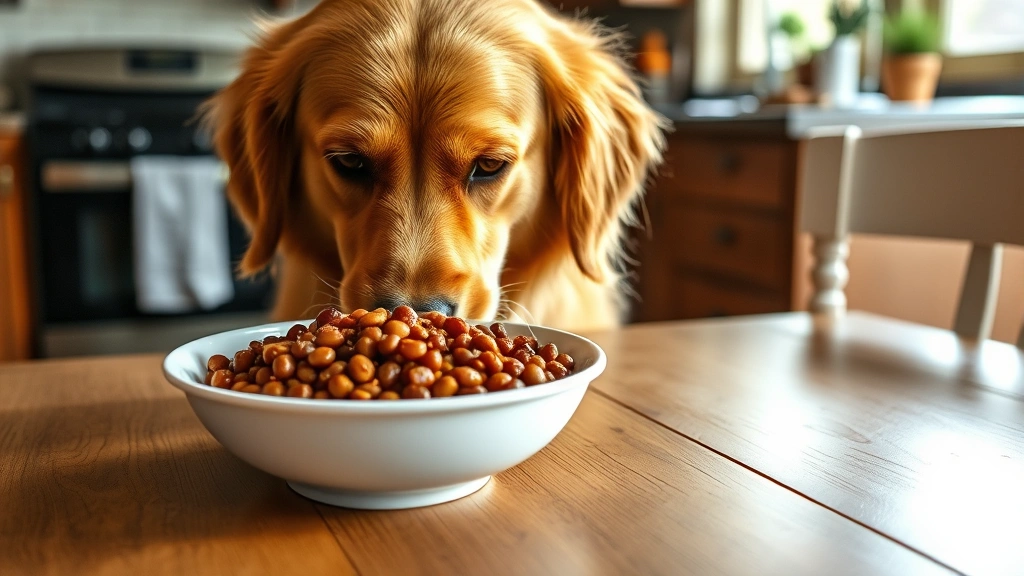
If you’re a dog parent who loves cooking with black-eyed peas, you’ve probably wondered whether your furry best friend can join in on the meal. It’s a question that deserves a thoughtful answer, because while black-eyed peas are nutritious for humans, our canine companions have different dietary needs and tolerances. The good news? Yes, dogs can eat black-eyed peas—but there are some important guidelines you should follow to keep your pup safe and healthy.
Black-eyed peas are a staple in many Southern kitchens and beyond, packed with protein, fiber, and essential nutrients. But before you scoop some onto your dog’s bowl, understanding the benefits, risks, and proper preparation methods is crucial. This comprehensive guide will walk you through everything you need to know about feeding black-eyed peas to your beloved canine companion.
Whether you’re looking to add variety to your dog’s diet or simply want to share a healthy snack, we’ve got all the answers you need. Let’s dive into the details of this legume and how it fits into your dog’s nutrition plan.
Are Black-Eyed Peas Safe for Dogs?
The straightforward answer is yes, black-eyed peas are generally safe for dogs when prepared correctly. Unlike some human foods that can be toxic to canines, black-eyed peas don’t contain any inherently harmful compounds. However, safety depends heavily on how you prepare them and how much you give your dog.
According to the American Kennel Club, many vegetables and legumes can be beneficial additions to a dog’s diet when given appropriately. Black-eyed peas fit into this category, as they’re plant-based and free from the toxic substances found in foods like chocolate, grapes, or xylitol.
The key to safety is understanding that black-eyed peas should only be an occasional treat or dietary supplement, not a meal replacement. They should never be seasoned with garlic, onions, or excessive salt—all of which can cause health problems for dogs. Plain, cooked black-eyed peas in moderation are what you’re aiming for.
Nutritional Benefits for Dogs
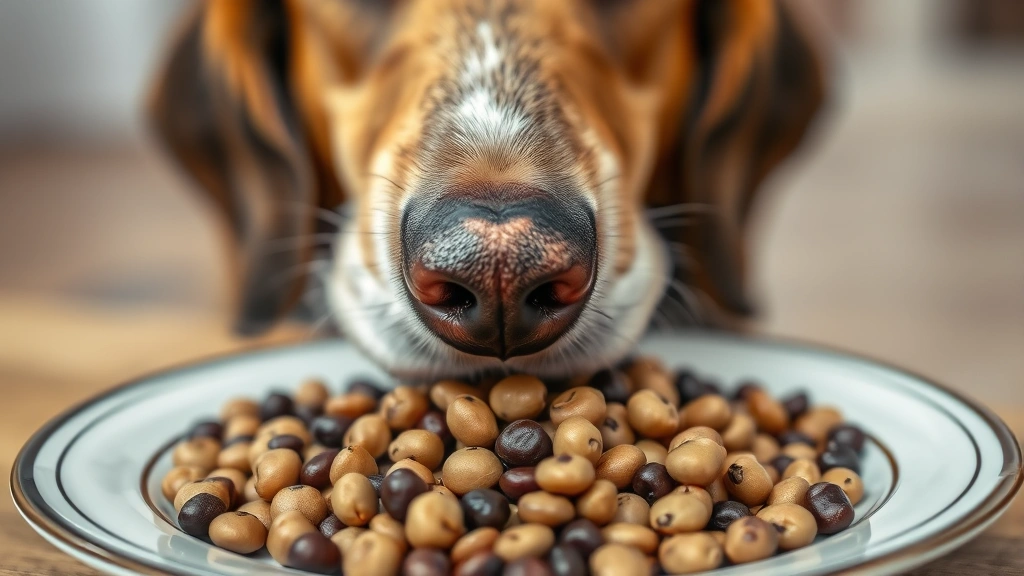
Black-eyed peas offer several nutritional advantages that make them worth considering as an occasional treat for your dog. These little legumes are nutritional powerhouses in their own right, and some of those benefits can translate to your canine companion.
Protein Content: Black-eyed peas contain approximately 8-9 grams of protein per cooked cup, making them an excellent plant-based protein source. This is particularly useful for supplementing your dog’s diet, especially if you’re considering adding beans to your dog’s meals.
Fiber for Digestive Health: The fiber in black-eyed peas can support digestive health, though this must be introduced gradually to avoid gastrointestinal upset. Fiber aids in regular bowel movements and can help maintain a healthy gut microbiome.
Vitamins and Minerals: These legumes contain folate, manganese, magnesium, and iron—all nutrients that support various bodily functions in dogs. They also contain antioxidants that can help combat oxidative stress in your pup’s body.
Low Fat Content: Unlike many treats, black-eyed peas are relatively low in fat, making them a good option for dogs that need to maintain a healthy weight or those prone to pancreatitis.
Research from veterinary nutritionists at ASPCA indicates that plant-based foods can complement a balanced canine diet, provided they don’t replace essential animal proteins that dogs require.
Potential Risks and Concerns
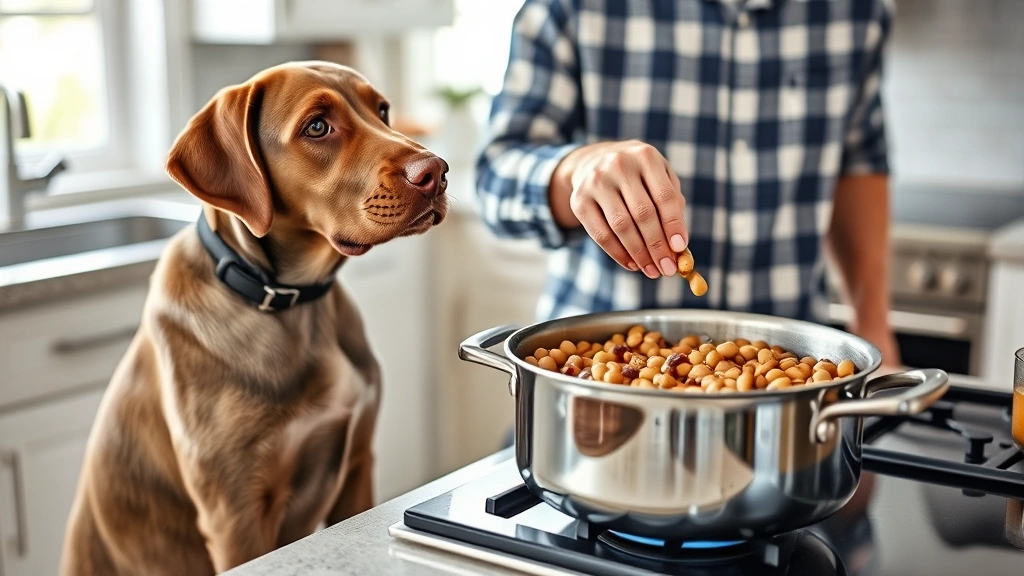
While black-eyed peas are generally safe, there are several risks you should be aware of before introducing them to your dog’s diet. Understanding these potential issues will help you make informed decisions about your pet’s nutrition.
Digestive Upset: The most common issue with introducing black-eyed peas is gastrointestinal distress. The high fiber and complex carbohydrates can cause bloating, gas, constipation, or diarrhea, especially if your dog isn’t accustomed to eating legumes. If your dog experiences digestive issues, check out our guide on what to feed a dog with diarrhea for alternative options.
Allergic Reactions: Some dogs may have allergies or sensitivities to legumes. Signs of an allergic reaction include itching, skin irritation, vomiting, or diarrhea. Always introduce new foods gradually and monitor your dog for any adverse reactions.
Choking Hazard: Whole black-eyed peas can pose a choking risk, particularly for dogs that don’t chew thoroughly or for smaller breeds. Always mash or cut them into appropriate sizes.
Seasoning Dangers: Commercial canned black-eyed peas often contain added salt, garlic, or onions—all of which are harmful to dogs. Garlic and onions are particularly dangerous as they contain compounds that can damage red blood cells and lead to hemolytic anemia.
Caloric Considerations: While not high in calories, black-eyed peas do contain carbs and calories that should be factored into your dog’s daily intake. Understanding how much food your dog needs will help you incorporate treats appropriately.
According to veterinary research, UC Davis School of Veterinary Medicine recommends that treats should comprise no more than 10% of a dog’s daily caloric intake, with the remaining 90% coming from a complete and balanced commercial or home-prepared diet.
How to Prepare Black-Eyed Peas for Dogs
Proper preparation is absolutely essential when feeding black-eyed peas to your dog. The way you prepare them can mean the difference between a healthy treat and a digestive nightmare.
Cooking Methods: The best approach is to cook black-eyed peas from dried beans without any seasoning. Soak dried beans overnight, then boil them in plain water until they’re soft enough to mash easily between your fingers. This typically takes 45-60 minutes. Avoid adding salt, garlic, onions, or spices.
If Using Canned: If you’re using canned black-eyed peas, rinse them thoroughly under running water to remove as much sodium as possible. Check the ingredient list to ensure there are no added garlic, onions, or other harmful ingredients. Look for cans labeled “no salt added” when available.
Portion Size Preparation: Mash or finely chop the cooked black-eyed peas into small, manageable pieces. This reduces choking risk and makes them easier to digest. Some dogs may do fine with whole beans, but younger dogs, seniors, and small breeds benefit from this extra step.
Storage: Store cooked black-eyed peas in an airtight container in the refrigerator for up to 5 days, or freeze them in ice cube trays for convenient portioning. This makes it easy to thaw appropriate amounts for your dog.
Recommended Serving Sizes
Determining the right serving size depends on your dog’s size, age, and overall health status. Remember that treats, including black-eyed peas, should never exceed 10% of your dog’s daily caloric intake.
Small Dogs (Under 25 lbs): Start with just 1-2 tablespoons of cooked black-eyed peas as an occasional treat, no more than once or twice per week. This allows you to monitor for any digestive issues.
Medium Dogs (25-50 lbs): Medium-sized dogs can handle 2-4 tablespoons of cooked black-eyed peas, given with the same frequency of once or twice weekly.
Large Dogs (50+ lbs): Larger breeds may enjoy up to 1/4 cup of cooked black-eyed peas as an occasional treat, maintaining the same frequency guidelines.
Introduction Protocol: When introducing black-eyed peas for the first time, start with the smallest recommended portion and wait 24-48 hours to observe your dog for any adverse reactions. If your dog tolerates them well, you can gradually increase the amount on future occasions.
The American Veterinary Medical Association emphasizes that any dietary changes should be introduced gradually to allow the digestive system to adapt.
Black-Eyed Peas vs Other Beans
If you’re interested in adding legumes to your dog’s diet, you might wonder how black-eyed peas compare to other bean varieties. Understanding these differences can help you make the best choice for your pup.
Comparison with Kidney Beans: Kidney beans are generally safe for dogs and offer similar nutritional profiles to black-eyed peas. Both are high in protein and fiber. The main difference is that kidney beans contain slightly higher levels of certain compounds that can cause digestive upset if not cooked properly. Always ensure kidney beans are thoroughly cooked, as undercooked versions contain toxins.
Comparison with Garbanzo Beans: Garbanzo beans, or chickpeas, are another safe option for dogs. They’re slightly higher in protein than black-eyed peas and offer excellent digestive benefits. Many dogs find them easier to digest than other legumes.
Comparison with Pinto Beans: Pinto beans can also be given to dogs in moderation. They have a similar nutritional profile to black-eyed peas but may cause more gas in some dogs due to their oligosaccharide content.
General Bean Guidelines: Most cooked, unseasoned beans are safe for dogs, but some are better tolerated than others. Avoid beans cooked with salt, garlic, or onions regardless of variety. The key is introducing any new legume slowly and monitoring your dog’s response.
Frequently Asked Questions
Can puppies eat black-eyed peas?
Puppies can technically eat black-eyed peas, but their developing digestive systems are more sensitive than adult dogs. It’s best to wait until puppies are at least 6 months old before introducing legumes, and even then, start with very small amounts. Consult your veterinarian before making any dietary additions for your puppy.
What if my dog has kidney disease or other health conditions?
Dogs with kidney disease, diabetes, or other chronic conditions should not eat black-eyed peas without veterinary approval. The phosphorus and carbohydrate content can be problematic for certain health conditions. Always consult your vet before introducing new foods to a dog with existing health issues.
Are canned black-eyed peas safe for dogs?
Canned black-eyed peas can be safe if thoroughly rinsed to remove excess sodium and checked for harmful ingredients like garlic or onions. However, freshly cooked black-eyed peas from dried beans are the preferred option as they give you complete control over preparation and ingredients.
Can dogs eat black-eyed peas raw?
No, dogs should never eat raw black-eyed peas. Raw legumes contain compounds that can interfere with nutrient absorption and cause digestive upset. They must always be cooked until soft.
How do I know if my dog is having an allergic reaction?
Signs of an allergic reaction to black-eyed peas include itching, skin rashes, hives, vomiting, diarrhea, or difficulty breathing. If you notice any of these symptoms after feeding your dog black-eyed peas, stop immediately and contact your veterinarian.
Can black-eyed peas replace regular dog food?
Absolutely not. Black-eyed peas should never replace commercial dog food or a balanced home-prepared diet. Dogs require specific nutrients found in animal proteins and other dietary components that legumes alone cannot provide. Black-eyed peas should only be an occasional treat or dietary supplement.
What’s the best way to introduce black-eyed peas to my dog?
Start with a very small amount—about 1-2 tablespoons for small dogs—mixed into their regular food. Observe your dog for 24-48 hours for any digestive upset. If all goes well, you can repeat the treat once or twice weekly in slightly larger amounts if desired.
Are there any dogs that shouldn’t eat black-eyed peas?
Yes. Dogs with the following conditions should avoid black-eyed peas: kidney disease, diabetes, pancreatitis, digestive disorders, or legume allergies. Senior dogs and dogs with sensitive stomachs should also be cautious and introduced very gradually if at all.





