
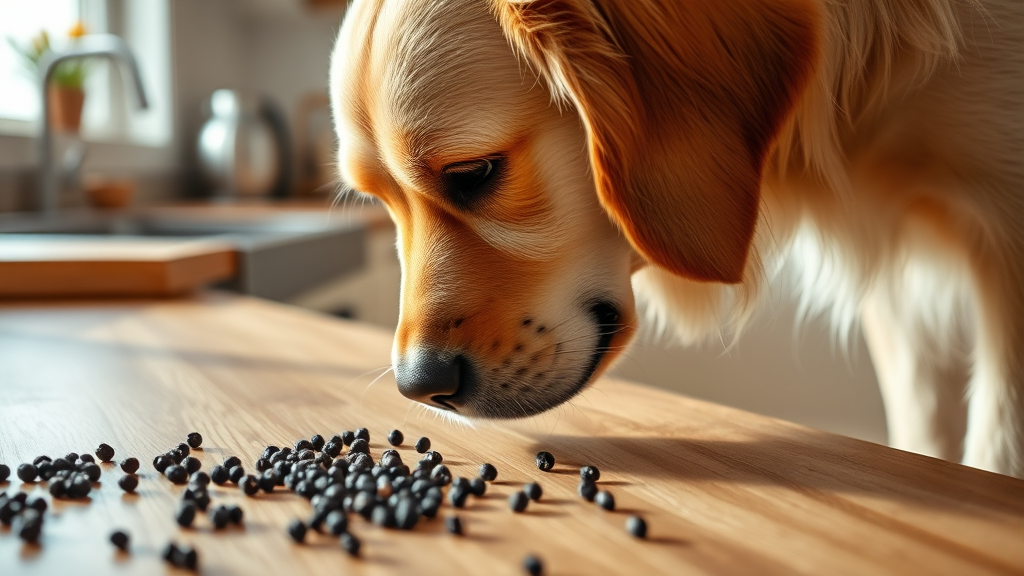
As a responsible dog owner, you’ve likely wondered about the safety of various human foods for your furry companion. Black pepper is one of the most common spices found in kitchens worldwide, and it’s natural to question whether this everyday seasoning poses any risks to your dog’s health. While black pepper isn’t toxic to dogs in the traditional sense, there are important considerations every pet owner should understand before sharing their seasoned meals.
The relationship between dogs and spices is complex, as their digestive systems and sensory experiences differ significantly from ours. Unlike some foods that are clearly dangerous for dogs, black pepper falls into a gray area that requires careful consideration of quantity, frequency, and your dog’s individual health status. Understanding these nuances will help you make informed decisions about your pet’s diet and safety.
What is Black Pepper and Its Effects on Dogs
Black pepper (Piper nigrum) is derived from dried peppercorns and contains a compound called piperine, which gives it its characteristic sharp, pungent flavor. While this spice adds zest to human meals, dogs experience tastes and smells much more intensely than we do. Their sense of smell is approximately 10,000 to 100,000 times stronger than humans, making even small amounts of black pepper potentially overwhelming to their sensory system.
When dogs consume black pepper, they may experience immediate discomfort due to the spice’s irritating properties. The piperine compound can cause a burning sensation in their mouth, throat, and digestive tract. Unlike humans who often enjoy this sensation, dogs typically find it distressing and may exhibit signs of discomfort such as excessive drooling, pawing at their mouth, or attempting to drink large amounts of water.
From a toxicological standpoint, black pepper is not considered poisonous to dogs in the way that foods like onions or chocolate are. However, this doesn’t mean it’s safe or beneficial for canine consumption. The spice can cause gastrointestinal upset, and in larger quantities, it may lead to more serious digestive issues.

Safety Concerns and Potential Risks
While black pepper won’t typically cause life-threatening toxicity in dogs, several safety concerns make it inadvisable for regular canine consumption. The primary risk lies in the spice’s potential to cause gastrointestinal irritation and inflammation. Dogs have more sensitive digestive systems than humans, and spices that seem mild to us can trigger significant discomfort in our pets.
One of the most immediate concerns is respiratory irritation. If a dog inhales black pepper particles, either by sniffing food or through airborne particles while the spice is being used, it can cause sneezing, coughing, and potential respiratory distress. This is particularly concerning for dogs with pre-existing respiratory conditions, such as brachycephalic breeds that already have compromised breathing.
Large amounts of black pepper can lead to stomach upset, including nausea, vomiting, and diarrhea. The spice’s irritating properties can inflame the stomach lining and intestinal tract, potentially leading to gastritis or other digestive complications. Dogs with sensitive stomachs or pre-existing gastrointestinal conditions are at higher risk for these adverse reactions.
Another consideration is the cumulative effect of spices in a dog’s diet. While a small amount of black pepper once might not cause immediate harm, regular exposure to spicy foods can contribute to chronic digestive issues and may interfere with your dog’s ability to taste and enjoy their regular, nutritionally balanced dog food.
Symptoms to Watch For
If your dog has consumed black pepper, either accidentally or intentionally, it’s crucial to monitor them for various symptoms that may indicate distress or adverse reactions. Early recognition of these signs can help you determine whether veterinary intervention is necessary and prevent more serious complications from developing.
Immediate symptoms typically appear within minutes to an hour after consumption and may include excessive drooling, pawing at the mouth or face, and attempts to drink large quantities of water. Your dog may also exhibit signs of oral discomfort, such as reluctance to eat or chew, opening and closing their mouth repeatedly, or making unusual vocalizations that suggest pain or distress.
Gastrointestinal symptoms usually develop within a few hours and can include vomiting, diarrhea, loss of appetite, and abdominal discomfort. You may notice your dog adopting unusual postures, such as stretching their front legs while keeping their rear end elevated, which can indicate stomach pain. Lethargy and general malaise are also common as the body deals with the irritating effects of the spice.
Respiratory symptoms, while less common unless the pepper was inhaled, can include persistent coughing, sneezing, difficulty breathing, or wheezing. These symptoms require immediate attention, especially in flat-faced breeds or dogs with pre-existing respiratory conditions. According to the American Veterinary Medical Association, any respiratory distress in dogs should be treated as a potential emergency.
Safe Alternatives and Dog-Friendly Seasonings
Instead of using black pepper or other potentially irritating spices, there are several dog-safe alternatives that can add flavor to your pet’s meals without causing discomfort or health risks. Understanding these options allows you to occasionally treat your dog to more flavorful meals while maintaining their safety and well-being.
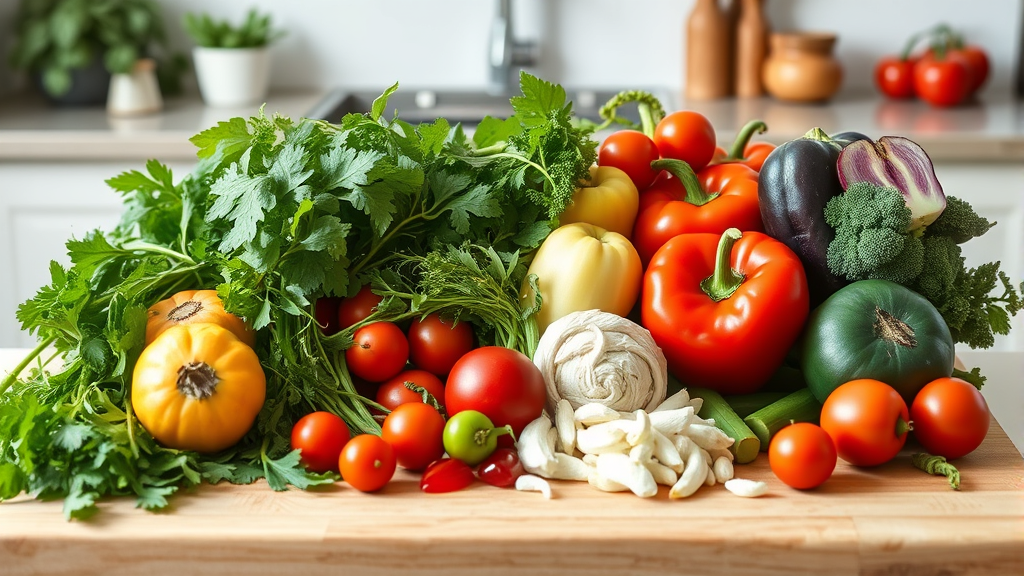
Fresh herbs are often the safest choice for dogs. Small amounts of fresh parsley can freshen breath and provide vitamins, while basil offers antioxidants and anti-inflammatory properties. Fresh cilantro is also generally safe and can add a mild flavor that many dogs enjoy. However, always introduce new herbs gradually and in small quantities to monitor your dog’s reaction.
Some vegetables can serve as natural flavor enhancers without the risks associated with spices. Small amounts of cauliflower or Brussels sprouts can add interesting textures and mild flavors to your dog’s diet. These vegetables also provide nutritional benefits, including vitamins and fiber.
When considering flavor additions, it’s important to avoid other common spices that can be harmful to dogs. While you might wonder about alternatives like ginger or mustard, each spice has its own set of considerations and potential risks that should be thoroughly researched before offering them to your pet.
When to Contact Your Veterinarian
Knowing when to seek professional veterinary care is crucial for any dog owner, especially when dealing with potential dietary indiscretions like black pepper consumption. While many cases of mild spice ingestion resolve on their own, certain situations warrant immediate professional attention to prevent serious complications.
Contact your veterinarian immediately if your dog shows signs of severe respiratory distress, including difficulty breathing, excessive coughing, or blue-tinged gums. These symptoms can indicate that pepper particles have been inhaled and are causing significant respiratory irritation or obstruction. Emergency veterinary care may be necessary to clear the airways and provide supportive treatment.
Persistent vomiting or diarrhea lasting more than a few hours also requires veterinary attention, especially if your dog appears dehydrated or lethargic. Young puppies, senior dogs, and those with pre-existing health conditions are particularly vulnerable to dehydration and may need fluid therapy and supportive care.
If your dog consumed a large quantity of black pepper or a food heavily seasoned with pepper and other spices, don’t wait for symptoms to develop before calling your vet. The ASPCA Animal Poison Control Center recommends being proactive when dogs consume potentially harmful substances, as early intervention often leads to better outcomes.
Prevention Tips for Dog Owners
Preventing accidental ingestion of black pepper and other potentially harmful spices requires a combination of awareness, preparation, and consistent household management. By implementing these strategies, you can significantly reduce the risk of your dog consuming inappropriate foods while still enjoying cooking and dining in your home.
The most effective prevention strategy is maintaining a clean cooking environment and being mindful of food preparation practices. Keep spice containers securely closed and stored in cabinets or areas your dog cannot access. Be particularly careful when grinding fresh peppercorns, as the particles can become airborne and cause respiratory irritation even without direct ingestion.
Train all family members about the importance of not sharing seasoned foods with pets. This includes being careful about dropping food scraps during meal preparation and dining. Consider establishing a “dog-free zone” in the kitchen during active cooking to prevent accidental exposure to spices and other potentially harmful ingredients.
When dining out or ordering takeout, be extra cautious about sharing food with your dog, as restaurant meals often contain higher levels of spices and seasonings than home-cooked meals. Many foods that appear safe, such as tomatoes or peppers, may be prepared with seasonings that could cause problems for your pet.
Consider preparing special, unseasoned portions of appropriate foods for your dog when cooking family meals. This allows your pet to feel included in family dining while ensuring their safety. The FDA’s Center for Veterinary Medicine provides guidelines for safe human foods that can be shared with pets in moderation.
Frequently Asked Questions
Can a small amount of black pepper kill my dog?
No, small amounts of black pepper are unlikely to be fatal to dogs. However, it can cause significant discomfort, gastrointestinal upset, and respiratory irritation. While not typically life-threatening, black pepper should still be avoided as it offers no nutritional benefits and can cause unnecessary distress to your pet.
What should I do if my dog licked food with black pepper on it?
If your dog consumed a small amount of black pepper, monitor them closely for signs of discomfort such as excessive drooling, pawing at their mouth, or drinking excessive water. Provide fresh water and watch for any gastrointestinal symptoms. If symptoms persist or worsen, contact your veterinarian for guidance.
Are there any health benefits of black pepper for dogs?
Unlike some human foods that can provide health benefits to dogs, black pepper offers no significant nutritional advantages for canines. The potential risks far outweigh any minimal benefits, making it advisable to avoid giving black pepper to dogs entirely and stick to dog-specific treats and foods.
How much black pepper is too much for a dog?
There is no established “safe” amount of black pepper for dogs, as individual tolerance varies greatly based on size, health status, and sensitivity. Even small amounts can cause discomfort, so it’s best to avoid giving any black pepper to your dog. If accidental consumption occurs, the amount and your dog’s reaction will help determine if veterinary care is needed.
Can black pepper cause long-term health problems in dogs?
Regular consumption of black pepper could potentially lead to chronic gastrointestinal irritation and may contribute to ongoing digestive issues. While occasional small exposures are unlikely to cause permanent damage, repeated exposure to spicy foods can interfere with normal digestion and appetite, potentially affecting your dog’s overall health and relationship with food.
What are the signs that my dog is having a severe reaction to black pepper?
Severe reactions may include persistent vomiting, severe diarrhea, difficulty breathing, excessive drooling that doesn’t subside, signs of abdominal pain, or extreme lethargy. Any respiratory distress, including coughing or wheezing, should be treated as an emergency. If you notice these symptoms, contact your veterinarian or emergency animal hospital immediately.
Are some dog breeds more sensitive to black pepper than others?
Yes, some breeds may be more susceptible to adverse reactions. Brachycephalic breeds (those with flat faces) like Bulldogs, Pugs, and Boston Terriers are at higher risk for respiratory complications if they inhale pepper particles. Dogs with sensitive stomachs, regardless of breed, may also experience more severe gastrointestinal reactions. Small dogs may be affected more quickly due to their size, requiring smaller amounts to cause symptoms.





