

As a devoted dog owner, you’ve likely found yourself wondering whether various human foods are safe to share with your furry companion. Among the many questions that arise, “can dogs have blackberries” is a common concern for pet parents who want to treat their dogs to something special while ensuring their safety and health.
Blackberries are beloved summer fruits packed with vitamins, antioxidants, and natural sweetness. While humans can enjoy these nutritious berries without hesitation, the same rules don’t always apply to our canine friends. Understanding which foods are safe for dogs requires careful consideration of their unique digestive systems and nutritional needs.
The good news is that blackberries can indeed be a safe and healthy treat for most dogs when given in moderation. However, like any human food shared with pets, there are important guidelines to follow, potential risks to consider, and proper preparation methods to ensure your dog’s safety and enjoyment.
Are Blackberries Safe for Dogs?
Yes, blackberries are generally safe for dogs to consume in moderation. According to the American Kennel Club, blackberries are among the fruits that dogs can safely enjoy as occasional treats. These dark purple berries contain no toxic compounds that would harm your canine companion, making them a viable option for pet owners looking to diversify their dog’s treat repertoire.
However, the key word here is “moderation.” While blackberries aren’t toxic to dogs, they should never replace your dog’s regular, balanced diet. Instead, they should be considered an occasional treat that makes up no more than 10% of your dog’s daily caloric intake. This guideline aligns with veterinary recommendations for treating dogs with human foods.
The safety of blackberries for dogs also depends on how they’re prepared and served. Fresh, ripe blackberries are the safest option, while processed blackberry products like jams, jellies, or baked goods containing blackberries may contain added sugars, artificial sweeteners, or other ingredients that could be harmful to dogs.
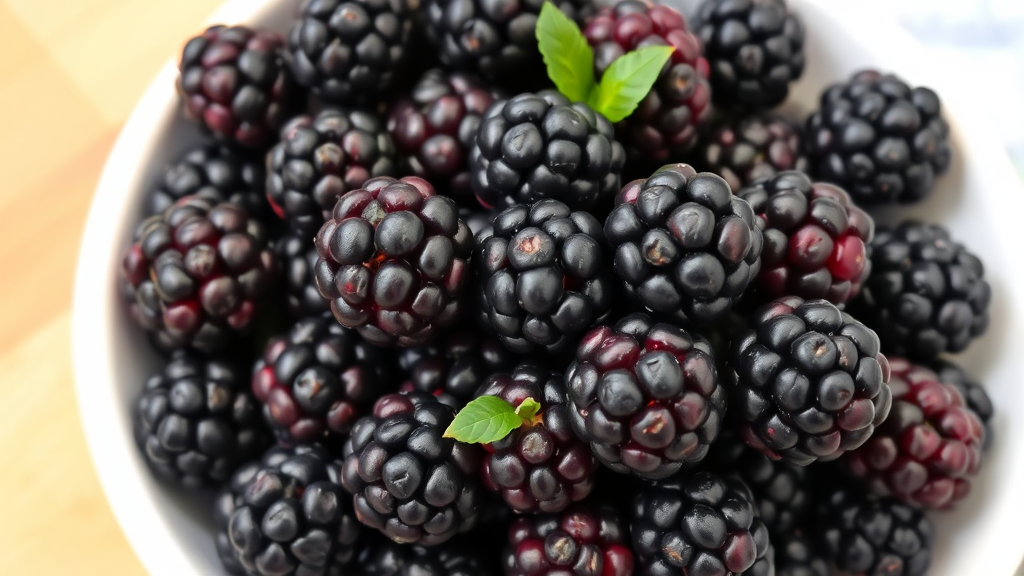
Nutritional Benefits of Blackberries for Dogs
Blackberries offer several nutritional benefits that can complement your dog’s diet when given appropriately. These small but mighty berries are nutritional powerhouses packed with essential vitamins, minerals, and beneficial compounds that support canine health.
Antioxidants: Blackberries are rich in antioxidants, particularly anthocyanins, which give them their deep purple color. These compounds help combat free radicals in your dog’s body, potentially reducing inflammation and supporting overall cellular health. The National Center for Biotechnology Information has documented the powerful antioxidant properties of blackberries and their potential health benefits.
Vitamin C: These berries contain significant amounts of vitamin C, which supports immune system function and helps with collagen production. While dogs can produce their own vitamin C, unlike humans, additional dietary sources can still provide benefits, especially for senior dogs or those with compromised immune systems.
Fiber: The natural fiber content in blackberries can aid in digestion and promote healthy bowel movements. However, too much fiber can cause digestive upset, which is another reason why moderation is crucial when feeding blackberries to dogs.
Manganese and Vitamin K: Blackberries provide manganese, which supports bone health and metabolism, and vitamin K, which plays a role in blood clotting and bone health. These nutrients work together to support your dog’s overall well-being.
Potential Risks and Precautions
While blackberries are generally safe for dogs, there are several potential risks and precautions that responsible pet owners should be aware of before offering these berries to their canine companions.
Digestive Upset: The most common issue associated with feeding blackberries to dogs is digestive upset. The natural sugars and fiber content can cause diarrhea, gas, or stomach discomfort if given in large quantities. Dogs with sensitive stomachs may be particularly susceptible to these effects.
Choking Hazard: While blackberries are small, they can still present a choking risk for very small dogs or puppies. Always supervise your dog when introducing new treats and consider mashing or cutting larger berries for smaller breeds.
Pesticide Residue: Conventionally grown blackberries may contain pesticide residues that could be harmful to dogs. The Environmental Protection Agency provides guidelines on pesticide use, and it’s always safer to choose organic blackberries when possible or thoroughly wash conventional berries before serving.
Natural Sugars: Although the sugars in blackberries are natural, they can still contribute to weight gain and dental issues if consumed regularly in large amounts. Dogs with diabetes or weight management issues should have their blackberry consumption carefully monitored or avoided altogether.
Allergic Reactions: While rare, some dogs may develop allergic reactions to blackberries. Signs of an allergic reaction can include itching, swelling, difficulty breathing, or gastrointestinal distress. If you notice any unusual symptoms after feeding blackberries, discontinue immediately and consult your veterinarian.
How to Properly Serve Blackberries to Your Dog
Proper preparation and serving methods are crucial for ensuring your dog can safely enjoy blackberries. Following these guidelines will help minimize risks and maximize the potential benefits of this nutritious treat.
Choose Fresh, Ripe Berries: Select fresh, ripe blackberries that are firm but not overly soft. Avoid berries that show signs of mold, excessive softness, or unusual discoloration. Fresh berries are always preferable to frozen ones, though frozen blackberries can be used if thawed completely and served at room temperature.
Wash Thoroughly: Always wash blackberries thoroughly under cool running water before serving them to your dog. This removes potential pesticide residues, dirt, and bacteria that could cause illness. Even organic berries should be washed as a precautionary measure.
Start Small: When introducing blackberries to your dog’s diet for the first time, start with just one or two berries to gauge their reaction. Monitor your dog for any signs of digestive upset or allergic reactions over the next 24 hours before offering more.
Remove Stems and Leaves: Ensure that all stems and leaves are removed from the berries before serving. While blackberry leaves aren’t toxic to dogs, they can be difficult to digest and may cause choking.
Consider Mashing for Small Dogs: For very small dogs or puppies, consider lightly mashing the berries to reduce choking risk while still providing the nutritional benefits. This can also make the berries easier to digest.
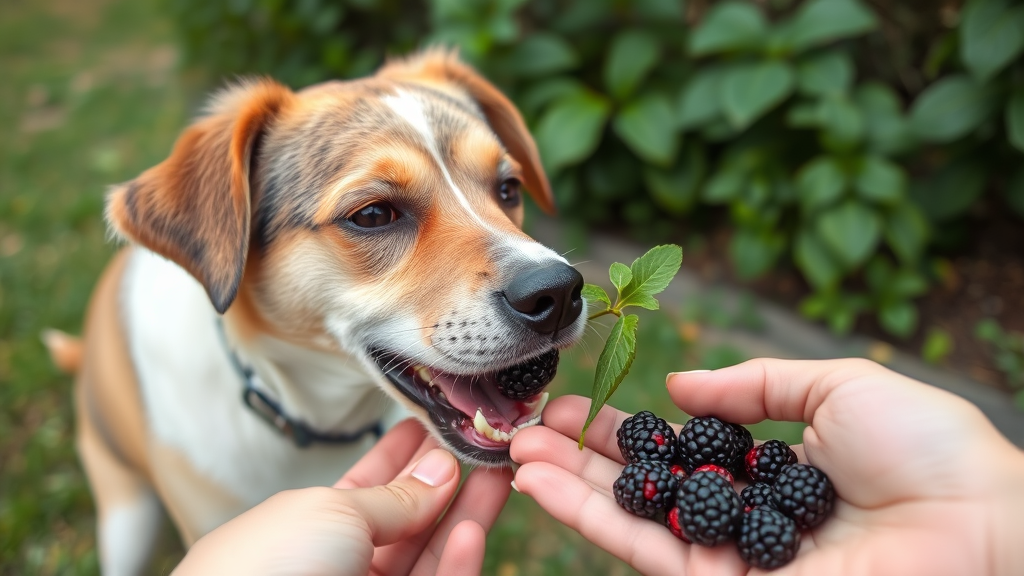
Portion Size Guidelines
Determining the appropriate portion size for blackberries depends on your dog’s size, weight, and overall health status. Following proper portion guidelines ensures that your dog can enjoy this treat safely without experiencing negative side effects.
Small Dogs (Under 20 pounds): Small breed dogs should receive no more than 2-3 blackberries per serving, and this treat should only be offered 2-3 times per week maximum. Their smaller digestive systems are more sensitive to dietary changes and excess fiber.
Medium Dogs (20-50 pounds): Medium-sized dogs can typically handle 4-6 blackberries per serving, offered 2-3 times per week. Always monitor your individual dog’s response, as some may be more sensitive than others.
Large Dogs (50+ pounds): Large breed dogs can generally consume 6-10 blackberries per serving, but this should still be limited to 2-3 times per week to prevent digestive issues and maintain a balanced diet.
Remember that these are general guidelines, and individual dogs may have different tolerance levels. Senior dogs, puppies, or dogs with health conditions may need smaller portions or should avoid blackberries altogether based on veterinary advice.
Other Safe Fruit Alternatives
If you’re looking to expand your dog’s treat options beyond blackberries, there are several other fruits that are safe and nutritious for canine consumption. Diversifying your dog’s treats can provide various nutrients and keep mealtime interesting.
Blueberries: Often called a “superfood” for dogs, blueberries are packed with antioxidants and are generally well-tolerated by most dogs. They’re smaller than blackberries and pose less of a choking risk.
Cantaloupe: This sweet melon is safe for dogs and provides vitamins A and C. Learn more about can dogs have cantaloupe to understand proper serving methods and benefits.
Cucumbers: While technically a fruit, cucumbers are low in calories and high in water content, making them an excellent treat for overweight dogs. Discover more about can dogs eat cucumbers and their hydrating properties.
Apples: Sliced apples (without seeds or core) provide fiber and vitamins. The crunchy texture can also help clean your dog’s teeth naturally.
Watermelon: Seedless watermelon is hydrating and low in calories, making it a perfect summer treat for dogs. Always remove all seeds and the rind before serving.
For vegetable alternatives, consider options like can dogs eat broccoli or are carrots good for dogs, which provide different nutritional benefits and textures for your pet.
When to Avoid Giving Blackberries
While blackberries are generally safe for most dogs, there are specific circumstances when you should avoid offering them to your pet. Understanding these situations can help prevent health complications and ensure your dog’s well-being.
Diabetic Dogs: Dogs with diabetes should avoid blackberries due to their natural sugar content, which can cause blood sugar spikes. Even natural sugars can be problematic for diabetic pets, so it’s best to stick to veterinarian-approved treats.
Dogs with Digestive Issues: If your dog has a history of sensitive stomach, inflammatory bowel disease, or chronic digestive problems, blackberries may exacerbate these conditions due to their fiber content and natural acids.
Overweight Dogs: Dogs on weight management programs should have limited access to high-sugar fruits like blackberries. The extra calories, even from natural sources, can hinder weight loss efforts.
Dogs with Known Food Allergies: If your dog has a history of food allergies or sensitivities, introduce blackberries very cautiously or avoid them altogether until you can consult with your veterinarian.
Post-Surgery Recovery: Dogs recovering from gastrointestinal surgery or other medical procedures may need to avoid high-fiber foods temporarily to prevent digestive complications.
Always consult with your veterinarian before introducing new foods to dogs with pre-existing health conditions. The American Veterinary Medical Association provides comprehensive guidelines on proper canine nutrition and feeding practices.
Frequently Asked Questions
Can puppies eat blackberries?
Puppies can eat blackberries in very small quantities once they’re weaned and eating solid food, typically around 8-12 weeks old. However, their digestive systems are more sensitive than adult dogs, so start with just one berry and monitor for any adverse reactions. It’s best to focus on high-quality puppy food for their primary nutrition and use fruits only as occasional treats.
Are frozen blackberries safe for dogs?
Frozen blackberries can be safe for dogs if they’re thawed completely and served at room temperature. Avoid giving dogs frozen berries directly as they can be hard on their teeth and may cause digestive discomfort. Frozen berries can also present a choking hazard, especially for smaller dogs. Always thaw them thoroughly and check for any added ingredients if using commercially frozen berries.
What should I do if my dog ate too many blackberries?
If your dog consumed too many blackberries, monitor them closely for signs of digestive upset such as diarrhea, vomiting, or excessive gas. Provide plenty of fresh water and withhold food for a few hours if they seem nauseous. Most dogs will recover on their own within 24 hours, but contact your veterinarian if symptoms persist or worsen, or if your dog shows signs of severe distress.
Can dogs eat blackberry leaves or stems?
While blackberry leaves aren’t toxic to dogs, they’re not recommended as they can be difficult to digest and may cause choking or intestinal blockage. Always remove all stems and leaves before offering blackberries to your dog. Stick to just the ripe berries themselves for the safest treat option.
How often can I give my dog blackberries?
Blackberries should be given as an occasional treat, no more than 2-3 times per week. They should never make up more than 10% of your dog’s daily caloric intake. Regular feeding of any fruit can lead to digestive issues, weight gain, and nutritional imbalances. Treats should complement, not replace, a balanced commercial dog food diet.
Are wild blackberries safe for dogs?
Wild blackberries can be safe for dogs if you’re absolutely certain of their identification and that they haven’t been exposed to pesticides, herbicides, or other chemicals. However, there’s always a risk of misidentification or contamination with wild berries. It’s generally safer to stick to store-bought, organically grown blackberries to ensure your dog’s safety.
Can blackberries cause allergic reactions in dogs?
While uncommon, dogs can develop allergic reactions to blackberries. Signs of an allergic reaction may include itching, swelling around the face or mouth, difficulty breathing, hives, or severe gastrointestinal upset. If you notice any of these symptoms after feeding blackberries, stop giving them immediately and contact your veterinarian. Always introduce new foods gradually and in small amounts to monitor for adverse reactions.





