
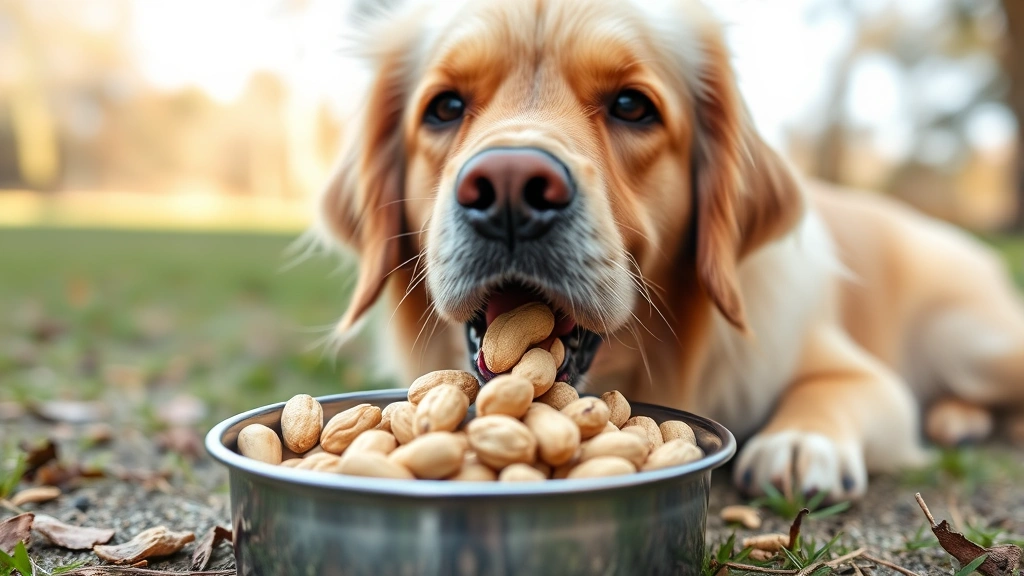
Can Dogs Eat Boiled Peanuts? Vet Insights on Safety and Nutrition
Boiled peanuts are a beloved Southern snack for humans, but as a dog owner, you might wonder whether it’s safe to share this treat with your furry companion. The short answer is: yes, dogs can eat plain boiled peanuts in moderation, but there are important considerations and precautions you should know about before offering them to your pet.
Peanuts themselves are not toxic to dogs, and they do contain some beneficial nutrients like protein and healthy fats. However, boiled peanuts differ from raw or roasted varieties in several ways that affect their suitability for canine consumption. Understanding these differences, along with portion control and potential health risks, will help you make informed decisions about your dog’s diet.
In this comprehensive guide, we’ll explore the nutritional benefits of boiled peanuts for dogs, discuss the risks associated with certain preparations, and provide practical guidance on how to safely incorporate them into your pet’s diet if you choose to do so.
Are Boiled Peanuts Safe for Dogs?
When considering whether to feed your dog boiled peanuts, the primary concern isn’t the peanuts themselves—it’s how they’re prepared and seasoned. Plain, unsalted boiled peanuts are generally safe for most dogs when given as an occasional treat. The boiling process actually makes peanuts easier for dogs to digest compared to raw or heavily roasted varieties.
However, safety depends entirely on what’s added during preparation. Many commercial boiled peanut products contain excessive sodium, which can lead to serious health complications in dogs. Additionally, some recipes include garlic, onions, or other seasonings that are toxic to canines. Before giving your dog any boiled peanuts, you must verify the ingredients list and ensure they’re prepared without harmful additives.
Dogs with certain health conditions, such as pancreatitis or obesity, should avoid peanuts altogether due to their fat content. If your dog has any underlying medical conditions, consult your veterinarian before introducing boiled peanuts into their diet.
Nutritional Value and Benefits
Boiled peanuts offer several nutritional advantages that make them an appealing occasional treat for dogs:
- Protein content: Peanuts are an excellent source of plant-based protein, which supports muscle development and maintenance in dogs.
- Healthy fats: The monounsaturated and polyunsaturated fats in peanuts can support heart health and coat condition when given in appropriate amounts.
- Vitamins and minerals: Peanuts contain B vitamins, vitamin E, magnesium, and potassium—all beneficial for canine health.
- Antioxidants: Resveratrol and other antioxidants in peanuts may help combat oxidative stress in your dog’s body.
The boiling process preserves most of these nutritional benefits while potentially reducing the choking hazard that whole peanuts might pose to some dogs. However, it’s crucial to remember that while these nutrients are beneficial, peanuts should never replace a complete, balanced commercial dog food or veterinarian-approved diet.
Salt Content and Health Concerns
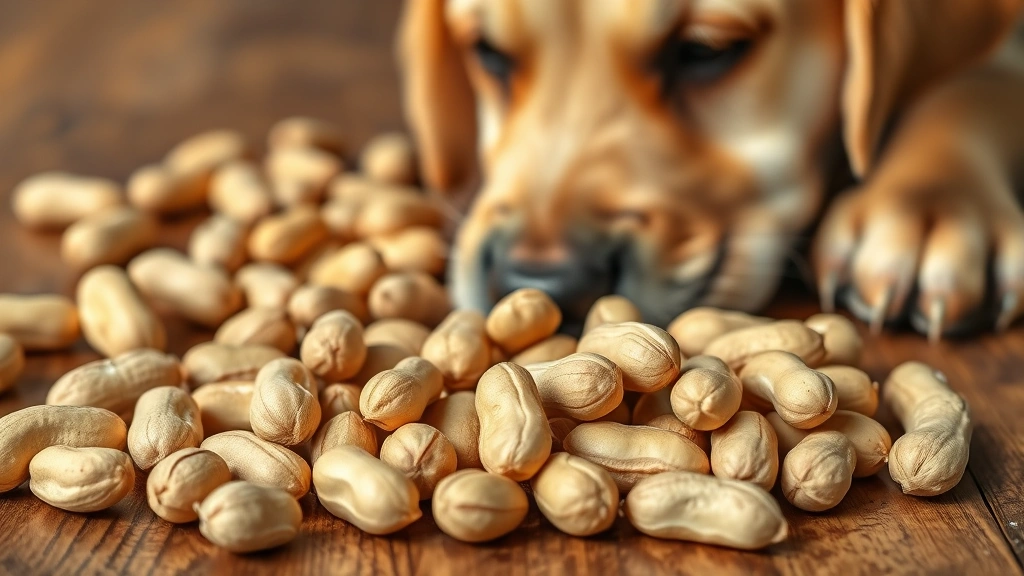
The most significant concern with boiled peanuts is their sodium content. Excessive salt intake can cause serious health problems in dogs, including hypertension, kidney disease, and electrolyte imbalances. Many commercially available boiled peanuts contain alarming amounts of salt—sometimes over 400mg per ounce.
For context, the Association of American Feed Control Officials (AAFCO) recommends that adult dogs consume no more than 1500mg of sodium per day. A single serving of typical commercial boiled peanuts could represent 25-30% of this daily limit. When combined with sodium already present in your dog’s regular food, this can quickly exceed safe levels.
Signs of sodium toxicity in dogs include excessive thirst, vomiting, diarrhea, lethargy, and in severe cases, seizures. If your dog has consumed large quantities of high-sodium boiled peanuts and shows any of these symptoms, contact your veterinarian immediately.
Additionally, peanuts are relatively high in fat (about 14% by weight), which can trigger gastrointestinal upset in dogs with sensitive stomachs. Dogs prone to pancreatitis should never consume peanuts due to this fat content, as fatty foods are a known trigger for this serious condition.
Preparation Methods That Matter
Not all boiled peanuts are created equal. The preparation method significantly impacts whether they’re safe for your dog:
Homemade boiled peanuts (safest option): If you prepare boiled peanuts at home using raw, in-shell peanuts and plain water—without any salt, seasonings, or additives—you have complete control over what your dog consumes. Simply boil the peanuts for 2-3 hours, allow them to cool completely, and remove the shells before offering them to your pet. This method ensures zero sodium and no harmful ingredients.
Commercial boiled peanuts (use caution): Most store-bought boiled peanuts contain significant amounts of salt and sometimes spices. Read labels carefully and avoid any products containing garlic, onions, cayenne pepper, or other seasonings. Even “lightly salted” varieties often contain more sodium than is appropriate for dogs.
Roasted or raw peanuts: These shouldn’t be given to dogs in the same way as boiled peanuts. Raw peanuts can harbor aflatoxins (a carcinogenic mold), while heavily roasted varieties are often salted or seasoned. If you choose raw peanuts, they should be blanched first to remove the skin and reduce mold risk.
Peanut butter: While related, peanut butter requires separate consideration from whole boiled peanuts. Always choose xylitol-free peanut butter, as xylitol is toxic to dogs even in small amounts.
Portion Control Guidelines
Even when boiled peanuts are prepared safely, portion control is essential. The general rule is that treats should comprise no more than 10% of your dog’s daily caloric intake, with the remaining 90% coming from their regular, nutritionally balanced diet.
For most dogs, this translates to:
- Small dogs (under 25 lbs): 2-3 plain boiled peanuts, 2-3 times per week maximum
- Medium dogs (25-50 lbs): 4-6 plain boiled peanuts, 2-3 times per week maximum
- Large dogs (over 50 lbs): 8-10 plain boiled peanuts, 2-3 times per week maximum
Remember to remove the shells before offering peanuts to your dog. While the shells aren’t toxic, they pose a choking hazard and can cause intestinal blockages, especially in smaller dogs. If your dog accidentally swallows shells and shows signs of distress, lethargy, or constipation, seek veterinary care promptly.
Always introduce boiled peanuts gradually to your dog’s diet. Start with just one peanut and observe your pet for 24-48 hours to ensure there are no adverse reactions. If your dog tolerates them well, you can gradually increase the amount while staying within the guidelines above.
Signs of Peanut Allergies in Dogs
While peanut allergies are relatively uncommon in dogs, they do occur. Some dogs may have allergic reactions to peanuts or develop sensitivities over time. Knowing the signs of an allergic reaction can help you respond quickly if your dog has an adverse response.
Common symptoms of peanut allergies or sensitivities in dogs include:
- Itching and scratching, particularly around the face, ears, and paws
- Red or inflamed skin
- Hives or rash
- Swelling of the face, lips, or throat
- Vomiting or retching
- Diarrhea or loose stools
- Excessive drooling
- Difficulty breathing (in severe cases)
If you notice any of these symptoms after your dog eats boiled peanuts, stop offering them immediately and contact your veterinarian. In cases of severe allergic reactions, such as difficulty breathing or facial swelling, seek emergency veterinary care right away.
Additionally, watch for signs of other health issues that might be exacerbated by peanuts. If your dog develops fever or shows signs of illness after eating peanuts, or if you notice symptoms consistent with parasitic infections, consult your vet to rule out food-related complications.
Alternatives to Boiled Peanuts
If you’re concerned about the risks associated with boiled peanuts, or if your dog doesn’t tolerate them well, there are plenty of safer alternatives that provide similar nutritional benefits:
- Plain cooked chicken: An excellent protein source with virtually no risk when prepared without seasoning or bones.
- Carrots: Low in calories, high in fiber, and great for dental health. Dogs can enjoy them raw or cooked.
- Apples (without seeds): Provide vitamins and a natural sweetness that many dogs enjoy.
- Sweet potatoes: Rich in vitamins and fiber, these make a nutritious treat when cooked and cut into appropriate sizes.
- Pumpkin: Excellent for digestive health and often enjoyed by dogs in plain, canned form.
- Blueberries: Packed with antioxidants and safe for most dogs in moderation.
- Plain yogurt: A good source of probiotics and protein, though some dogs are lactose intolerant.
These alternatives offer nutritional value without the sodium concerns or potential allergenic properties of peanuts. When introducing any new food to your dog’s diet, follow the same gradual introduction process and monitor for adverse reactions.
FAQ
Can dogs eat boiled peanuts with salt?
No, you should avoid giving your dog boiled peanuts with added salt. Excess sodium can cause serious health problems including hypertension and kidney disease. Always choose unsalted varieties, or better yet, prepare them at home without any salt.
Are boiled peanuts better than roasted peanuts for dogs?
Boiled peanuts are generally preferable to roasted peanuts for dogs because they typically contain less salt and fewer seasonings. However, the best option is always plain, unsalted boiled peanuts prepared at home without any additives.
How many boiled peanuts can a dog eat?
The amount depends on your dog’s size. Small dogs can have 2-3 peanuts, medium dogs 4-6, and large dogs 8-10, given no more than 2-3 times per week. Always remove shells and introduce them gradually to your dog’s diet.
Can boiled peanuts cause pancreatitis in dogs?
Boiled peanuts are high in fat, which can trigger pancreatitis in susceptible dogs. If your dog has a history of pancreatitis or is at risk for it, avoid peanuts entirely and consult your veterinarian about safe treat options.
What should I do if my dog ate too many boiled peanuts?
If your dog consumed a large quantity of boiled peanuts, monitor them closely for signs of digestive upset, including vomiting or diarrhea. If symptoms develop or persist, or if the peanuts were high in salt, contact your veterinarian. In cases of severe sodium toxicity, seek emergency care.
Are peanut shells dangerous for dogs?
Yes, peanut shells pose a choking hazard and can cause intestinal blockages. Always remove shells before offering peanuts to your dog. If your dog swallows shells and shows signs of distress, contact your vet immediately.
Can puppies eat boiled peanuts?
Puppies have different nutritional needs than adult dogs and smaller digestive systems. It’s best to wait until your puppy is at least one year old before introducing boiled peanuts, and even then, only in very small amounts. Consult your veterinarian before offering any new foods to puppies.





