

Can Dogs Have Brown Sugar?
As a dog owner, you want to give your furry friend the best care possible, which includes understanding what foods are safe for them to consume. One common question that pet parents ask is whether brown sugar is safe for dogs. While it might seem like a harmless sweetener compared to other options, the truth is more nuanced. Brown sugar, like all sugars, poses potential health risks to your canine companion that every responsible dog owner should understand.
The short answer is no—dogs should not have brown sugar. However, the complete story involves understanding why this sweetener is problematic, what happens if your dog accidentally consumes it, and what alternatives you can offer to satisfy your pet’s cravings for treats. This comprehensive guide will help you make informed decisions about your dog’s diet and protect their long-term health.
Understanding your dog’s nutritional needs is essential for preventing serious health complications. Unlike humans who can metabolize various sugars, dogs’ digestive systems are not equipped to process refined sugars effectively. Brown sugar, despite its natural appearance, is still a refined sugar product that can lead to obesity, dental problems, and diabetes in dogs.
Table of Contents
- What is Brown Sugar?
- Why Brown Sugar is Bad for Dogs
- Health Risks and Complications
- What to Do If Your Dog Eats Brown Sugar
- Safe Treat Alternatives for Dogs
- Frequently Asked Questions
What is Brown Sugar?
Brown sugar is essentially white sugar combined with molasses, which gives it its distinctive dark color and moist texture. Many people assume that brown sugar is more natural or healthier than white sugar because of its appearance and the presence of molasses. However, nutritionally speaking, brown sugar and white sugar are nearly identical. Both contain approximately the same calorie content and provide minimal nutritional value to dogs.
The molasses in brown sugar does contain trace minerals like potassium, calcium, and iron, but these amounts are so negligible that they don’t provide any meaningful health benefits. From a dog’s perspective, brown sugar is simply another form of empty calories that serves no purpose in their diet. In fact, veterinarians recommend that dogs avoid sugar altogether, as their nutritional requirements are quite different from humans.
When manufacturers create brown sugar, they’re processing natural sugarcane into refined crystals and then adding molasses back into the mix. This process removes most of the fiber and nutrients found in the original plant, leaving behind a product that is essentially pure carbohydrates. Understanding this composition helps explain why veterinarians are so adamant about keeping brown sugar away from dogs.
Why Brown Sugar is Bad for Dogs
Dogs don’t need sugar in their diet at all. Their bodies can obtain all necessary glucose from the carbohydrates present in properly balanced commercial dog foods and whole foods like can dogs have rice and vegetables. When you feed your dog brown sugar, you’re providing calories without any nutritional benefit, which is particularly problematic given the obesity epidemic affecting canines today.
Your dog’s digestive system evolved to process protein and fat efficiently, not refined sugars. When brown sugar enters your dog’s system, it causes rapid spikes in blood glucose levels. The pancreas responds by releasing insulin to manage these spikes, but this constant demand places significant stress on the organ. Over time, this can lead to insulin resistance and eventually diabetes mellitus in dogs.
Additionally, brown sugar contributes to dental problems in dogs. The sugar feeds harmful bacteria in the mouth, leading to plaque buildup, gum disease, and tooth decay. Dogs who consume sugary foods regularly often develop bad breath, tooth loss, and painful dental infections that require veterinary intervention. Unlike humans who can brush their teeth regularly, dogs rely on their owners to prevent dental disease through proper diet choices.
According to the Humane Society, pet obesity has reached epidemic proportions, with more than half of dogs in the United States classified as overweight or obese. Brown sugar consumption contributes directly to this problem by adding unnecessary calories to your dog’s daily intake. Obesity leads to numerous health complications including joint problems, heart disease, and reduced lifespan.
Health Risks and Complications
The health risks associated with brown sugar consumption in dogs extend far beyond simple weight gain. Chronic sugar consumption can lead to pancreatitis, a serious inflammatory condition of the pancreas that causes severe pain and can be life-threatening. Symptoms of pancreatitis include vomiting, abdominal pain, lethargy, and loss of appetite. This condition often requires hospitalization and can result in permanent damage to the pancreas.
Diabetes mellitus is another significant concern. Dogs with diabetes require lifelong management, including daily insulin injections, frequent veterinary visits, and careful dietary monitoring. The condition can lead to complications such as cataracts, neuropathy, and kidney disease. By avoiding sugary foods like brown sugar, you can significantly reduce your dog’s risk of developing this serious metabolic disorder. For more information on proper nutrition, the AVMA provides excellent guidance on dog nutrition.
Dental disease resulting from sugar consumption can be particularly problematic in dogs. Unlike humans, dogs cannot receive routine dental cleanings without general anesthesia, which carries its own risks. Once your dog develops advanced periodontal disease, they may lose teeth, experience chronic pain, and face bacterial infections that can spread to the heart, kidneys, and other vital organs.
Hyperactivity and behavioral issues sometimes emerge in dogs consuming excessive sugar. Some dogs become anxious or exhibit increased aggression after consuming sugary foods. The rapid energy spikes followed by crashes can also cause mood swings and behavioral changes that affect your dog’s quality of life and your ability to train them effectively.
What to Do If Your Dog Eats Brown Sugar
If your dog accidentally consumes a small amount of brown sugar, try not to panic. A single lick or small taste is unlikely to cause serious harm, though it’s still not ideal. However, you should monitor your dog closely for any signs of distress over the next few hours. According to WebMD’s pet health resources, most dogs recover well from accidental sugar consumption.
Watch for symptoms such as vomiting, diarrhea, excessive thirst, or unusual urination patterns. Some dogs may experience an upset stomach or mild digestive upset after consuming brown sugar. If your dog consumed a large quantity of brown sugar—such as eating an entire bowl or baked good containing significant amounts—contact your veterinarian immediately for guidance.
Keep a record of what your dog consumed, including the approximate amount and time of ingestion. This information will be valuable if you need to seek veterinary care. Your vet may recommend monitoring at home or, in cases of large consumption, may want to see your dog to assess for potential complications like pancreatitis or digestive upset.
Prevention is always better than treatment. Store brown sugar and other sweeteners in secure locations where your dog cannot access them. Be cautious with baked goods, sauces, and prepared foods that often contain hidden sugars. Train family members and guests about your dog’s dietary restrictions to prevent accidental exposure.
Safe Treat Alternatives for Dogs
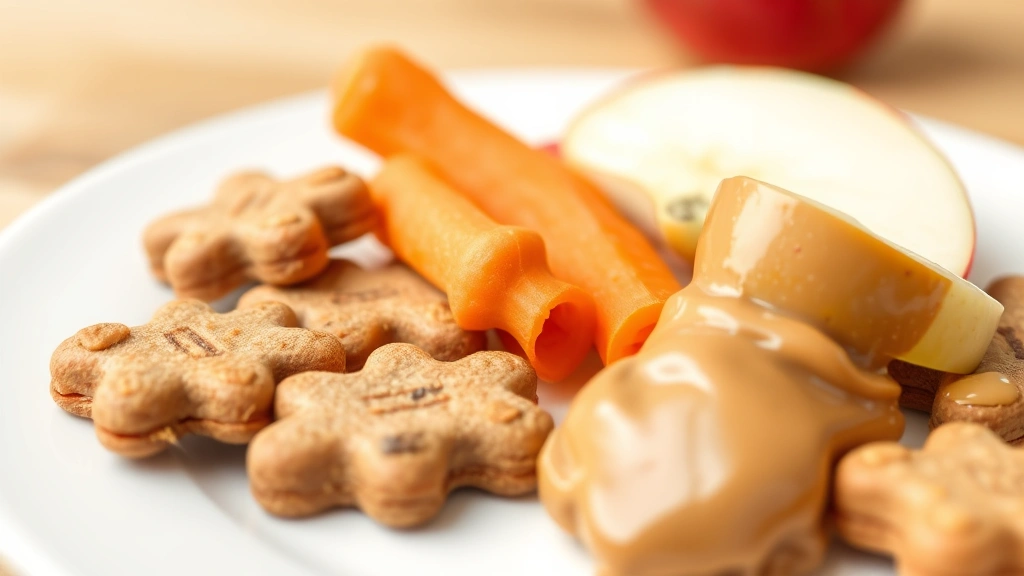
Your dog doesn’t need brown sugar to enjoy tasty treats. Numerous safe, nutritious alternatives can satisfy their desire for something special without compromising their health. Fresh fruits like apples (without seeds), bananas, and blueberries make excellent treats that provide natural sweetness, fiber, and beneficial nutrients.
Vegetables such as carrots, green beans, and sweet potatoes are wonderful treat options that dogs genuinely enjoy. Carrots are particularly beneficial because they help clean teeth naturally through the chewing action. Many dogs find vegetable treats just as satisfying as sugary alternatives, and you can feel confident knowing you’re supporting their health.
Peanut butter (xylitol-free) is a favorite among dogs and can be used as a special treat or training reward. Similarly, plain cooked chicken, turkey, or beef provides protein-rich rewards that align with your dog’s nutritional needs. You might also consider can dogs have brown rice 2 as a base for homemade dog treats that you control completely.
Commercial dog treats specifically formulated for canine nutrition are also available. Look for treats with minimal ingredients, no added sugars, and recognizable whole food components. Many brands now offer grain-free, low-calorie options designed for weight management. When selecting treats, aim for options that provide nutritional value while keeping your dog’s overall calorie intake in balance.
You can also make homemade dog treats using ingredients like oat flour, pumpkin puree, and applesauce. These treats allow you to control exactly what goes into your dog’s food and ensure nothing harmful is included. Frozen treats made from plain yogurt (without added sugars) or bone broth can be especially refreshing on hot days and provide nutritional benefits.
Frequently Asked Questions
Is brown sugar toxic to dogs?
Brown sugar itself isn’t acutely toxic like chocolate or xylitol, but it’s still harmful and should be avoided. Small amounts won’t cause immediate poisoning, but regular consumption leads to serious health problems including obesity, diabetes, and dental disease. The real danger lies in the long-term effects of consistent sugar exposure rather than acute toxicity from a single exposure.
Can dogs digest brown sugar safely?
Dogs can technically digest brown sugar, but their bodies aren’t designed to process refined sugars efficiently. Unlike the carbohydrates in whole grains and vegetables that provide fiber and nutrients, brown sugar offers only empty calories. The rapid blood glucose spike that results from brown sugar consumption stresses the pancreas and can contribute to metabolic disorders over time. For comparison, can dogs eat brown rice provides much better nutritional value.
What if my dog ate food containing brown sugar?
If your dog ate a baked good or food item containing some brown sugar, the risk depends on the quantity consumed. Small amounts in occasional treats are less concerning than regular consumption. Monitor your dog for any signs of digestive upset. If the item also contained other potentially harmful ingredients like chocolate, raisins, or macadamia nuts, contact your veterinarian immediately. PetMD provides guidance on sugar and dog nutrition.
Are there dog treats sweetened with brown sugar I should avoid?
Yes, absolutely. Many commercial dog treats and “natural” pet products contain brown sugar or molasses as sweetening agents. Always read ingredient labels carefully and avoid any treat listing sugar, brown sugar, molasses, or honey in the first five ingredients. Look for treats where the primary ingredients are meat, grains, or vegetables. PAWS provides resources on healthy eating for dogs.
How much brown sugar is dangerous for dogs?
There’s no safe amount of brown sugar for dogs to consume regularly. Even small daily amounts contribute to cumulative health problems. A single lick is unlikely to cause harm, but any intentional feeding of brown sugar should be avoided. The danger increases significantly with regular consumption, larger quantities, or if your dog has pre-existing conditions like diabetes or pancreatitis. Consult your veterinarian about your dog’s specific circumstances.
Can brown sugar cause diabetes in dogs?
While brown sugar doesn’t directly cause diabetes, it significantly increases the risk. Regular sugar consumption causes insulin resistance as the pancreas works overtime to manage blood glucose spikes. Over time, this can lead to the development of diabetes mellitus. Dogs with genetic predispositions or other risk factors are particularly vulnerable. By eliminating brown sugar and maintaining a healthy weight, you can substantially reduce diabetes risk.
What sweetener can I safely give my dog instead of brown sugar?
The safest approach is to avoid added sweeteners entirely and instead offer natural treats like fresh fruits and vegetables. If you want to make special treats, use small amounts of unsweetened applesauce or mashed banana for natural sweetness. Never use xylitol, which is highly toxic to dogs. When in doubt about any sweetening ingredient, consult your veterinarian before offering it to your dog. You might also explore can dogs have white rice as a base for homemade treats.





