

Is Canned Salmon Safe for Dogs? Vet Insights
Many dog owners look for healthy protein sources to supplement their pet’s diet, and canned salmon often comes to mind as a nutritious option. The good news is that yes, canned salmon can be safe for dogs when prepared correctly and given in appropriate amounts. However, there are important considerations you need to know before opening that can and sharing it with your furry friend.
Salmon is packed with omega-3 fatty acids, high-quality protein, and essential vitamins that can benefit your dog’s coat, skin, and overall health. But not all canned salmon products are created equal, and some preparation methods matter more than you might think. In this guide, we’ll explore everything you need to know about feeding canned salmon to your dog safely.

Nutritional Benefits of Salmon for Dogs
Salmon is one of nature’s superfoods for canines, offering a remarkable nutritional profile that supports multiple aspects of your dog’s health. The primary benefit comes from omega-3 fatty acids, particularly EPA and DHA, which are essential for cognitive function, joint health, and reducing inflammation throughout the body.
According to the Association of American Feed Control Officials (AAFCO), salmon provides complete and balanced amino acids necessary for muscle development and maintenance. These amino acids are the building blocks your dog’s body uses to repair tissues, produce enzymes, and maintain a healthy immune system.
The skin and coat benefits are particularly noticeable when dogs consume salmon regularly. The omega-3 fatty acids help reduce dry, flaky skin and promote a shinier, healthier coat. Many veterinarians recommend adding salmon to a dog’s diet specifically for these dermatological benefits. Additionally, salmon contains vitamin D, selenium, and B vitamins that support bone health, thyroid function, and energy metabolism.
For senior dogs or those with joint issues, the anti-inflammatory properties of salmon can provide relief similar to other joint-supporting interventions. Some dogs with arthritis show improved mobility and reduced stiffness when omega-3 sources like salmon are incorporated into their diet.
Safety Considerations and Risks
While canned salmon offers numerous benefits, several safety concerns require careful attention. The most critical issue is sodium content. Most commercial canned salmon products contain added salt for preservation, which can be problematic for dogs, especially those with heart conditions, kidney disease, or hypertension.
High sodium intake in dogs can lead to excessive thirst, increased urination, and in severe cases, sodium ion toxicosis. The ASPCA recommends that adult dogs consume no more than 0.5-1.5 grams of sodium per 1,000 calories of food daily. A single serving of regular canned salmon can easily exceed these guidelines.
Another concern is mercury content. While salmon typically has lower mercury levels compared to other fish species, canned salmon can still contain measurable amounts of this heavy metal. Feeding excessive quantities over extended periods could theoretically lead to mercury accumulation, though this is less common with salmon than with predatory fish like shark or swordfish.
Thiaminase is an enzyme present in raw salmon that can destroy thiamine (vitamin B1) in your dog’s body. However, the canning process involves heat treatment that typically inactivates this enzyme, making canned salmon safer than raw salmon in this regard. Still, this is why raw salmon is generally not recommended for dogs.
Some canned salmon products contain bones, which can be beneficial for calcium intake but pose choking hazards for some dogs, particularly those who gulp their food without proper chewing. Additionally, certain brands may include additives or preservatives that aren’t ideal for your dog’s digestive system.
Choosing the Right Canned Salmon
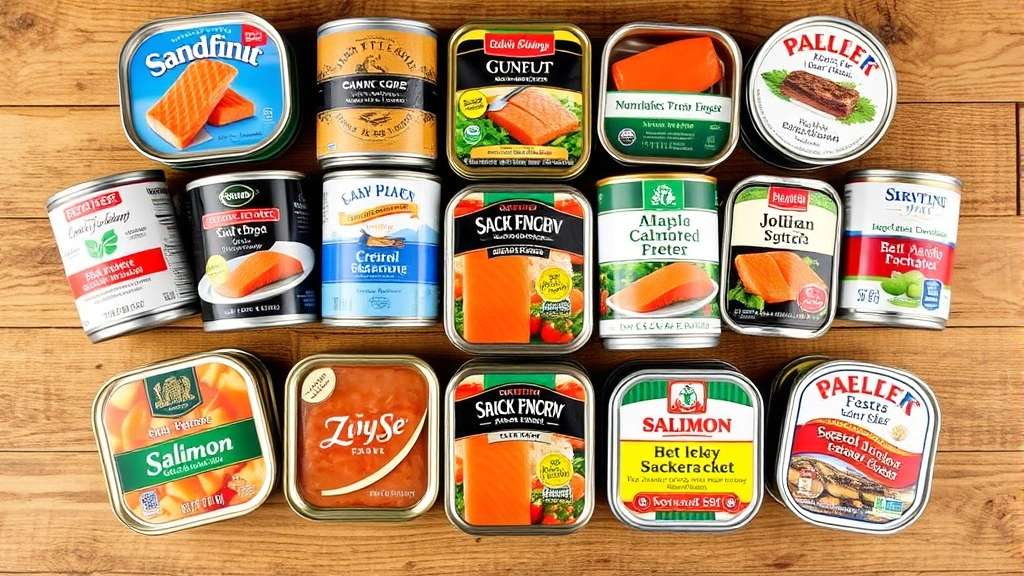
Selection is crucial when it comes to canned salmon for dogs. Look for products labeled “canned salmon in water” rather than oil or sauce. The water-packed versions typically contain significantly less sodium and fewer additives than alternatives.
Check the ingredient label carefully. The ideal canned salmon for dogs should contain only salmon and salt, with minimal additional ingredients. Avoid products that include:
- High levels of sodium or salt
- Artificial preservatives like BHA, BHT, or ethoxyquin
- Added sugars or sweeteners
- Spices or seasonings that may upset your dog’s stomach
- Soy or other potential allergens
Compare sodium content across brands. Some products contain as little as 300mg of sodium per 100g, while others exceed 600mg. Lower-sodium options are always preferable for your dog’s health. If you have difficulty finding low-sodium canned salmon, you might consider switching to fresh or frozen salmon prepared at home, which gives you complete control over added ingredients.
Look for products that include the bones in the salmon. These soft, edible bones are excellent sources of calcium and phosphorus, supporting bone density and overall skeletal health. Boneless varieties are available but offer less nutritional completeness unless supplemented elsewhere in the diet.
Some brands specifically market their products as “dog-safe” or formulated for pets. These products have typically been evaluated for appropriateness and safety for canine consumption, though they may be more expensive than human-grade canned salmon.
Preparation and Serving Guidelines
Before serving canned salmon to your dog, proper preparation is essential. First, drain the liquid completely and rinse the salmon under fresh water to remove excess sodium. This simple step can reduce sodium content by 20-30%, making the salmon much safer for regular consumption.
Remove all bones if your dog is a gulper or has had digestive issues previously. While the bones are nutritious and generally safe, breaking them down carefully prevents potential choking hazards. Mash the salmon with a fork to ensure small, manageable pieces.
Portion size depends on your dog’s weight and overall caloric needs. As a general guideline, canned salmon should not exceed 10% of your dog’s daily caloric intake. For a 50-pound dog consuming approximately 1,000 calories daily, this means no more than 100 calories from salmon, roughly equivalent to 2-3 tablespoons of canned salmon.
Introduce canned salmon gradually to your dog’s diet over 7-10 days. Start with just one teaspoon mixed into their regular food and monitor for any digestive upset. If your dog shows signs of diarrhea or other digestive issues, reduce the amount or discontinue use and consult your veterinarian.
Frequency of serving matters. Once or twice weekly is appropriate for most healthy adult dogs. This frequency provides the nutritional benefits without excessive sodium accumulation or risk of nutrient imbalances. Senior dogs or those with health conditions may need less frequent servings or smaller portions.
You can serve canned salmon in several ways. Mix it into their regular kibble for added flavor and nutrition, combine it with chicken and rice for a homemade meal, or offer it as an occasional treat. Some owners freeze small portions in ice cube trays for refreshing summer treats.
Canned Salmon for Dogs with Health Conditions
Dogs with certain health conditions require special considerations before introducing canned salmon into their diet. If your dog has heart disease, kidney disease, or hypertension, consult your veterinarian before adding canned salmon, even low-sodium varieties. The sodium content, though reduced, may still be problematic for these conditions.
For dogs with pancreatitis, canned salmon’s fat content may trigger flare-ups. While some fat is necessary and beneficial, the concentrated fat in canned salmon could be problematic. Your vet may recommend alternative protein sources or suggest that canned salmon be avoided entirely.
Dogs with allergies or sensitive digestive systems should have canned salmon introduced very slowly and cautiously. Some dogs develop fish allergies, which can manifest as itching, skin irritation, or gastrointestinal upset. If your dog already suffers from allergies, discuss salmon introduction with your veterinarian first.
For dogs with diabetes or obesity, portion control becomes even more critical. While salmon is protein-rich and relatively low in carbohydrates, the overall caloric density means careful monitoring is necessary. Your veterinarian can help calculate appropriate serving sizes based on your dog’s specific dietary needs.
Dogs recovering from illness or surgery may benefit from the easily digestible protein and anti-inflammatory properties of salmon. However, timing and portion size should be discussed with your vet. In some recovery situations, plain cooked chicken may be preferable initially before introducing salmon.
Alternatives to Canned Salmon
If canned salmon isn’t suitable for your dog or you want variety, several alternatives offer similar nutritional benefits. Fresh salmon, when properly cooked without added salt or seasonings, provides superior nutrition without sodium concerns. Simply bake or boil salmon fillets and serve small portions mixed with your dog’s regular food.
Other fish options include canned sardines in water (rinse thoroughly), canned herring, or fresh mackerel. These alternatives provide omega-3 fatty acids and high-quality protein. However, ensure any canned fish is rinsed thoroughly and contains no added salt or preservatives.
For dogs that don’t tolerate fish well, flaxseed and chia seeds provide plant-based omega-3 sources, though they’re not as bioavailable as fish-derived omega-3s. You can sprinkle ground flaxseed on your dog’s food at approximately one teaspoon per 10 pounds of body weight daily.
Chicken, particularly with skin on for added fat, provides excellent protein. Properly cooked chicken offers a safe, familiar protein source. While it lacks the omega-3 benefits of salmon, it’s an excellent alternative for dogs with fish sensitivities.
Beef and lamb are nutrient-dense protein sources that many dogs thrive on. These meats provide B vitamins, iron, and zinc alongside high-quality protein. For dogs with specific dietary needs or allergies, these traditional proteins often work well.
Fish oil supplements offer concentrated omega-3 benefits without the sodium concerns of canned salmon. These supplements come in various forms, from liquid to capsules, and can be dosed precisely according to your dog’s needs. However, choose supplements specifically formulated for dogs and approved by your veterinarian.
FAQ
Can puppies eat canned salmon?
Yes, puppies can eat canned salmon in very small quantities once they’re eating solid food, typically around 8 weeks old. However, puppies have different nutritional requirements than adult dogs, and their digestive systems are more sensitive. Introduce salmon gradually and in tiny amounts. Consult your puppy’s veterinarian before adding any human foods to their diet, as commercial puppy food is formulated to meet their specific developmental needs.
Is canned salmon better than fresh salmon for dogs?
Both have advantages. Canned salmon provides convenience and has had any parasites eliminated through heat processing, making it safer than raw salmon. Fresh salmon offers superior nutritional density and allows complete control over sodium content. The choice depends on your situation, budget, and your dog’s specific needs. For most dogs, either option is acceptable when prepared properly.
How often can dogs eat canned salmon?
Once or twice weekly is appropriate for healthy adult dogs. This frequency provides nutritional benefits while preventing sodium accumulation and maintaining dietary balance. Dogs with certain health conditions may need less frequent servings or should avoid canned salmon entirely. Always consult your veterinarian about appropriate frequency for your individual dog.
What should I do if my dog eats too much canned salmon?
If your dog accidentally consumes a large quantity of canned salmon, monitor for signs of gastrointestinal upset such as vomiting, diarrhea, or loss of appetite. Provide fresh water and watch for any changes in behavior or appetite over the next 24-48 hours. If symptoms develop or persist, contact your veterinarian. Sodium toxicity from a single large serving is unlikely but possible in small breeds or dogs with existing health conditions.
Can canned salmon cause allergies in dogs?
Yes, some dogs develop fish allergies, though they’re less common than chicken or beef allergies. Signs include itching, skin irritation, ear infections, vomiting, or diarrhea. If you notice any of these symptoms after introducing canned salmon, discontinue use and consult your veterinarian. An elimination diet may be necessary to confirm fish allergy. Once identified, fish should be avoided entirely.
Should I rinse canned salmon before giving it to my dog?
Absolutely. Rinsing canned salmon under fresh water removes approximately 20-30% of the sodium, making it significantly safer for your dog. This simple step takes only a few seconds but substantially reduces health risks associated with excessive sodium intake. Always drain and rinse thoroughly before serving any canned salmon to your dog.
Can dogs with kidney disease eat canned salmon?
Dogs with kidney disease should generally avoid canned salmon due to sodium content, even low-sodium varieties. Kidney disease often accompanies hypertension and requires strict sodium restriction. Additionally, dogs with kidney disease need controlled phosphorus and protein intake. Consult your veterinarian before introducing any new foods, as your dog may have specific dietary restrictions. Your vet may recommend prescription diets formulated for kidney health instead.
What about canned salmon with bones?
Canned salmon with bones is nutritionally superior due to the calcium and phosphorus content. The bones are soft and edible after the canning process, generally safe for dogs to consume. However, if your dog gulps food without chewing or has a history of choking, remove the bones by carefully breaking them apart. For most dogs, the bones can remain and provide added nutritional value.





