
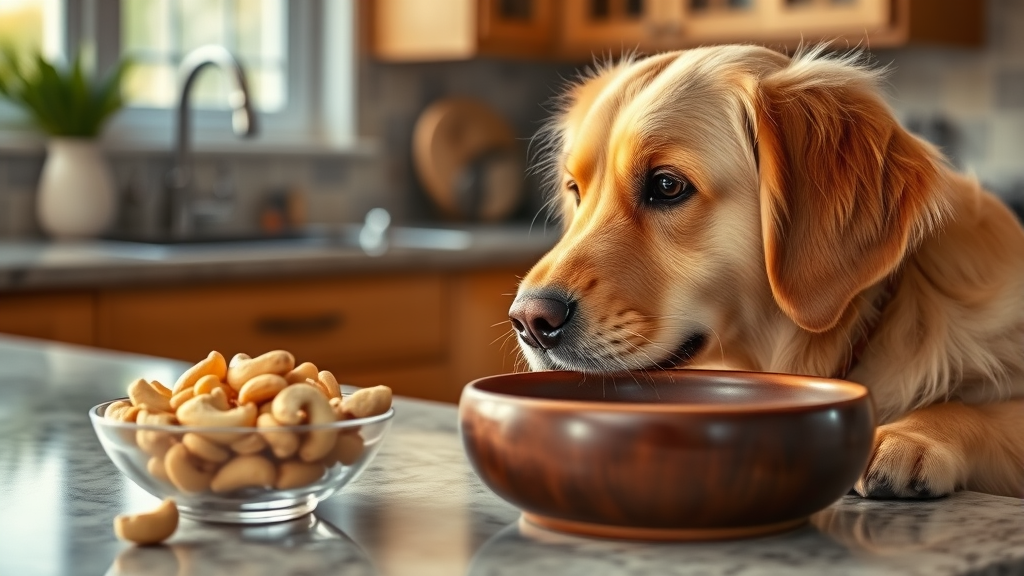
As a loving dog owner, you’ve probably found yourself wondering whether certain human foods are safe to share with your furry companion. One question that frequently comes up is: can dogs have cashews? These creamy, buttery nuts are a popular snack for humans, but when it comes to our canine friends, the answer isn’t as straightforward as you might think.
While cashews aren’t toxic to dogs like some other foods, they come with their own set of considerations that every responsible pet owner should understand. From potential digestive issues to the risk of allergic reactions, there are several factors to weigh before offering your pup a cashew treat. Understanding these nuances can help you make informed decisions about your dog’s diet and ensure their long-term health and happiness.
Are Cashews Safe for Dogs?
The short answer is that cashews are not toxic to dogs, but they should be given with extreme caution and only in very small amounts. Unlike macadamia nuts, which are highly toxic to canines, cashews won’t cause immediate poisoning. However, this doesn’t mean they’re an ideal treat for your furry friend.
Cashews are high in fat and calories, which can lead to digestive upset and long-term health issues if consumed regularly. The American Kennel Club recommends avoiding nuts in general for dogs due to their high fat content and potential for causing pancreatitis.
Raw cashews are preferable to roasted or salted varieties if you do decide to offer them to your dog. Salted cashews contain excessive sodium, which can be harmful to dogs, while flavored varieties may contain ingredients that are toxic to canines, such as garlic or onion powder. Just as you might research whether dogs can eat onions, it’s crucial to understand the ingredients in processed cashews.

Nutritional Content of Cashews
To understand why cashews should be limited in a dog’s diet, it’s important to examine their nutritional profile. A single ounce of cashews contains approximately 157 calories, 12 grams of fat, and 5 grams of protein. While these nuts do provide some beneficial nutrients like magnesium, zinc, and vitamin K, the high calorie and fat content make them unsuitable as a regular treat for dogs.
The fat content in cashews is particularly concerning for dogs. Their digestive systems aren’t designed to process high-fat foods efficiently, which can lead to gastrointestinal distress. Additionally, the caloric density of cashews means that even a small amount can contribute significantly to a dog’s daily calorie intake, potentially leading to weight gain over time.
Cashews also contain natural oils that, while not toxic, can be difficult for dogs to digest. These oils can cause stomach upset, diarrhea, or vomiting in sensitive dogs. Unlike healthier options such as carrots for dogs, cashews don’t provide essential nutrients that dogs can’t obtain from their regular diet.
Potential Risks and Concerns
Several risks are associated with feeding cashews to dogs, ranging from mild digestive upset to more serious health complications. The most immediate concern is gastrointestinal distress, which can manifest as vomiting, diarrhea, or stomach pain. These symptoms typically occur within a few hours of consumption and may last for 24-48 hours.
Pancreatitis is a more serious risk associated with high-fat foods like cashews. This condition involves inflammation of the pancreas and can be life-threatening if not treated promptly. Symptoms of pancreatitis include severe abdominal pain, vomiting, diarrhea, lethargy, and loss of appetite. According to the American Veterinary Medical Association, pancreatitis can develop suddenly and requires immediate veterinary attention.
Allergic reactions, while rare, are another potential concern. Dogs can develop food allergies to any protein or food item, including nuts. Signs of an allergic reaction may include itching, swelling, difficulty breathing, or gastrointestinal upset. If you notice any of these symptoms after your dog consumes cashews, contact your veterinarian immediately.
Choking is also a risk, particularly for smaller dogs. Whole cashews can become lodged in a dog’s throat or cause intestinal blockage if swallowed without proper chewing. This risk is similar to concerns you might have about other foods, such as when considering whether dogs can have peaches with pits.
Safe Serving Guidelines
If you decide to offer your dog cashews despite the risks, strict guidelines must be followed to minimize potential harm. First and foremost, cashews should only be given as an occasional treat and never as a regular part of your dog’s diet. The general rule is that treats should comprise no more than 10% of a dog’s daily caloric intake.
For most dogs, this means limiting cashews to one or two pieces per week at most, and only for medium to large-sized dogs. Small dogs should avoid cashews entirely due to their higher risk of digestive upset and choking. Always choose plain, unsalted, raw cashews, and break them into smaller pieces to reduce choking risk.
Never give your dog cashews that have been processed with salt, sugar, chocolate, or other flavorings. These additives can be harmful or even toxic to dogs. Similarly, avoid cashew butter or cashew milk, as these products often contain added sugars, salt, or artificial sweeteners like xylitol, which is extremely toxic to dogs.
Before introducing any new food to your dog’s diet, including cashews, consult with your veterinarian. This is especially important if your dog has a history of food allergies, digestive issues, or pancreatitis. Your vet can provide personalized advice based on your dog’s health status, size, and dietary needs.
Signs to Watch For
If your dog has consumed cashews, it’s important to monitor them closely for any adverse reactions. Immediate signs to watch for include vomiting, diarrhea, excessive drooling, or signs of abdominal discomfort such as restlessness or reluctance to move. These symptoms typically appear within 2-6 hours of consumption.
More serious signs that require immediate veterinary attention include severe or persistent vomiting, bloody diarrhea, extreme lethargy, difficulty breathing, or signs of severe abdominal pain. These could indicate pancreatitis or another serious condition requiring prompt medical intervention.
Allergic reactions may present differently and can include facial swelling, hives, excessive scratching, or difficulty breathing. These symptoms can develop rapidly and may be life-threatening, so immediate veterinary care is essential.
Keep in mind that some reactions may be delayed, appearing 12-24 hours after consumption. Continue monitoring your dog for at least 48 hours after they’ve eaten cashews, and don’t hesitate to contact your veterinarian if you notice any concerning changes in behavior or appetite.
Healthier Alternatives to Cashews
Instead of risking potential health issues with cashews, consider offering your dog safer, more nutritious alternatives. Many fruits and vegetables make excellent treats that are both safe and beneficial for dogs. For example, dogs can eat blackberries in moderation, providing antioxidants and fiber without the high fat content of nuts.
Other excellent alternatives include small pieces of apple (without seeds), cantaloupe for dogs, or frozen blueberries. These options provide natural sweetness and beneficial nutrients while being much safer for canine consumption. Vegetables like carrots, green beans, or cucumber slices also make excellent low-calorie treats.
Commercial dog treats specifically formulated for canine nutrition are always a safe choice. Look for treats that are made with high-quality ingredients and are appropriately sized for your dog. The FDA provides guidelines for reading pet food labels to help you make informed choices.
If you’re looking for something with a similar crunch to cashews, consider giving your dog small pieces of raw carrots or celery. These vegetables provide the satisfying crunch many dogs enjoy while offering nutritional benefits and helping to clean their teeth naturally.
When to Contact Your Veterinarian
Knowing when to contact your veterinarian is crucial for your dog’s safety. If your dog has consumed a large quantity of cashews, contact your vet immediately, even if no symptoms are present yet. The same applies if your dog has eaten salted, flavored, or chocolate-covered cashews, as these pose additional risks.
Seek immediate veterinary care if your dog shows any signs of severe distress, including persistent vomiting, diarrhea lasting more than 24 hours, signs of dehydration, extreme lethargy, or any breathing difficulties. These symptoms could indicate serious complications requiring professional treatment.
For dogs with pre-existing conditions such as diabetes, pancreatitis, or food allergies, contact your veterinarian even after small amounts of cashew consumption. These dogs are at higher risk for complications and may require monitoring or preventive treatment.
When calling your veterinarian, be prepared to provide information about how many cashews your dog consumed, what type they were (salted, flavored, etc.), when consumption occurred, and any symptoms you’ve observed. This information will help your vet determine the appropriate course of action.
Frequently Asked Questions
Can dogs eat cashew butter?
No, dogs should not eat cashew butter. Commercial cashew butter often contains added salt, sugar, and sometimes xylitol, which is toxic to dogs. Even natural cashew butter is too high in fat and calories for dogs and can cause digestive upset or pancreatitis.
What should I do if my dog ate a lot of cashews?
Contact your veterinarian immediately if your dog has consumed a large quantity of cashews. Monitor your dog closely for symptoms like vomiting, diarrhea, lethargy, or abdominal pain. Don’t wait for symptoms to appear – early intervention is key to preventing serious complications like pancreatitis.
Are roasted cashews worse for dogs than raw ones?
Yes, roasted cashews are generally worse for dogs than raw ones. Roasted cashews often contain added salt, oils, and seasonings that can be harmful to dogs. Raw, unsalted cashews are the safer option if you choose to give your dog cashews at all, though they should still be limited to very small amounts.
How many cashews can I give my small dog?
Small dogs should not be given cashews at all. Their smaller size makes them more susceptible to digestive upset, choking, and other complications. The high fat and calorie content of cashews can quickly exceed safe limits for small dogs, making healthier alternatives a better choice.
Can cashews cause allergic reactions in dogs?
Yes, dogs can develop allergic reactions to cashews, though it’s relatively uncommon. Signs of an allergic reaction include itching, swelling, hives, vomiting, diarrhea, or difficulty breathing. If you suspect your dog is having an allergic reaction to cashews, contact your veterinarian immediately.
Are there any nuts that are safe for dogs?
Most nuts should be avoided for dogs due to their high fat content and potential for causing digestive upset or pancreatitis. However, plain, unsalted peanuts (technically a legume, not a nut) can be given in very small quantities to some dogs, though peanut butter without xylitol is a safer option.
What are the signs of pancreatitis in dogs?
Signs of pancreatitis in dogs include severe vomiting, diarrhea, loss of appetite, lethargy, abdominal pain (dogs may assume a “prayer” position with front legs down and rear end up), fever, and dehydration. Pancreatitis is a serious condition requiring immediate veterinary treatment, and high-fat foods like cashews can trigger episodes in susceptible dogs.





