
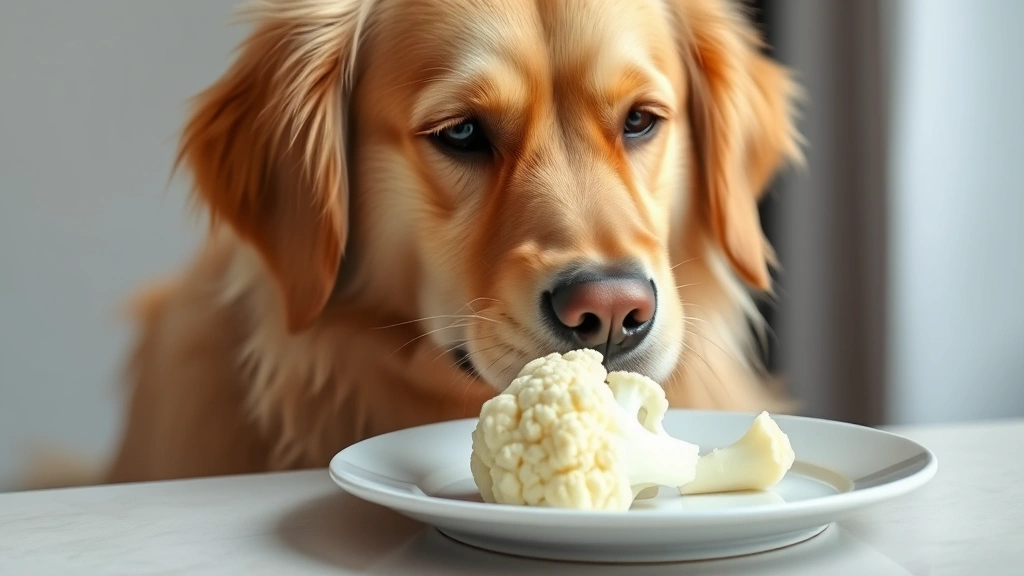
Your dog gives you that look. You’re prepping dinner, chopping up cauliflower, and suddenly there’s a nose under the cutting board. So: can dogs have cauliflower? The short answer is yes—but there’s a right way and a wrong way to do it. Cauliflower is safe for dogs in moderation, but it’s not a free pass to toss raw florets at your pup whenever you feel like it. As a vet tech who’s seen everything from happy veggie-munching labs to dogs with serious digestive upset, I’m here to break down what you actually need to know about cauliflower for dogs.
Is Cauliflower Safe for Dogs?
Yes, plain cauliflower is safe for dogs. It’s non-toxic, which means you don’t have to panic if your dog sneaks a piece off the counter. Unlike grapes, chocolate, or xylitol-containing products, cauliflower won’t poison your dog. That said, “safe” doesn’t automatically mean “healthy” or “good in large amounts.” Think of it like how humans can eat popcorn—it’s not dangerous, but eating a bucket of it every day isn’t ideal.
According to the American Kennel Club (AKC), cauliflower is listed among vegetables that are generally safe for dogs. The key word is “generally”—context matters. A small amount of cooked cauliflower? Great. A huge bowl of raw cauliflower every day? That’s asking for digestive trouble.
The reason cauliflower gets the green light is simple: it has no compounds that are toxic to canine metabolism. Dogs don’t metabolize vegetables the same way humans do, but they can digest most plant matter without issue. The real question isn’t whether it’s safe—it’s whether it’s actually good for your individual dog.
Nutritional Benefits of Cauliflower for Dogs
Here’s where cauliflower actually shines. It’s low in calories (about 25 calories per cup raw), which makes it perfect for dogs who need to lose weight or for those training moments when you want to give a reward that won’t pack on the pounds. It’s also packed with fiber, vitamin C, vitamin K, and antioxidants.
For a dog on a weight management plan, cauliflower can be a game-changer. Instead of reaching for high-calorie treats, you can give your pup a cauliflower floret as a snack. It’s filling enough that they feel satisfied, but light enough that it won’t blow your dog’s daily calorie budget.
- Fiber: Supports digestive health and can help regulate bowel movements (though too much causes the opposite problem)
- Vitamin C: Acts as an antioxidant, supports immune function
- Vitamin K: Important for bone health and blood clotting
- Potassium: Supports heart and kidney function
- Antioxidants: Help fight inflammation and cellular damage
That said, dogs don’t need vegetables to thrive. Unlike humans, dogs are facultative carnivores—they can survive on meat alone (though a balanced diet is better). Vegetables like cauliflower are a supplement, not a staple. Think of them as a bonus, not the main event.
How to Serve Cauliflower to Your Dog
The way you prepare cauliflower matters more than you might think. Raw cauliflower is technically safe, but cooked is almost always better. Here’s why: cooked cauliflower is easier to digest, less likely to cause gas, and softer on the teeth (especially important for senior dogs or puppies).
The worst way to serve cauliflower? Covered in butter, garlic, salt, or spices. If you’re making cauliflower for yourself with seasoning, don’t share it with your dog. Many seasonings are dangerous for dogs, and even “harmless” ones like salt can cause problems in large amounts.
Pro Tip: Steam or boil plain cauliflower until it’s soft (about 5-7 minutes). This makes it easier to digest and removes any dirt. Let it cool completely before giving it to your dog. Never serve hot food.
Raw cauliflower works in a pinch—some dogs actually like the crunch—but it can cause bloating and gas because it’s harder for their digestive system to break down. If your dog tends to have a sensitive stomach or gets gassy easily, always cook it first.
Portion Sizes and Frequency: Getting the Math Right

This is where most dog owners mess up. They assume that because cauliflower is healthy, they can give unlimited amounts. Wrong. Too much cauliflower can cause serious digestive issues, including bloating, gas, and diarrhea.
The general rule: treats (including vegetables) should make up no more than 10% of your dog’s daily caloric intake. The other 90% should come from their regular dog food. For a 50-pound dog eating about 1,000 calories per day, that means only 100 calories should come from treats and extras.
Here’s a practical breakdown:
- Small dogs (under 20 lbs): 1-2 small florets, once or twice per week
- Medium dogs (20-60 lbs): 2-4 florets, 2-3 times per week
- Large dogs (over 60 lbs): Up to 1 cup (chopped), 2-3 times per week
These are starting points. Watch your dog’s reaction. If they start getting gassy, having looser stools, or showing signs of bloating (restlessness, distended belly, whining), cut back immediately. Every dog’s digestive system is different. Your Labrador might handle cauliflower like a champ, while your neighbor’s poodle might get upset after a single floret.
Also consider what else your dog is eating. If you’re already giving them other vegetables or treats, reduce the cauliflower portion accordingly. It’s cumulative.
Potential Risks and Concerns
Let’s talk about the real problems. Cauliflower isn’t dangerous, but it’s not consequence-free either.
Gas and Bloating: This is the #1 issue. Cauliflower contains complex carbohydrates that dogs can’t fully digest. When these reach the colon, bacteria ferment them, producing gas. Some dogs handle this fine; others get visibly uncomfortable. If your dog is already prone to digestive issues, cauliflower might not be worth it.
Choking Hazard: Raw cauliflower florets can be a choking risk, especially for dogs who don’t chew properly or eat too fast. Always supervise, and consider cutting florets into smaller pieces for enthusiastic eaters.
Pesticide Residue: If you’re buying conventional cauliflower, wash it thoroughly before serving. Organic is better if you can get it, but not essential. The EPA regulates pesticide residues on vegetables, so conventional produce is generally safe, but rinsing removes surface residue.
Thyroid Issues: Cauliflower (like all cruciferous vegetables) contains compounds called goitrogens that can interfere with thyroid function in large amounts. For a healthy dog eating normal portions, this isn’t a concern. But if your dog has hypothyroidism, talk to your vet before making cauliflower a regular treat.
Safety Warning: Never give your dog cauliflower that’s been prepared with garlic, onions, or excessive salt. Garlic and onions are toxic to dogs, and salt can cause electrolyte imbalances. If you’re unsure whether something is safe, don’t give it.
Best Preparation Methods for Dogs
There’s a reason I keep emphasizing preparation. How you cook cauliflower makes a huge difference in whether your dog benefits or suffers.
Steaming (Best Option): Steam plain cauliflower for 5-7 minutes until soft. This preserves nutrients better than boiling and doesn’t require any oil or seasoning. Cut into appropriate-sized pieces and let cool.
Boiling: Boil in plain water for 5-10 minutes. Some nutrients leach into the water, but it’s still a solid option. Drain completely and cool.
Roasting: Only if you use no oil, no salt, no seasoning. Roast at 400°F for 15-20 minutes. Most roasted cauliflower recipes call for oil and seasoning, so this is tricky. Skip it unless you’re making a plain batch specifically for your dog.
Raw: Acceptable for dogs with strong digestive systems, but not ideal. If you go this route, wash thoroughly, cut into small pieces, and supervise.
Never: Fried, buttered, salted, seasoned, or covered in cheese. Don’t give your dog the leftovers from your dinner plate unless you’re 100% certain nothing problematic was added.
I know it sounds like a lot of work, but honestly? Steaming takes five minutes. It’s worth it to avoid a 2 AM emergency vet visit for a dog with acute gastroenteritis.
Other Vegetables Dogs Love (and Might Be Better Options)
Cauliflower is fine, but it’s not the only vegetable option. Some alternatives are easier to digest and cause fewer digestive issues.
- Green beans: Low calorie, high fiber, rarely cause gas. Most dogs love them. Similar nutritional profile to other greens.
- Carrots: Great for teeth, low calorie, easy to digest. Raw or cooked both work.
- Pumpkin: Excellent for digestive health. Helps with both constipation and diarrhea.
- Sweet potato: Higher in calories but nutrient-dense. Good for weight-loss treats in small amounts.
- Broccoli: Similar to cauliflower but slightly better tolerated by some dogs. Still use moderation.
- Zucchini: Very mild, rarely causes issues. Great for sensitive stomachs.
If your dog doesn’t tolerate cauliflower well, try green beans or zucchini instead. They’re gentler on the digestive system and cause fewer problems.
For weight management specifically, you might also consider plain Greek yogurt in small amounts or small pieces of lean cooked chicken as training treats. They’re more protein-rich and often more satisfying than vegetables.
Frequently Asked Questions
Can puppies have cauliflower?
– Yes, but in smaller amounts than adult dogs. Puppies have developing digestive systems and are more prone to upset stomach. Start with tiny pieces (like a pea-sized amount) of cooked cauliflower and watch for any digestive upset. If everything looks good after a few days, you can gradually increase to age-appropriate portions. Never give raw cauliflower to puppies.
Can dogs with digestive issues eat cauliflower?
– Proceed with extreme caution. If your dog has inflammatory bowel disease (IBD), chronic diarrhea, or a sensitive stomach, cauliflower might make things worse. The fiber and complex carbohydrates can trigger flare-ups. Talk to your vet first. In many cases, simpler vegetables like cooked carrots or pumpkin are safer choices.
Is frozen cauliflower okay for dogs?
– Yes, frozen cauliflower is fine. Thaw it completely, steam or boil it, and serve as you would fresh. Make sure there’s no added salt or seasoning. Read the label carefully—some frozen vegetable mixes contain onions or garlic, which are toxic to dogs.
What if my dog ate raw cauliflower and now has diarrhea?
– Don’t panic. Mild diarrhea from cauliflower usually resolves on its own within 24-48 hours. Make sure your dog has access to fresh water to prevent dehydration. For upset stomachs, plain cooked chicken and rice can help settle things. If diarrhea persists beyond 48 hours, becomes bloody, or your dog seems lethargic or in pain, contact your vet immediately.
Can dogs have cauliflower rice?
– Yes, plain cauliflower rice (just riced cauliflower with no seasoning or oil) is safe. It’s actually easier to digest than whole florets because it’s already broken down. Serve it cooked and plain. Many people use cauliflower rice as a low-calorie filler to stretch their dog’s regular food, which can help with weight management.
How do I know if my dog has a cauliflower allergy?
– True cauliflower allergies are extremely rare in dogs, but sensitivities do happen. Signs include itching, hives, vomiting, or diarrhea within hours of eating it. If you suspect an allergy, stop giving cauliflower and talk to your vet. They might recommend an elimination diet to identify the culprit. Most dogs who react poorly to cauliflower aren’t allergic—they just have digestive intolerance.
Can I give my dog cauliflower every day?
– Not recommended. Daily cauliflower can lead to chronic gas, bloating, and digestive upset. Plus, it’s not nutritionally necessary—your dog’s regular food has everything they need. Treat cauliflower as an occasional snack, not a dietary staple. 2-3 times per week is plenty.

Is cauliflower better than regular dog treats?
– It depends on the treat. Cauliflower has fewer calories and no artificial ingredients, which is great for weight management. But it’s less satisfying than a proper treat because dogs are carnivores and crave protein. For training, a small piece of cooked chicken is usually more motivating. For a low-calorie snack, cauliflower works fine. Use both strategically.
Can senior dogs eat cauliflower?
– Yes, but cook it well and cut it into small, soft pieces. Senior dogs often have weaker teeth and more sensitive digestion. Cooked, finely chopped cauliflower is gentler than raw florets. Watch for any signs of upset stomach and adjust portions accordingly. Some senior dogs do better with milder vegetables like cooked zucchini.





