
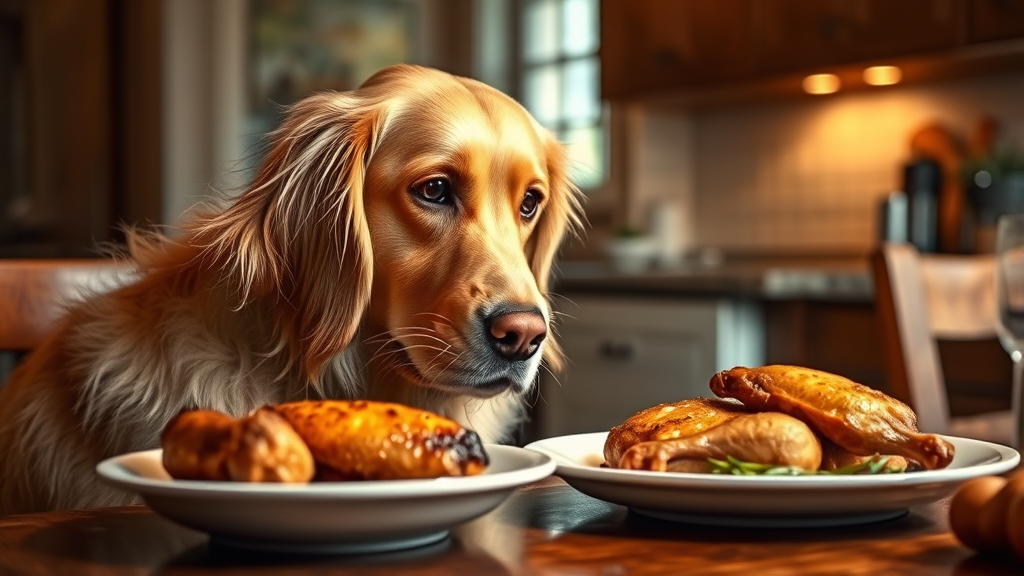
One of the most common questions dog owners ask is whether their furry companions can safely consume chicken bones. This concern arises frequently, especially during family meals when dogs eagerly await any scraps that might fall their way. The topic of can dogs eat chicken bones requires careful consideration, as the answer isn’t as straightforward as many pet owners might hope.
Understanding the risks and safety measures surrounding dogs and chicken bones is crucial for every responsible pet owner. While our canine friends have evolved from wolves that naturally consumed bones in the wild, domestic dogs face different challenges when it comes to bone consumption. The way we prepare and serve chicken, along with our dogs’ eating habits, can significantly impact their safety when encountering chicken bones.
Cooked vs Raw Chicken Bones: Understanding the Difference
The fundamental distinction between cooked and raw chicken bones cannot be overstated when discussing canine safety. Cooked chicken bones pose significantly greater risks than their raw counterparts due to the structural changes that occur during the cooking process. When chicken bones are exposed to heat, they become brittle and prone to splintering, creating sharp fragments that can cause serious internal injuries.
Raw chicken bones, while still presenting some risks, maintain their natural flexibility and are less likely to splinter into dangerous shards. However, this doesn’t mean raw chicken bones are completely safe for all dogs. The American Veterinary Medical Association emphasizes that raw bones can still pose choking hazards and may harbor harmful bacteria such as Salmonella or E. coli.
Size also plays a crucial role in bone safety. Small chicken bones, such as those from wings or drumsticks, are particularly dangerous regardless of whether they’re cooked or raw. These bones can easily become lodged in a dog’s throat or digestive tract, leading to choking or intestinal blockages. When considering whether can dogs eat bones in general, it’s important to evaluate each situation individually based on the dog’s size, eating habits, and the specific type of bone in question.
Potential Health Risks and Dangers
The consumption of chicken bones can lead to numerous serious health complications in dogs, ranging from minor digestive upset to life-threatening emergencies. One of the most immediate concerns is choking, which can occur when bones become lodged in the throat or windpipe. This is particularly common with smaller bones that dogs might attempt to swallow whole.
Dental damage represents another significant risk, as hard or splintered bones can crack or break teeth, leading to painful dental injuries that require veterinary intervention. The sharp edges of broken chicken bones can also cause cuts and abrasions to the mouth, gums, and tongue, resulting in bleeding and potential infections.
Perhaps most seriously, chicken bone fragments can cause internal injuries throughout the digestive system. These sharp pieces can puncture the esophagus, stomach lining, or intestinal walls, leading to internal bleeding, peritonitis, or other life-threatening conditions. According to the American Kennel Club, intestinal blockages are also common when dogs consume chicken bones, as the fragments can accumulate and obstruct normal digestion.
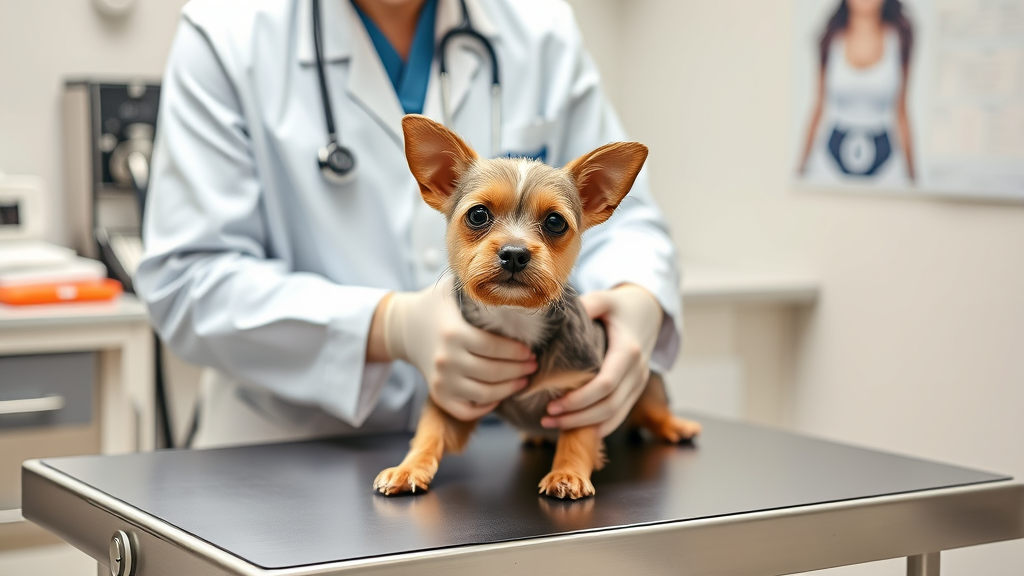
The symptoms of chicken bone ingestion complications can vary widely but may include vomiting, diarrhea, loss of appetite, lethargy, difficulty defecating, or signs of abdominal pain. In severe cases, dogs may exhibit symptoms of shock or collapse, requiring immediate emergency veterinary care. Understanding these risks helps explain why many veterinarians strongly advise against giving dogs any type of chicken bones.
Safe Alternatives and Bone Substitutes
Fortunately, numerous safe alternatives exist for dog owners who want to provide their pets with the satisfaction of chewing without the risks associated with chicken bones. Commercial dog bones made from compressed rawhide, synthetic materials, or specially processed animal products offer safer options that can satisfy a dog’s natural chewing instincts.
Dental chews specifically designed for dogs provide both entertainment and oral health benefits without the dangers of splintering bones. These products are formulated to break down safely in the digestive system while helping to clean teeth and freshen breath. The Veterinary Oral Health Council maintains a list of approved dental chews that have been proven effective for maintaining canine oral health.
For owners interested in providing protein-rich treats, learning how to boil chicken for dogs safely can offer a nutritious alternative. Properly prepared boneless chicken provides excellent protein without any of the risks associated with bones. Similarly, exploring options like can dogs eat ground beef can help diversify your dog’s diet safely.
Natural alternatives such as antlers, bully sticks, or specially prepared large beef bones (under veterinary guidance) may also provide safe chewing options for some dogs. However, it’s important to note that even these alternatives should be given under supervision and with consideration for the individual dog’s size, chewing habits, and any existing health conditions.

What to Do If Your Dog Eats Chicken Bones
Despite best efforts at prevention, accidents can happen, and dogs may consume chicken bones when owners aren’t watching. The response to this situation should be immediate and measured, avoiding panic while taking appropriate action to protect the dog’s health and safety.
The first step is to remain calm and assess the situation. Remove any remaining chicken bones from the dog’s reach and try to determine how much and what type of bones were consumed. Never attempt to induce vomiting unless specifically instructed by a veterinarian, as this can cause additional damage if bone fragments are brought back up through the esophagus.
Contact your veterinarian immediately, even if the dog appears to be acting normally. Provide detailed information about the type and amount of bones consumed, when the incident occurred, and any symptoms you’ve observed. The veterinarian may recommend bringing the dog in for immediate examination or may provide specific instructions for monitoring at home.
In some cases, veterinarians might recommend knowing how to make your dog throw up or how to induce vomiting in dogs, but this should only be done under professional guidance. The decision to induce vomiting depends on many factors, including the type of bones consumed, the time elapsed, and the dog’s current condition.
Monitor your dog closely for the next 24-48 hours, watching for signs of distress such as vomiting, difficulty swallowing, excessive drooling, loss of appetite, or changes in behavior. If you notice any concerning symptoms or if you’re wondering why is my dog throwing up, contact your veterinarian immediately. The Pet Poison Helpline also provides 24/7 assistance for pet emergencies.
Prevention Strategies for Dog Owners
Prevention remains the most effective approach to protecting dogs from the dangers associated with chicken bones. Implementing comprehensive prevention strategies requires vigilance and consistency from all family members, as dogs are opportunistic and quick to take advantage of any unsecured food.
Proper food storage and disposal practices form the foundation of bone safety prevention. Always dispose of chicken bones in secure, covered garbage cans that dogs cannot access. Consider using child-proof latches on garbage cans or storing them in areas where dogs cannot reach them. When preparing meals, immediately dispose of bones rather than leaving them on plates or counters where dogs might grab them.
Education of all household members, including children and guests, is crucial for maintaining consistent prevention practices. Everyone should understand the dangers of giving dogs chicken bones and know to never feed table scraps containing bones to pets. This education should extend to understanding that even well-meaning gestures like sharing holiday meals can put dogs at serious risk.
Creating designated eating areas for dogs and maintaining strict boundaries during human meal times can significantly reduce the likelihood of accidental bone consumption. Training dogs to “leave it” or “drop it” on command provides an additional layer of protection when accidents do occur.
The same vigilance should be applied to other potentially dangerous foods, such as understanding what to do if dog eats chocolate or knowing about the risks associated with can dogs have ham bones. Comprehensive food safety awareness helps protect dogs from multiple dietary dangers.
Veterinary Perspective on Bone Safety
Veterinarians consistently emphasize the importance of avoiding chicken bones for dogs, citing the numerous cases they encounter of bone-related injuries and complications. Emergency veterinary clinics frequently treat dogs suffering from bone fragment injuries, intestinal blockages, and other serious complications resulting from chicken bone consumption.
The veterinary consensus, supported by organizations such as the American Veterinary Medical Association, strongly advises against giving dogs any cooked bones, particularly chicken bones. This recommendation is based on decades of clinical experience and documented cases of bone-related injuries in companion animals.
Veterinary professionals also point out that the risks associated with chicken bones far outweigh any potential benefits. Unlike the controlled environment of commercial dog food production, home kitchens cannot guarantee the safety of bones, and the unpredictable nature of how bones will splinter makes them inherently dangerous.
Many veterinarians recommend regular dental care and appropriate chew toys as safer alternatives to bones for maintaining oral health. The American Animal Hospital Association provides guidelines for safe dental care practices that don’t involve the risks associated with bones.
For dog owners seeking professional guidance on safe feeding practices, consulting with a veterinarian can provide personalized recommendations based on the individual dog’s size, age, health status, and dietary needs. This professional guidance is particularly important for dogs with existing health conditions or special dietary requirements.
Frequently Asked Questions
Are raw chicken bones safer than cooked chicken bones for dogs?
While raw chicken bones are less likely to splinter than cooked ones, they still pose significant risks including choking hazards, dental damage, and bacterial contamination. Raw bones can harbor dangerous bacteria like Salmonella and E. coli. Most veterinarians recommend avoiding both raw and cooked chicken bones entirely and opting for safer alternatives designed specifically for dogs.
What should I do immediately if my dog swallows a chicken bone?
Stay calm and contact your veterinarian immediately, even if your dog appears normal. Do not induce vomiting unless specifically instructed by a veterinary professional, as this could cause additional damage. Remove any remaining bones from your dog’s reach and monitor closely for signs of distress such as choking, difficulty swallowing, or changes in behavior.
How long does it take for a chicken bone to pass through a dog’s system?
Small bone fragments may pass through a dog’s digestive system within 24-72 hours, but larger pieces or sharp fragments can cause blockages or injuries that prevent normal passage. The timeframe varies greatly depending on the dog’s size, the bone size, and whether complications develop. Always consult with a veterinarian rather than waiting to see if bones pass naturally.
Can small dogs eat chicken bones if they’re supervised?
No, small dogs are actually at higher risk from chicken bones due to their smaller throats and digestive tracts. Even under supervision, bones can splinter unexpectedly or cause choking in seconds. Small dogs are more likely to suffer serious complications from even tiny bone fragments, making chicken bones particularly dangerous for smaller breeds.
What are the signs that my dog is having problems after eating a chicken bone?
Warning signs include vomiting, difficulty swallowing, excessive drooling, loss of appetite, lethargy, straining to defecate, abdominal pain, or behavioral changes. More serious symptoms include difficulty breathing, collapse, or signs of shock. Any of these symptoms warrant immediate veterinary attention, as they may indicate internal injuries or blockages.
Are there any chicken bones that are safe for dogs to eat?
No chicken bones are considered completely safe for dogs. Even larger bones can splinter unpredictably, and all chicken bones pose risks of choking, dental damage, or digestive tract injuries. Instead of chicken bones, provide your dog with commercial dog bones, dental chews, or other treats specifically designed for canine consumption.
Can I give my dog chicken necks or wing tips as they’re softer?
Chicken necks and wing tips are actually among the most dangerous bones for dogs due to their small size and tendency to be swallowed whole, creating choking hazards. These bones can easily become lodged in the throat or digestive tract. The softer texture doesn’t eliminate the risks of splintering or blockages, making them unsuitable for dogs despite their perceived safety.





