
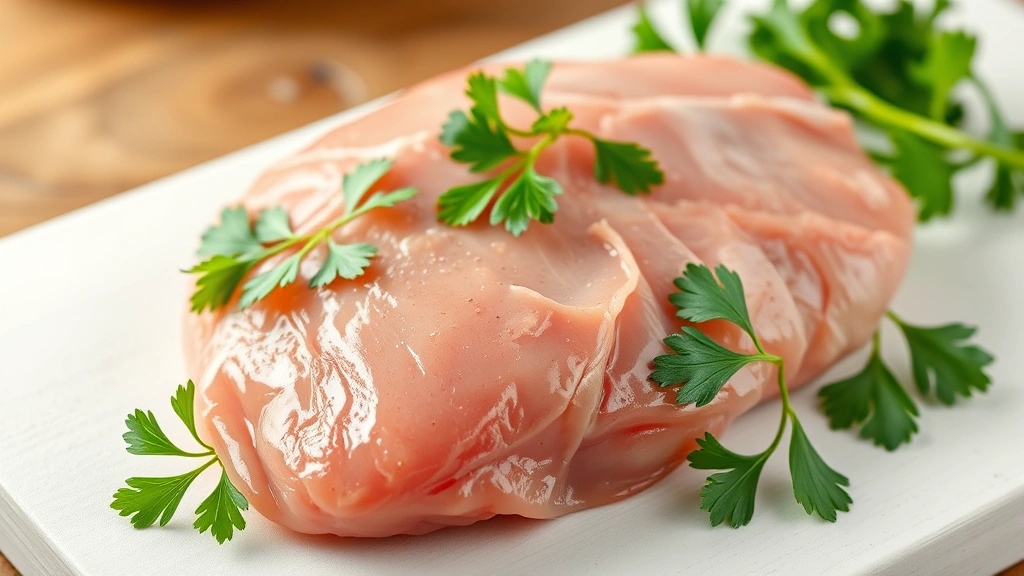
Can Dogs Eat Chicken Liver? Nutritional Insights and Safety Guide
If you’ve ever wondered whether your furry friend can safely enjoy chicken liver, you’re not alone. Many dog owners are curious about feeding organ meats to their pets, especially when looking for nutrient-dense treats or ingredients to add to homemade dog food. The good news? Chicken liver is not only safe for dogs but can actually be a fantastic addition to their diet when prepared properly.
Chicken liver is packed with essential vitamins and minerals that support your dog’s overall health, from immune function to vision. However, like any food you introduce to your dog’s diet, there are important guidelines to follow to ensure maximum benefits and minimize potential risks. Let’s dive into everything you need to know about feeding chicken liver to your canine companion.
Whether you’re considering chicken liver as an occasional treat, a training reward, or a regular dietary component, understanding its nutritional profile and proper preparation methods will help you make the best decision for your dog’s unique needs.
Nutritional Profile of Chicken Liver
Chicken liver is a nutritional powerhouse for dogs, containing an impressive array of vitamins and minerals that support various bodily functions. One of the most notable nutrients in chicken liver is vitamin A, which is essential for maintaining your dog’s vision, skin health, and immune system. A small serving of chicken liver can provide a significant portion of your dog’s daily vitamin A requirements.
Beyond vitamin A, chicken liver also contains substantial amounts of B vitamins, including B12, folate, and niacin. These vitamins play crucial roles in energy metabolism, nervous system function, and red blood cell formation. For dogs that may have dietary deficiencies or those on specialized diets, chicken liver can be an excellent supplement.
The mineral content is equally impressive. Chicken liver is rich in iron, which is vital for oxygen transport in the blood and preventing anemia. It also contains copper, zinc, and selenium—minerals that support immune function, wound healing, and antioxidant defense. Additionally, chicken liver provides high-quality protein, making it an excellent choice for muscle maintenance and repair.
According to AAFCO nutritional guidelines, organ meats like liver are considered complete protein sources and can contribute significantly to your dog’s daily nutritional requirements. The bioavailability of nutrients in chicken liver is particularly high, meaning your dog’s body can efficiently absorb and utilize these nutrients.
When comparing chicken liver to other protein sources, it stands out for its exceptional micronutrient density. While muscle meat provides protein, chicken liver delivers that protein along with concentrated doses of vitamins and minerals that are harder to find in other foods.
Is Chicken Liver Safe for Dogs?
Yes, chicken liver is absolutely safe for dogs when prepared properly and fed in appropriate quantities. Unlike some foods that pose inherent risks to canines, chicken liver is a naturally dog-friendly food that many veterinarians actually recommend. The key to safety lies in proper sourcing, preparation, and portion control.
One of the reasons chicken liver is so safe is that it doesn’t contain compounds that are toxic to dogs, unlike chocolate, grapes, or onions. It’s also less likely to cause choking hazards compared to other chicken parts. When you’re considering whether chicken is good for dogs, organ meats like liver represent one of the most nutritious options available.
The safety profile of chicken liver improves significantly when you source it from reputable suppliers and handle it with proper food safety practices. Raw chicken, including raw chicken liver, can contain bacteria like salmonella or campylobacter, which is why cooking is generally recommended for most dog owners. However, some people do feed raw chicken liver as part of a raw diet—this approach requires careful handling and knowledge of food safety.
It’s worth noting that some dogs can be allergic to chicken, though this is relatively uncommon. If your dog has known poultry allergies, chicken liver would not be appropriate. However, for the vast majority of dogs without chicken sensitivities, liver from chicken is a safe and beneficial food.
Research from veterinary nutritionists supports the inclusion of organ meats in canine diets. The American Veterinary Medical Association acknowledges that organ meats can be valuable components of balanced diets, provided they’re incorporated thoughtfully.
How to Prepare Chicken Liver for Dogs
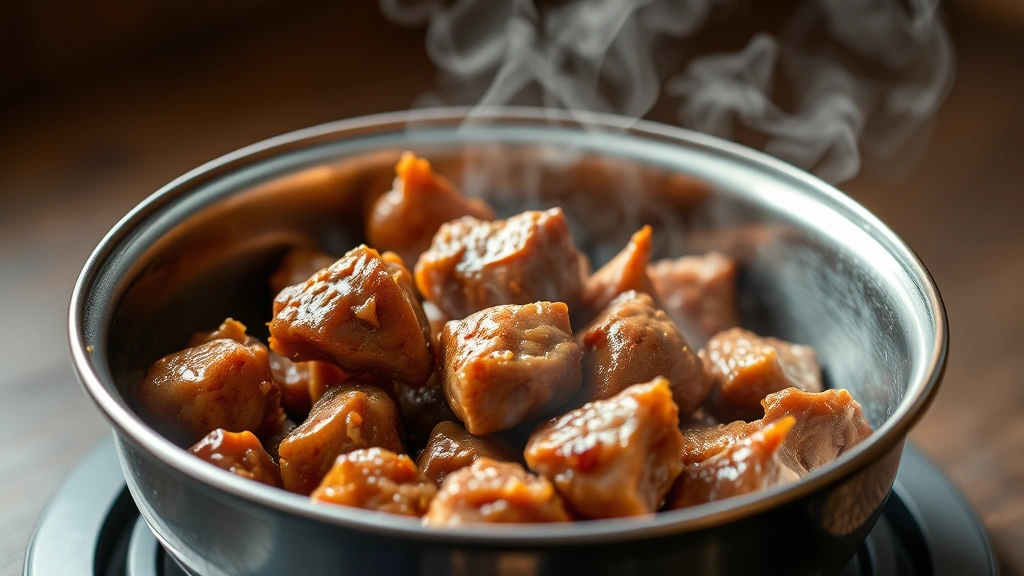
Proper preparation is essential to maximize the safety and nutritional benefits of chicken liver for your dog. The most straightforward and safest method for most pet owners is cooking the chicken liver thoroughly. This eliminates potential pathogens while maintaining the nutritional value of the organ meat.
Boiling is perhaps the simplest preparation method. Simply place fresh chicken liver in a pot of water and boil for 5-10 minutes until it’s completely cooked through. The liver should be firm and show no pink inside. After cooking, you can chop it into appropriate sizes for your dog. Some owners save the cooking water to pour over kibble or mix with other foods—this broth is nutrient-rich and dogs typically enjoy it.
Baking is another excellent option. Spread chicken liver on a baking sheet and bake at 375°F (190°C) for about 15-20 minutes until fully cooked. This method requires no added oils or seasonings, keeping the preparation pure and simple. Once cooled, you can dice the baked liver into bite-sized pieces.
Pan-searing without oils or seasonings is a quick method that takes just 5-7 minutes. Cook the liver over medium-high heat until it’s no longer pink inside, then cool before serving. This method preserves more of the natural juices compared to boiling.
If you’re interested in raw feeding, some dog owners prepare chicken liver as part of a raw diet. This requires sourcing from trusted suppliers, practicing strict food safety protocols, and potentially consulting with a veterinary nutritionist. Raw feeding isn’t necessary for your dog to benefit from chicken liver—cooked preparations are equally nutritious and safer for most households.
When preparing chicken liver, always ensure it’s fresh or properly thawed if frozen. Never add salt, garlic, onions, or other seasonings, as these can be harmful to dogs. The pure, plain chicken liver is all your dog needs.
For those feeding commercial dog foods like chicken nuggets, homemade chicken liver treats offer superior nutritional value and complete ingredient transparency.
Portion Guidelines and Frequency
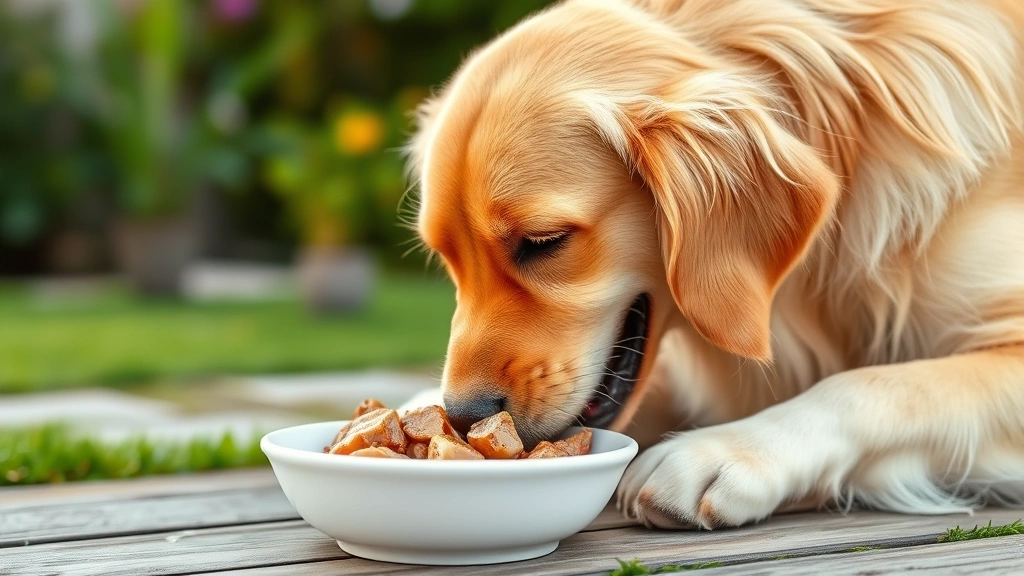
While chicken liver is nutritious, it should complement your dog’s diet rather than replace their primary food source. The appropriate portion depends on your dog’s size, age, activity level, and overall diet composition.
As a general rule, treats and supplements like chicken liver should comprise no more than 10% of your dog’s daily caloric intake. For a typical 30-pound dog eating about 1,000 calories per day, this means chicken liver treats should total around 100 calories daily.
A rough guideline for portion sizes:
- Small dogs (under 20 lbs): 1/4 to 1/2 ounce of chicken liver per serving
- Medium dogs (20-60 lbs): 1/2 to 1 ounce per serving
- Large dogs (over 60 lbs): 1 to 2 ounces per serving
These portions can be offered 2-3 times per week, or even daily if you’re incorporating chicken liver as part of a balanced homemade diet rather than as an occasional treat. If you’re using chicken liver as a training reward, smaller pieces are ideal—just a few small cubes per session.
For puppies, the portions should be scaled down further, and you should ensure that chicken liver is introduced gradually into their diet. Senior dogs can benefit from chicken liver’s nutrient density, but portion control becomes even more important if they’re less active.
When incorporating chicken liver into your dog’s diet, adjust their other food portions accordingly to prevent overfeeding and weight gain. If you’re creating a homemade diet that includes chicken liver, consult with a veterinary nutritionist to ensure the diet is properly balanced.
Remember that chicken liver is rich in vitamin A, and excessive vitamin A intake can be problematic. By following appropriate portion guidelines, you’ll ensure your dog receives the benefits without risking toxicity.
Potential Risks and Considerations
While chicken liver is generally safe, there are several considerations to keep in mind when feeding it to your dog.
Vitamin A Toxicity: The primary concern with feeding chicken liver is excessive vitamin A intake. Vitamin A is fat-soluble, meaning it accumulates in the body over time. If your dog consumes too much chicken liver regularly, it could theoretically lead to vitamin A toxicity, which can cause bone problems, dry skin, and other health issues. This risk is significantly reduced when you follow appropriate portion guidelines and don’t feed chicken liver daily as a primary food source.
Bacterial Contamination: Raw chicken products can contain harmful bacteria. While healthy dogs have strong stomach acid that kills many pathogens, cooking chicken liver eliminates this risk entirely. Pregnant dogs, puppies, senior dogs, and immunocompromised dogs are at higher risk from raw foods and should only receive cooked chicken liver.
Choking Hazard: While chicken liver is softer than other chicken parts, it can still pose a choking risk if given in large pieces, especially to dogs that don’t chew properly. Always cut chicken liver into appropriately sized pieces for your dog.
Allergic Reactions: Although chicken allergies are uncommon in dogs, some individuals may react negatively. If your dog has known chicken allergies or sensitivities, avoid chicken liver entirely.
Pancreatitis Risk: Chicken liver is relatively lean compared to other organ meats, but dogs with pancreatitis or those prone to digestive upset may need to avoid rich foods. Always consult your veterinarian before introducing new foods if your dog has a history of gastrointestinal issues.
Nutritional Imbalance: Chicken liver should never be the sole protein source in your dog’s diet. It must be part of a balanced diet that includes other protein sources, carbohydrates, fats, and essential nutrients.
Chicken Liver Alternatives
If chicken liver doesn’t work for your dog or you want to rotate different organ meats, several alternatives offer similar nutritional benefits.
Other Poultry Organs: Chicken hearts and gizzards are excellent alternatives that offer different nutrient profiles. Chicken hearts are particularly rich in taurine, while gizzards provide more protein with less vitamin A. When considering different chicken parts, understanding which chicken parts are safe helps you make informed choices. Some owners also explore whether chicken feet might be appropriate additions to their dog’s diet.
Beef and Lamb Liver: These offer similar nutritional profiles to chicken liver with slightly different vitamin and mineral ratios. Beef liver is particularly rich in iron, while lamb liver provides good omega-3 content.
Pork Liver: A leaner option that’s less commonly used but still nutritious and safe when properly prepared.
Fish Liver Oils: For dogs that can’t tolerate poultry or red meat liver, fish liver oil supplements provide similar vitamin A and D benefits, though in a different form.
Plant-Based Alternatives: While not organ meats, foods like sweet potatoes, carrots, and leafy greens provide some of the vitamins found in liver, though in lower concentrations and different forms.
Rotating different protein sources, including various organ meats, helps ensure your dog receives a diverse array of nutrients and prevents potential issues from overconsuming any single food.
Frequently Asked Questions
How much chicken liver can I give my dog daily?
Chicken liver should comprise no more than 10% of your dog’s daily caloric intake. For most dogs, this means 1-2 ounces per day maximum, though 2-3 times per week is more typical when feeding as a treat rather than as a dietary staple. Always adjust other food portions accordingly.
Can puppies eat chicken liver?
Yes, puppies can eat chicken liver, but portions should be smaller and introduced gradually. Start with tiny pieces to ensure good digestion, and ensure chicken liver is part of a complete, balanced diet formulated for growing dogs. Consult your veterinarian before adding supplements to a puppy’s diet.
Is raw chicken liver safe for dogs?
Raw chicken liver can be safe if sourced from reputable suppliers and handled with proper food safety practices. However, cooking eliminates the risk of bacterial contamination and is recommended for most dog owners, particularly those with puppies, senior dogs, or immunocompromised pets.
Can dogs with sensitive stomachs eat chicken liver?
Dogs with sensitive stomachs may tolerate chicken liver well since it’s easily digestible. However, introduce it very gradually and in small amounts. If your dog has a history of digestive issues, consult your veterinarian before adding any new foods.
Will chicken liver cause diarrhea in dogs?
Chicken liver is generally well-tolerated and shouldn’t cause diarrhea when fed in appropriate portions. However, introducing too much too quickly or overfeeding can cause digestive upset. Always introduce new foods gradually and monitor your dog’s response.
Can I feed my dog chicken liver every day?
While chicken liver is nutritious, feeding it daily isn’t necessary and could lead to excessive vitamin A intake over time. 2-3 times per week is ideal for most dogs. If you want to include it daily, use smaller portions and ensure it’s part of a carefully balanced overall diet.
Is chicken liver better than chicken breast for dogs?
Both are excellent protein sources, but they serve different purposes. Chicken breast is a lean protein that forms the foundation of many diets, while chicken liver is a nutrient-dense supplement rich in vitamins and minerals. Ideally, your dog’s diet includes both.
What should I do if my dog eats raw chicken liver?
Most healthy adult dogs can handle raw chicken without serious problems due to their strong stomach acid. However, monitor your dog for signs of illness like vomiting, diarrhea, or lethargy. If symptoms develop, contact your veterinarian. Prevention through proper food handling is always preferable.





